Can I Put Moss Killer On My Lawn in January?
Last Updated on January 2, 2026 by Duncan
When it comes to seasonal lawn maintenance, January may seem like a good time to relax and leave your grass alone. True, lawns require less regular care in the winter than they do in the summer, but that doesn’t mean there isn’t anything to do. There are several things you can do.
If you are wondering, can I put moss killer on my lawn in January? Yes, you can.
Moss will grow on most lawns over the winter. If moss growth is an issue in your lawn, consider reducing it throughout the winter months using a combination of ferrous sulphate solutions and timely lawn maintenance.
The beauty is that Ferrous Sulphate also tends to green grass in cold weather, protects against disease, and helps prevent worm casting, so even if moss isn’t an issue, ferrous sulphate is an excellent substance to use.
What is ferrous sulphate?
Ferrous sulfate, a soluble product, is usually mixed with sand to kill moss while also spectacularly greening the lawn.
Ferrous or iron sulfate (also known as spelt sulphate) is found in garden and lawn moss killers, as well as some fertilizers. It is the same chemical compound, no matter how it is sold or utilized.
They may differ slightly in concentration and be combined with other chemicals, but otherwise they are the same.
When ferrous sulphate is offered as a moss killer, the law requires it to be subject to pesticide legislation and to additional health and safety precautions, just like any other pesticide. As you can tell, this increases the cost.
This allows the company to promote the product as a moss killer and provide instructions for using it to control moss. The concentrations are strong enough to destroy moss while being low enough to cause little or no damage to grass.
Ferrous sulphate is typically offered as:
Moss killer: This is either plain ferrous sulphate or with a bit of fertilizer added. There are only basic elements, nothing particularly remarkable or scientific.
Lawn sand: Another way to use ferrous sulphate to kill moss. This is simply ferrous sulfate mixed with a small amount of nitrogen fertilizer and sand for easy distribution.
If you’ve ever used Lawn Sand, you may have noticed severe lawn damage. Unless kept dry and administered in the proper conditions, uniformly, and at the exact dosage, you can defoliate your grass in days.
Because of this, you should avoid it unless you have the necessary skill and confidence.
Ferrous sulphate as fertilizer: Ferrous sulfate is the same material as a fertilizer, although it is sold for different purposes, most commonly to green grass and harden against frost and disease.
The concentration required to achieve this is typically lower than that needed for moss killer applications.
Still, practically every informed gardener and greenkeeper understands that it will perform the same function as a moss killer at higher application rates.
Because it is not advertised as a moss killer, it does not need to be certified as a pesticide. This implies it’s less expensive, but the company loses the ability to sell or market it as a moss killer.
Ferrous sulphate is not lawn food.
You can use Ferrous sulfate as a fertilizer, although it is not lawn food. It is chemically pure iron and sulphate, and it may be equivalent to a vitamin.
It contains no nitrogen and hence does not promote grass growth. This means you’ll still need to feed your grass as usual with a lawn food such as this one.
Ways to apply your moss killer
Using the right spray equipment will improve control and kill moss in the grass, saving you time and work.
Some basic equipment will be necessary to spray your moss killer. The size of the lawn and the expense are the most essential elements in the decision. When used correctly, they can all be equally successful, so the decision is yours.
Some of the equipment you can use include:
Watering can
- Very inexpensive, so buy two. You should get a different color one to use with weed and moss killers. This way, there is no danger of killing your cherished begonia with ‘weed killer’-contaminated water.
- Simple and easy to use.
- Ideal for lawns up to 200 square meters.
- If time is not an issue, the lawn can be as large as desired, but frequent refills are required.
Knapsack sprayer
- Simple to use and control.
- In most cases, it’s the quickest and most cost-effective approach to spray your lawn
- You can use it for liquid fertilizer, weed, and moss management on any size lawn.
- Ideal for vast lawns, as it sits comfortably on your back.
- Minimal maintenance is required.
- You can also use it to spot-spray lawn weeds.
Should you buy cheap knapsack sprayers?
- No, you shouldn’t. Buy a professional one; it will last a lifetime.
- Spares will also be constantly available.
- The sprayer is also tough, designed to withstand bumps and bangs.
What else can you do to your lawn in January?
Besides killing moss on your lawn in January, there are plenty of other things you can do. These things include:
Stay away from the grass.
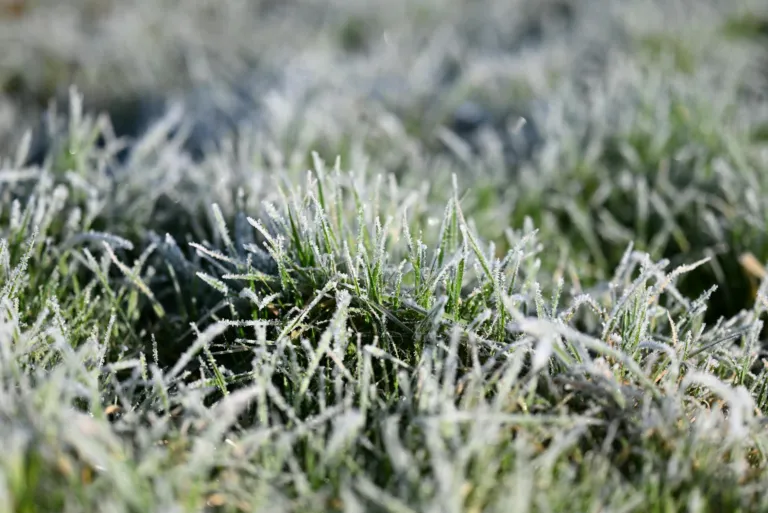
You should avoid stepping on your grass too often throughout the winter. When the ground is damp or icy, it is especially vital to prevent the grass from becoming wet.
Walking on cold grass can sear it, turning it black or brown. Stepping on a wet or saturated lawn compacts the soil, reducing its ability to drain properly. So, if possible, only step on your lawn when it is dry and frost-free.
To prevent soil compaction and damage, avoid walking on a large lawn when it is damp or chilly.
Mow your lawn
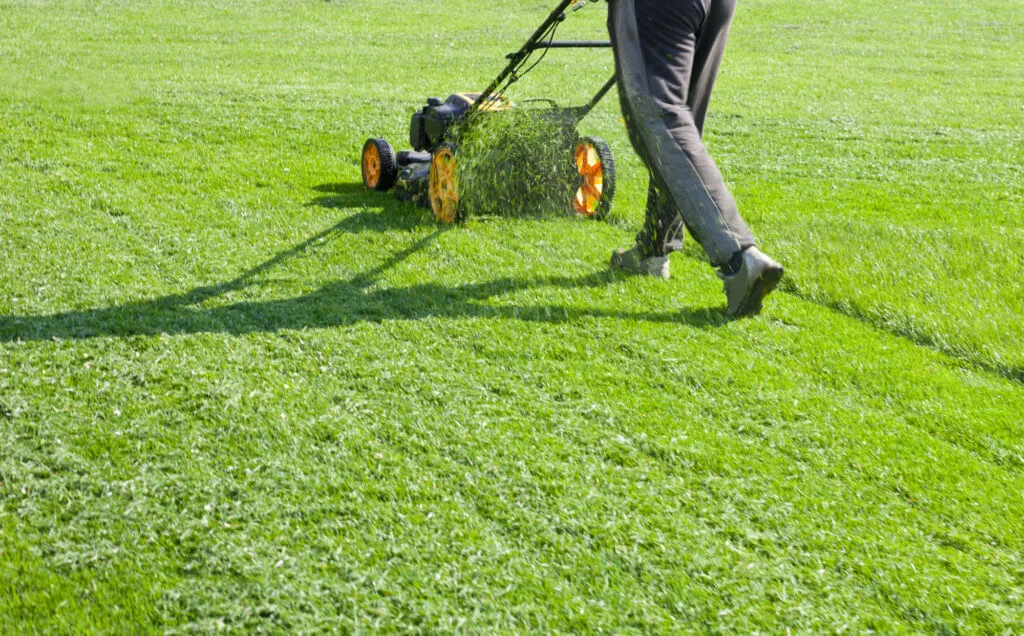
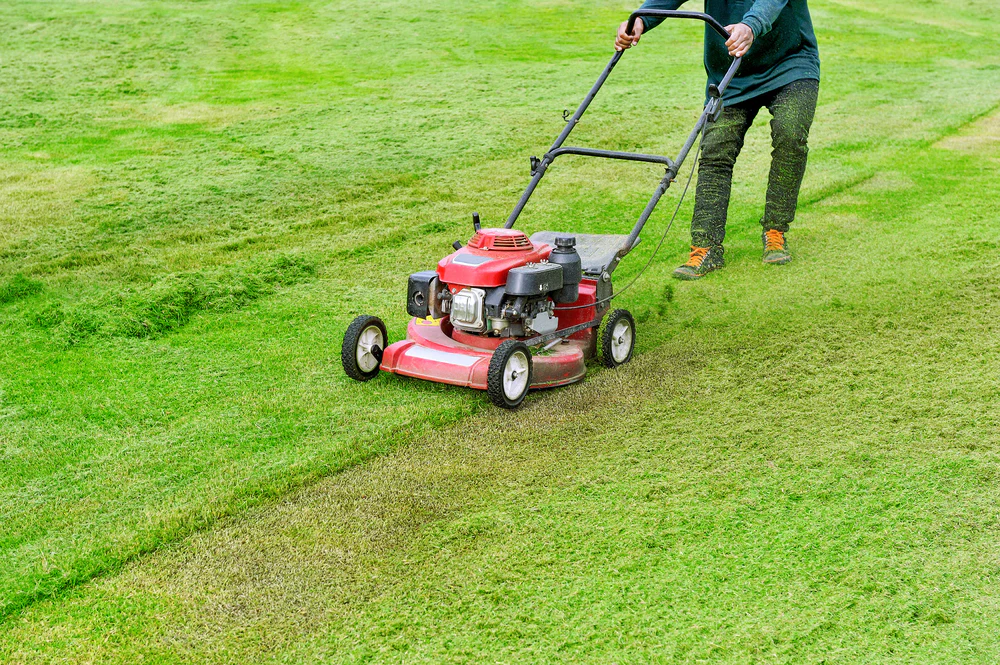
Yes, you can go ahead and mow your lawn in January. However, there are a few things you should be aware of.
First and foremost, do not cut your lawn while it is damp. Wet soil compacts when you step on it, making it more difficult for vital nutrients to circulate through the grass seed. This will reduce grass growth.
Second, do not cut the grass too short. Leave at least two-thirds of the grass to allow the blades to absorb adequate energy from the limited winter sunshine. You should note that you may need to lift your mower blades to get the proper cutting height.
Aerate your lawn
January is a great time to aerate your lawn. Aeration can help with drainage and release compacted ground. All of this helps your lawn stay healthy over the winter. Winter aeration, like summer grass maintenance, requires frequent mowing and weed control.
You can accomplish this with a garden fork. Push it as far into the lawn as it will go, then ease back to make slightly slanted holes. Repeat this method throughout the entire area. Repeat as needed in the regions that are exceptionally crowded or soggy.
Related Posts: