Can You Kill Moss in Winter?
Last Updated on January 4, 2026 by Duncan
Moss is a common problem in lawns, competing with grass for water and nutrients while making the turf feel soft and spongy underfoot. It can also generate bare areas on lawns during hot summers, and it recovers more slowly than grass during droughts.
If you are wondering, can you kill moss in winter? While fall and spring are the best time to kill moss from your lawn, you can go ahead and kill moss from your lawn in winter. Before we learn how to destroy it, we need to know what causes it.
What causes moss in lawns?
In a healthy lawn, the grass will normally grow robust enough to prevent moss; hence, moss growth in lawns indicates a problem. Some of the most common issues include:
Poorly drained lawns
Moss thrives in moist situations, which is why it is commonly found in poorly drained lawns. Drainage issues could be caused by inadequate soil preparation before the lawn was sown, or by heavy foot traffic compacting the soil over time. Grass struggles to thrive in these conditions and is easily outcompeted by moss.
Shade
Moss thrives in shadow and can quickly colonize shaded lawns where grass growth is weak and uneven.
Acidic soil
Moss may grow in almost any soil, but it is most frequent in acidic soils, because lawn grasses suffer in these conditions.
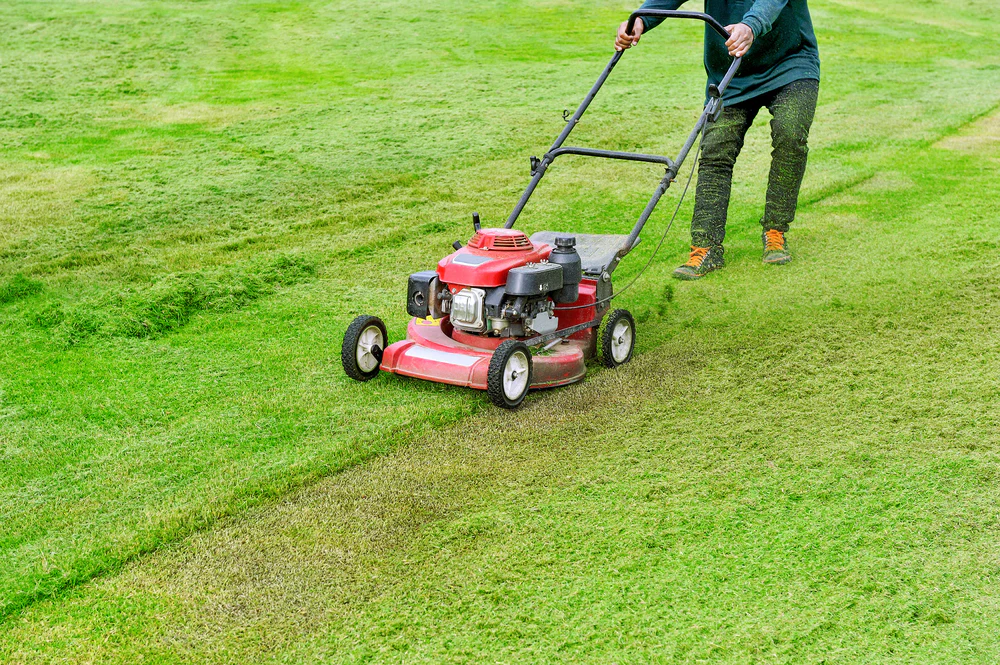
You are mowing the lawn too short.
Regularly mowing the lawn too short weakens the grass and allows moss to grow.
How do you remove moss from your lawn?
To prevent moss on your lawn, you need to use two approaches:
- Remove moss by scraping it out or using lawn moss herbicides.
- Improve lawn health to help lower the risk of moss regrowth.
Scarifying to remove moss from lawns.
The first step in removing moss is to scarify the lawn with a spring tine rake or a mechanical scarifier. Rake firmly across the lawn to loosen the moss. Hand scarifying may be sufficient to remove a small amount of moss from your grass.
If there is a lot of moss in the lawn, scarifying it first will thin it out, allowing the moss killer to penetrate and kill the remaining moss.
You can put raked-out moss in your compost heap, but it decomposes slowly, so add it gradually over several weeks and cover with other plant waste.
Removing moss with a moss killer
You can use moss killers to control excessive moss development.
Moss killers typically contain ferrous sulfate (also known as sulfate of iron), which is highly effective at killing moss in lawns.
When you are going to kill the moss, consider whether you want one that kills only moss or one that kills both moss and grass weeds.
The killers help feed the lawn, strengthening weak patches of grass and reducing the likelihood of moss growing back. Moss killers are available in both liquid and granular forms, this allows you to select the product that best meets your garden’s demands.
When do you apply the moss killer?
The best time to apply moss killer is in the fall, when the grass is actively developing and can withstand aggressive scarifying. You can also use moss killer and scarify in the spring to eliminate moss that has formed during the winter, but be careful not to damage new grass roots when scarifying.
How to apply moss killer
One way to apply the moss killer is with a lawn spreader. The ferrous sulphate in moss killer alters soil pH, which influences how grass grows, so distribute it evenly to prevent your lawn from looking patchy.
Using too much moss killer might hurt or even kill your grass, so always follow the product directions and use the recommended concentration.
Keep pets and children off the lawn until you have thoroughly applied and cured the lawn.
When the moss turns black (about 2-3 weeks after applying moss killer), use a spring-tine rake to remove it.
You can put this dead moss in your compost heap, along with other plant waste. Check the box directions to see how long you can keep the resulting compost before it is suitable for use in your garden.
You should note that you can reseed bare soil with grass seed; however, read the container for instructions on how long to wait before reseeding.
Best practices when applying moss killer
Always read and adhere to the application and safety instructions on the packaging.
Mow and scarify the lawn before spraying moss killer.
Apply moss killer when the weather is pleasant and the soil is moist. Do not apply if heavy rain is expected, since the product will be washed away. And you don’t want this.
Ferrous sulphate can stain surfaces such as paving, decking, and carpets, so always clean your boots or shoes after using moss killer. It’s wise to take your shoes off before going on patios or entering indoors.
How do you prevent moss from growing back?
Once you have removed the moss, address the conditions that facilitated its growth so it does not return.
Regular lawn management in spring and fall reduces moss by encouraging the growth of strong, healthy grass.
Aerating your grass reduces moss growth by breaking up compacted soil and boosting drainage. Aerate small areas by hand with a garden fork or hollow tine aerator, or use a machine aerator for larger lawns.
After aerating your grass, apply lawn dressing, which is a mixture of sand, organic debris, and lawn food. When pushed into aeration holes, it enhances soil structure and drainage, supporting healthy grass and lowering the chance of moss regrowth.
Avoid cutting your lawn too short since this weakens the grass. Ideally, never cut more than one-third of the grass blade length.
Cut back shrubs and prune trees to reduce shade on the lawn. Sow shade-tolerant grass seed in shady places, or remove the lawn and replace it with shade-loving plants.
FAQs
What destroys moss permanently?
Moss killers using ferrous sulphate are pretty effective at eliminating moss. After you have killed all the moss, regular grass upkeep and feeding will help keep the lawn moss-free.
What is the ideal time to apply moss killer on your lawn?
You can use moss killer between April and September. Still, the optimal time is fall, when the grass is actively growing and can withstand intense scarifying, or spring to eliminate moss that has formed over the winter.
What is the best way to remove moss from the lawn?
Scarifying, or manually raking off small sections of moss with a spring-tine rake, is an effective way to remove moss. For larger moss patches, use a ferrous sulphate-based moss killer.
Does Roundup destroy mosses?
Roundup does not kill mosses. Because moss is non-vascular and lacks vessels that transport water from roots to leaves, unlike most plants, systemic weedkillers such as Roundup cannot penetrate the moss and kill its roots. Moss can however be killed with a chemical or bacterial moss killer.
Parting shot
If you didn’t know how to go about it, you do now. If you have moss on your lawn, you can get rid of it yourself without involving a professional, and you are good to go.
Related Posts: