Should You Cut Your Lawn in December?
Last Updated on December 20, 2025 by Duncan
It is technically acceptable to trim your grass in December, but you don’t have to do it. The only reason you should consider doing it is if the weather is mild enough for grass to grow. In such a case, there is no reason you shouldn’t use your mower to keep it looking nice and tidy.
The issue with cutting grass in December is that mowing it too short can cause damage. When daylight is restricted, your grass should remain long enough to absorb enough sunlight. So, use the mower only if necessary and set it to the maximum setting.
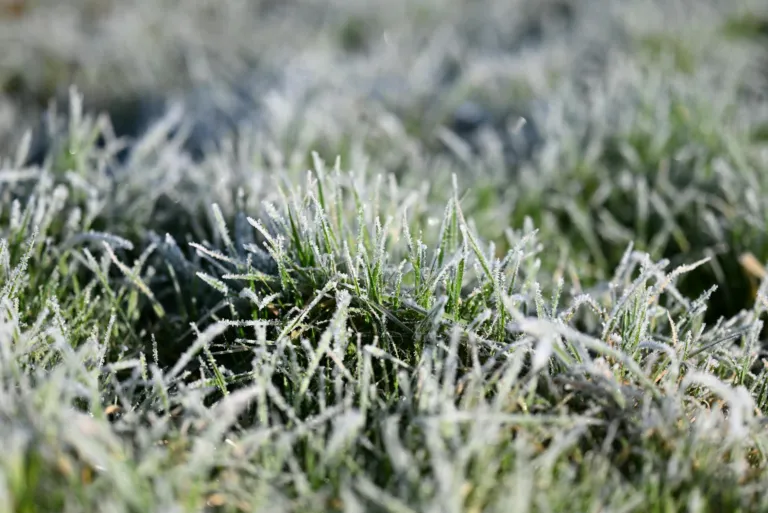
Never mow your lawn in the winter when the ground is icy and the grass is brown. Your mower’s blades can damage the roots if they come too close, so avoid using it this time of year.
Anything below 4 degrees Celsius is too chilly for mowing, as grass growth slows in low temperatures. In such a case, you shouldn’t try cutting it.
Best practices if you have to mow your lawn in December
Mowing your lawn in December is similar to mowing at other times of year. However, there are a few additional concerns unique to this time. Here are a few pointers to help you get the task done correctly:
In December, you should trim your lawn slightly shorter than usual, but not too short. This is called scalping, and it is not the proper way to trim your lawn in December. Cutting the grass too short at this time deprives the roots of insulation from the cold winter weather.
During the season, make sure to hydrate your lawn in between mowing sessions.
While you can mow your grass after a frost, don’t do so right away. Wait till the frost melts and the grass dries.
If your lawn mower has a bag attachment, you can remove leaves while mowing. The lawn mower will mow the leaves, making them ideal for your compost pile.
Alternatively, if you own a mulching mower, you can leave the shredded leaves on the lawn. They will eventually seep into the soil and serve as free fertilizer.
However, for this strategy to work, you must remain ahead of the leaves. If you try to mulch too many leaves at once, you risk drowning the grass. And you don’t want this. Remove some of the accumulated leaves before you mow.
Can you fertilize your lawn in December?
Yes, you can use a winter lawn fertilizer to keep your lawn green and healthy. While this is the case, you should note that the lawn requires less fertilizer during the winter months because it is in ‘downtime’.
Your lawn is no longer under constant strain since the grass blades have ceased growing. If the grass is dormant, you could just be feeding the weeds, which is not a good idea, is it?
If December is exceptionally mild and your grass needs nutrients to survive the winter, you can still fertilize, but it’s wise to wait until Spring.
If you have to make the application, use fall and winter lawn fertilizers that will provide your lawn with the nutrients it requires during periods of slow development. It is critical to choose an appropriate fertilizer to use throughout the winter months.
Fall and winter lawn feed contains nitrogen, phosphorus, and potassium (NPK), which are critical fertilizer ingredients for winter lawns. The NPK balance varies with the season, as plants require different nutrients at different times of year.
In general, winter lawn fertilizers should have a higher phosphorus content to promote healthy root growth.
In addition to compensating for winter sunlight, fertilizing your lawn with a concentrated mix high in iron and magnesium can help prevent disease.
When shouldn’t you fertilize your lawn?
If the weather dips below freezing or the ground freezes, do not fertilize your grass. If the soil is entirely frozen, the roots will be inactive and unable to absorb nutrients. All of your hard work will be for nothing. So avoid fertilizing your lawn at this time.
What other things can you do, and what can’t you do to your lawn?
Besides mowing and fertilizing your lawn when the weather is right, there are several other things you can do for your lawn. These things include:
Scarifying and aerating
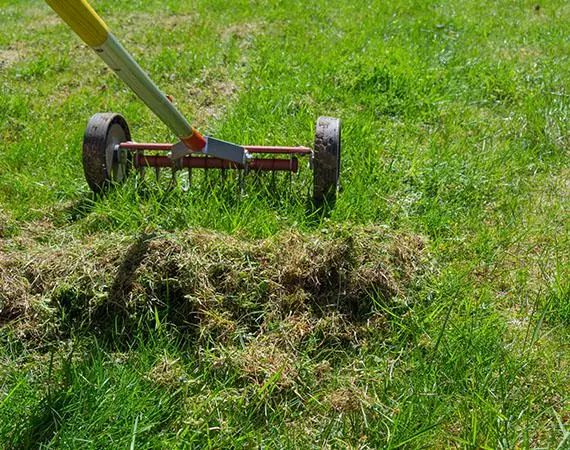
Scarifying your lawn during this time of year is not recommended. It will be unable to recuperate from such severe treatment.
While the lawn is dormant, it will be unable to recover quickly enough, resulting in bald spots that will need to be overseeded with an appropriate grass seed later. Don’t scarify in December; wait till Spring.
Aeration, on the other hand, is beneficial for compaction drainage and improving the flow of air and nutrients throughout the root system.
To aerate your lawn in December, take a mild approach. Use a garden fork instead of a hollow tine aerator.
This will help to loosen the compacted soil and allow air and water to flow more freely through it. Large aeration holes may cause the lawn to freeze more easily in cold circumstances.
To aerate your lawn, create little diagonal rows in the grass with the fork, then ease back to develop holes. Repeat the process until the entire area is aerated. Repeat this treatment as needed in any particularly dense or soggy areas.
Collect fallen leaves
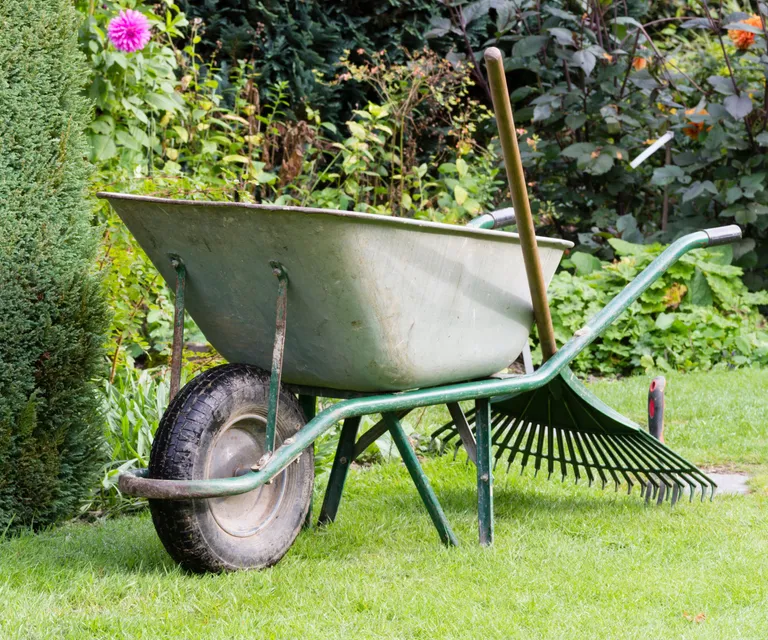
Throughout the winter, make sure to collect fallen leaves regularly. If you leave them on your lawn, they will obstruct sunlight, decay, and cause damage.
You should replace mowing with leaf collection regularly. Remember to rake leaves off the lawn gently to avoid damaging the grass.
What should you look out for in your lawn in winter?
Pests: Worms are an indicator of healthy soil, so those pesky worm casts are actually a good thing. Unfortunately, worm casts are tough to brush away in damp and cold weather.
The best defense is to keep track of the leaf collecting. This helps to keep matter and detritus away from the surface, allowing worms to live deeper underground rather than on the surface.
In December, the most frequent lawn diseases are Fusarium and snow mold. Fusarium is a common fungus that thrives in damp environments and can be prevented by not watering lawns during cold weather.
An airborne fungus also causes snow mold, and a long-term compacted snow cover can harm your lawn. If your lawn suffers from either of these over the winter, you’ll need to devise a recovery strategy in the Spring.
Moss: Moss can be a nuisance in winter, and a significant infestation will slow grass growth in Spring. Moss prefers wet areas and will grow in shaded spots. To be on the safe side, reduce gloomy areas and aerate to improve drainage.
Seed: Lawn seed will not sprout at this time of year, but you can try dormant seeding. Sow grass seed in bare parts of your lawn, and it will germinate in the Spring.
Related Posts: