
20 Things to Do With Fallen Autumn Leaves
Last Updated on September 22, 2026 by Duncan
When autumn leaves start covering your lawn, the first instinct is usually to rake them into a pile and haul them away.
But those red, orange, yellow, and brown leaves can become decorations, garden helpers, craft materials, and even useful household resources.
Wondering what you can do with fallen autumn leaves? Here’s are some ideas:
Make a leaf filled outdoor basket

Grab a wire or wicker basket you don’t mind leaving outside, and layer in colorful whole leaves mixed with a few small pumpkins or gourds.
Skip the glue as the weight of the leaves and gourds keeps everything in place even in wind.
Set it by your front steps or porch railing for an instant seasonal display that costs nothing.
Swap the leaves out every week or two once they start curling and browning.
Create an autumn leaf memory jar

Pick one leaf from each walk, hike, or trip you take this fall, and press each one flat for a few days between heavy books.
Layer the pressed leaves into a clear jar with a small tag noting the date and location for each one.
By December you’ve got a jar full of the whole season instead of a phone full of photos you’ll never look at again.
Kids love adding to this one as much as adults do.
Make leaf bookmarks

Press small, flat leaves for about a week between the pages of a heavy book, then laminate them or seal them between two pieces of clear contact paper.
Trim around the edges leaving a small border, then punch a hole and add a ribbon if you want one.
Skip curled or overly dry leaves for this one as they crack the second you laminate them.
Freshly fallen leaves are the best to work with.
Decorate a seasonal fireplace mantel
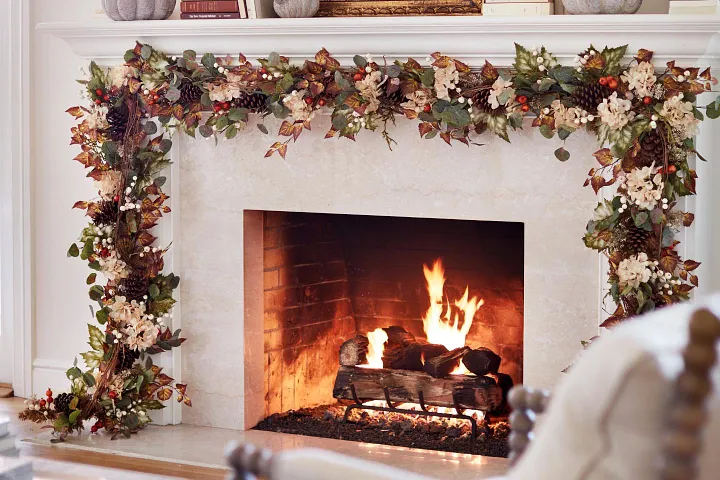
Line your mantel with a runner of preserved leaves using the glycerin method from earlier, mixed with a few candles and small pumpkins.
Glycerin treated leaves hold up to the heat from a lit fireplace far better than fresh or waxed ones, which is worth knowing before you set anything too close to an open flame.
Vary the leaf sizes and colors along the length of the mantel instead of clustering them in one spot.
Make a fall photo backdrop
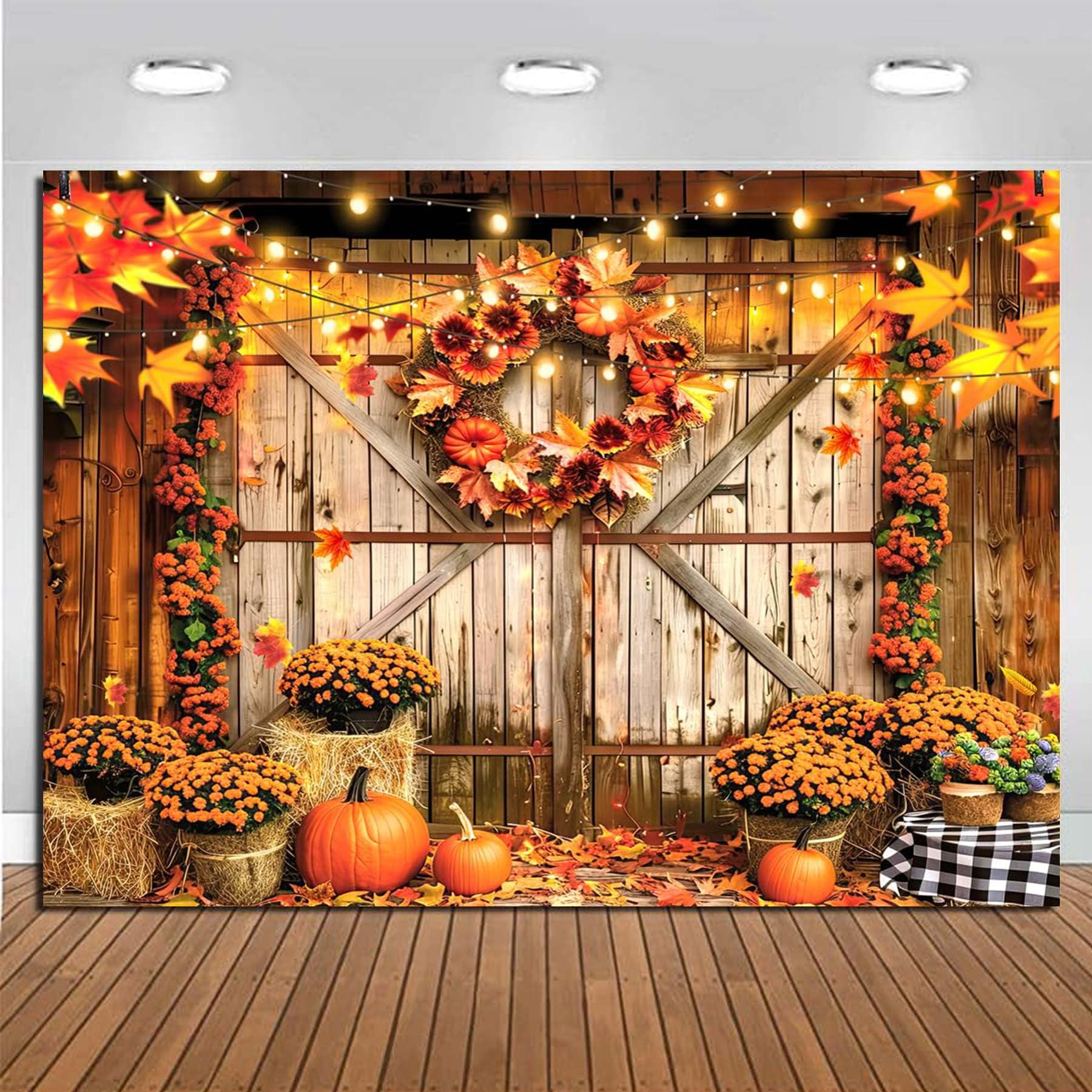
Pin or tape large, flat branches with leaves still attached to a plain wall or a large piece of fabric, layering smaller branches over larger ones.
Add a few loose leaves scattered at the base for depth.
This works far better than trying to arrange individual leaves one at a time, which takes forever and looks patchy.
One afternoon of gathering branches gets you a backdrop that lasts the whole season.
Use leaves as natural packing material
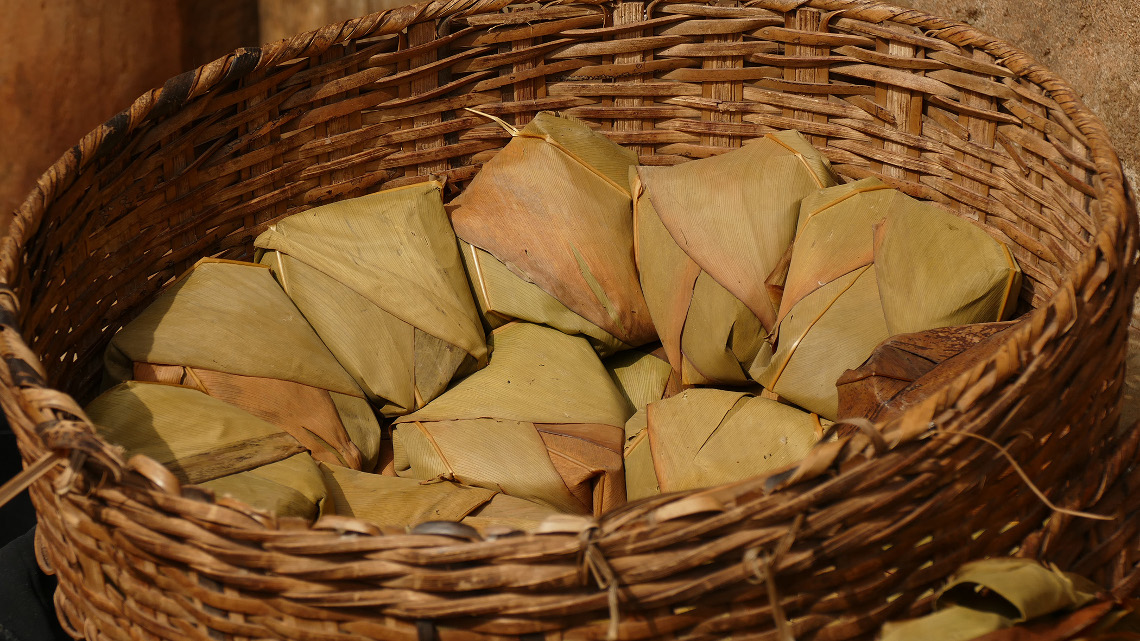
Dry leaves are surprisingly good cushioning for storing fragile seasonal decor, ornaments, or gourds you want to keep past the season.
Layer dry leaves between items in a box instead of using bubble wrap or newspaper.
Make sure the leaves are completely dry first, or you’ll open that box next fall to mold and a smell you won’t forget.
A few days spread out indoors is usually enough to dry them fully.
Make a leaf collection with children

Send kids out with a bag and a simple challenge, find one leaf from five different trees, and bring them back to identify each one together.
A basic tree identification app or a library book on local trees turns this from a scavenger hunt into an actual lesson.
Press the collected leaves and label them with the tree name and the date found.
This is the kind of thing that turns into a genuine keepsake if you keep doing it year after year.
Make leaf covered pumpkins
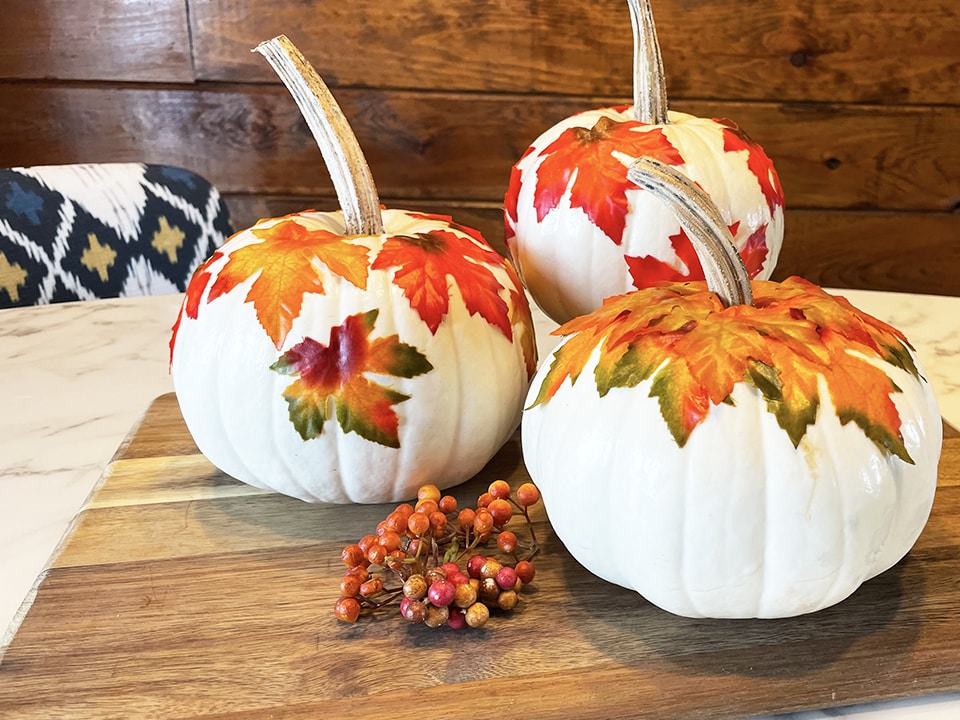
Coat a real or faux pumpkin in a thin layer of craft glue, then press small leaves onto the surface working from the bottom up so each layer overlaps the one below it.
Do this the same way you do shingles on a roof.
Working from the top down leaves gaps where the glue shows through.
Use a faux pumpkin if you want this to last past the season, since real pumpkins soften and the leaves will slide right off within a couple weeks.
Make autumn lantern decorations
Coat the outside of a glass jar with a thin layer of decoupage glue, then press small leaves onto the glass and add another coat of glue over the top to seal them.
Once dry, drop in a flameless candle so you’re not putting an open flame near dried leaves.
The light through the leaves creates a stained glass look that’s a lot prettier in person than it sounds.
Group three or four different sizes together for a display that looks curated instead of random.
Create a leaf filled garden path
Rake fallen leaves directly onto dirt or gravel garden paths and pack them down to form a natural, cushioned walking surface through fall.
This also acts as a light mulch for whatever’s growing along the path edges.
Skip this on paved or paver paths since wet leaves get slick fast and turn a walkway into a hazard.
Stick to dirt paths, garden beds you walk through, or wooded areas of your yard.
Add shredded leaves to a compost pile
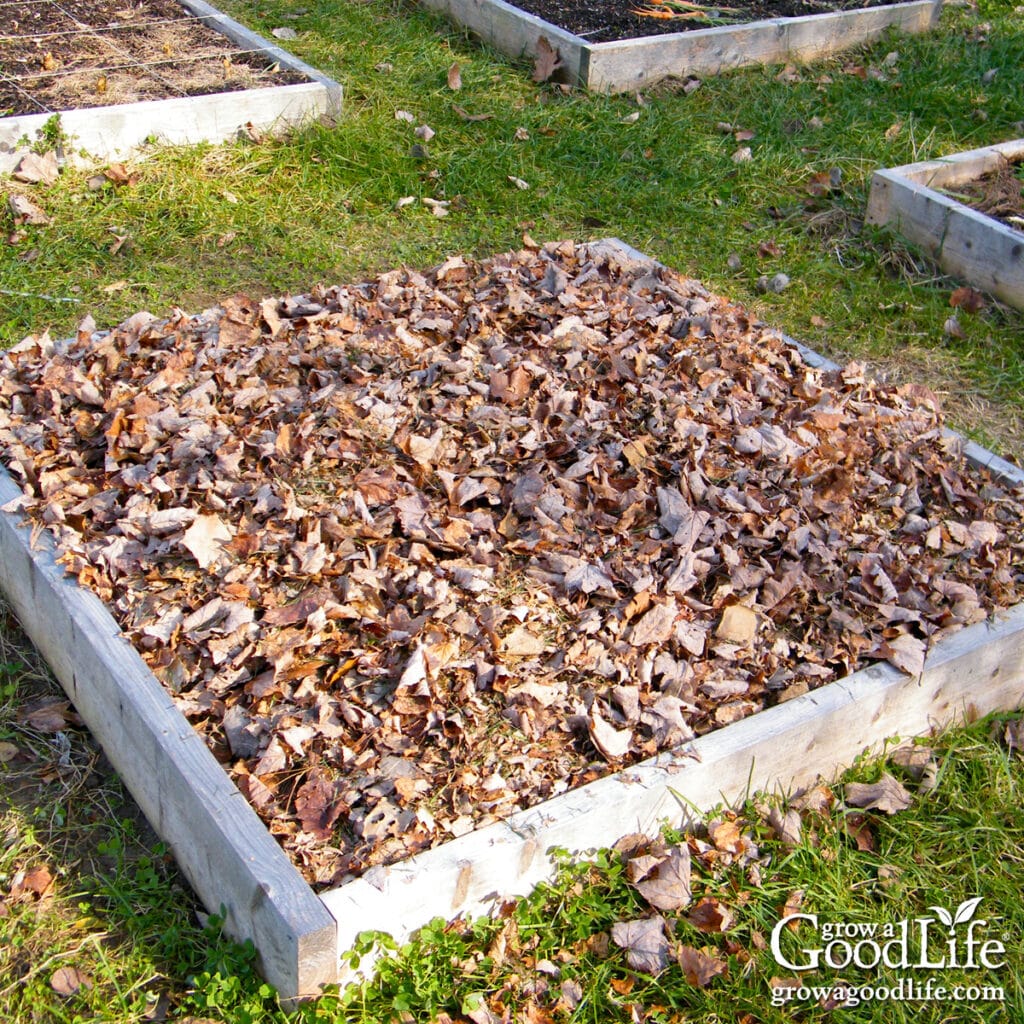
Beyond mulching, shredded leaves are one of the best brown materials you can add to an active compost pile.
Aim for roughly equal parts shredded leaves to fresh green material like kitchen scraps or grass clippings, and turn the pile every week or two to keep it breaking down evenly.
Whole leaves in a compost pile clump together and slow the whole process down.
Shredding first is what separates a pile that’s ready by spring from one that still has soggy chunks in June.
Use fallen leaves to protect bare garden soil

Any bed you’ve cleared for winter is exposed soil, and exposed soil erodes, compacts, and loses nutrients over a long winter.
A four to six inch layer of leaves over bare beds prevents all three and breaks down into the soil by spring on its own.
This is different from mulching around living plants, since you’re covering ground with nothing actively growing in it.
Think of it as a blanket for your soil, not your plants.
Create a leaf wreath for the front door
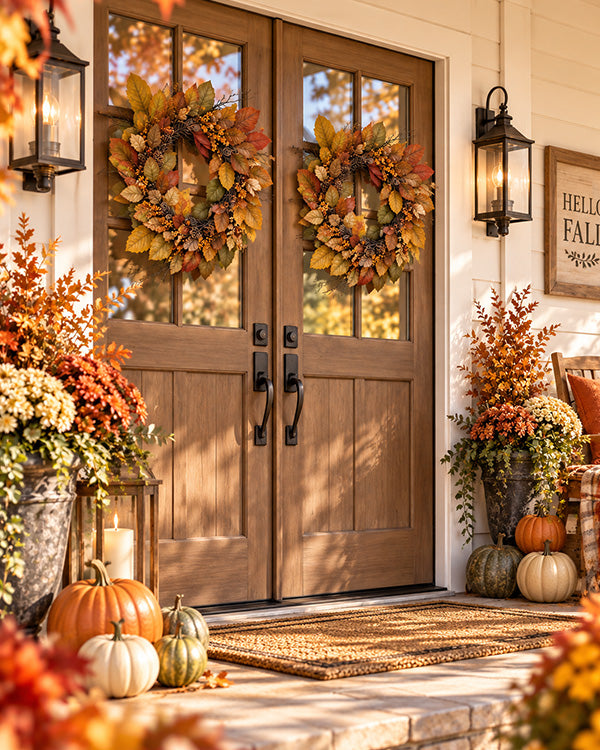
Take your glycerin preserved leaves and hot glue them onto a wire or grapevine wreath form, working in one direction so each leaf overlaps the last like feathers.
Start from the outer edge and work your way in, hiding the wreath form completely by the time you finish.
A wreath made from properly preserved leaves can last multiple seasons if you store it flat in a box during the off months.
One made from leaves you skipped the glycerin step on will be crumbling on your door by Thanksgiving.
Make a leaf bowl
Coat the outside of an upside down bowl with plastic wrap, then layer glue soaked leaves over the wrap, overlapping heavily.
Let it dry completely for a couple days, then gently lift the leaf bowl off the mold.
Use this for holding acorns, small gourds, or potpourri, not anything with liquid or real weight.
The bowl is decorative, not food safe or sturdy enough for actual use.
Turn leaves into homemade greeting cards
Press small leaves flat for about a week, then glue them onto folded cardstock in a simple arrangement, a single centered leaf or a small cluster in one corner.
Add a stamped or handwritten message once the glue is fully dry.
This turns a random pressed leaf collection into something you actually use instead of a box that sits in a closet.
They also make surprisingly good thank you cards for teachers or neighbors in the fall.
Make leaf rubbings with the kids
Place a leaf vein side up under a sheet of plain paper, then rub the flat side of an unwrapped crayon over the paper until the leaf’s shape and veins show through.
Use the bumpy underside of the leaf, not the smooth top, or you’ll barely see any texture come through.
This is one of the simplest fall activities that still genuinely holds a kid’s attention for a while.
Different leaf shapes and different crayon colors keep it interesting past the first two or three tries, so incorporate them.
Use leaves as natural gift decorations

Skip the ribbon bow and tuck a single preserved leaf or small sprig under the twine on a wrapped gift instead.
It costs nothing, takes ten seconds, and looks more thoughtful than store bought gift wrap accessories.
This works especially well on plain kraft paper wrapping, where the leaf’s color and shape actually stand out.
Stick to glycerin preserved leaves here too, so it doesn’t crumble before the gift is opened.
Create homemade leaf confetti
Run fully dried, brittle leaves through your hands or a rolling pin to crumble them into small, confetti sized pieces.
Sift out any large stems or chunks so what’s left is fine and even.
Use it to fill mason jars for centerpieces, scatter it down the center of a table, or tuck a small bag of it into party favors.
It’s biodegradable, which is more than you can say for the plastic confetti sitting in a drawer somewhere.
Turn leaves into a table centerpiece

Run a loose line of leaves, small pumpkins, and pinecones down the center of your table.
This spreads the visual interest the length of the table rather than concentrating it in one spot everyone has to look around.
Mix in a few candles at varying heights along the same line.
Leave gaps here and there instead of packing it edge to edge, or it starts looking cluttered instead of styled.
Make a leaf garland

Thread preserved leaves onto twine or thin string using a needle, piercing each leaf near its stem so it hangs naturally.
Space the leaves close enough that the garland looks full, but not so tight that they overlap and hide each other.
Drape it along a mantel, staircase railing, or window frame for a low effort seasonal touch.
Preserved leaves here matter even more than usual, since a garland gets handled and moved more than something like a wreath that just hangs still.