Is February Too Soon to Cut Grass?
Last Updated on January 30, 2026 by Duncan
For those who love their lawns, February may be one of the most stressful months of the year when it comes to lawn care. One minute, you’re itching to mow after a beautiful day, but a chilly snap reminds you that winter isn’t quite over.
If you are wondering whether February is too soon to cut your grass, you should know that no, it’s not. If your grass looks like it needs a cut in February and the ground is not too wet, your lawn will benefit from a cut.
The only thing you need to do is cut the grass a little higher than usual. A high cut will remove the tops of grass blades and promote fresh, healthy growth, even if lawn development is modest at this time of year.
Best practices when cutting your grass in February
To have a great February grass cut, you need to be strategic in your mowing. For a great mowing, you need to do several things:
Ensure you have dry grass: There should be no frost on the day of the cut or in the 24 hours preceding it. The ground should feel firm underfoot, and the grass should be dry to the touch. You should pause your mowing if the mower wheels dent the surface or you leave footprints.
Mow at the right temperature: When soil temperatures are continuously between 6 and 8 degrees or higher, growth typically resumes. Go for a series of moderate days; one pleasant afternoon is insufficient.
Set the correct height: Set the mower to its maximum setting. Try to cut off no more than one-third of the leaf blade. That initial pass is about 5-6 cm for most household mowers. Start much higher if your grass is long, then progressively lower it over subsequent trims.
Only use sharp blades: A sharp blade cuts cleanly and heals fast. On the other hand, a dull blade leaves a grey cast, rips leaves, and encourages illness. This is not what you want, is it?
Keep it light: This is not a haircut, but rather a tidy-up. Avoid sharp twists and stripes. Use a lightweight mower and take a straight path to prevent ruts if the lawn is soft or uneven.
Take good care of your lawn: If clippings cluster, especially on wet areas, brush them off. If the surface looks smudged or smeared, leave it and return another day when drier.
Remember that a conservative approach in February preserves the lawn’s resilience for spring by protecting the root system.
Other things you can do in February
If your lawn isn’t ready for mowing, it doesn’t mean that you should ignore the lawn. There are plenty of other things you can do. These things include:
Get rid of debris and leaves: You should use a light rake or a stiff brush to get rid of twigs, leaves, and litter. This lowers the shadow, prevents illness, and allows more light and air into the sward.
Brush away worm casts: Once dry, carefully brush the casts back into the lawn. This keeps the surface even and prevents your mower from spreading soil into mud on its first pass.
Edge the lawn: Crisp edges give the grass a well-kept appearance even before it starts growing. To tell the location of your boundary, re-cut wonky lines using a half-moon tool or edge shears.
Drainage quick fixes: Light spiking with a fork works extensively on soft, puddled zones. You should wiggle the tines to create channels, then lightly top-dress with sandy loam to help the water drain off the surface. In addition, consider using a soil improver.
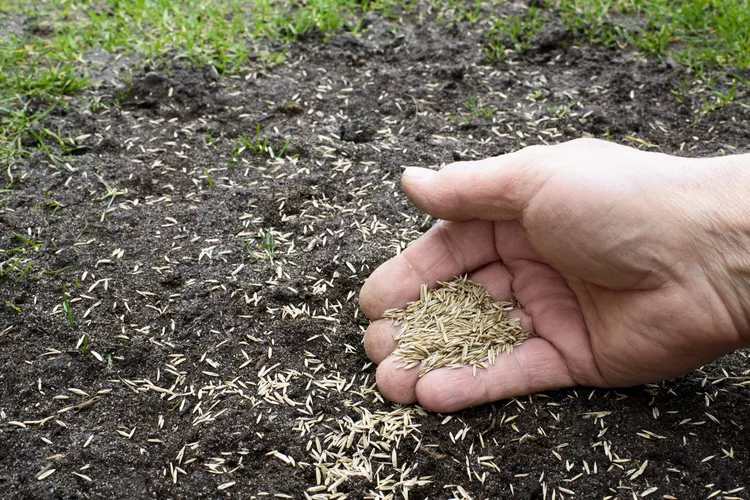
Plan the patch repairs: Identify the bare areas of the lawn. If the soil temperatures are suitable in February, you can consider overseeding, but you must choose a cold-tolerant grass seed mix.
Check furniture and traffic: Move any goal posts, bins, or furniture that have been sitting on the grass throughout the winter. Remember to spread out traffic to avoid crowding the same area.
Should you scarify, aerate, or feed your lawn in February?
February is often too early for substantial scarifying. At this time, the grass is not growing well enough to recover from aggressive thatch removal. Instead, make light preparations:
Lightly rake: If there is a buildup of Fall leaves or a faint thatch, a gentle rake to remove waste is ideal, but avoid digging into the plant’s crown.
Aeration: Use a garden fork to spike compacted areas, but leave proper aeration until spring, when conditions improve.
Feeding: Use a specialized winter lawn feed low in nitrogen and high in potassium to strengthen roots.
Moss management: Moss thrives in shaded and moist conditions. You should hand rake the light moss to promote light and ventilation. You could also use a moss treatment to help in combating it.
Can you fertilize your lawn in February?
Yes, you can do it, especially if you haven’t fertilized your lawn since Fall. A winter feed in early February is ideal for replenishing soil nutrients that have leached during the winter.
To be on the safe side, use a specialized winter lawn feed low in nitrogen and high in potassium to strengthen your roots.
You should avoid high-nitrogen feeds. This is because they promote top development, which can be harmful in colder months.
Timing is essential when fertilizing: Do not apply fertilizer if there is frost or snow; instead, check the forecast and use it on a dry day.
You can apply a specific winter lawn feed and liquid seaweed, which are excellent ways to help your grass recover from the stress it has been under over the winter, almost like boosting its immune system. This will help to foster new growth as you go into spring.
Using liquid seaweed alongside granular lawn feed is an excellent option, as it contains vital minerals that strengthen roots and promote healing, allowing your grass to recover faster after winter.
Mistakes to avoid with your lawn in February
For a great lawn experience in February, there are several things you should avoid doing. These things include:
Cutting too soon or too low: Scalping in February weakens the grass, and you don’t want this. To be on the safe side, always use the maximum setting and only try a light tidy if the conditions are truly appropriate.
Mowing while the lawn is wet or frosty: This can cause ruts and ripping and increase the risk of illness. A dry, thawed surface is necessary.
Using dull blades: Torn tips appear shabby and heal slowly in chilly temperatures. You should sharpen or replace blades before the season begins.
Forgetting debris and worm casts: Smearing casts with a mower spreads dirt into the sward, inviting weeds. Again, you don’t want this, do you? What you should do is to brush them away once they have dried.
Heavy scarifying in cold weather: Deeply clearing thatch tends to leave the lawn thin and fragile. You should avoid going too deep in February and save it for spring when the grass is actively growing.
Conclusion
February rewards preparation. If the conditions are favorable, make a gentle, high first pass and stop there. If the conditions aren’t ideal, you can still take care of your lawn by cleaning the garbage, brushing the casts, trimming the edges, and improving drainage.
Related Posts: