When Should the Final Cut of Grass Be?
Last Updated on April 28, 2026 by Duncan
The final cut of grass should happen when soil temperatures drop consistently below 50°F (10°C) and grass growth has visibly slowed — typically between late October and mid-November for most of the United States.
The exact timing depends on your region, your grass type, and whether frost has arrived. Cut too early and your grass keeps growing into an overgrown, matted mess under snow. Cut too late or too low and you stress the grass right before its most vulnerable period.
In this guide you will learn exactly when to make your last mow, what height to cut based on your grass type, what signs to watch for, and the mistakes that cause the most winter lawn damage — including one I made early on that cost me a full spring recovery.
How to Know You Are Approaching the Last Mow of the Season
Rather than picking a date on a calendar, use these four reliable indicators to time your final cut accurately each year.
1. Soil Temperature Drops Below 50°F (10°C)
Grass growth is driven by soil temperature, not air temperature. This is an important distinction that many homeowners miss.
You can have a cold air day in early October and still have actively growing grass because the soil hasn’t cooled yet. Conversely, the soil can be cold enough to stop growth while air temperatures still feel mild.
- Cool-season grasses (fescue, bluegrass, ryegrass) slow dramatically at soil temperatures below 50°F and stop growing almost entirely below 40°F (4°C).
- Warm-season grasses (Bermuda, Zoysia, St. Augustine) begin going dormant much earlier — once soil temperatures drop below 55°F (13°C).
Check soil temperatures using a soil thermometer or look up your local readings at the USDA’s National Agricultural Statistics Service or your county extension service website.
2. Grass Growth Has Visibly Slowed
One of the simplest signals is observation. If you mowed last week and the lawn barely looks different today, growth has slowed enough to start planning your final cut.
During peak season you might mow every five to seven days. When the interval stretches to two to three weeks with no meaningful growth, the end of the mowing season is near.
3. Leaves Are Falling Consistently
Falling leaves are a seasonal marker that coincides closely with the end of the mowing season in most regions.
They also create a lawn care task of their own — leaves left on the lawn over winter suffocate the grass beneath, blocking sunlight and trapping moisture.
Make it a routine to clear leaves weekly from the moment they start accumulating, not just at the final mow.
4. First Hard Frost Is Within Two Weeks
Complete your final mow at least one week before the first hard frost is expected in your area. After a hard frost, grass blades become brittle and fragile.
Mowing at that point tears rather than cuts the blades cleanly, leaving the grass ragged and far more susceptible to fungal disease over winter. Monitor your local frost forecast and do not let it sneak up on you.
What Height Should the Final Cut Be?
This is where most general advice falls short. “Cut it shorter than usual” is not specific enough.
The right final cut height depends on your grass type, and getting it wrong — either too short or too tall — causes real damage.
Too short: Scalping exposes the crown of the grass plant, leaving it vulnerable to frost damage and desiccation over winter.
Too tall: Long grass blades mat down under the weight of snow and wet leaves, creating the dark, humid conditions that snow mold fungus thrives in.
| Grass Type | Season Mowing Height | Recommended Final Cut Height |
|---|---|---|
| Kentucky Bluegrass | 2.5–3.5 in | 2–2.5 in |
| Tall Fescue | 3–4 in | 2–2.5 in |
| Fine Fescue | 2.5–3.5 in | 2–2.5 in |
| Perennial Ryegrass | 2–3 in | 1.5–2 in |
| Bermuda Grass | 0.5–1.5 in | 1–1.5 in |
| Zoysia Grass | 1–2 in | 1–1.5 in |
| St. Augustine Grass | 3–4 in | 2.5–3 in |
| Centipede Grass | 1.5–2 in | 1.5 in |
If you are unsure which grass you have, check our guide on the best height to cut grass before winter for help identifying your grass type.
One important rule: never remove more than one-third of the blade length in a single mow.
If your grass has grown taller than ideal heading into fall, step it down gradually over two or three mows rather than cutting it all at once. Sudden severe cutting stresses the plant and weakens its winter resilience.
When to Make the Final Cut by Region
Geography matters significantly. A homeowner in Georgia and a homeowner in Minnesota will make their last cut nearly two months apart. Use the regional guide below as a starting framework, then adjust based on your local frost dates and soil temperature readings.
- Pacific Northwest (WA, OR): Late November to December. Mild, wet winters mean cool-season grasses stay semi-active longer than in most regions.
- Northern states (MN, WI, MI, upstate NY, northern NE): Mid to late October. First hard frosts arrive early and soil temperatures drop quickly.
- Northeast (NY, PA, NJ, CT, MA, RI, VT, NH, ME): Late October to early November. Cool-season grass dominant region.
- Mid-Atlantic and Midwest (VA, MD, DE, OH, IN, IL, MO): Late October to mid-November. Variable weather — watch your local forecast rather than the calendar.
- Upper South (NC, TN, KY, AR): November. Transition zone — may have a mix of cool and warm-season grasses.
- Deep South (GA, AL, MS, LA, SC): Late November to December. Warm-season grasses go dormant but air stays mild longer.
- Southwest (TX, AZ, NM): Varies widely by elevation. Low desert areas may mow year-round; higher elevations follow a similar schedule to the Upper South.
- Mountain West (CO, UT, ID): Early to mid-October at higher elevations. Soil temperatures drop fast once fall arrives.
My Personal Experience With the Final Cut
I have been mowing lawns since my mid-teens and I will be honest — I got the final cut wrong for the first several years. I used to pick a date in early November, mow once, and consider the season done.
The problem was that I was not watching soil temperatures or adjusting for how much the grass had actually grown.
Some years I cut too early and the lawn grew another three or four inches before true dormancy, going into winter too tall. Other years I cut too late and the grass was already fragile from early frosts.
The change that made the biggest difference was switching from calendar-based mowing to condition-based mowing.
Now in autumn I check soil temperature weekly from late September onward. Once it stays consistently below 55°F, I start tapering — mowing slightly lower with each pass over two or three sessions rather than dropping to the final height all at once.
My last mow of the year hits the target height, the lawn goes into winter tidy and low enough to resist matting, and it comes back in spring noticeably faster and fuller than it did when I was guessing.
The other thing I learned the hard way: leaving a thick layer of leaves on the lawn over one particularly busy November genuinely killed a section of my grass.
By April there was a dead patch about four feet across where a pile of wet leaves had sat all winter. Removing leaves as they fall — not just at the final mow — is not optional if you want a healthy lawn in spring.
Best Practices for the Final Cut
Mow Only When the Lawn Is Dry
This rule applies all season but is especially important for the final cut. Mowing wet or frost-covered grass tears blades rather than cutting them cleanly, and it compacts soil when you drive or walk on it repeatedly.
Compacted soil restricts the movement of air, water, and nutrients to roots — exactly the wrong condition heading into winter. Wait until the morning dew has dried, usually mid-morning, before you mow.
Never Mow Below 40°F Air Temperature
Once air temperatures drop below 40°F (4°C), grass blades are cold-stressed and more brittle than usual.
Mowing at this point causes physical damage — torn, ragged cuts rather than clean slices — that leaves the grass more vulnerable to fungal disease.
If a cold snap arrives before your final mow, wait for a milder day rather than pushing through in freezing conditions.
Clear All Debris After Mowing
After your final cut, rake or blow off any clippings, leaves, sticks, or other debris from the lawn surface.
Clippings in particular, when left in thick clumps, can mat down and promote the same fungal conditions as uncut long grass.
A clean, clear lawn surface going into winter gives your grass the best possible environment to stay healthy until spring.
Do Not Mow Dormant or Frozen Grass
Once your grass has gone fully dormant — no growth, dull coloration, no response to walking on it — leave it alone.
Mowing dormant grass serves no purpose and causes unnecessary physical damage to crowns and blades that are already in a vulnerable, low-energy state.
As a general rule: if everything green has stopped showing new growth, the mowing season is over.
What Happens If You Skip the Final Cut?
Skipping the final mow is one of the most common reasons lawns look patchy and weak in early spring. Here is what overgrown grass does over winter:
- Blade matting: Long grass blades flatten under the weight of snow and ice, pressing down into a dense mat. Once spring arrives, the matted sections are slow to recover and often show dead or thinned patches.
- Snow mold: Matted grass creates ideal conditions for snow mold — a fungal disease that spreads under the snowpack in cold, humid conditions. It appears as grey or pink circular patches when snow melts in spring. Keeping grass at the correct final height significantly reduces snow mold risk.
- Pest habitat: Long grass provides cover for voles and other small rodents that tunnel through lawns over winter, leaving behind a network of dead grass trails that require repair in spring.
See our full guide on how to make grass grow back after winter if you are already dealing with winter damage and need a recovery plan.
Winterizing Your Lawn After the Final Cut
The final mow is the last active step of your mowing season, but it is not quite the last step of your lawn care season. After you mow, consider:
- Leaf removal: Keep clearing leaves weekly until all trees have dropped. A single heavy leaf layer left over winter can kill the grass underneath by spring.
- Aeration and overseeding: If you have not already done these in early fall, it is too late once soil temperatures drop below 50°F. File this as a priority for next September.
- Lime application: Fall is an excellent time to apply lime if your soil test shows low pH. See our guides on when to add lime to your lawn and how much lime to apply.
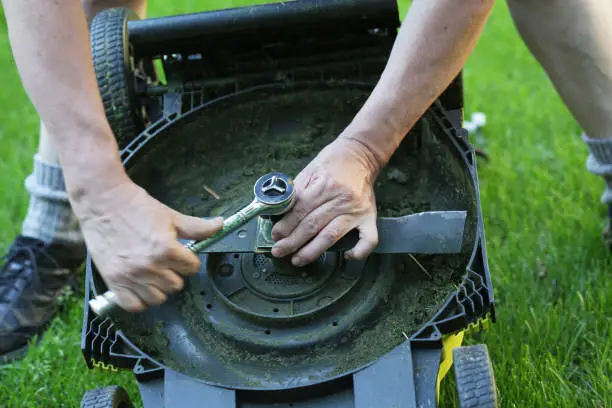
- Mower maintenance: Drain the fuel or add a fuel stabilizer, clean the deck, and sharpen the blade before storing your mower for winter. A sharp blade next spring means cleaner cuts and healthier grass from the first mow.
Frequently Asked Questions
What is the last month to cut grass?
In most of the northern United States, the last mow typically falls in October or early November.
In southern and transition zone states, it can extend into late November or even December.
The calendar date matters less than soil temperature — once it drops consistently below 50°F, plan your final cut.
Should the last cut of grass be short?
Slightly shorter than your regular season height, yes — but not dramatically so. For most cool-season grasses, aim for 2–2.5 inches. For warm-season grasses, 1–1.5 inches. Never scalp the lawn.
The goal is low enough to prevent matting under snow, but tall enough to protect the crown of the grass plant through winter.
Is it OK to mow in November?
Yes, in many regions November mowing is perfectly appropriate and may even be necessary for the final cut.
The key conditions are that air temperature is above 40°F, the grass is dry (not frosty or wet), and the grass is still showing at least some growth.
If all three conditions are met, mowing in November is fine.
What happens if I cut my grass too short before winter?
Cutting too short — below 1.5 inches for most grass types — removes the leaf blade that protects the crown of the plant.
An exposed crown is vulnerable to frost damage, desiccation, and temperature extremes.
This can lead to thin, patchy grass or outright crown death in severe cases. See our guide on how close to cut grass before winter for more detail.
Should I mow after the first frost?
Not on the same day as a frost. Once a frost has occurred, wait for the grass to fully thaw and dry out — usually by mid-morning — before mowing.
If temperatures remain below 40°F throughout the day, skip the mow entirely and wait for a milder day. Mowing frost-covered grass causes significant blade damage.
Can I mow wet grass in autumn?
It is best avoided. Wet grass clumps under the mower deck, produces uneven cuts, and leads to soil compaction.
It also leaves clippings in thick wet mats that can smother the grass beneath. Always wait for the lawn to dry before mowing, regardless of the season.
Also Read:
What Is the Best Height to Cut Grass Before Winter?
How Close to Cut Grass Before Winter?
How to Make Grass Grow Back After Winter
Will Grass Grow Back After Salt Damage?
Understanding Lawn Mowing
When to Add Lime to Your Lawn
What Can You Spray On Grass in The Spring?
How Do You Prepare Your Grass for Spring?
Related Posts: