Is October Too Late to Scarify?
Last Updated on December 2, 2025 by Duncan
As a responsible homeowner, you know that scarifying your lawn promotes its health by lowering decongestion caused by the accumulation of grass cuttings.
If you are wondering whether October is too late to scarify, the answer is yes. October is often considered the best month to scarify your lawn, although it is actually quite late.
Temperatures drop, and green growth slows down. Wet weather paired with cold typically results in vast sections of bare soil that recover slowly.
If your lawn has grown out of control in the fall and you are in desperate need of thatch removal, fall is a great time to rejuvenate it.
Scarifying or severe raking frequently exposes large sections of dirt. While this is a great seedbed for new grass seeds, it also allows weeds to grow.
You should scarify your lawn in either late August or early September. This way, you get to avoid all of the summer weeds and limit the likelihood that any seeds other than grass will germinate.
You should scarify your grass twice a year, but not when the earth is cold; it should be at least 10°C. Similarly, if the weather becomes too hot, you should consider postponing lawn scarification to keep the grass from drying out.
How to scarify a lawn
You can use a handheld or powered machine to scarify your lawn. Regardless of the tool you use, you should always follow the proper scarification process. To help you out, here is how to go about it:
The First Pass
Using a powered machine
If you’re using a powered machine, put it to the highest level, then move and start scarifying. Use the equipment like you would a lawnmower. Go up until you are done with the entire area that you are scarifying.
Using a handheld tool.
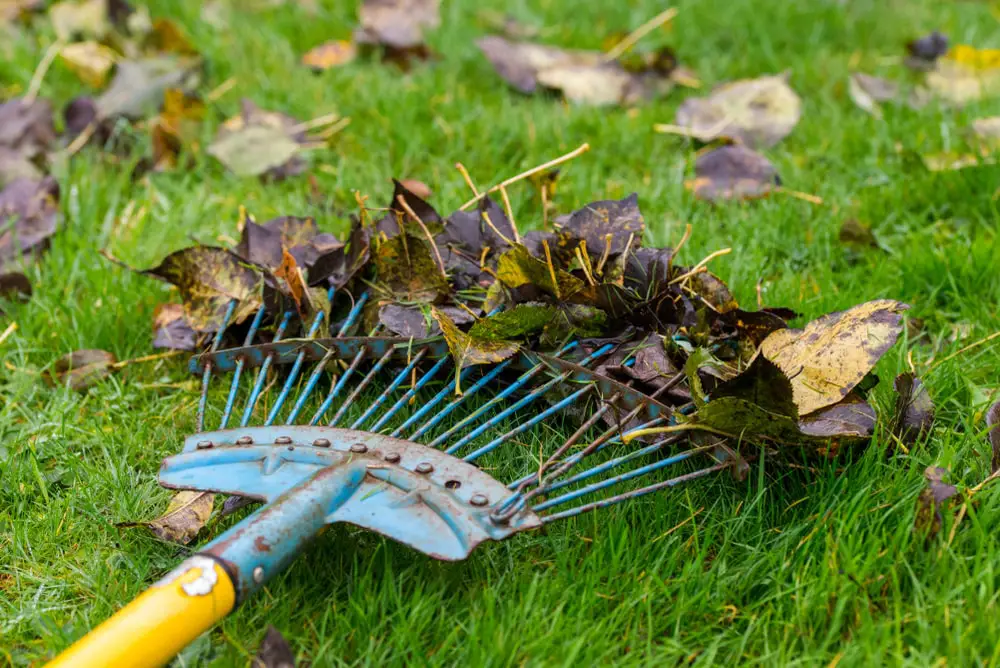
If you’re using a handheld tool like a rake or scarifier, go up and down the lawn, gradually ripping up the thatch.
After you’ve finished, use a rake or a garden vacuum to collect all the debris into one area.
The Second Pass
Using a powered machine
Depending on how much thatch you eliminated on the first pass, you may want to lower the scarifier setting. This time, move at a 45-degree angle from the first pass. Because deeper moss and thatch will be looser after the first pass, they will fall off easier on the second pass.
Using a handheld tool.
For those who use rakes and hand scarifiers, make a second pass that is slightly deeper. And, like with the powered machine, travel at a 45-degree angle from your first pass.
Remove any remaining debris, and your grass is ready to go.
When scarifying the lawn in the spring, passing it twice is sufficient. However, if you’re doing it in the fall and a lot of thatch and moss has accumulated, you may need to move over your grass with the scarifier up to four times.
When you’re finished scarifying, your lawn may appear less appealing at first, but your efforts will be rewarded with lusher, more beautiful grass. After scarifying your grass, use sand, fine compost, and fertiliser; overseeding is only necessary if there are large bare patches.
When shouldn’t you scarify your lawn?
Scarifying your lawn at the wrong time of year can make or shatter all of your efforts to create a beautiful yard. And if you apply it in the offseason, your grass may not recover at all, or you may experience additional difficulties.
So, if you want your lawn care efforts to be successful, you must not only be prepared with the pre-treatment and the procedure itself, but also know when to have it done and when to avoid certain times of year.
October is often considered the optimum month to scarify your grass, but as mentioned, it is actually quite late. Temperatures drop, and green growth slows down. Wet weather paired with cold typically results in vast sections of bare soil that recover slowly.
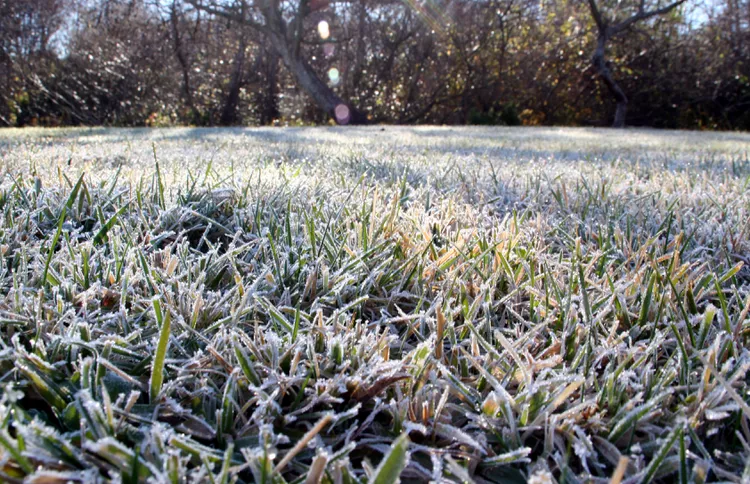
You should avoid winter scarification at all costs. The months of November through February are pretty cold, and raking your lawn during these times may result in complete grass death.
At this time, the grass stops growing and becomes dormant. Exposing your soil to extreme weather may create frost heave and moss infestation. And you don’t want this, do you?
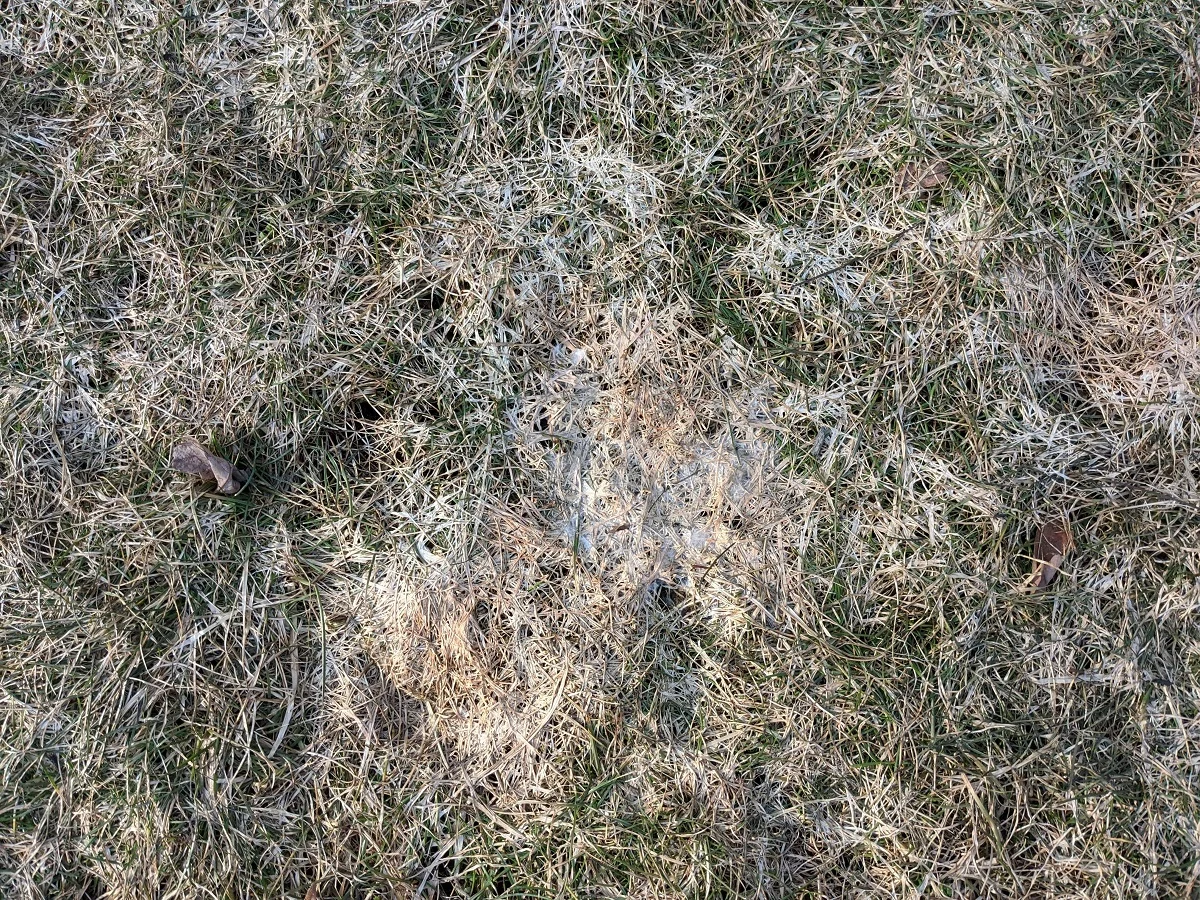
Summer scarification, June, July, and August are always quite hot and dry. Drought hinders grass regeneration, and any invasive treatment, such as raking and aerating the lawn, will just expose it to the heat. Your grass will look bad, will be too dry to save, and there will be little prospect of salvaging it.
Best practices when scarifying your lawn
Aside from using weed killer in late March, there are several other tips and tactics that you can use to your advantage.
Weeding or weed killer application: It is wise to do this a week before your scheduled grass makeover. This prevents moss from infiltrating bare areas later.
Mowing: The best time to mow your lawn is about a week in advance. This will help to eliminate superfluous grass and reduce thatch spots, making it easier to scarify or rake later.
Watering: If possible, wait for a rainy day to avoid watering. If the weather is not cooperating, plan your watering session a few days before you are supposed to scarify.
The grass should have been adequately hydrated, but it should not be moist during scarifying. When the grass is wet, it is easy to pull out, so you may end up removing all of the grass rather than just the thatch.
Going the extra mile: If you’ve followed all of this fantastic advice and still feel like your grass is too sparse for comfort after scarifying, topdressing, and overseeding it. This will benefit weed control and help ensure thicker, greener, healthier grass.
Be patient: Now that you have completed all of the hard work, it’s time to relax. It is natural for your grass to look worse than before, creating uncertainty and concern.
If you follow all of the instructions for when and how to scarify your grass, the results will be well worth it. It will eventually come back, fuller and healthier than before, and your efforts will be rewarded.
Related Posts: