Why Is My Grass Dying in Winter?
Last Updated on April 23, 2026 by Duncan
Grass dies in winter for five main reasons: poor drainage and waterlogging, snow mold, toxic gas buildup under ice, rodent damage, and crown hydration freeze.
In many cases, what looks like dead grass is actually dormant grass — and the two require different solutiions.
5 Reasons Your Grass Is Dying in Winter
1. Poor Drainage and Waterlogging
Prolonged rainfall can saturate the soil beyond its water-holding capacity, flooding and suffocating grass roots. In extreme cases, the grass becomes fully submerged. If the waterlogging continues long enough, it can cause significant and permanent damage to the lawn.
2. Snow Mold
Snow mold is a cold-weather fungus that develops when large amounts of snow accumulate before temperatures have fully dropped. It appears as gray or pink patches on the lawn. The pink variety is more severe and can damage both grass shoots and roots.
As the lawn dries out, snow mold typically disappears on its own due to the drying effects of sunlight and airflow. Most grasses recover naturally over time, though severely diseased turf may die and require reseeding.
3. Toxic Gas Accumulation
When ice forms over turf, gas exchange between the grass and atmosphere is blocked — preventing the grass from respiring and causing toxic gases like carbon dioxide to accumulate. This oxygen deprivation, combined with toxic buildup, can kill turf — particularly when ice persists for months.
4. Small Rodents (Voles)
Voles and other small rodents tunnel under snow and chew through grass roots throughout winter. The damage shows up as distinct trails of dead grass once the snow melts — tracks that mark exactly where the grass has been eaten.
Removing dead grass and fallen leaves in the fall reduces the habitat that attracts rodents.
5. Crown Hydration Freeze
If a sudden freeze follows a warm spell, the turfgrass crowns can be killed outright. During warm weather, grass crowns absorb water. When temperatures suddenly plunge again, that water freezes inside the crown and kills it.
There are few reliable ways to prevent this. Homeowners in borderline climate zones who regularly experience crown freezes may benefit from switching to cool-season turfgrass varieties.
Is Your Grass Dead or Just Dormant?
Dormant grass and dead grass look nearly identical — but they require completely different responses.
Dormancy is a natural survival state where grass stops growing but remains alive. It resumes growth once temperatures rise and regular watering returns. Dead grass, by contrast, will not recover on its own.
The tug test is the simplest way to tell the difference: grab a patch of brown grass and pull. If it comes out easily with no resistance, the grass is dead. If it holds firm, it is likely dormant.
You can also wait and observe. If patches of the lawn remain brown and bare after the expected return of spring growth, winter has likely killed the grass in those areas. When in doubt, consult a lawn care professional — they can diagnose the condition and advise on recovery options.
How to Prevent Winter Grass Death
The best protection happens in fall, before cold weather arrives. Key steps include:
- Clean up the lawn — Remove leaves, logs, debris, and weeds. These trap moisture and shelter rodents.
- Mow a little shorter than usual before the first frost to increase sunlight exposure and reduce snow mold risk.
- Apply a winterizer fertilizer with higher phosphorus and potassium levels to replenish nutrients and strengthen roots before dormancy.
- Adjust irrigation — Reduce watering as temperatures fall to avoid overwatering waterlogged or saturated soil.
- Aerate in the growing season — Regular aeration prevents the soil compaction that contributes to winter kill.
How to Revive Grass After Winter Damage
Treat Snow Mold
Snow mold is self-limiting — no chemicals are needed. As the soil warms, the fungus dies naturally.
To speed up recovery, gently rake matted areas and break up any wet clumps to expose them to sunlight and air. If the damage is extensive (particularly from pink snow mold), overseed the affected areas.
Remove Debris and Dead Material
Rake out leaves, dead grass, and thatch to let sunlight reach the healthy grass underneath. Use a flexible leaf rake for lighter debris. If the thatch layer is thicker than half an inch, raking alone is not enough — you will need to dethatch the lawn. Weeds pulled at this stage come out easily since the soil is still soft.
Fix Rodent Damage
Vole damage is straightforward to repair:
- Rake the ruts to remove dead grass, thatch, and droppings.
- Fill any burrow holes with soil.
- Spread topsoil to level the surface.
- Overseed thinned or bare areas.
To deter future vole damage, eliminate their hiding spots — leaf piles, wood piles, and thick thatch — and apply capsaicin-based repellents.
Treat Salt Damage
Frozen roads can deposit up to 2 pounds of salt per square foot over a winter (University of Toledo), with salt inevitably leaching into adjacent lawn areas. The most effective fix is leaching with gypsum:
- Water the lawn thoroughly using a light rain-shower pattern.
- Apply gypsum at the recommended rate (typically 20–40 pounds per 1,000 square feet).
- Water deeply again to flush the gypsum and salt away from the grass roots.
- Overseed once the treatment is complete, as salt-damaged soil will need new growth.
Overseed Bare Areas
For patches where grass has died:
- Rough up the top few inches of soil with a rake or garden fork.
- Spread a thin layer of garden soil or compost, leveling any low areas.
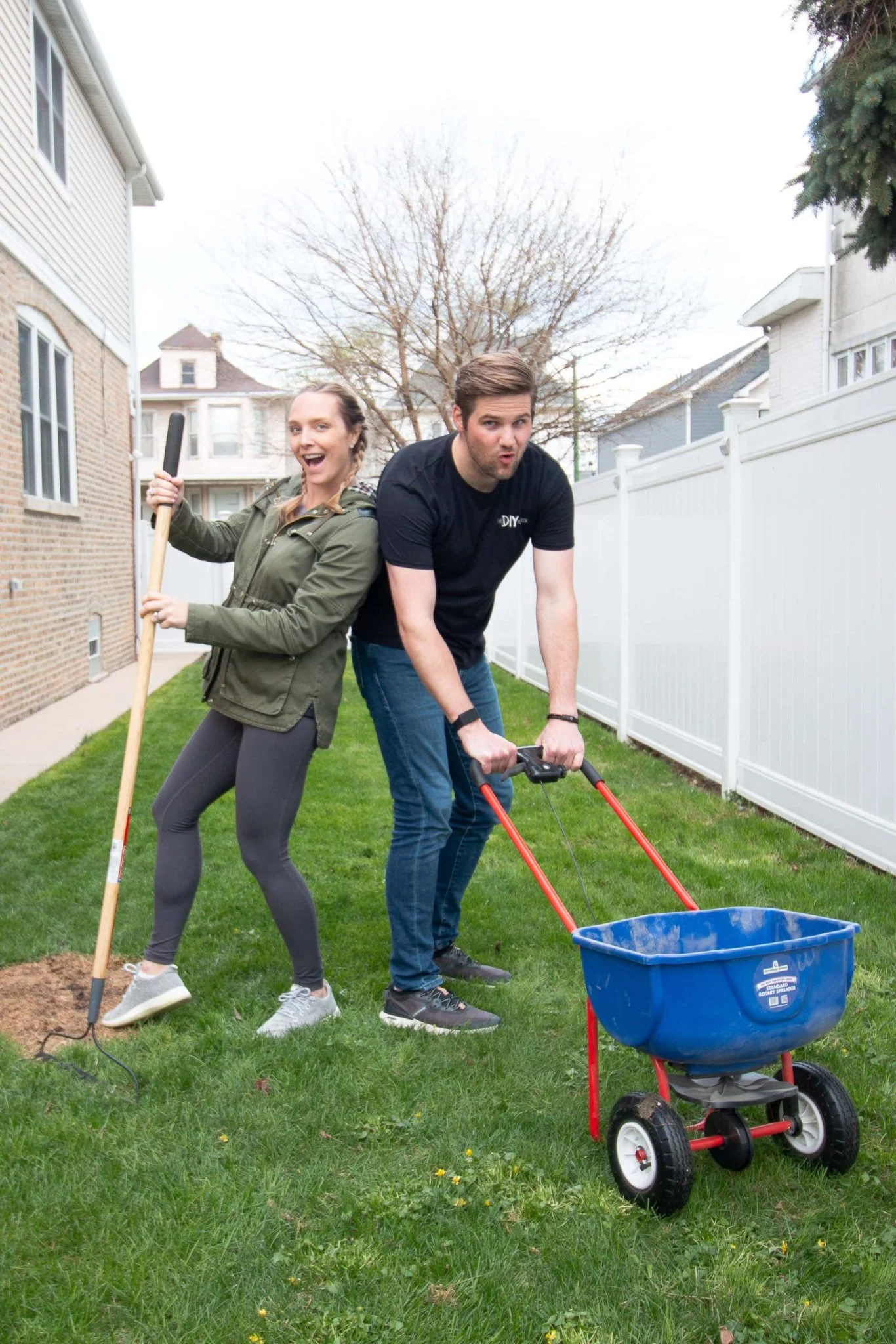
- Spread seed — use a handheld spreader for small patches, a drop spreader for larger areas.
- Rake lightly to ensure good seed-to-soil contact.
For larger bare patches, sod is faster and easier than seeding. Lightly tamp it down so the roots make contact with the soil beneath.
How Long Until You See Results?
| Timeline | What to Expect |
|---|---|
| 1–4 weeks | New grass begins to appear (varies by grass type and weather) |
| 2 months | Patches fill in well, though new growth may look slightly different in color and texture |
| 3–4 months | Consistent coverage and a uniform-looking lawn |
If you see little to no growth after a month, or if the winter damage was severe, contact a lawn care professional for an assessment before the outdoor season is fully underway.
Quick-Reference Summary
| Cause | What to Look For | How to Fix It |
|---|---|---|
| Waterlogging | Saturated, flooded areas | Improve drainage; avoid overwatering |
| Snow mold | Gray or pink patches after snow melts | Rake matted areas; overseed if severe |
| Ice/gas suffocation | Large dead areas under former ice sheets | Break up ice layers; improve airflow |
| Vole damage | Trails of dead grass across the lawn | Rake, fill holes, overseed, use repellents |
| Crown hydration freeze | Dead patches after a warm-then-freeze event | Switch to cool-season grass in prone zones |
Related Posts: