When Should the Final Cut of Grass Be?
Last Updated on January 14, 2026 by Duncan
As the weather cools, plants and grass reduce their growth cycles. In cooler temperatures, the type of grass you have and where you reside will influence its development.
The climate or region you live in greatly influences when to stop mowing.
Many of the lawn grasses grow based on soil temperature rather than air temperature. If the temperature remains warmer for longer, the grass continues to grow and may need some maintenance.
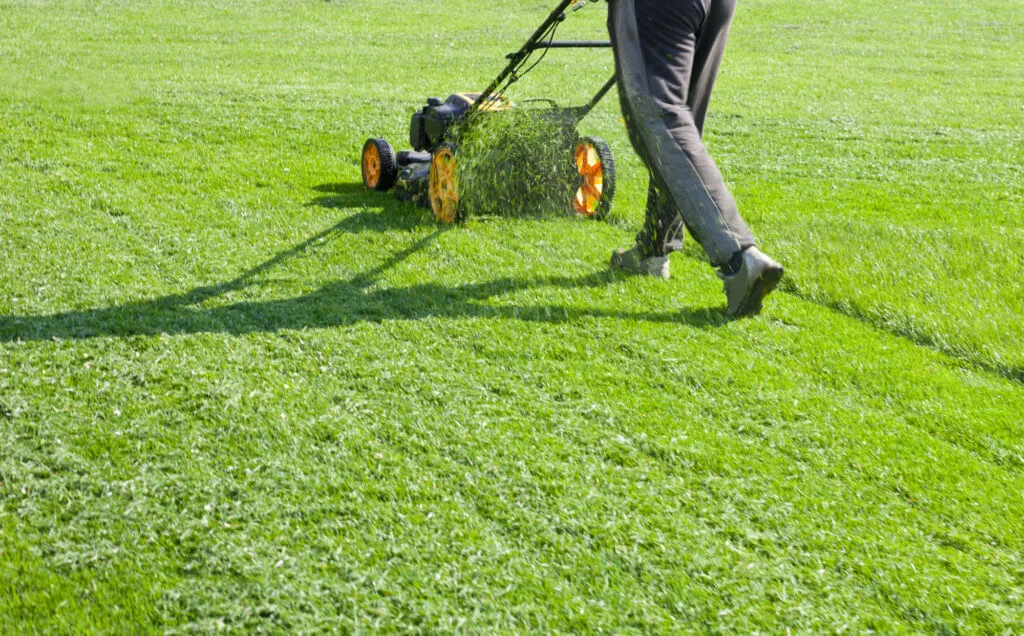
Typically, the last cut or mow of the season occurs before temperatures drop and it becomes too cold to mow.
What you should know when making the last cut
When preparing for the season’s final cut, the grass type on your lawn will determine the height at which you trim. Mowing below the recommended height can scalp the grass, causing severe damage and stress.
The final cut must strike a balance between cutting it too short and leaving it too long. It is not wise to let the grass grow taller than the recommended height because it can shade itself and become thin and brown underneath.
The easiest way to ensure you cut the grass to the correct height is to identify the grass species and set the mower to the specified mowing height.
How do you know you are approaching the last mow?
There are several indications that you can use to tell it’s time for the final mow before winter. These indications include:
The soil temperature.
Checking the soil temperature in your area is a practical way to tell when the last cut is nearing. For cool-season grasses, growth generally ceases when soil temperatures drop below 40°F (4°C).
Cooler temperatures.
The weather is a reliable indicator that the season is changing. Grass growth typically slows significantly as temperatures drop.
When temperatures drop, cool-season grasses experience this phenomenon. If you notice that your grass is no longer growing rapidly, it may be time for a final mow.
Falling leaves.
As the weather cools, leaves begin to fall. A visual clue is the presence of many leaves on your lawn. It often signals that your lawn is entering its dormancy period.
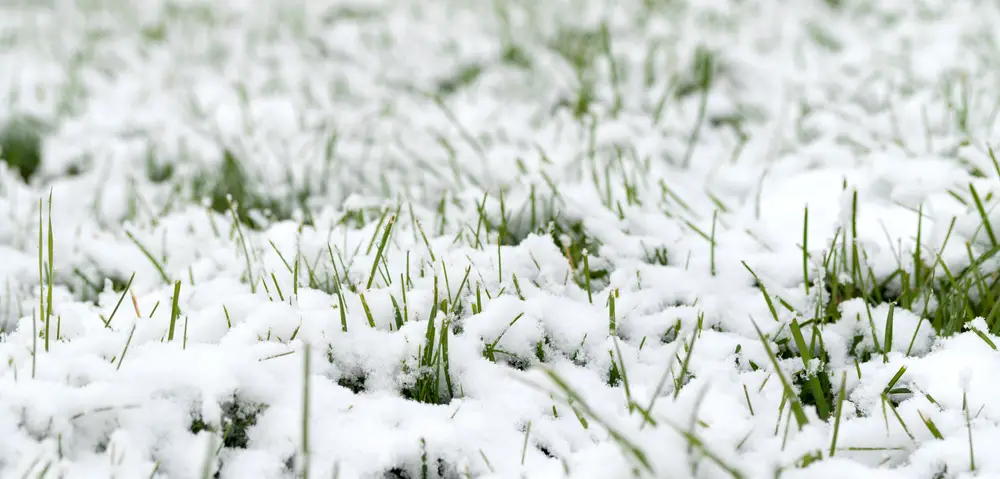
The first frost
The last cut should be completed before the first frost arrives. Weather patterns are changing, so you may not be able to rely on your schedule.
Keep an eye on frost forecasts. To be on the safe side, you should mow at least one week before the first hard frost hits your area. This helps ensure that the grass is at an optimal height for winter resilience.
Best practices when making your final cut
Don’t mow in cold weather
When the weather becomes cold, most plants pause or stop growing until the temperature rises again. If it’s freezing outside, you’d probably rather be warm inside than start the lawnmower.
The lawn also prefers to be left alone. Mowing when temperatures drop below 40°F (4°C) can severely stress the grass.
At these temperatures, grass growth slows significantly, and its recovery from mowing is compromised. This can make grass more prone to diseases.
Grass blades become more fragile and brittle in the cold. Mowing under these conditions can result in torn or ripped blades, leaving an unsightly lawn and you don’t want this.
Don’t mow on wet or frozen grass.
Mowing when the lawn is cold or damp can harm the grass. Once the temperatures drop, leave the lawn alone.
Mowing on frozen or excessively wet soil can cause compaction, which restricts air, water, and nutrient movement to the roots.
This compaction stresses the grass and hinders its growth potential when it resumes in the spring.
Mowing under wet circumstances, whether from rain, dew, or frost, can result in uneven cuts that weaken the turf and make it more susceptible to disease.
As a general rule, mow the lawn only when it is dry. Temperature is also a crucial consideration before using the mower. Wait until temperatures are at least 40 degrees Fahrenheit before mowing.
Parting shot
The final mowing of the season should occur after a couple of heavy frosts, when the grass has completely ceased growing. Remember this basic rule: everything green indicates growth.
For the final mowing of the season, you should cut your grass to about 1 inch. It is critical to cut it shorter than usual before winter since overgrown grass bends and mats under the weight of snow.
When this occurs, it provides an ideal setting for snow mold, a turf disease that grows beneath the snowpack.
Keeping your lawn trimmed lower allows it to breathe during the winter and rebound back stronger in the spring. If snow mold develops and you trim your lawn correctly, the likelihood of damage is significantly reduced.
Mowing at the appropriate height is only part of the process. It is equally crucial to keep your lawn free of leaves, sticks, and other debris as the winter season approaches.
When leaves accumulate on the lawn, they suffocate the grass and prevent sunlight and air.
By spring, there are often dead or thin patches where leaves were left behind. To avoid this, make it a routine to clean your lawn once a week as leaves start to fall. This not only protects your lawn, but also keeps your land clean and healthy.
Related Posts: