When Should You Not Fertilize Your Lawn?
Last Updated on February 17, 2026 by Duncan
Timing is critical in grass care. Especially when it comes to lawn fertilization, you can do everything right, but if you fertilize at the wrong time, you risk causing more harm than good. If you have been wondering when you should not fertilize your lawn, there are plenty of times you shouldn’t.
To help you out, here are some of the situations when you shouldn’t fertilize your grass.
When you just planted new grass
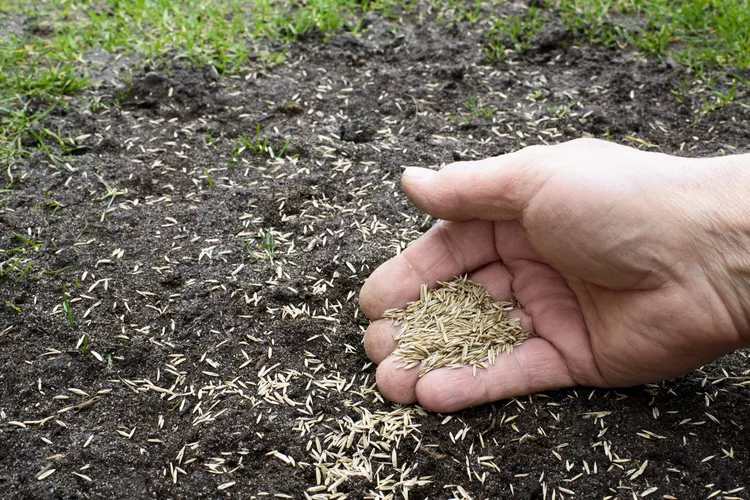
Will fertilizer damage your new grass? Yes. Premature fertilizer application may injure or destroy your fresh grass. Your grass is still developing its root system, and because fertilizer was applied early, the new growth will be delicate and susceptible to burning.
Note that this waiting period does not apply to the start of fertilizer. It is still necessary to use starter fertilizer when planting grass seed to promote germination.
Instead of applying fertilizer to new grass, you should do several other things. These things include:
- Wait 4-8 weeks after planting to add more grass seed.
- Wait about a month for new sod to establish its roots.
- After the waiting period, establish a consistent fertilizer program and stick to it.
In the middle of a summer day
Your grass is already strained when it gets hot in the summer, and the warmest part of the day is from midday to most of the afternoon. So, throughout the heat, you should avoid applying fertilizer at this time of day.
The salt in your fertilizer will deplete moisture, which your grass cannot afford to lose at this stressful time.
Because of the milder temperatures at this time, the morning is the best time to fertilize your grass.
At random times
You should not fertilize your lawn haphazardly. Your grass grows in a predictable pattern, which it will continue to follow year after year. As you fertilize your lawn, you must follow this plan and apply the correct fertilizer at the appropriate time.
For example, a cool-season lawn (grasses such as Kentucky bluegrass or tall fescue) grows most vigorously in the spring and fall, and the fertilizer you use should support these growth spurts.
When it comes to fertilizing your lawn, there are normally three stages to follow:
- Apply a winterizing fertilizer in the late fall. This fertilizer helps the lawn withstand the harsh winter weather. It also supplies nutrients that help it get off to a solid start the following spring.
- Applying a winterizing fertilizer in the fall eliminates the need to fertilize in the early spring.
- After this, you should fertilize again in late spring. This is a time when your cool-season grass is actively growing and needs to be fed. Fertilizing at this time can also help your lawn survive the difficult summer season.
As mentioned, cool-season grasses tend to grow strongly in the fall. As a result, you should fertilize a third time in late summer or early fall.
How to fertilize your lawn safely and effectively
Apply the right type of fertilizer
Homeowners frequently make the mistake of using the incorrect type of fertilizer. Many people choose all-in-one fertilizers because they are easy to use, but these solutions are not always the best fit for a lawn’s needs.
As a homeowner, you should recognize that big-box store all-in-one fertilizers are typically formulated to achieve a very high aesthetic, which research shows is significantly higher than most people’s expectations.
In other words, these chemicals are often designed to make lawns appear greener and denser than necessary, which can lead to excess growth, wasted fertilizer, and unnecessary nutrient runoff.
Instead of going for the first fertilizer you come across, have your soil tested by your local Extension office or a reputable laboratory before purchasing fertilizer.
You should then analyze the results to determine what nutrients your soil contains and what it lacks.
This way, you get to match your fertilizer to your demands by following the fertilizer number (NPK) ratio on the bag.
Water your lawn after fertilizing.
One of the most common questions homeowners ask is whether they should water their lawn after fertilizing. The answer is yes, and neglecting this step is one of the most critical mistakes you can make.
If you don’t water after fertilizer application, the fertilizer will sit on the grass blades and do nothing for your lawn. And you don’t want this.
To be useful, it must be incorporated into the soil. Furthermore, failing to water after fertilization increases the danger of fertilizer burn. Granular fertilizer resting on grass blades in the scorching heat can scorch your lawn in just hours.
When it comes to watering your lawn, follow these guidelines:
- For granular fertilizers: Apply 1/4 inch of water (15-20 minutes for most sprinklers) soon after application. This washes the fertilizer from the grass blades into the soil, activating it.
- For liquid fertilizer, wait 2-4 hours before watering. This allows the fertilizer to absorb through the grass blades. Always check the product label for particular timings.
Important: Do not overwater after fertilizing. This is because too much water washes nutrients away before grass roots can absorb them, potentially contaminating local groundwater. A single gentle watering session is sufficient.
Don’t over-fertilize
Can too much fertilizer damage grass? Absolutely. Too many nutrients at once can cause fertilizer burn, turf thinning, brown spots, and even dead lawns. It also heightens the risk of nutrient runoff.
You should note that too much fertilizer does not automatically improve aesthetics. Fertilizer encourages grass growth and improves aesthetics to some extent, but doubling the amount does not make the grass twice as green.
This means that, as a homeowner, you can reduce fertilizer applications while still achieving an aesthetic that meets your expectations.
To avoid over-fertilizing, calculate your lawn’s square footage and follow the application instructions.
- Get a soil test to determine exactly how much fertilizer your grass needs.
- Use no more than one pound of nitrogen per 1,000 square feet per application.
- Wait 6 to 8 weeks between applications.
Fertilize your lawn as often as possible.
How frequently should you fertilize your lawn? That is determined by the type of grass you have and the climate in your area. It is a mistake to think that all lawns require the same number of fertilizer applications every year.
Some warm-season grasses thrive from frequent light applications throughout the year, whereas cool-season grasses require fewer applications concentrated in the fall and spring.
Failing to fertilize your lawn regularly enough can deplete grass nutrients, but overfertilizing can scorch grass and increase the risk of nutrient runoff.
To be on the safe side, follow a fertilization program tailored to your grass type, region, and soil conditions. A soil test and a visit to your local Extension office will help you develop the optimum lawn care routine that you need.
Related Posts: