
What Type of Mower Is Best for Wet Grass Without Clogging?
Last Updated on June 7, 2026 by Duncan
Mowing wet grass is never ideal, but it is sometimes unavoidable particularly during extended rainy seasons, in regions with frequent overcast weather, or when a lawn has gone too long without a cut.
The right mower makes a significant difference in how safely and effectively the job gets done.
Moisture affects mower performance in several ways: it causes grass to clump, slows blade speed, clogs the deck, and puts extra strain on the engine.
Not every mower handles those conditions equally well.
This guide covers the three mower types best suited to wet grass, the features to look for when choosing one, best practices for mowing in damp conditions, and the most common reasons mowers struggle when grass is wet.
The 3 Best Types of Mower for Wet Grass
1. Battery-Powered Mowers
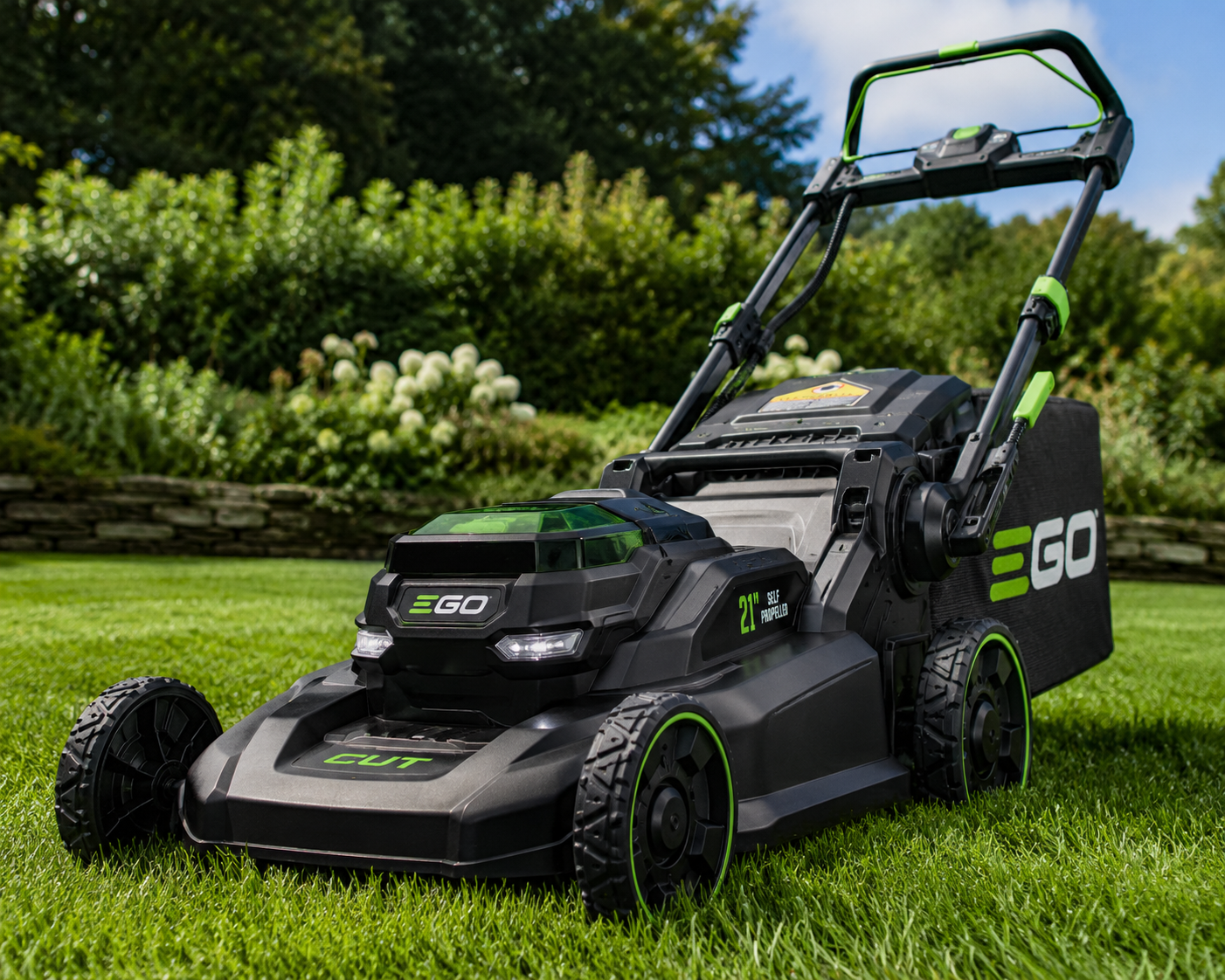
Best for: Environmentally conscious homeowners with small to medium yards who want quiet, emission-free operation.
Battery-powered mowers have improved dramatically in recent years and are now a practical option for wet-grass situations provided you choose a model with sufficient motor power and a well-sealed electrical system.
The key advantage of a quality battery mower in wet conditions is the brushless motor, which delivers higher torque on demand without the warm-up time or fuel management required by gas mowers.
A load-sensing motor found in more advanced models automatically increases power output when it detects resistance, which is exactly what happens when thick, damp grass puts extra load on the blade.
Top Pick: Greenworks 24V 13″ Brushless Cordless Lawn Mower
- Intelligent three-phase brushless motor that automatically ramps up power in demanding cutting conditions, extending battery life during normal mowing while delivering full output when wet or dense grass requires it
- Zero emissions which is important for enclosed yards or areas with air quality restrictions
- Personal pace auto-drive system that adjusts forward speed to match your walking pace, reducing the physical effort of pushing through heavy, wet grass
Limitation to note: Battery mowers are not suitable for very large lawns in wet conditions, as battery drain increases significantly when the motor is working harder.
Have a spare charged battery available if your lawn is over a quarter acre.
2. Robotic Mowers
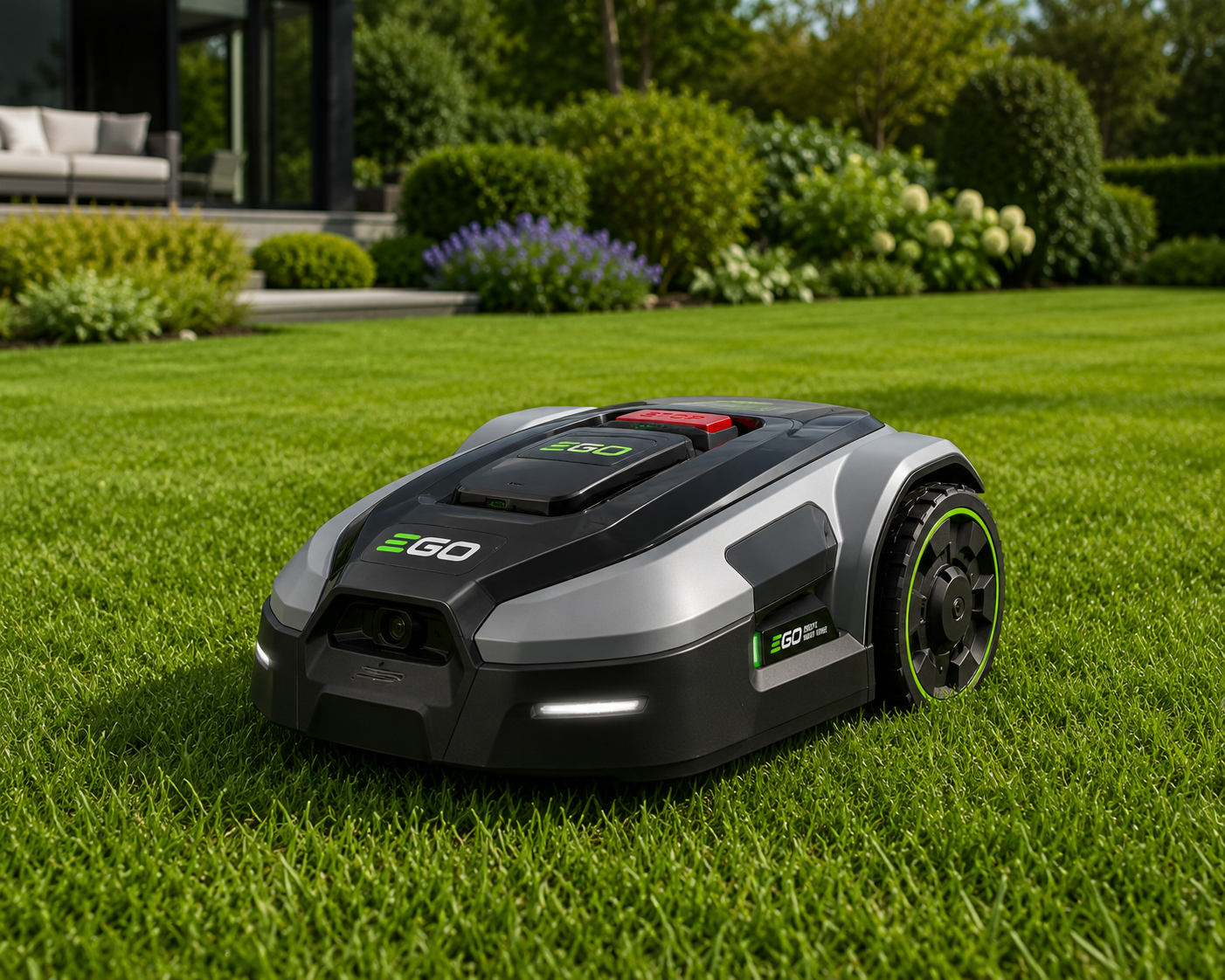
Best for: Hands-free maintenance and frequent light cutting across all weather conditions.
Robotic mowers are a genuinely strong option for lawns in persistently wet climates and this may be counterintuitive to homeowners who assume wet weather means the robot stays docked.
Many current-generation robotic mowers are specifically designed to operate in light rain and damp conditions.
Their weather-detection systems, high-torque motors, and mulching-only cutting approach combine to handle wet grass more reliably than many push mowers.
The reason robotic mowers cope well with damp grass comes down to frequency: because they cut little and often, typically removing only a few millimetres of growth per session, they never encounter the heavy, overgrown wet grass that causes conventional mowers to clump and clog.
Keeping the grass consistently short means each cut is light regardless of moisture.
Top Pick: Redkey MGC1000 Robot Lawn Mower
- Customizable rain sensor that can be set to pause mowing during active rainfall and resume automatically when conditions improve, or disabled entirely for lawns where light rain operation is acceptable
- Handles slopes of up to 35% incline, relevant in wet terrain where slopes become slippery and push mower safety is a concern
- Mulching-only cutting keeps clippings fine and dispersed, preventing the wet clumping that occurs with bagging or side-discharge mowers in damp conditions
Limitation to note: Robotic mowers are not the right choice when a lawn has been significantly overgrown.
If the grass is already long and wet, a robotic mower will struggle with the load. Use a conventional mower to bring the height down first, then set the robot to maintain it
3. Gas-Powered Self-Propelled Mowers
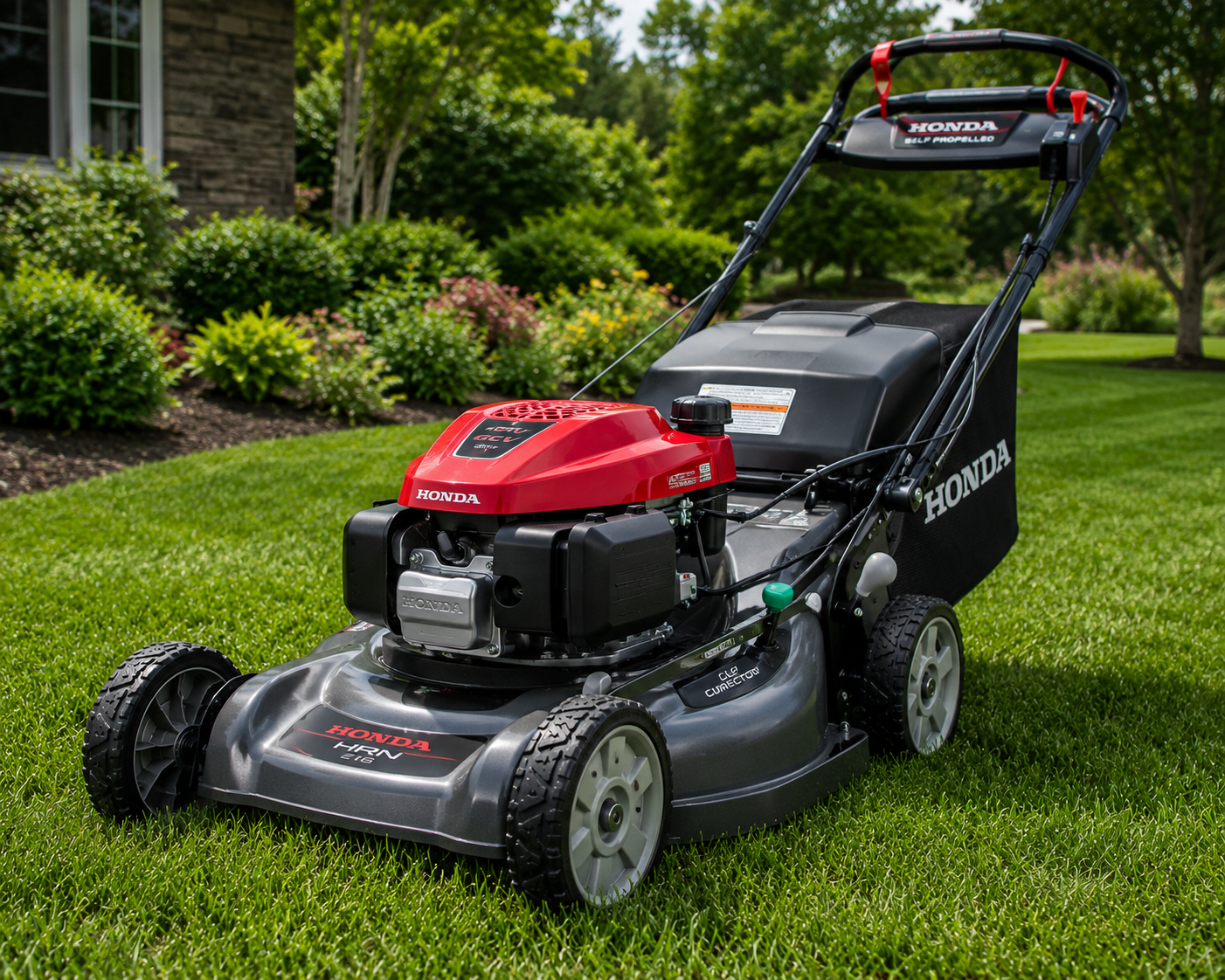
Best for: Large lawns, long or dense wet grass, and sloped terrain where consistent power output is essential.
Gas mowers remain the most powerful option for cutting wet grass in challenging conditions.
A petrol engine delivers constant torque regardless of battery charge level, and self-propulsion removes the physical effort of pushing a heavy mower through sodden, resistant grass.
For large areas or lawns that have grown significantly between cuts, a gas self-propelled mower is the most reliable choice.
Top Pick: Powerhorse 21in. 3-in-1 Self-Propelled Gas Lawn Mower
- Self-propelled drive system maintains steady forward speed through dense, waterlogged grass without requiring the operator to push, significantly reducing the risk of bogging down or stalling
- Variable cutting height settings with higher positions available, essential for managing the technique of starting high and stepping down gradually in wet conditions
- Increased torque output for thick, moist grass that would slow or stall lower-powered alternatives
- 3-in-1 functionality (bag, mulch, or side discharge) gives flexibility depending on how wet the clippings are
Limitation to note: Gas mowers require more maintenance than battery or robotic alternatives, and their heavier weight increases soil compaction risk on wet ground.
Stick to the highest available cutting height on saturated soil to minimize the mower’s footprint.
What Makes a Mower Good for Wet Grass?
Regardless of which mower type you choose, three features matter most when the grass is damp.
Self-Propulsion
Self-propulsion is the single most useful feature for wet-grass mowing.
Wet grass is significantly heavier and more resistant than dry grass, and pushing a mower manually through it is fatiguing, slow, and often results in uneven speed that produces an inconsistent cut.
A self-propelled mower maintains a steady pace through dense, soggy sections without slowing down or requiring the operator to push harder both of which reduce cut quality.
Sharp Blades
Blade sharpness is always important, but it is critical in wet conditions.
Dull blades tear grass rather than cutting it cleanly, and wet grass is particularly vulnerable to tearing because it is soft and pliable under the blade.
Torn grass creates ragged openings in the blade tissue that allow fungal pathogens to enter, increasing the risk of disease.
Extra-sharp blades reduce clumping, produce cleaner cuts, and lower the disease risk that wet mowing already introduces.
Sharpen blades before any session where wet-grass mowing is expected, and inspect them mid-session if clumping becomes noticeable.
Lightweight Construction
Heavier mowers compact wet soil more aggressively under their own weight. Compacted soil restricts root growth and drainage problems that a lawn in a wet climate does not need compounded.
Where possible, choose the lightest mower that still delivers adequate power for your lawn size.
For battery-powered and robotic options, weight is rarely an issue. For gas mowers, look at curb weight specifications when comparing models.
The Challenges of Mowing Wet Grass
Understanding why wet grass causes problems helps you make better decisions about when and how to mow. These are the six main challenges.
Uneven Cutting
Wet grass blades bend, cluster, and lie flat under their own weight and the weight of surface water.
A mower passing over flattened grass cuts some blades at a different height than others, leaving an uneven surface that becomes visible once the grass dries and stands upright again. The unevenness is often not apparent during mowing itself.
Clumping
When cut grass is wet, the clippings stick together and to the mower deck rather than dispersing evenly.
These wet clumps settle on the lawn surface, block light and airflow to the grass beneath them, retain moisture for extended periods, and create conditions in which fungal disease can develop.
Clumps left on the lawn during cool, overcast weather are particularly problematic because they do not dry out quickly.
Mower Damage
Wet clippings adhere to blades, the underside of the deck, and the discharge chute far more readily than dry ones.
This forces the engine and transmission to work harder, generates heat, and can cause premature wear on blade bearings and drive components.
Mowing wet grass routinely without cleaning the mower thoroughly after each session shortens its service life noticeably.
Grass Diseases
The combination of torn grass (from dull or overloaded blades) and moisture creates ideal entry points for fungal pathogens.
Dollar spot, red thread, and rust disease are all associated with damp mowing conditions. The risk is highest when wet clippings are left on the lawn and the weather remains overcast and humid afterward.
Soil Compaction
If the grass is wet, the soil beneath it almost certainly is too. Wet soil has significantly less structural resistance than dry soil and compresses more easily under the weight of a mower.
Compaction reduces pore space in the soil, restricting root development and drainage — the same drainage problems that led to wet mowing in the first place.
Slippery Conditions
Wet grass and wet slopes are a genuine safety hazard. A mower particularly a self-propelled gas model can slide sideways on a slope when traction is reduced by wet grass.
Always assess slopes carefully before mowing in wet conditions, and avoid mowing gradients steeper than the mower manufacturer recommends under any conditions.
Best Practices for Mowing Wet Grass
When waiting is not an option, these practices reduce the damage wet mowing causes to both the lawn and the mower.
Wait for the Best Available Conditions
If the grass is wet from overnight dew or light rain, wait until later in the day, midday at the earliest to allow surface moisture to evaporate.
After short, light showers, a 30-minute wait is usually sufficient.
After heavy or prolonged rain, the soil will be saturated and mowing is best postponed by at least a day, regardless of what the grass surface looks like.
Avoid mowing during the hottest part of a sunny day, even if conditions seem good — heat stress combined with the stress of mowing can weaken already-damp grass.
Start at a Higher Cutting Height
Set the deck higher than your target finished height and make a first pass at that elevated setting.
This removes the heavy upper portion of the wet grass without overloading the blade, reduces clumping, and puts less strain on the engine.
Once the first pass is complete and the heavier material has been cleared, lower the deck by one setting and make a second pass to reach the desired height.
This two-pass approach takes more time but produces a cleaner result and significantly reduces the risk of mower bog-down.
Mow Slowly
Speed is the most common mistake when mowing wet grass.
Moving at normal mowing pace gives the blade insufficient time to process the heavier, stickier material before the next section arrives, leading to clumping and uneven cuts.
A slower pace allows the blade to cut each section cleanly before advancing. It also gives you better control on surfaces where traction is reduced.
Make Overlapping Passes
A single pass over wet, flattened grass will miss blades that were bent away from the cutting line.
Making overlapping passes working across the same area in two perpendicular directions catches the growth missed on the first pass and produces a significantly more even result.
Bag Your Clippings
Mulching returns clippings to the lawn as organic matter, which is beneficial in dry conditions.
In wet conditions, damp clippings mulched back onto the lawn create thick, slow-drying mats that promote fungal disease and suffocate the grass beneath them.
Use the bagging attachment when mowing wet grass.
If your mower does not have a collection bag, rake and remove clippings immediately after mowing, do not leave them on the lawn surface.
Clean the Blades and Deck After Every Session
Wet grass builds up on blade surfaces and the underside of the mower deck faster than dry grass.
After mowing in damp conditions, disconnect the spark plug or remove the battery, tip the mower safely, and scrape or brush away all accumulated clippings from the blade, deck, and discharge chute before storage.
This prevents corrosion, maintains blade balance, and keeps the deck clear for the next use.
Why Your Mower Struggles With Wet Grass
If your current mower performs poorly in damp conditions, one of these five issues is usually responsible.
Dull blades: The most common cause. Blades that are sharp enough for dry grass may still tear rather than cut when presented with the extra weight and softness of wet grass.
Sharpen blades more frequently than the manufacturer’s standard recommendation if your lawn is in a high-rainfall area.
Grass clumping around the blade: Wet clippings stick to the blade and build up rapidly, reducing effective cutting diameter and increasing drag.
Stop and clear blade buildup at the first sign of the mower laboring, rather than pushing through it.
Reduced blade speed: The combination of heavier grass and sticky clippings resists blade rotation and slows blade tip speed. Lower blade speed produces a worse cut and accelerates engine wear.
Engage the blade at full throttle before entering the grass, and maintain full throttle throughout the cut.
Clogged deck and discharge chute: The discharge pathway clogs faster with wet grass than dry.
A blocked deck forces clippings back through the blade repeatedly, increasing drag, heat, and engine load. Inspect and clear the deck and chute frequently during wet-grass sessions.
Wrong mower type for the conditions: Underpowered mowers, including entry-level electric models without load-sensing motors simply do not have the torque to handle dense, wet grass consistently.
If your mower struggles routinely in damp conditions despite sharp blades and correct technique, the mower itself is likely undersized for the task.
Frequently Asked Questions
Should you completely avoid mowing wet grass?
Avoiding wet-grass mowing when possible is always the better choice, the cut quality is lower, disease risk is higher, and mower wear is accelerated.
However, if the lawn has grown significantly during a wet period and waiting longer would mean cutting too much at once, mowing with the right equipment and technique is preferable to letting growth get out of control. Use the practices described above to minimize the downsides.
Should you bag or mulch damp grass clippings?
Bag them.
Mulching returns wet clippings to the lawn surface as a mat that retains moisture, blocks light, and creates conditions favorable to fungal disease.
Bagging removes the clippings entirely, preventing those problems.
Only mulch wet clippings if they are very light and dispersed a fine mist of clippings rather than visible clumps, in which case the risk of matting is low.
Are robotic mowers worth using in wet climates?
Yes, for lawns that can be kept consistently mowed.
In persistently wet climates, robotic mowers are arguably more effective than conventional push mowers precisely because they cut frequently in small increments, preventing the heavy overgrowth that makes wet-grass mowing most difficult.
A lawn maintained by a robotic mower never accumulates enough growth to clump significantly, regardless of moisture.
The upfront investment is higher, but the reduction in manual mowing effort in wet conditions justifies the cost for most medium-sized lawns.
How long after rain should you wait before mowing?
For light rain or heavy morning dew, 30 minutes to a few hours is usually sufficient for surface moisture to evaporate from the grass blades.
For moderate rain, wait until the following morning at the earliest.
After heavy or prolonged rainfall, wait at least 24 hours and assess the soil firmness before mowing, if the soil feels spongy underfoot, the risk of compaction is too high regardless of what the grass surface looks like.
Related Posts: