When to Stop Mowing Your Lawn Before Winter
Last Updated on December 21, 2025 by Duncan
By late fall, your beautiful lawn appears to stop growing overnight, but with changing weather patterns, it’s never clear when to stop mowing. You should note that the ideal time for your yard’s last trim is determined by the type of grass that you are growing, rather than by the calendar.
As the fall season comes to a close, your grass will begin to convey subtle signals that it is about to become dormant. These are some of the most obvious signals that your grass is ready for the final mow of the season.
Wondering when you should stop mowing your lawn for the winter? Here are signs that it’s time to do it:
The grass is growing slowly and turning brown
The most evident sign that your lawn is ready for a final cut is that it begins to grow more slowly. This usually happens in late October to early November, especially in cooler conditions. While this is the case, you should note that some grasses in warmer climates never go dormant.
In some areas of the country, you will be mowing year-round. In others, look for slow growth and a change in color (browning areas) to indicate your lawn is ready for dormancy.
The lawn mower blades are above the recommended level
If your lawn’s development has halted and the blades are slightly beyond the ideal height, it’s probably time for the last mow. The recommended mowing lengths vary depending on the grass species in your lawn.
What you should do is to maintain the optimum mowing heights throughout the growing season and gently elevate the blade for the final cuts.
Allowing the height to rise 0.25 to 0.5 inches above the specified limit is okay as winter approaches and the grass plants stop growing. That slightly higher canopy throughout the colder months will prevent winter weeds from germinating.
When a whole week passes, and the grass hasn’t grown over this level, you’ll know it’s the last cut.
There are no leaves on the trees.
For cool-season grasses, rather than stopping your mowing plan after the grass has reached its appropriate height, you should keep it going a little longer to control leaves. At this point in the year, you want to keep mowing not so much to cut the grass, but to collect leaves.
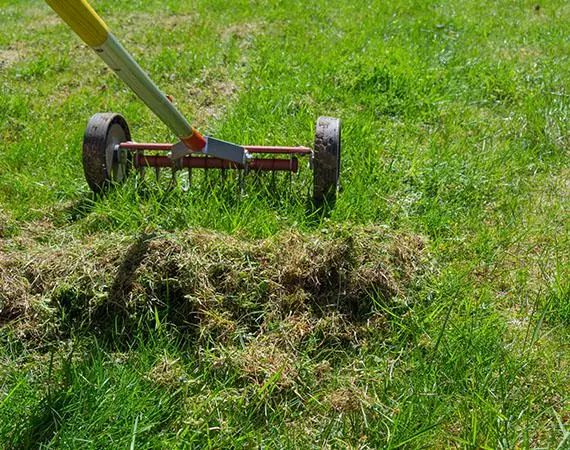
If you allow leaves to sit on the lawn all winter, they will mulch down your yard and create dead spots in the spring. And you don’t want this, do you?
The weather is consistently below 50 degrees Fahrenheit
If colder days make you dread your weekly mow, you won’t have to do it for long: prolonged cold indicates that your lawn is about to become dormant.
Seasonality plays a significant role in how and when you should mow your lawn, as different weather conditions have different effects on your lawn.
Grass begins to slow down its growth rate once the daytime temperatures consistently stay below 40 to 50°F. In most areas, the temperature window alone might indicate that it’s time to winterize your lawn mower and store it for later.
Best practices when mowing your lawn before winter
For you to get the ideal results when mowing your lawn before winter, there are several tips you should consider. These tips include:
Reduce the mowing frequency
Before the last mow, gradually reduce the frequency with which you cut the grass. As grass slows its growth, so does the need to mow. Changing your frequency not only helps the lawn, but it also saves you time and gas money.
As much as you should reduce the mowing frequency, you should avoid missing the final cut altogether. Your last mow should ensure that your lawn is neither too short nor too long.
Leaving grass too long will cause the grass to lie over and become matted. Remember that matted grass is more prone to winter disease, such as snow mold, compared to a lawn that’s been properly mown.
Don’t cut too much at a time.
When you’re ready for the final trim, take it slow if necessary. (Cutting too much at once can be more harmful than beneficial.) It’s essential to keep in mind that you never want to cut more than ⅓ of the grass blade off at a time.
This might cause stress on your lawn, resulting in yellowing or scalding damage. If you’re mowing tall grass, you may need more than one session to get it to the correct height.
Start with mulching, then bag the leaves.
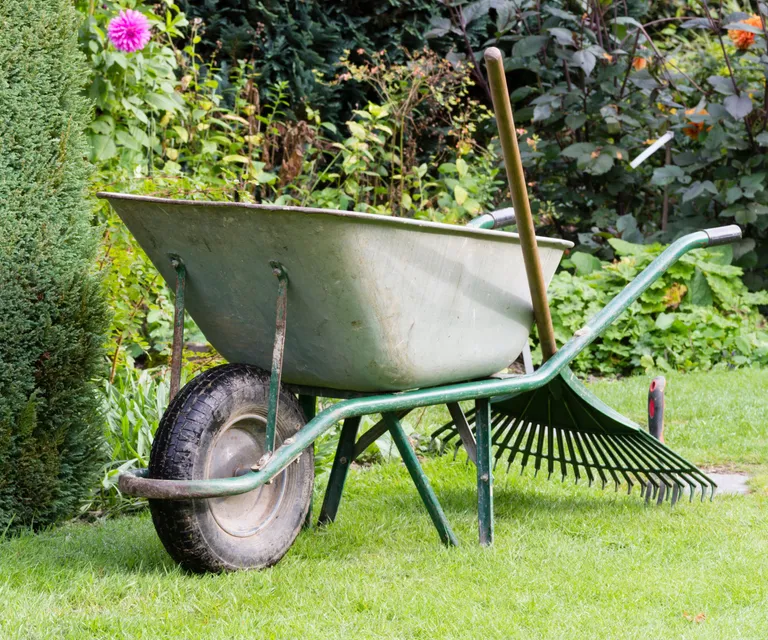
Have a plan for dealing with yard leaves, especially if there are a lot of them. Start by mulching leaves into the soil in the early to mid-fall. By November, biological activity is not able to break down the leaves, so you’ll want to bag them for the final few mows to make sure everything is off the lawn.
If a few leaves remain after your final pass, that’s acceptable; just make sure the layer isn’t too thick to trap moisture or smother the grass.
Apply a winterizer
When the sun begins to set about 5 p.m., you’re nearly finished with your seasonal lawn care, with only an optional short feed after your last mow remaining. A winterizer is a late fall application designed to sit on the lawn and work itself into the soil over the freeze/thaw cycles during the winter.
It helps your lawn get a jumpstart in the spring and thicken up quickly to crowd out weeds. This type of application is often submitted around Thanksgiving.
FAQs
What grass height should you mow your lawn to before winter?
One of the most important aspects of maintaining good grass is to mow it on a regular basis. The recommended mowing height varies according to the grass species in your lawn.
Depending on the type of grass, the normal winter grass height should be around 2 inches. Due to the harsh winter temperatures, grass that is too short may go into shock, while grass that is left too long may be more prone to developing snow mold. And you don’t want this.
When is it too late in the season or too cold to cut the grass?
As you pull your winter jackets to the front of your closet and the temps begin to drop, check your local weather forecast for the first frost. Once you know when the first frost is expected, you can plan to mow the lawn several times before then.
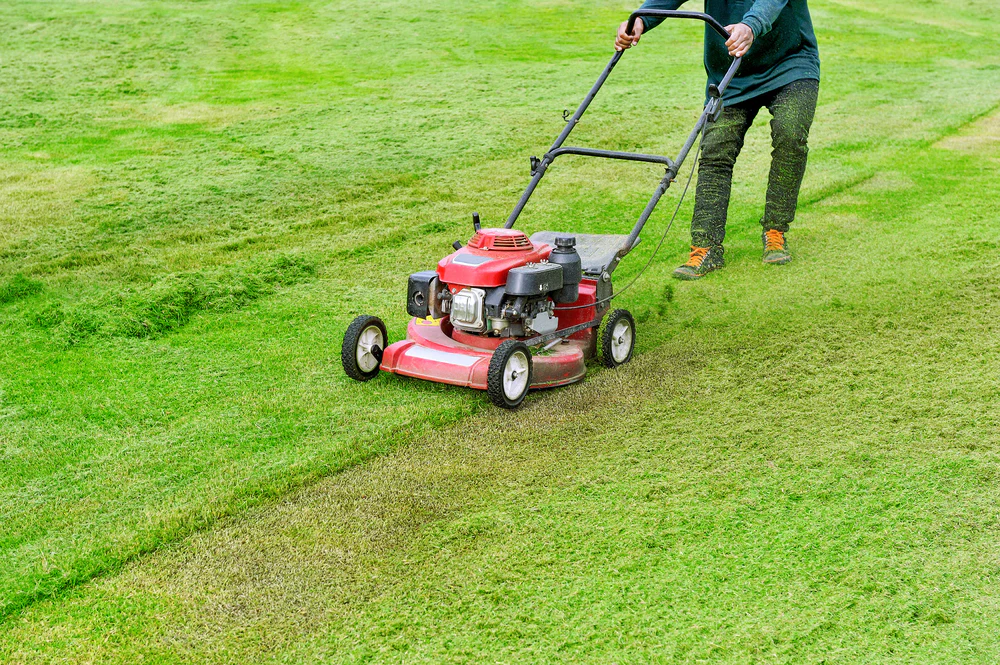
This is the best time to mow the grass before winter. Mow the grass carefully, lowering the blade height slightly each time, until it reaches roughly 2 inches. It’s critical to get in one more mow of the season before putting your mower away for the winter.
Can you mow after frost?
Have you heard that you shouldn’t tread on frozen grass? The same rules apply when mowing after a frost. A frost freezes the liquid inside the grass blades; therefore, any movement on the lawn after a frost might break the grass blades and cause harm to the lawn.
If you must mow your lawn after a frost, make sure there is no excess moisture from snow or ice, and do not mow when the temperature is below 40 degrees Fahrenheit.
Can you damage your lawn by mowing it too late in the season?
The various grass species display varied symptoms of injury. During the winter, continuous nights of frost can cause noticeable damage to the grass. Because frost freezes the grass blades, it is not recommended to mow the grass while it is chilly.
To properly mow your lawn, choose a warm day with enough sun to melt the frost, ensure it is dry, and cut only ⅓ inch of grass.
Related Posts: