
9 Herb Combos That Should Never Be Planted Together (And What Happens If You Do)
Last Updated on June 22, 2026 by Duncan
I once planted mint next to my basil because a cute graphic told me they’d be garden best friends.
Eight weeks later, the mint had taken over the bed, strangled my basil’s roots, and basically eaten my will to garden for the season.
That’s the thing about herb pairing advice online.
A lot of it sounds nice but nobody tells you what actually happens in your dirt, in real life, when things go wrong.
So let’s fix that. Here are the herb combos that look harmless but quietly sabotage your garden, plus the real reason why.
Mint, Lemon Balm, and Oregano
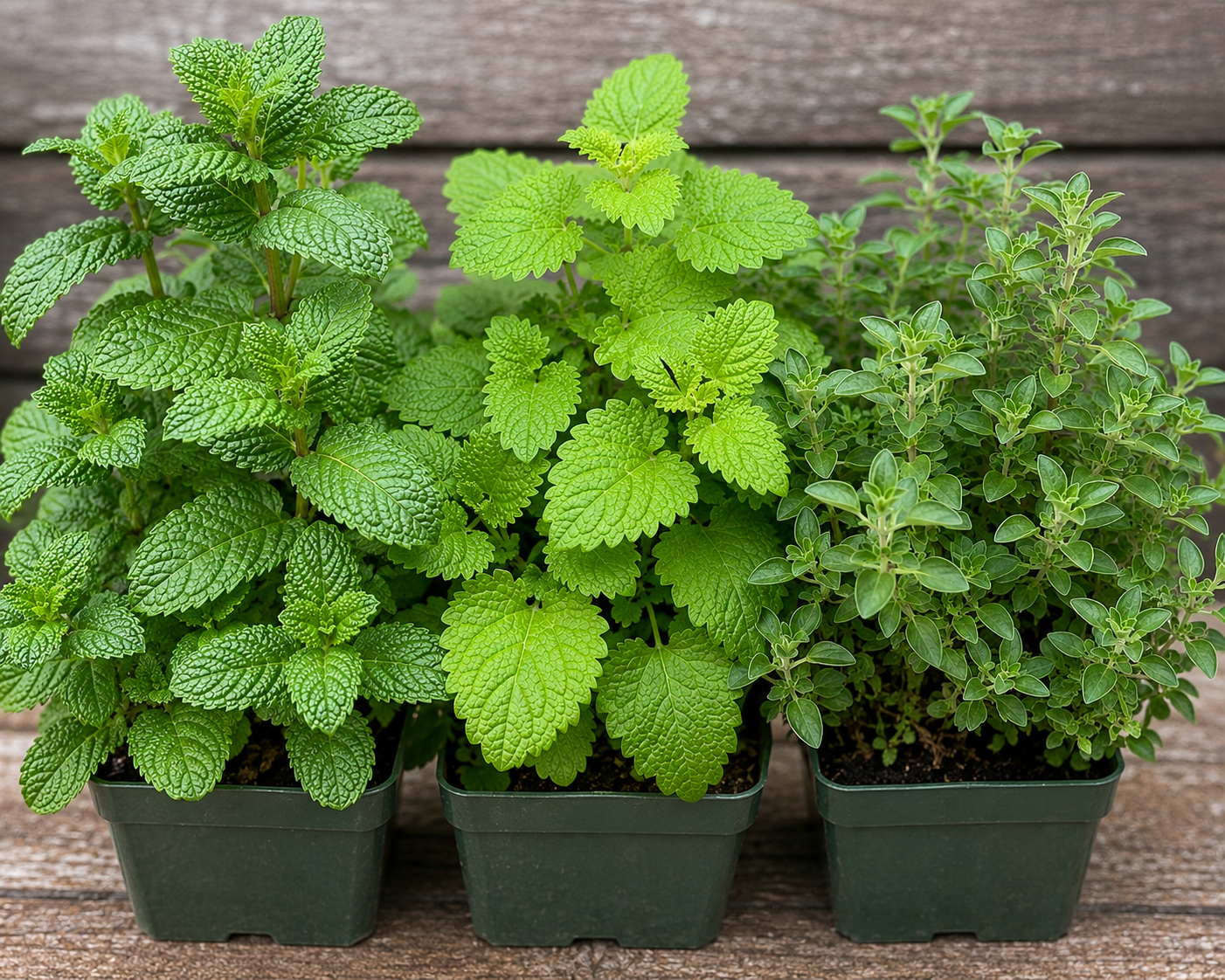
These three are the roommates who “just need a little space” and then slowly move all their stuff into every room in your house.
Mint, lemon balm, and oregano spread through rhizomes. They don’t ask permission. They just go.
Plant any of these near a delicate herb like thyme or parsley and within a season, the spreader has muscled in on all the root space and sunlight.
Your other herb just quietly gives up.
The fix is simple. Keep these three in pots, always.
Fennel
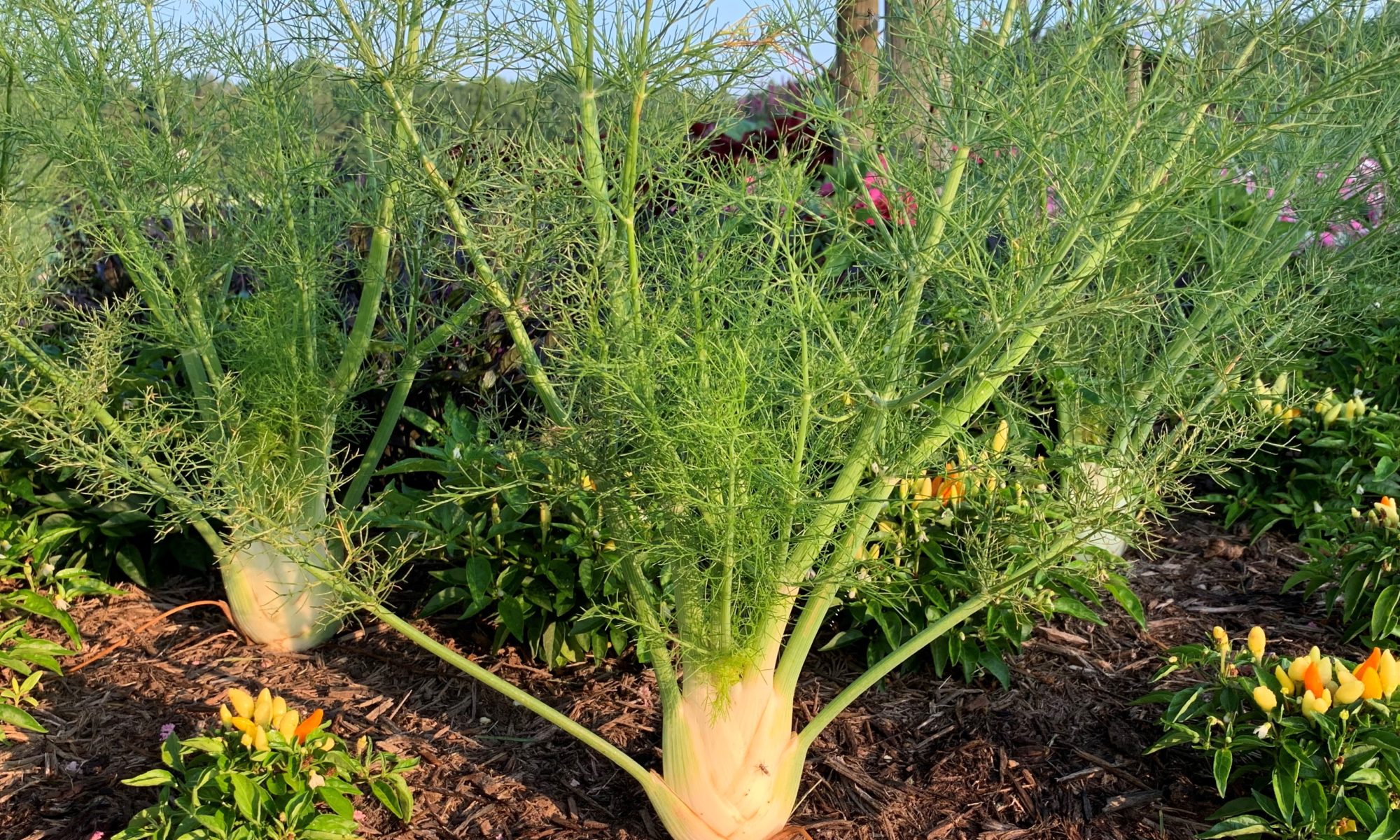
Fennel does not play well with others, period.
It releases chemicals through its roots that slow down or stop the growth of nearby plants.
This isn’t a maybe.
Fennel is one of the few herbs that is almost universally a bad neighbor to basically everything you’d want to grow near it.
If you love fennel, give it its own corner, far away from the rest of your herb bed.
Think of it as the friend who’s great one on one but exhausting in a group setting.
Rue Paired With Basil or Sage
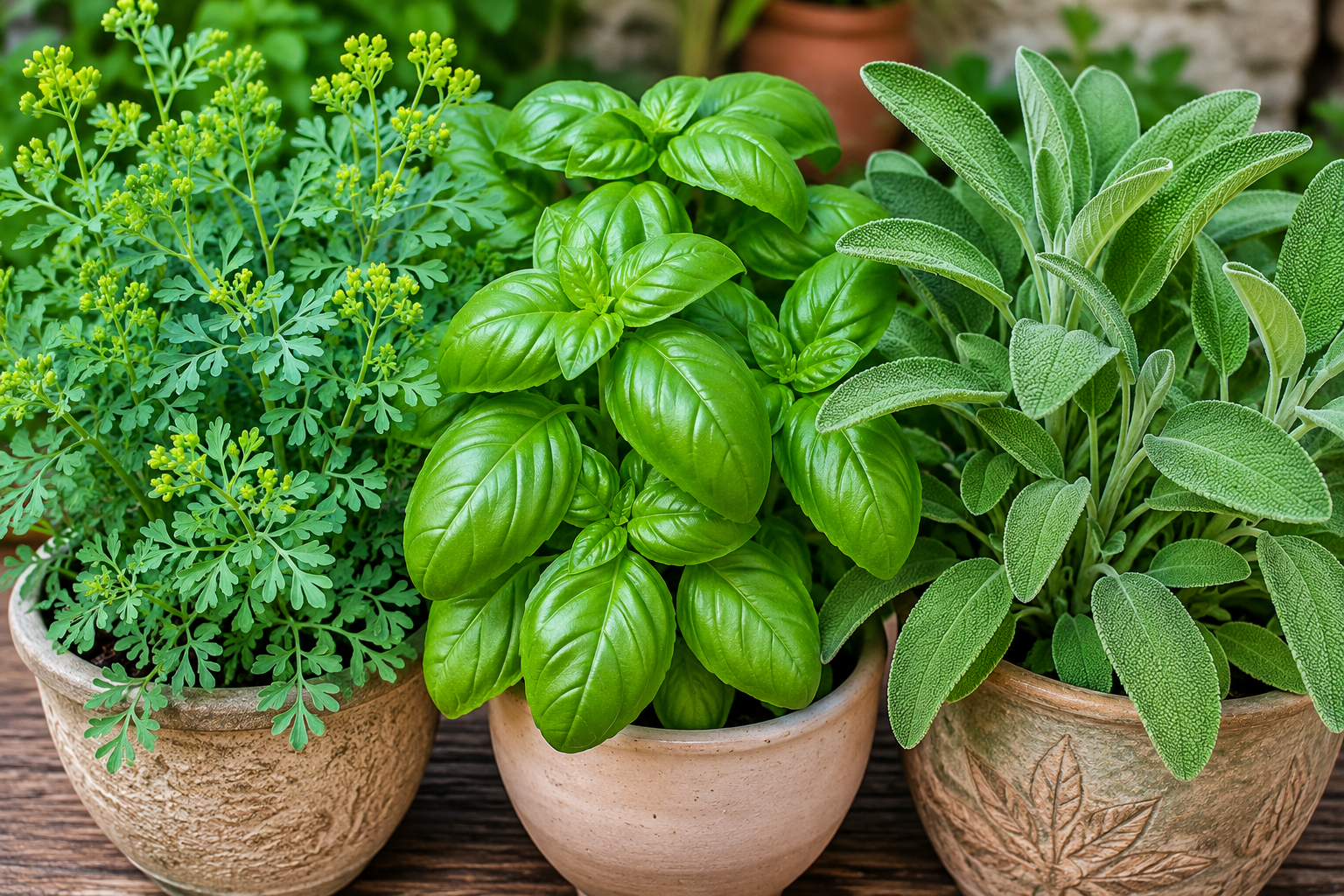
Rue is a beautiful, almost otherworldly looking herb. It is also weirdly toxic to basil and sage when planted nearby.
Something in rue’s chemistry stunts the growth of both.
You’ll plant a healthy basil seedling next to rue and watch it just sit there, sulking, refusing to grow.
If rue is on your wish list, plant it somewhere completely separate from your cooking herbs.
It’s gorgeous in an ornamental bed where it doesn’t have to share space with anything sensitive.
The Thirsty Camp vs. The Desert Camp
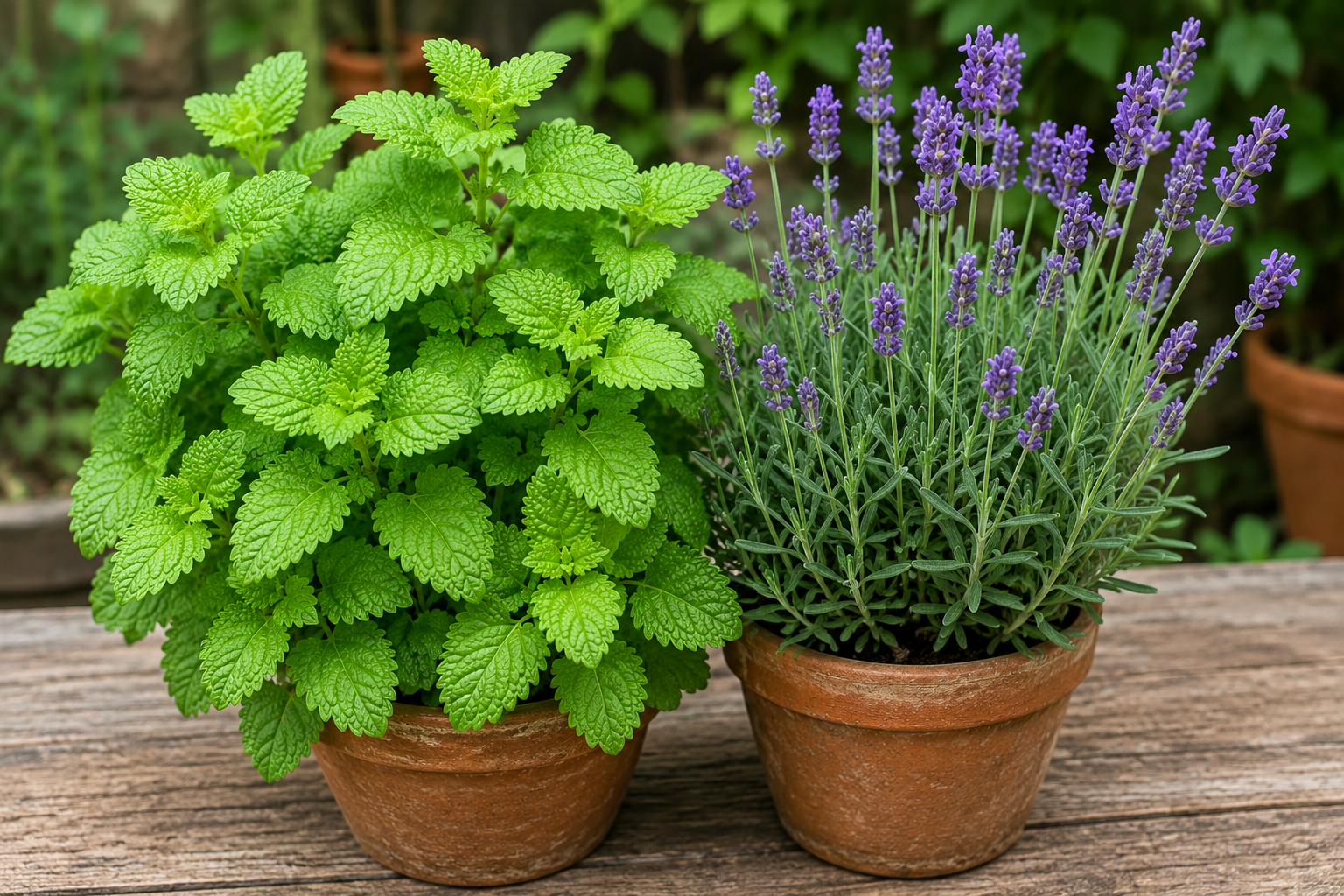
This one trips up so many people because it’s not about chemistry at all. It’s about water.
Rosemary, thyme, lavender, and sage are desert herbs at heart. They actually prefer to dry out between waterings and will rot if the soil stays damp.
Basil, parsley, cilantro, and lemon balm are the opposite. They want consistent moisture and will wilt and sulk if they dry out even a little.
Plant these two camps together and you’re stuck choosing who to disappoint every time you water. Someone always loses.
Group your desert herbs together and your thirsty herbs together, and suddenly watering day stops feeling like a hostage negotiation.
Dill, Fennel, Cilantro, Caraway, and Anise
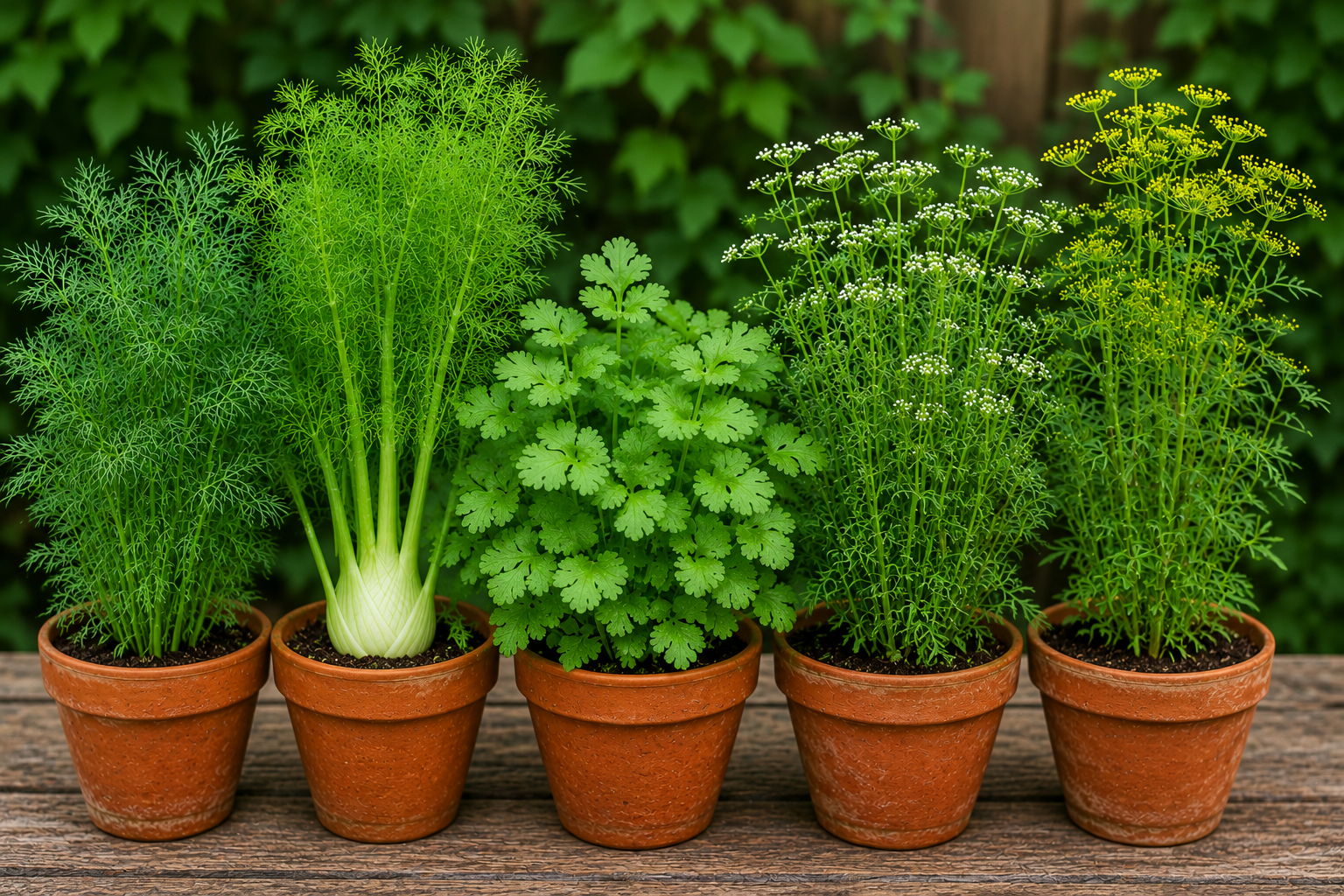
Here’s a fun one nobody warns you about. These five herbs are all secretly related, like distant cousins at a family reunion who probably shouldn’t sit next to each other.
If you let more than one of them flower at the same time, bees will cross pollinate them.
You won’t notice this season.
You’ll notice next year when the seeds you saved grow into weird, bitter, off tasting versions of the herb you thought you planted.
This is the silent killer of home seed saving.
Nobody talks about it because the damage shows up a full year later, which makes it almost impossible to trace back.
If you want to save seeds from any of these, only let one of them flower at a time.
Snip the flower buds off the others before bees get involved.
Tarragon and Wormwood
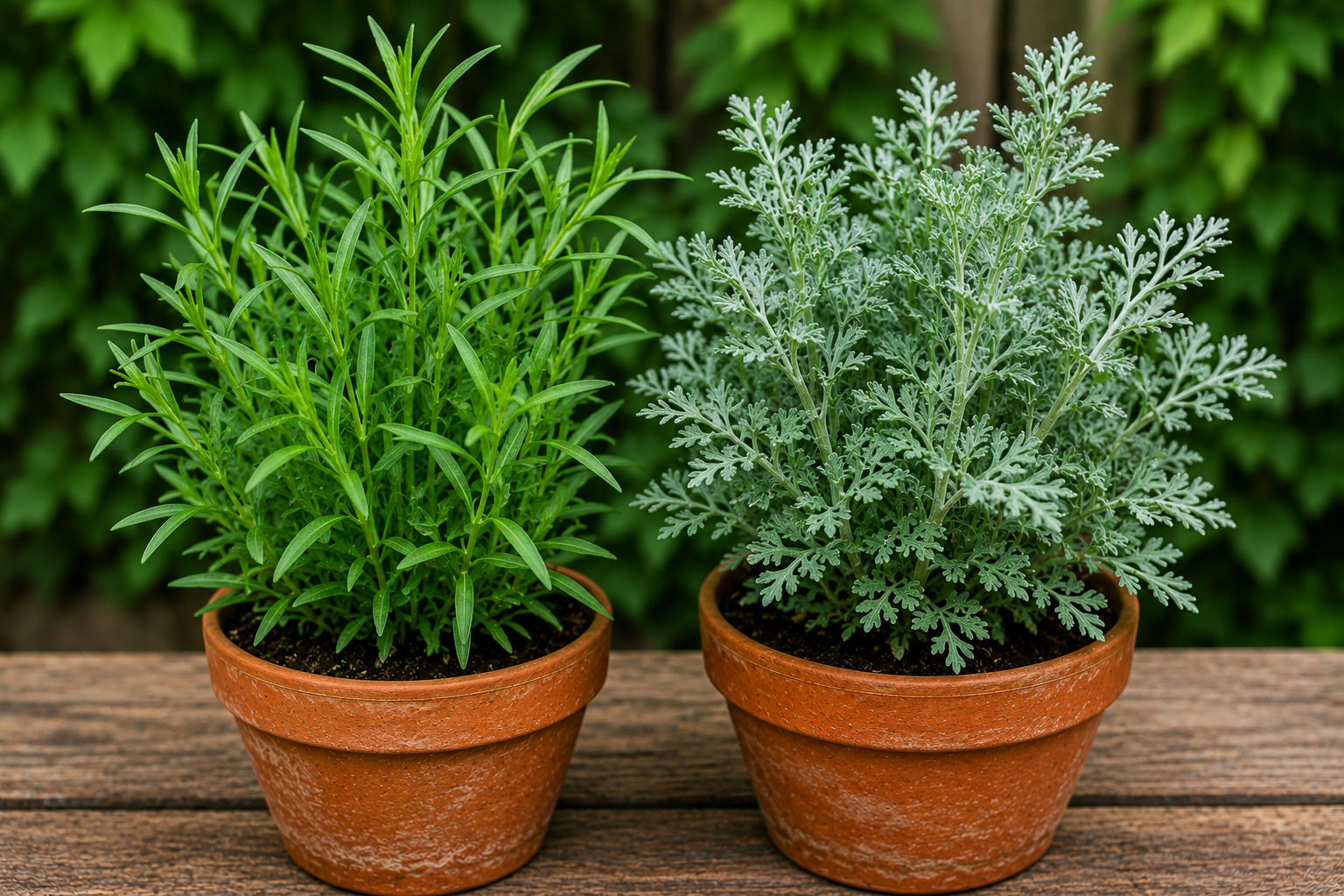
These two are cousins of fennel in spirit if not in family. Both release root chemicals that quietly suppress whatever is growing nearby.
The frustrating part is the damage is slow and subtle.
Your other herbs don’t die dramatically, they just never quite thrive, and you spend weeks blaming your soil or your watering schedule instead of the actual culprit sitting two feet away.
If something in your herb bed is mysteriously underperforming, check what’s planted near your tarragon or wormwood before you blame anything else.
Lovage and Angelica
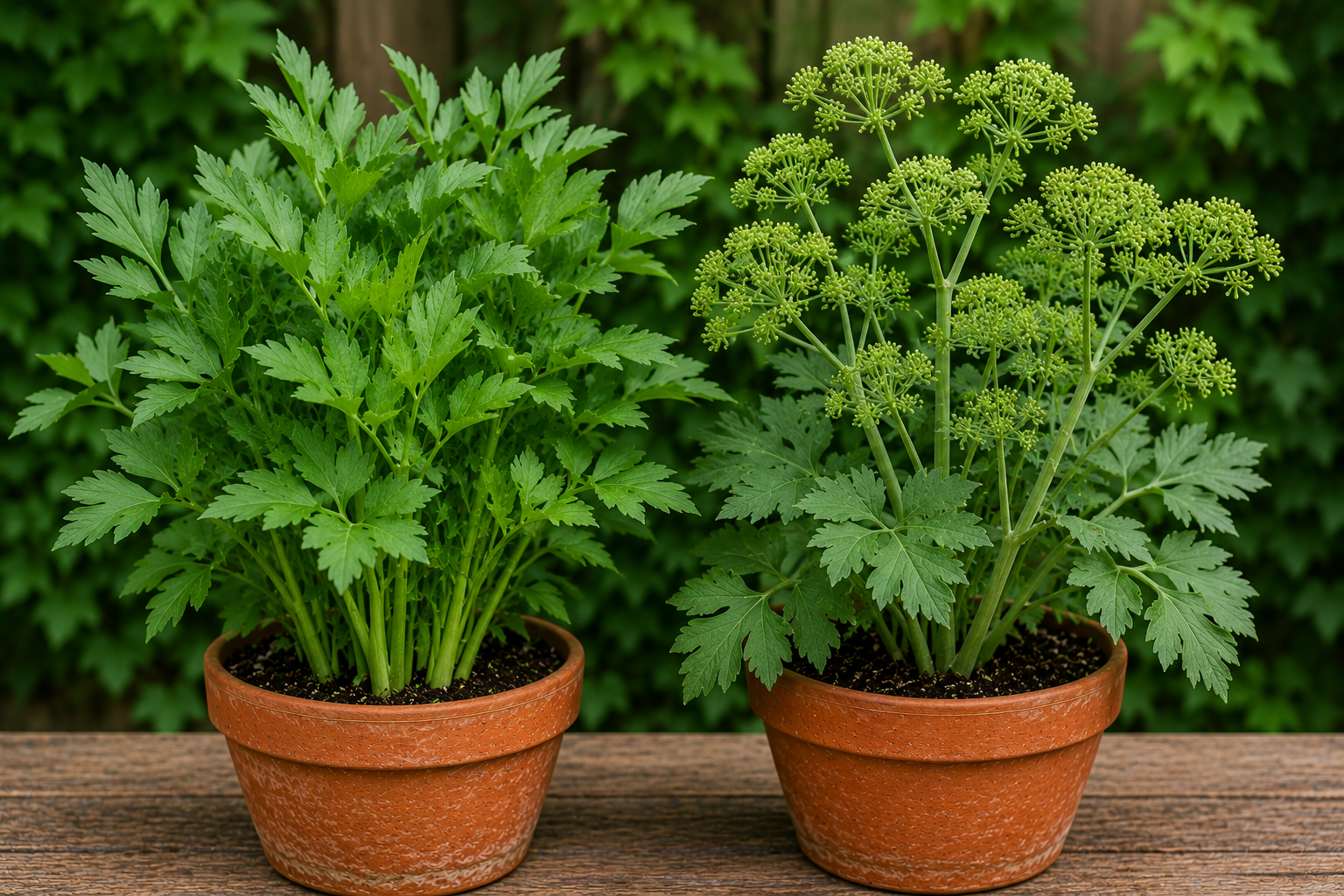
Nobody warns you about height, but height changes everything.
Lovage and angelica both grow tall, sometimes shoulder height or taller, with big leafy canopies.
Plant a low growing herb like thyme or marjoram underneath or beside one of these giants and it gets shaded out fast.
Less light means weaker growth and weaker flavor, since herbs actually produce less of their signature oils when they’re light starved.
If you’re growing lovage or angelica, give your short herbs a completely different bed, or at least the south facing edge where they won’t get swallowed by shade.
Chamomile

Chamomile gets a great reputation as a calming, friendly companion plant, and honestly, it mostly deserves it.
The catch is what happens if you let it go to seed.
Chamomile self-seeds aggressively.
One season of letting those tiny flowers mature into seed heads and you’ll find chamomile sprouting in every gap in your bed next spring, including spots where you very specifically did not plant it.
It’s not toxic to anything nearby, it’s just incredibly pushy about real estate.
Deadhead it regularly if you don’t want chamomile staging a quiet takeover.
Chives and Garlic Chives
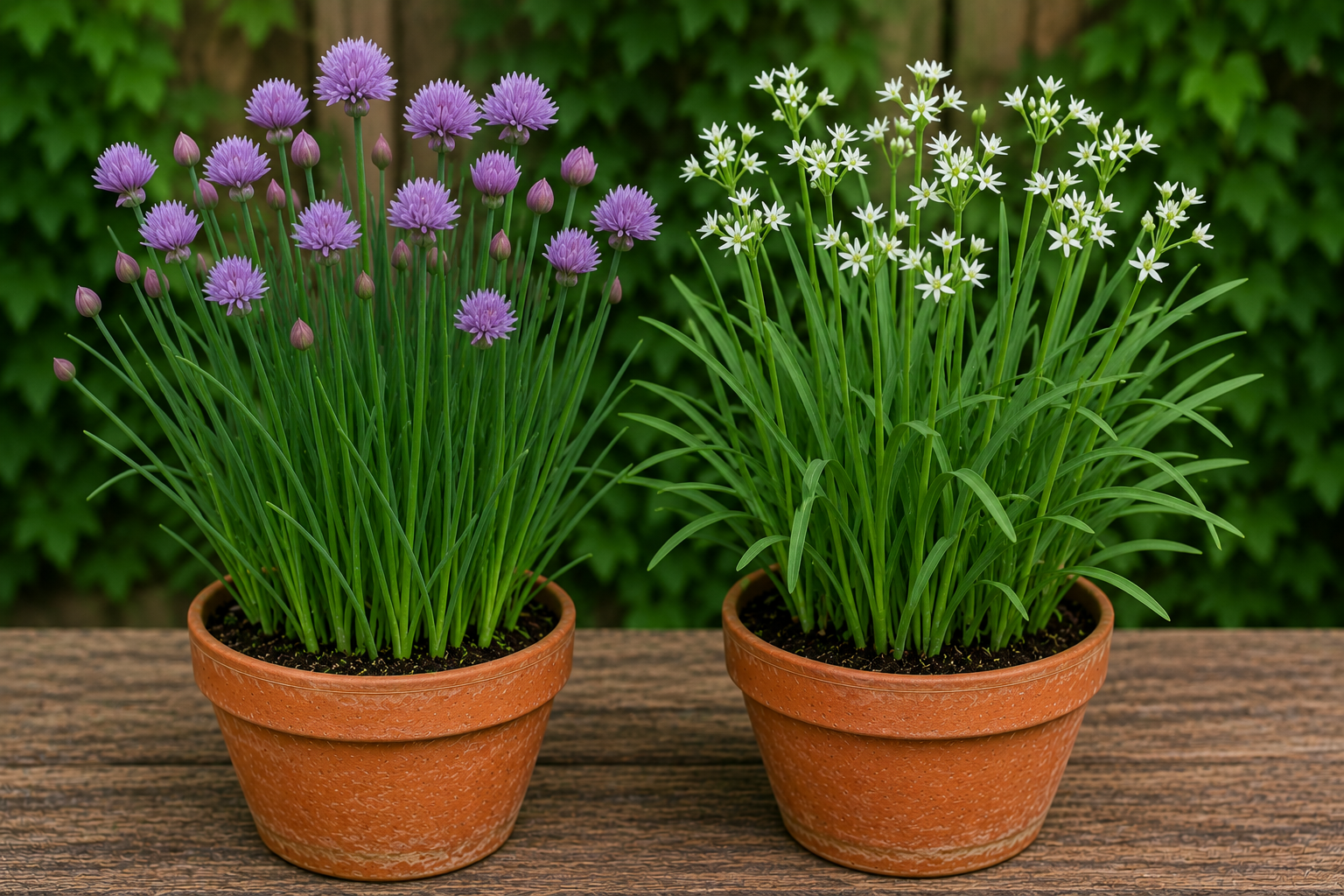
Chives and garlic chives are usually praised as great companions, and in small numbers, they are.
The problem shows up when people let clumps multiply for a few seasons without dividing them.
A neglected chive clump turns into a dense mat of roots that crowds out anything planted too close, simply by hogging all the available space and nutrients. It’s less drama, more slow squeeze.
Divide your chive clumps every year or two.
Your neighboring herbs will have noticeably more room to breathe, and so will your soil.
Factors to Consider When Pairing Herbs
If you read the above list and thought “okay but how do I figure this out for herbs that weren’t even mentioned,” good. That’s exactly the right question.
You don’t need to memorize any of the above mentioned feuds. You need a quick mental checklist you can run through before you plant any herb next to another.
Here’s what actually matters.
1. How Thirsty Is It, Really?
This is the factor most people skip completely, and it’s probably the biggest one.
Some herbs, like rosemary, thyme, sage, and lavender, basically grow in dry, rocky soil and like it that way.
They’d rather go a little thirsty than sit in damp dirt.
Others, like basil, parsley, and cilantro, want consistent moisture and get dramatic fast if they dry out.
Before pairing two herbs, ask yourself if you’d water them the same way.
If the honest answer is no, they don’t belong in the same bed, no matter how nice they’d look together.
2. Does It Spread, or Does It Stay Put?
Some herbs grow politely in one spot. Others treat your garden bed like it’s theirs to expand into.
Mint, lemon balm, and oregano spread through underground roots and will absolutely creep into territory you didn’t invite them into.
It’s not aggression exactly, it’s just how they’re built.
If you’re eyeing a spreader, plan for containment before you plant, not after you notice it’s a problem.
3. Is It Chemically Friendly to Its Neighbors?
This one sounds dramatic, but it’s real.
Some herbs release compounds through their roots that quietly slow down or block the growth of whatever’s nearby.
Fennel is the most famous offender, and tarragon and wormwood do a version of the same thing.
Your other herbs won’t die outright, they’ll just never quite thrive, which makes the cause easy to miss.
If something near one of these herbs always seems to struggle no matter what you try, this is probably the reason.
4. Are They Secretly Related?
This factor only matters most if you plan on saving seeds.
Herbs in the same plant family, like dill, fennel, cilantro, caraway, and anise, can cross pollinate if you let more than one flower at the same time nearby.
You won’t see a problem this season.
You’ll see it next year when your saved seeds grow into something bitter or strange. If seed saving is part of your plan, only let one relative flower at a time.
5. How Tall Does It Get, and Who’s Standing Under It?

Height is an easy factor to forget when you’re staring at tiny seedlings that all look about the same size.
Tall herbs like lovage and angelica eventually cast shade.
Anything short planted nearby, like thyme or marjoram, ends up light starved, which actually weakens its flavor along with its growth.
Picture your herbs at full size, not at seedling size, before you decide who goes where.
6. Will It Take Over Through Seeds, Not Just Roots?
Spreading isn’t always about roots. Some herbs spread by dropping seeds everywhere, which is its own kind of takeover.
Chamomile is the classic example.
It’s a great neighbor most of the time, but let it go to seed once and you’ll be pulling chamomile sprouts out of random spots for years.
If a herb in your bed flowers easily and you’re not careful about deadheading, ask yourself if you’re okay finding it everywhere later on.
7. How Fast Does It Grow Compared to Its Neighbor?
This one’s subtle but it matters more than most people think. A fast growing herb can hog space, light, and nutrients before a slower neighbor even gets established.
Basil, for example, takes off quickly. Pair it with something slower to establish, and basil can dominate the space before the other herb gets a fair shot at growing in.
When pairing herbs, try to match growth speed too, not just size at maturity.
8. Are You Planting in the Ground or in a Container?
Context changes everything here.
A pairing that’s mildly annoying in open garden soil can become a full blown disaster in a shared pot.
In the ground, roots have room to grow around each other and find their own space.
In a container, there’s nowhere to go, so competition and chemical effects both get way more intense, way faster.
If you’re working with pots or small raised beds, be stricter about every factor on this list.
There’s just less room for things to work themselves out.
Herb Garden FAQ
You’ve got the list, you’ve got the factors, now let’s knock out the quick questions you probably still have rattling around.
What Herbs Should Never Be Planted Together
The short version? Mint, lemon balm, and oregano will take over anything near them, so keep them contained.
Fennel is a loner that releases chemicals blocking growth in almost everything nearby, so give it its own space.
Rue stunts basil and sage if planted close, and Mediterranean herbs like rosemary and thyme hate sharing soil with thirsty herbs like basil and cilantro.
Dill, fennel, cilantro, caraway, and anise will cross pollinate if you let more than one flower at once, which ruins any seeds you try to save.
What Are Some Common Problems With Herb Gardens?
Overwatering is probably the number one killer, especially for Mediterranean herbs that actually prefer to dry out a bit between waterings.
People love their herbs to death, literally.
Not enough sunlight is another huge one.
Most culinary herbs want at least six hours of direct sun, and a shady spot will leave you with sad, leggy, weak tasting plants.
Letting spreaders run wild is its own category of disaster. And overcrowding everything into one small bed creates a competition for nutrients that nobody wins.
What Is the Trick to Growing Herbs
Most herbs actually like being a little neglected.
I know that sounds backwards, but rich, constantly watered soil makes a lot of herbs grow soft and weak with less flavor.
Well draining soil matters more than fancy fertilizer.
And here’s the trick nobody says: harvesting regularly actually makes your herbs grow bushier and produce more.
Pinching back basil or trimming mint isn’t just for your kitchen, it’s free pruning that tells the plant to branch out instead of just growing taller and floppier.
What Two Herbs Grow Well Together?
Rosemary and thyme are a genuinely great match.
They’re both Mediterranean herbs that want the same dry soil and the same sunny spot, so you’re never stuck compromising on watering.
Basil and parsley work nicely together too, since they both like consistent moisture and similar light. Easy pairing, no drama, no watering schedule headaches.
What Is the Mother of All Herbs
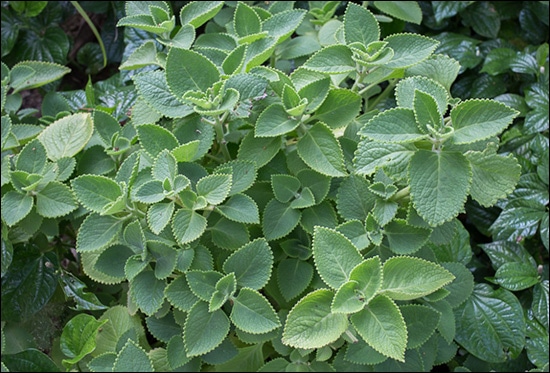
This nickname usually points to a plant called Plectranthus amboinicus, also known as Cuban oregano, Mexican mint, or Indian borage.
It’s wildly easy to grow, smells incredible, and has been used in home remedies across so many cultures for so long that nobody’s totally sure where it started.
Fun fact, it’s not actually related to oregano or mint despite the nicknames.
It just smells like both, which is exactly the kind of confusing plant naming that makes gardening fun and occasionally infuriating.
What Is the Hardest Herb to Grow
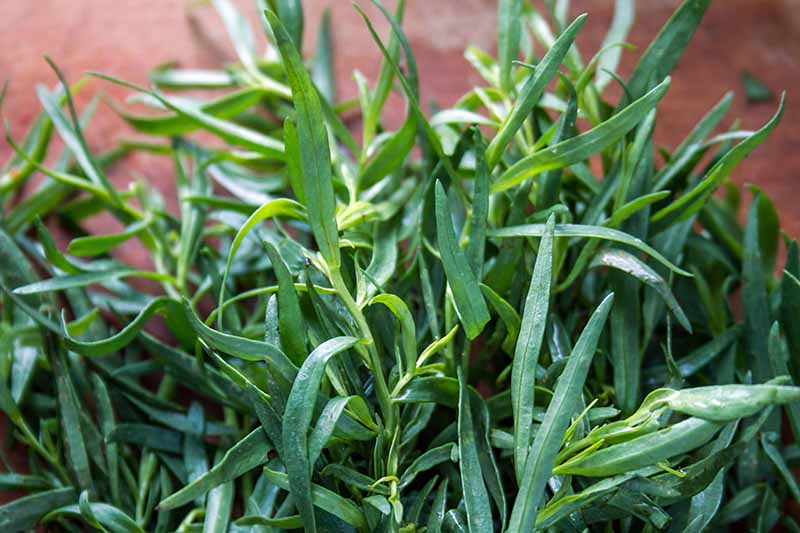
French tarragon takes the crown for most gardeners.
You can’t even grow it from seed reliably, you have to start from a cutting or divide an existing plant, and it’s picky about drainage and overwatering on top of that.
Lavender is a close second. It looks tough and Mediterranean, but get the soil or drainage even slightly wrong and it sulks or straight up dies.
How Can You Encourage Herbs to Grow
Give them more sun than you think they need. Seriously, when in doubt, more light almost always helps more than more water.
Harvest often, even when you don’t need the herbs for cooking that day.
Regular trimming pushes most herbs into bushier, more productive growth instead of one tall stem reaching for the sky.
And resist the urge to feed them constantly.
Many herbs actually produce more flavor and fragrance when they’re growing in slightly leaner soil, not richer soil.
How Often Should Herbs Be Watered?

It depends entirely on which camp your herb falls into.
Mediterranean herbs like rosemary, thyme, sage, and lavender want to dry out between waterings, so once the top inch or two of soil feels dry is your cue.
Moisture loving herbs like basil, parsley, and cilantro want more consistent watering, usually whenever the soil starts to feel dry to the touch rather than letting it go bone dry.
When in doubt, stick your finger in the soil before you water. It’s not glamorous, but it works better than any schedule you’ll find online.
What Is the Most Expensive Herb to Grow

Saffron, hands down.
It comes from the stigma of the saffron crocus flower, and each flower only gives you three tiny stigmas that have to be hand picked.
It takes literally thousands of flowers just to get a single ounce of saffron, which is why it costs more per gram than gold in some markets.
If you want to grow it at home, it’s totally doable, just know you’ll be harvesting with tweezers and a lot of patience.