Should I Scalp My Lawn in Summer?
Scalping the lawn is best done at the right time to ensure its effectiveness and avoid harming your grass. If you have been asking yourself, should I scalp my lawn in summer? No, you should avoid it. The reason for…
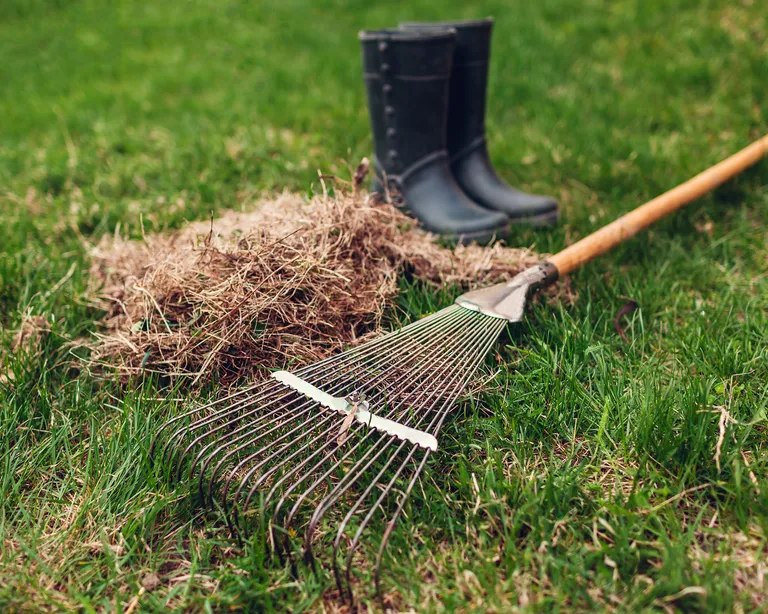
It is always better to rake dry grass. Raking wet grass — whether it's damp from rain, dew, or soggy leaves — damages the lawn, compacts the soil, strains your equipment, and puts you at risk of injury. I've been…
The intense summer sun can be challenging not just for you but also for your lawn. Maintaining a healthy lawn during summer takes attention to detail and use of innovative strategies. As a responsible homeowner, you must be wondering what…
The main negatives of lawn aeration are that it is physically demanding and time-consuming, it can damage your lawn if done at the wrong time or with the wrong equipment, and it requires a level of skill that most homeowners…
Lawn aeration comes with plenty of perks, such as: Improved movement of air between soil and atmosphere Reduced risk of water runoff and puddling Soil absorbs water more efficiently. Improved fertilizer uptake Turfgrass gets stronger roots. Compacted earth loosens up…
Lawn aeration can significantly improve the health of your grass by allowing air, water, and nutrients to permeate built-up thatch or compacted soil. Aeration can be highly beneficial, especially if your lawn has a lot of foot activity or has…
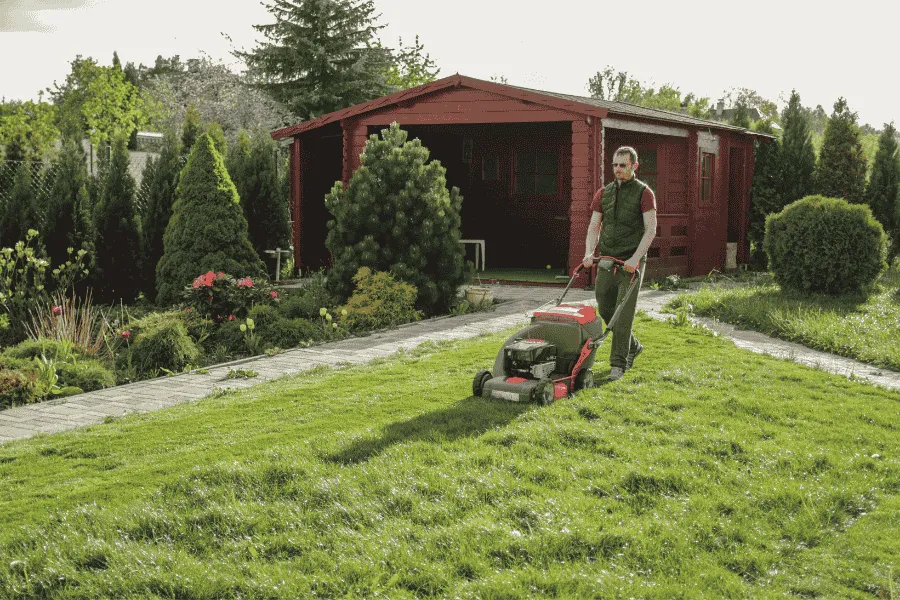
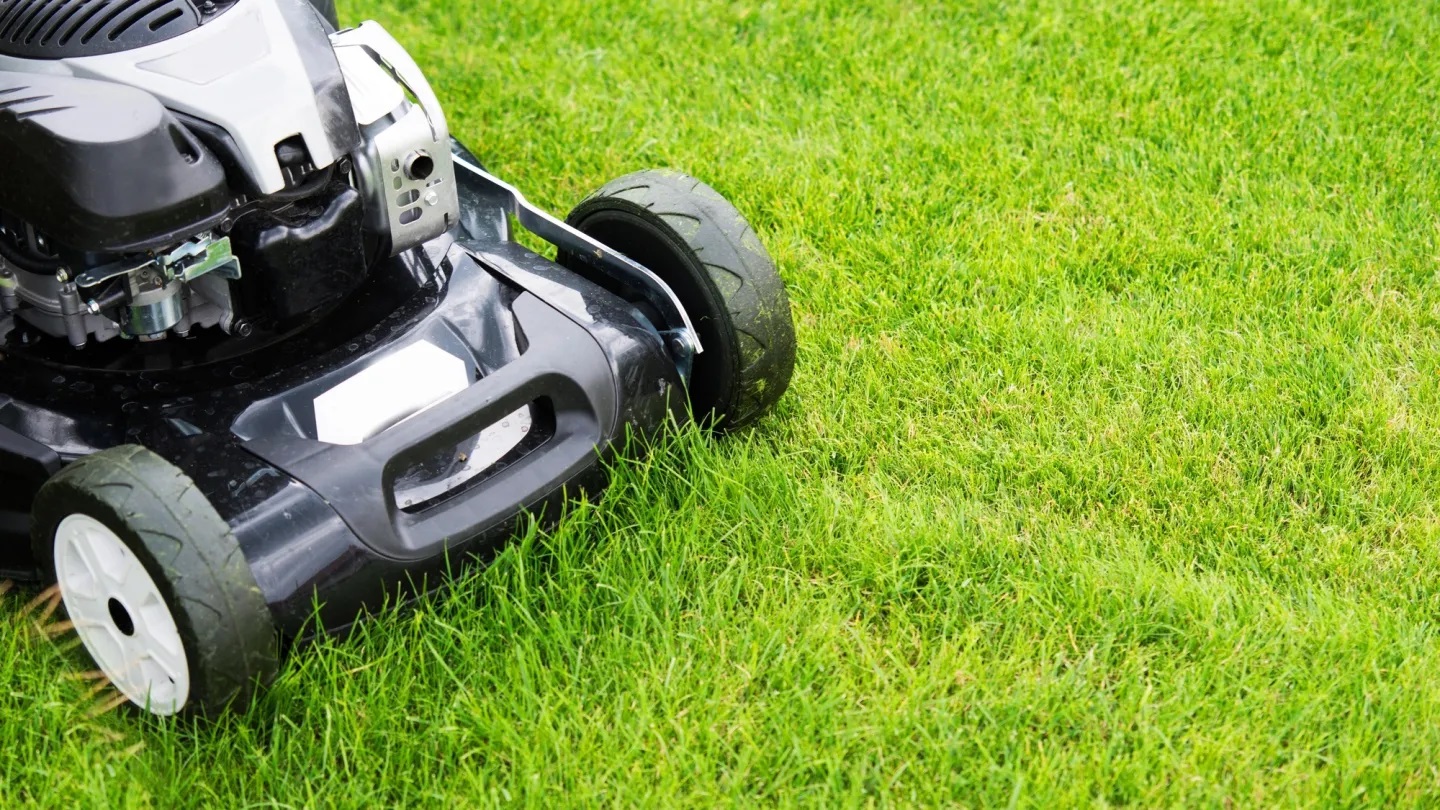
Lawnmowers come in handy, especially during the spring and summer months, when grass appears to grow overnight. To keep up with the frequency of use, you need to service your lawn every two seasons. To keep your yard tidy, you…
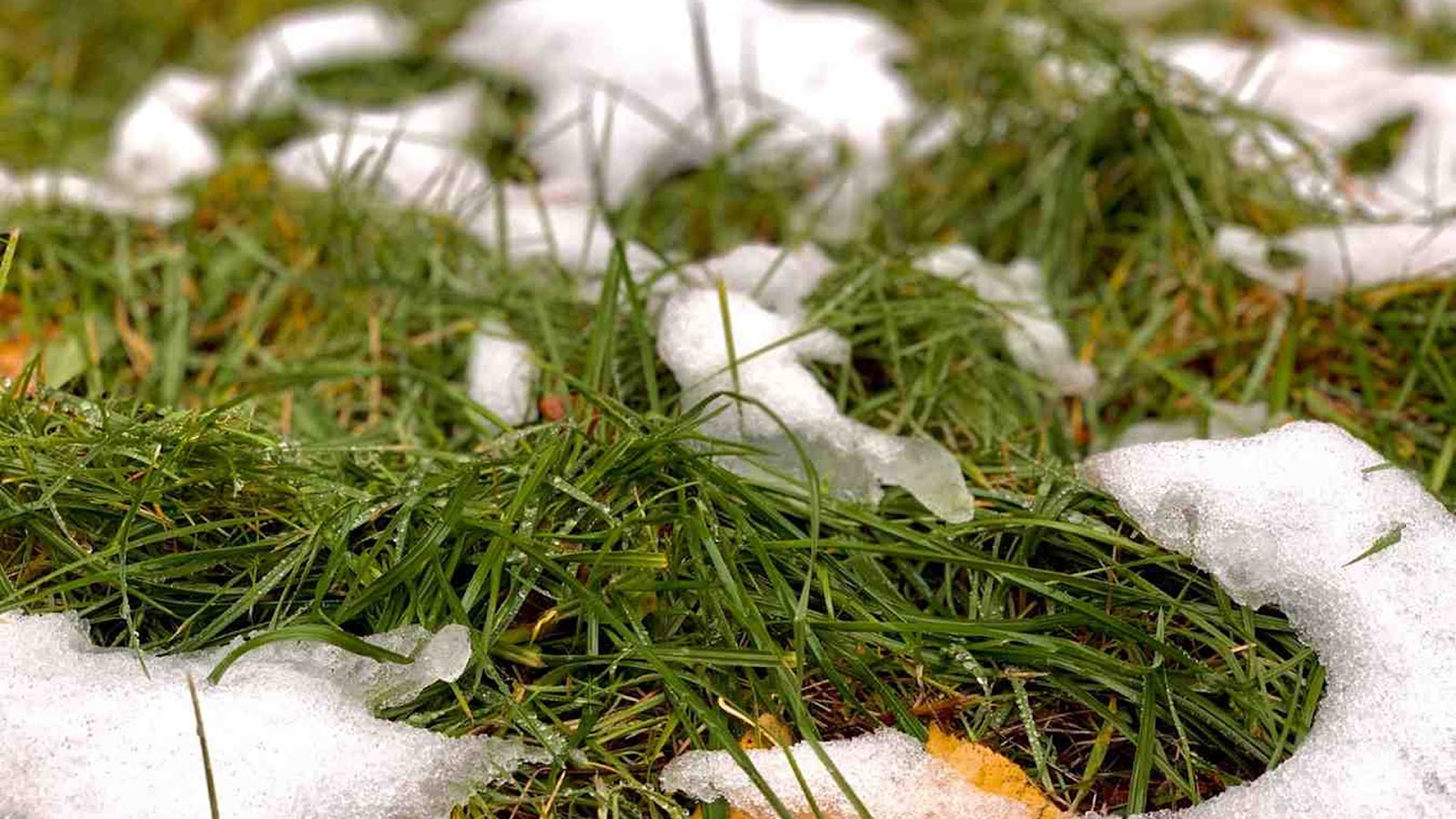
The cold winter can cause soil compaction, which can be a concern once the weather warms up. Heavy snow can close the spaces that act as routes for water and nutrients, making it difficult to reach the roots. If you…
You should rake your lawn in early spring as soon as the ground has thawed and grass begins to show new green growth usually when daytime temperatures consistently reach 40–50°F (4–10°C). Use a thatch rake with flexible metal tines, rake…
Mastering your lawn care regimen can be difficult, and keeping up with fast-growing grass can be even more challenging. The average homeowner spends 70 hours per year caring for their lawn, and an estimated 54 million Americans mow their lawns…