14 Bird Bath Planter Ideas That Turn an Ordinary Bird Bath into the Star of Your Garden
Last Updated on August 7, 2026 by Duncan
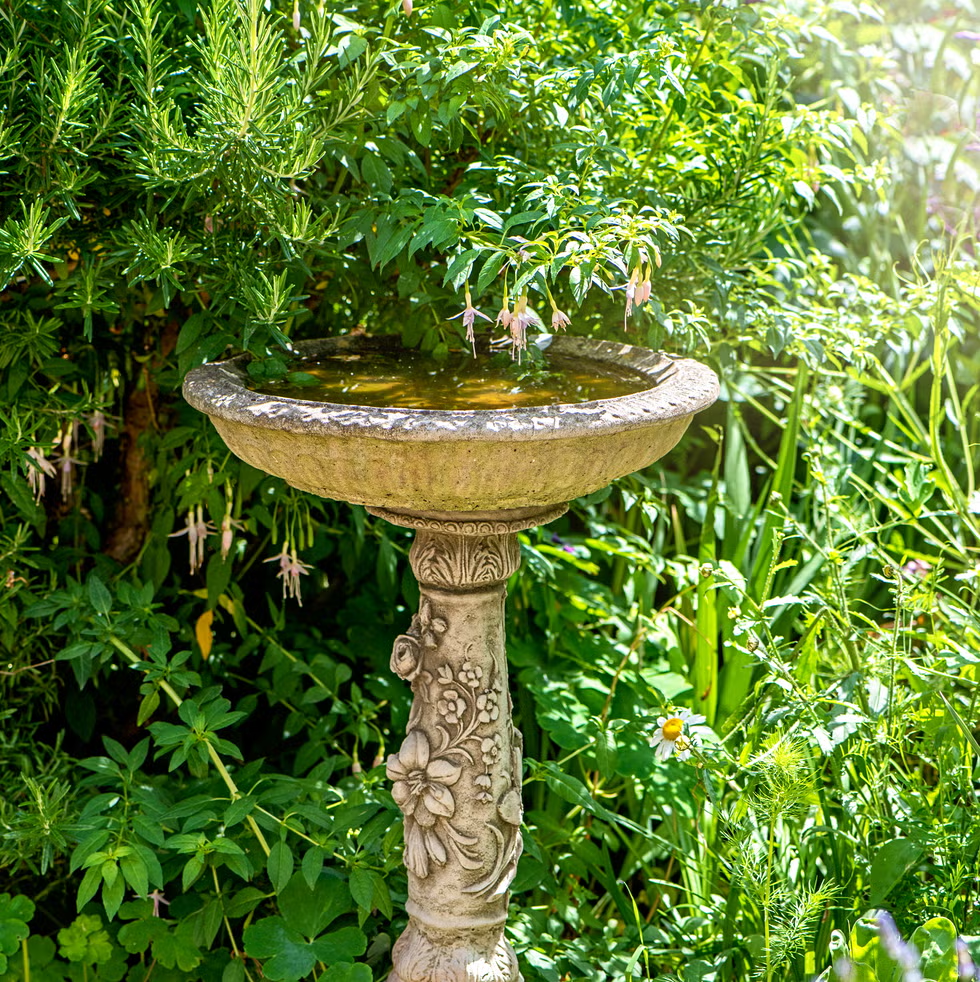
A bird bath doesn’t have to stand alone in the middle of the yard looking like an afterthought.
Pair it with the right plants, and it becomes the centerpiece that catches your eye from the kitchen window while giving birds a place they’ll visit every day.
The secret is choosing plants that complement the bird bath instead of competing with it.
I’ve seen gorgeous displays fail because the flowers swallowed the bowl, blocked birds from landing, or dropped so many leaves into the water that cleaning became a daily chore.
The best bird bath planter ideas strike a balance.
They look lush, attract pollinators, and still leave birds with a safe, open place to drink and bathe.
If you’re planning your own display, these ideas have proven themselves season after season.
Start with a heavy bird bath
Before thinking about flowers, think about stability.
A mature planter becomes surprisingly heavy after rain.
Wet soil, full-grown plants, and water can easily double the weight you expected.
Concrete or cast stone bird baths are my favorite because they stay put even during summer storms.
Lightweight plastic models often wobble once the plants begin spilling over the edges.
You don’t want your beautiful arrangement lying sideways after the first windy afternoon.
Build around the bird bath, not over it

One mistake I see constantly is treating the bird bath like a flower pot.
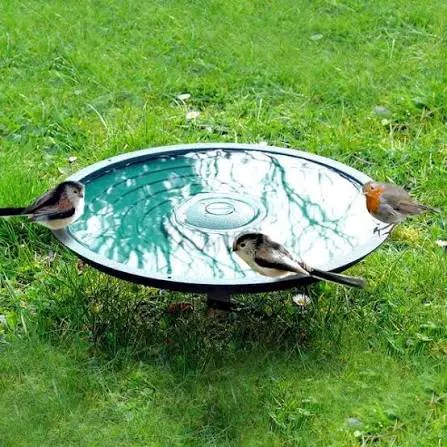
Birds need room.
Keep at least half of the bowl completely open.
Remember birds want a clear landing area where they can watch for danger before hopping into the water.
Imagine trying to park your car in a garage packed with boxes.
Birds feel the same way when flowers crowd every inch of the basin.
Create a classic cottage garden look

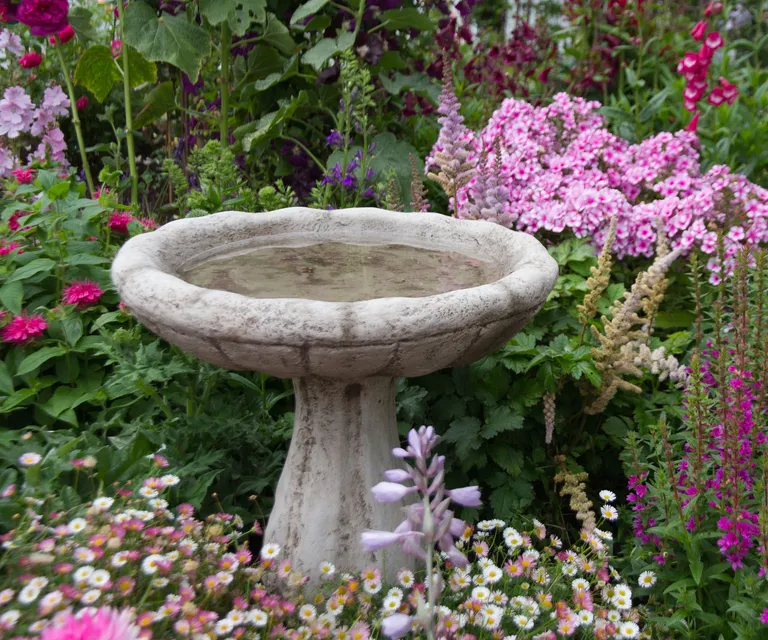
Nothing pairs with a bird bath better than soft cottage flowers.
Plant sweet alyssum around the base for fragrance and low growing color.
Add lobelia for blue blooms that soften the edges, then finish with trailing bacopa spilling gently over the planter.
The result feels effortless instead of overdesigned.
Best of all, these plants don’t overwhelm the bird bath as they mature.
Go with a white garden theme
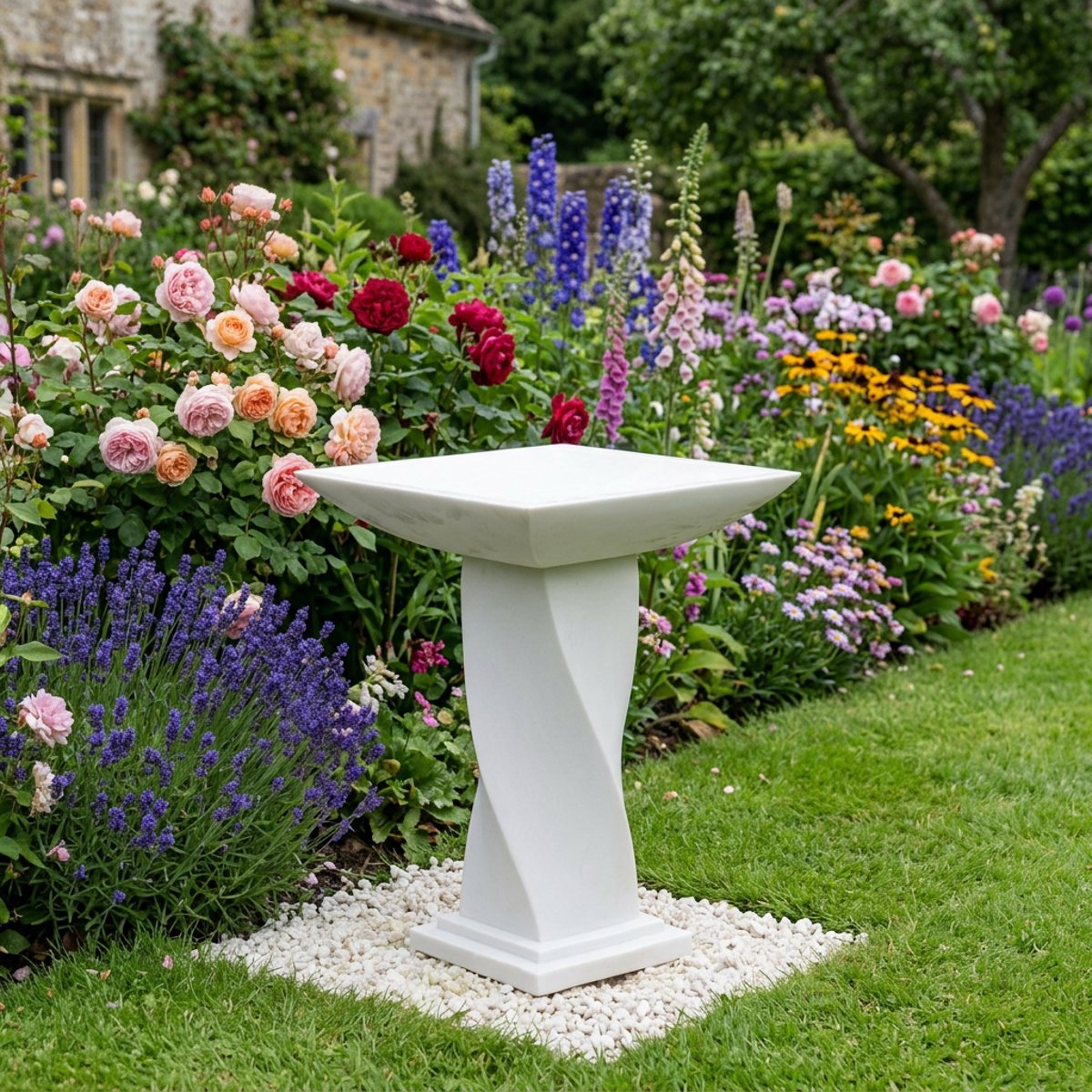
White flowers make bird baths stand out beautifully, especially during the evening.
Combine white calibrachoa, white alyssum, and white bacopa for an elegant display that almost glows at sunset.
The clean color palette also helps birds remain visible while bathing, making it more enjoyable to watch from your patio.
Add cascading plants for soft edges
A little trailing foliage adds movement without making the display look messy.
Good choices include:
- Creeping Jenny
- Bacopa
- Dichondra Silver Falls
- Trailing lobelia
Keep them trimmed before they reach the pedestal.
Long vines can become squirrel ladders, and they often hide the attractive shape of the bird bath.
Plant for butterflies and birds

Why settle for attracting one type of visitor?
Pair nectar rich flowers with your bird bath to create a lively wildlife corner.
Excellent choices include:
- Verbena
- Lantana
- Salvia
- Pentas
Butterflies stop for nectar while birds enjoy the nearby water source.
Your garden suddenly feels much more alive.
Use ornamental grasses for texture
Flowers don’t have to do all the work.
Small ornamental grasses add movement that catches the breeze without blocking birds.
I especially like dwarf sedges or compact fountain grasses placed behind the bird bath rather than directly beside the bowl.
They create a beautiful backdrop while keeping the landing area open.
Design a shade loving bird bath planter

Not every garden receives full sun.
If your bird bath sits beneath light tree cover, choose plants that enjoy those conditions.
Great options include:
- Coleus
- Heuchera
- Impatiens
- Begonias
- Creeping Jenny
The colorful foliage often lasts longer than flowers during hot summers.
Just avoid placing the bird bath directly under heavy branches where falling leaves constantly dirty the water.
Create a rustic herb bird bath

Herbs make surprisingly attractive companions.
Low growing thyme softens the edges while lavender adds fragrance nearby.
Sage and oregano contribute interesting foliage textures without taking over.
As an added bonus, brushing past the planter releases wonderful scents every time you walk through the garden.
Go bold with color blocking

Instead of mixing every flower you love, choose one bold color.
An entire planter filled with purple calibrachoa or bright pink petunias makes the bird bath stand out dramatically.
Simple color schemes often look more polished than rainbow combinations.
Sometimes less creates a stronger impact.
Use containers around the bird bath

Not every planter has to be attached.
Surround the pedestal with matching pots filled with seasonal flowers.
This approach makes changing plants much easier throughout the year.
It also keeps roots from interfering with the bird bath itself.
Build a tiered display

Varying heights make the arrangement feel professionally designed.
Place taller plants toward the back, medium flowers around the sides, and low trailing plants closest to the front.
The bird bath stays visible while the surrounding plants create depth.
You don’t need dozens of varieties.
Three well chosen layers usually outperform ten random ones.
Create a pollinator paradise
If bees and butterflies are welcome in your garden, choose flowers that feed them.
Consider planting:
- Coneflowers
- Black eyed Susans
- Catmint
- Coreopsis
- Bee balm
The bird bath becomes the water station while nearby flowers provide food.
The entire area buzzes with activity through much of the growing season.
Put up a succulent bird bath planter
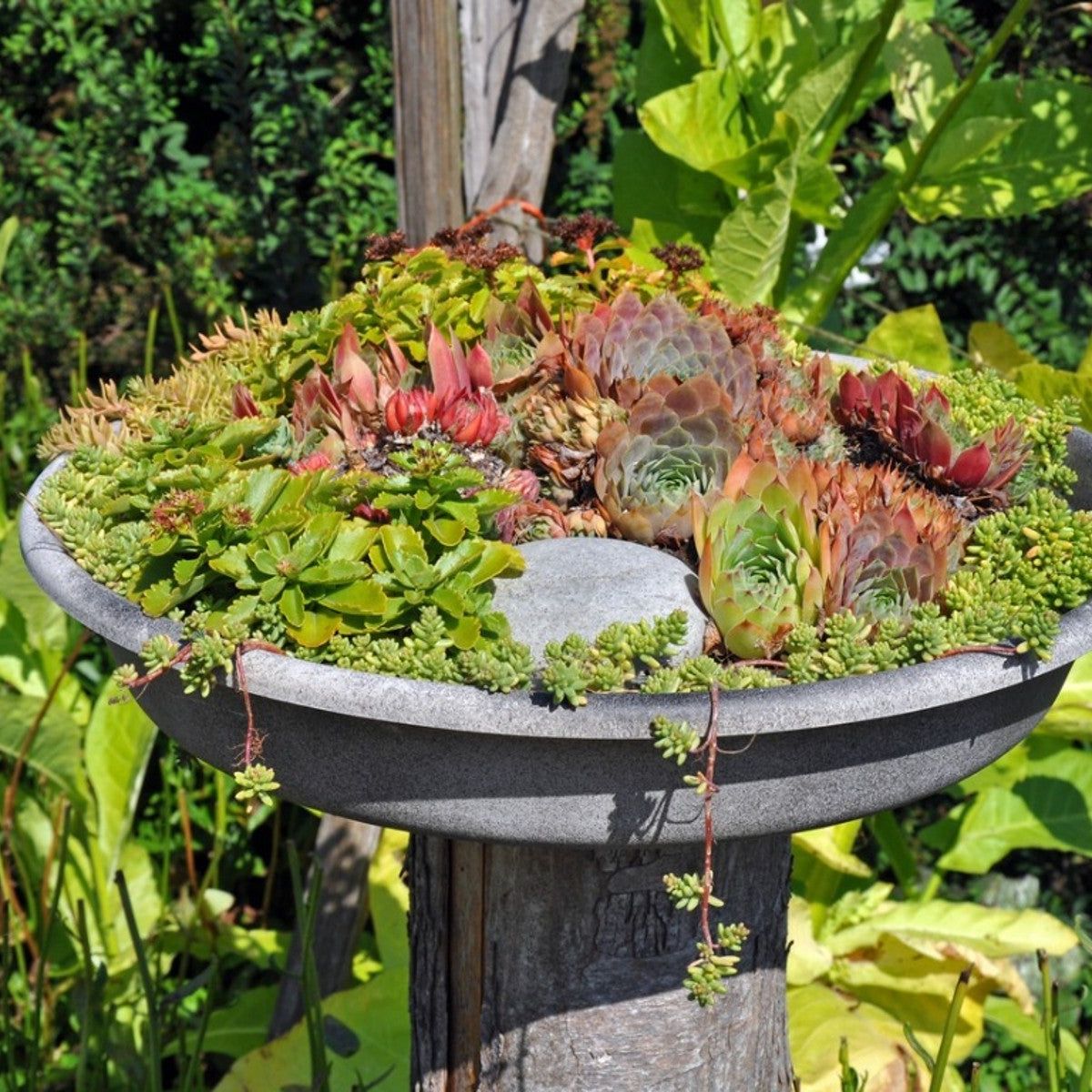
For dry climates, succulents can create an eye catching arrangement.
Mix hens and chicks, sedum, echeveria, and small ornamental rocks around the base.
Their sculptural shapes pair beautifully with stone bird baths.
Maintenance couldn’t be much easier.
Best practices when designing a bird bath planter
Add decorative stones and mulch
Don’t overlook finishing touches.
Natural river stones reduce soil splashing into the water.
Dark mulch highlights colorful flowers while helping retain moisture.
These small details often separate an average planter from one that looks professionally finished.
Plant by the Seasons
Your display doesn’t have to remain the same all year.
Spring welcomes pansies, violas, and alyssum.
Summer shines with calibrachoa, verbena, and lantana.
Fall looks beautiful with ornamental cabbage, chrysanthemums, and trailing ivy.
Seasonal changes keep your bird bath looking fresh instead of tired.
Keep the safe landing halo
One design principle guides every successful bird bath planter I’ve built.
I call it the Safe Landing Halo.
Picture an invisible circle around the water where birds need complete freedom to land, look around, and fly away if danger appears.
Inside that circle, avoid tall stems, thorny plants, thick vines, or anything hanging over the water.
Outside that circle, let your creativity shine.
Once you start thinking this way, your bird bath becomes much more than a decorative feature.
It becomes a welcoming stop for birds while still looking like something straight from a Pinterest dream board.
Undertake regular inspections
If you use a saucer or liner inside your pot setup, check it regularly.
Water pooling under your soil, even hidden under the surface, is exactly what mosquitoes look for.
Be cautious of the weight
A bowl full of damp soil and mature roots is heavier and more top-heavy than a bowl full of water ever was.
On a tall, narrow pedestal, that shift plus a windy spring storm can tip the whole thing over.
If your bird bath pedestal feels wobbly at all, secure it or go with a lower, wider style.
Have a drainage system
Even with the bowl-within-a-bowl method, your inner pot needs drainage holes or a solid gravel layer at the bottom.
A good ratio is roughly one part gravel to three parts soil, which gives roots somewhere dry to sit above any excess water.
Work with the depth you have
Most bird bath bowls are only two to four inches deep, which isn’t enough for a lot of plants.
Use a riser, an upside-down smaller pot, or foam block inside the bowl to lift your planting pot up and create more usable soil depth for the roots.
Mistakes to avoid
Even beautiful plants can create problems if they’re placed carelessly.
Avoid these common mistakes:
- Packing flowers so tightly that birds have nowhere to land.
- Choosing aggressive trailing plants that quickly cover the bowl.
- Using lightweight bird baths that tip once the planter fills out.
- Planting directly beneath trees that constantly drop leaves into the water.
- Forgetting that flowers need regular trimming throughout the season.
- Allowing fertilizer or potting soil to wash into the bird bath after watering.
- Ignoring water quality because the flowers look healthy.
Small adjustments make a huge difference over the course of a growing season.
Parting shot
The most beautiful bird bath planter isn’t the one overflowing with the most flowers.
It’s the one that welcomes birds while giving you something lovely to admire every time you step outside.
Choose plants with purpose.
Leave open space around the water.
Refresh the display with the seasons instead of forcing tired plants to hang on.
Do that, and your bird bath won’t just decorate your garden.
It will become one of the busiest and most enjoyable spots in your backyard, filled with fluttering wings, colorful blooms, and plenty of moments worth stopping to watch.
Related Posts: