What Are Signs Your Lawn Needs Aeration?
Last Updated on January 16, 2026 by Duncan
Keeping your lawn healthy requires more than just mowing and watering. Lawns, like people, need oxygen to thrive. Lawn aeration involves the removal of small soil plugs which in turn allow nutrients, oxygen, and water to reach the grass roots.
You should note that the soil tends to get compacted over time due to foot traffic, weather, and daily use, making it more difficult for your grass to remain thick, green, and resilient. If you’re not sure if it’s time to aerate your grass, here are a few indicators that you can use to your benefit:
The grass is thinning
Because grass needs water, oxygen, and nutrients to flourish, thinning grass may indicate that your soil is compacted, preventing these elements from reaching the roots.
Bare areas often arise because of:
- Heavy foot traffic.
- High-traffic areas with pets
- Compacted soil near walkways or driveways
- Poor root development due to a lack of oxygen
Lawn aeration promotes a thick, healthy lawn.
Bare spots
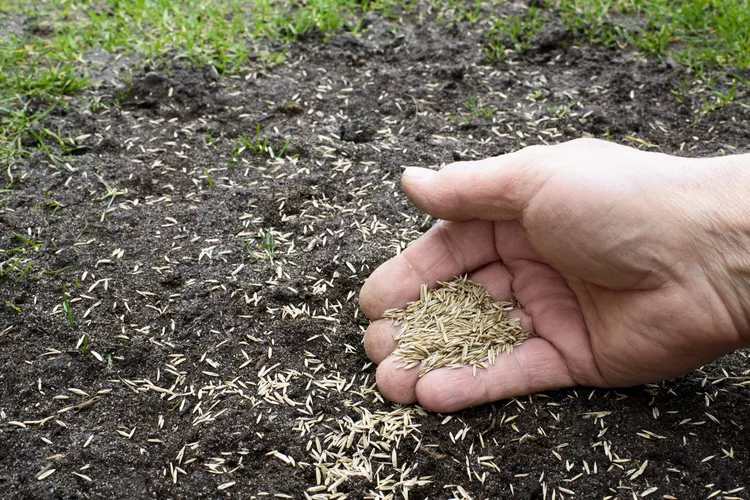
These are similar to thinning grass, but they are a step further. Full-blown bare spots on the lawn often indicate that it needs aeration. You can combine lawn aeration with seeding to help fill in bare patches where grass has died.
Keep in mind that bare areas can result from a variety of factors, including disease and pest damage. If you notice dead patches on your lawn, consult with a lawn care professional to help you determine what’s causing them.
Thatch has built up
Thatch (dead organic material) buildup on the lawn’s surface can also cause problems. Excess thatch accumulates between the blades and the soil surface, hindering the movement of critical elements to the roots. It also serves as a hiding place for surface-feeding insects such as chinch bugs.
Common indicators of excess thatch:
- When you walk on the lawn, it seems spongy.
- Brown spots, despite watering
- Lawn mower blades scrape above the earth.
Aeration improves soil structure while reducing thatch development in the lawn. It does this by providing bacteria with better access to the layer, rather than soaking in water.
There is puddling on the lawn.
Water pools on your lawn’s surface, another clue that it needs to be aerated. This indicates that the lawn is compacted and not draining correctly.
Of course, yard drainage problems are caused by a variety of factors other than compaction.
Low spots, insufficient watering, and runoff issues may also be at play.
Healthy soil should draw water downward to nourish the roots. When it can’t, the result is shallow root growth and a poor lawn.
When this is happening, you might notice:
- Standing water after rain
- Irrigation water slides across the surface.
- Mushy spots that dry unevenly
You should consult a lawn care specialist about what is happening with your lawn.
By doing aeration, you repair soil channels, allowing water to flow naturally.
Mediocre lawn care results
When the soil is compacted, lawn care products such as fertilizer have difficulty reaching the subsurface where they are needed. Unfortunately, most people are not always aware that compacted soil can result in less value from the lawn care services they pay for.
If you’re paying for lawn care but not getting the results you want, you may need to add lawn aeration services.
Your lawn looks tired.
When soil conditions are not perfect, grass begins to transmit distress signals. You may have noticed that your grass does not “perk up” after watering or applying fertilizer. Healthy turf should bounce back rapidly, but stressed turf seems dull or lifeless.
Grass stress indicators are:
- Yellowing or fading color.
- Despite fertilization, growth remains slow.
- Heat-sensitive grass
- An overall lack of vibrancy or thickness
Aeration rejuvenates your lawn by boosting ventilation and nutrient penetration.
Your lawn dries out quickly.
Another red indicator is a grass that does not seem to stay hydrated. When soil is compacted, water cannot penetrate deeper layers, forcing roots to remain shallow. Shallow roots dry out quickly and need more irrigation.
You might notice:
- Brown tips on grass blades.
- A lawn that requires constant watering.
- Dry spots even after the rains.
Aeration allows moisture to penetrate deeper into the soil, promoting stronger root systems that retain water for more extended periods and are more resistant to drought.
When should you aerate your lawn?
Knowing when to aerate the lawn will help you make the most of this service.
The best times to aerate a lawn are spring and fall. Much of it is determined by soil temperature. You don’t want it too hot, or it will dry out the roots of your existing grass. The cool thing is that spring and fall have lower temperatures, making them perfect.
If you had to pick only one time to aerate your lawn, you should go with spring, just before the peak growing season. The loosened soil makes the fertilizer you apply in the spring more effective.
If you are determined to have the best lawn on the block, you should aerate it in both spring and fall. If you aren’t this motivated, you should still ensure your grass is aerated at least once a year.
Should you apply topdress after aeration?
Topdressing is one of the most beneficial things you can do after having your lawn aerated. When you topdress the grass right after aeration, the topdressing material is more likely to fall into the holes and help release the compacted soil.
When you topdress a lawn after aeration, use a supercharged compost mix combined with variable amounts of sand. This is because it is critical to use nutritious sand to help loosen compaction and promote drainage.
Lawn aeration, paired with topdressing, will significantly improve your lawn’s overall health and performance.
Topdressing will also help improve your lawn’s overall soil health by boosting microbial activity. As a result, it’s just a good idea to increase your lawn’s overall performance.
It can help your lawn resist several fungal lawn diseases.
While topdressing and aerating do not have to be done simultaneously, having both services performed together will go a long way toward keeping your lawn looking green and healthy.
Related Posts: