What Is the Best Length to Leave Grass for Winter?
Last Updated on February 13, 2026 by Duncan
You must choose the right grass height for the winter. This is because an incorrect cut is bound to put the grass under stress.
And you don’t want this. Cold weather can stress or harm your lawn’s roots or leaves if you trim it too short. Your grass is also susceptible to diseases if you leave it overly long.
For winter, a grass height of 2 to 2.5 inches is good. This keeps the grass short enough to prevent disease spread without making it too vulnerable to cold stress.
As temperatures drop and growth slows, you can gradually reduce the height of your blades while mowing until they reach this ideal length. To be on the safe side, ensure that the final lawn trims of the fall season are at this short height.
Best practices when cutting your grass in winter
Here are some pointers to help you give your home turf the best possible care while causing the least amount of damage.
Plan a clean-up before you start.
A thorough cleanup is necessary. Make sure that you remove any excess mulch and trash so you have a clean canvas to work with.
Fall leaves on the grass are a major issue for your yard because they make it difficult for the turf to absorb sunshine and essential nutrients. As you can tell, this results in a lack of aeration.
Make sure there is no moisture.
Mowing with moisture on the grass from snow or other water buildup will cause damage. First, it can damage the roots; second, the weight of the water might cause the grass to wilt, resulting in an uneven cut. A dry lawn is ideal for perfect mowing.
Mow to the perfect height.
Mowing is an art. The ideal grass height varies with the season. Because your yard will be dormant during the winter, you should keep the grass blades a little taller than you would in the spring or summer.
As mentioned above, the ideal length of grass blades throughout the winter is 2.5 to 3 inches. Another approach to measuring the cut is to cut off one-third of your lawn’s length.
Taller grass is more susceptible to snow mold because it retains moisture, but shorter grass blades may expose the yard to the harshness of cold.
Layer some mulch.
Make sure that you leave some mulch on the ground to keep the grass from freezing. Although too much garbage is bad for your turf, you can leave a little layer of mulch to keep the deep roots safe from cold. This assures that the grass will recover to its normal state in the spring.
Fertilize the soil for dormancy.
Applying a layer of fertilizer to the grass in early fall is critical. The ideal time to do so is usually between mid-August and mid-September.
This prepares your lawn for the dormant season when the temperatures drop below freezing. Nitrogen and potassium nourish the soil sufficiently to repair the harm created during the growth stage.
Aerate the surface of the lawn.
Aerating your lawn is an essential step to ensure nutrients penetrate deep into the grass’s roots. Making small holes in the soil requires appropriate equipment. This allows water, air, sunlight, and all of the necessary nutrients to reach the roots.
Add a layer of seeds.
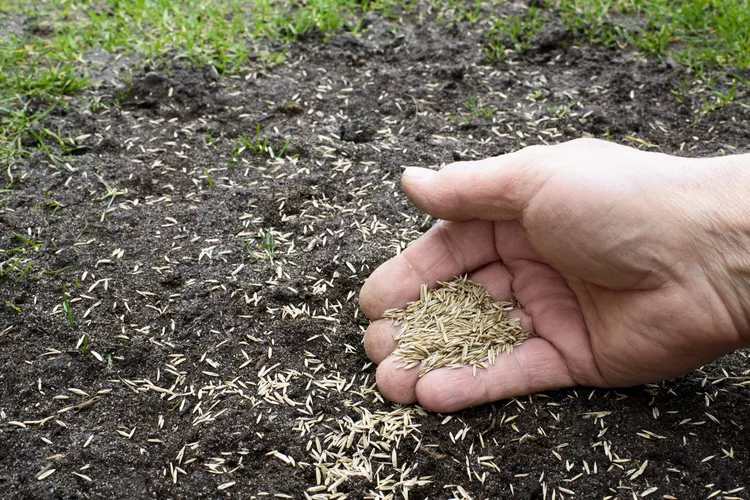
Nothing is more unappealing than an uneven lawn. Thankfully, a top layer of seeds can repair damaged areas in your garden.
This seed coating improves soil nutrition and prepares it for the blooming season. Make sure not to overseed because it will congest that part of the soil and defeat the aim.
FAQs
What might affect the timing of the last mow?
Is your grass still growing even in sub-50-degree temperatures? Aside from grass type and temperature, other factors, such as soil nutrients and sunlight exposure, may also influence its growth. As a result, the final mowing of the season may take longer than anticipated.
Some of the factors that might affect this include:
Lawn health and fertility: If you’ve made a concerted effort to keep your lawn healthy throughout the year by regular fertilizing, watering, and pest control techniques, it may stay green and grow longer than you had expected.
Recent rainfall: Heavy rainfall can boost growth in cooler conditions. So, if there is a lot of rain during the fall months, you may have to mow your grass even if temperatures fall below 50 degrees Fahrenheit.
Microclimate: The climate conditions in your yard’s turf areas may lengthen or shorten your lawn’s growing season. Sun exposure duration, shade levels from structures or trees, wind protection, and soil depth can all affect how long you need to mow.
Can you damage your lawn by mowing too late in the season?
The various grass species display varied signs of injury. During winter, prolonged nights of frost can cause significant damage to the grass. Because frost can freeze grass blades, it is not recommended to mow while it is chilly.
To properly mow your lawn, choose a warm day with enough sun to melt the frost, ensure it is dry, and cut only ⅓ inch of grass.
How do you keep your lawn healthy in winter?
Once you’ve determined the best height to cut your grass for winter, you may ask whether you also need to fertilize. After all, harsh winter weather can harm your lawn.
However, because your grass turns dormant when the extremely cold temperatures hit, you need prepare before then.
This is why fall is the ideal season to fertilize your grass. The plant’s root system is vigorously expanding at this time, indicating a peak growing season.
Fertilize your lawn during the fall to keep it green and healthy. A little prior treatment will help your yard retain its color and vibrancy until the growing season resumes in the spring.
Why is short grass better for winter?
There are numerous reasons why long grass is not a good idea during the winter. Long grass supplies a diet for insects and small animals like voles, who eat on it under snow cover all winter.
This puts your lawn at risk of disease, creating an ideal environment for mold and bacteria to thrive. You don’t want this, do you?
Related Posts: