Can Spider Plants Live Outside in Full Sun?
Last Updated on July 29, 2026 by Duncan
Spider plants are known for being one of the easiest houseplants to grow.
They forgive missed waterings, bounce back from neglect, and happily produce healthy baby spider plantst.
So it’s no surprise that many gardeners wonder if they can move them outdoors into full sun.
The short answer is yes, spider plants can live outside in full sun.
But not the way you’re picturing it.
Toss a plant straight from your dim living room into blazing afternoon sun and you’ll have a crispy, sad looking mess within days.
Give that same plant a proper transition, and it will handle the sun exposure excellently.
Why spider plants struggle in full sun
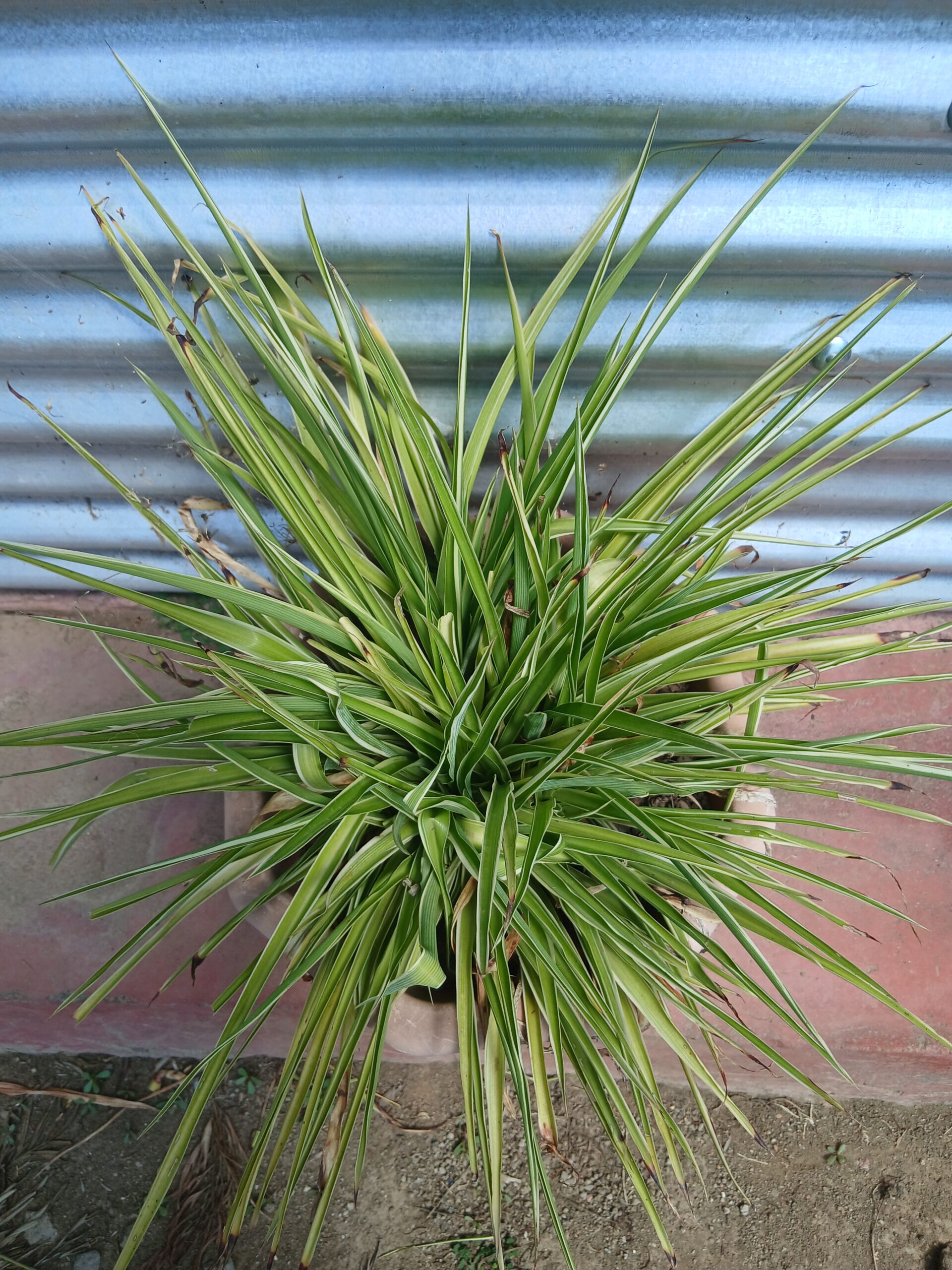
Spider plants evolved as understory plants, growing under taller trees where light comes in soft and filtered.
Their leaves are built for catching gentle, indirect light.
They were never built for shielding themselves from harsh direct rays.
When you throw strong sun at them without warning, the leaf tissue heats up faster than the plant can cool itself down.
That’s when damage starts.
What happens when spider plants get too much sun?
You’ll notice it on the leaves first. It shows up in a pretty predictable pattern.
Leaf tips turn brown and papery, almost like they’ve been left in the oven a touch too long.
Then pale, bleached patches show up on the leaf surface, which is the plant’s version of a sunburn.
In bad cases, whole leaves curl inward and go crispy.
New growth comes in stunted or thinner than usual.
The plant isn’t dying dramatically overnight.
It’s more of a slow decline, the kind where you keep thinking it’ll bounce back until one day it doesn’t.
Can spider plants handle morning sun?
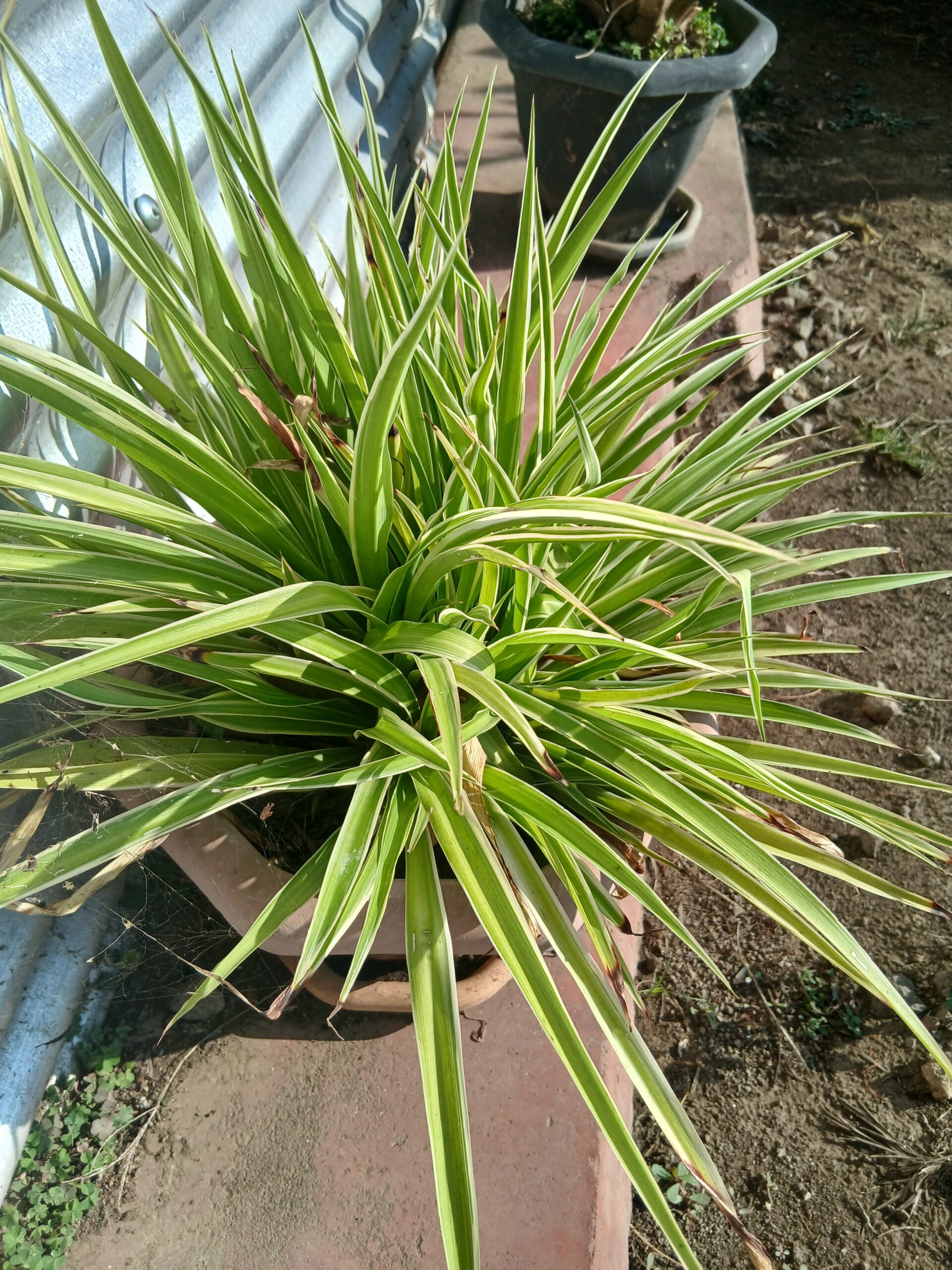
Absolutely, and this is where you should be putting your energy.
Morning sun, roughly between 7am and 11am, is the gentlest kind of strong light you can give this plant.
The sun angle is lower and the air is cooler.
The intensity builds gradually instead of hitting hard right away.
Plants that get this kind of light tend to grow thicker and fuller.
You’ll also see more of those little baby plantlets everyone loves.
Afternoon sun is the real problem
Here’s where things go wrong for most people.
Afternoon sun, especially between noon and 4pm, is stronger and hotter, and it comes stacked on top of higher air temperatures.
That combination is brutal on a spider plant.
The leaf surface heats up fast and the soil dries out quicker. That leaves you far less room for error if you miss a watering.
A spot with even two or three hours of afternoon sun can cause more damage than five hours of morning light.
If your patio only has afternoon sun available, plan on some kind of shade cover during the hottest stretch of the day.
Or just move the pot to a shadier spot until evening.
The best place for your spider plants
Picture a spot that catches soft morning light, then slides into natural shade by early afternoon.
That’s the dream setup, and most yards have a spot like this somewhere.
You just have to go find it.
Look near the east side of a house or fence.
Morning sun comes in first there, and structures block the harsher afternoon rays.
Under a tree with high, thin branches works well too, since it filters light without blocking it completely.
Avoid spots against south facing walls or concrete patios that soak up heat all day.
Those areas trap extra warmth long after the direct sun has moved on.
This way your plant pays for that heat even in the shade.
Can variegated spider plants take more sun?
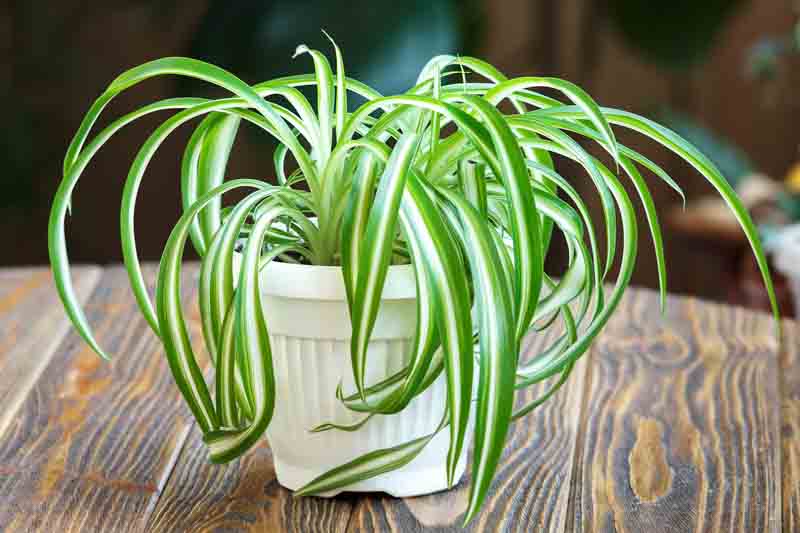
This is a question I get constantly.
Variegated spider plants have white or cream stripes down the leaves.
They generally need a bit more light than solid green varieties to keep those markings bold.
Those white sections of the leaf have less chlorophyll, which means less protection against intense light.
So while variegated plants appreciate more light overall, they’re not necessarily tougher against harsh direct sun.
They’re just hungrier for brightness to maintain their pattern.
Give a variegated spider plant a bit more morning sun than you’d give a solid green one.
Keep the same caution around afternoon exposure, though, since more light for color doesn’t mean more tolerance for heat.
What about green spider plants?

Solid green spider plants are the tougher, more forgiving option overall.
With more chlorophyll packed into every leaf, they handle a wider range of light conditions without much fuss.
They can also take a bit more afternoon exposure than their variegated cousins.
If you’re new to growing spider plants outside and want the lower risk option, start with a solid green variety.
It gives you more room for error while you’re figuring out your yard’s specific light pattern.
Once you’ve got a good feel for how sun moves through your space, graduate to variegated types with more confidence.
Can spider plants be acclimated to more sun?
Yes, and this is the single most useful thing you can do for this plant.
Acclimation means slowly increasing sun exposure over a period of weeks instead of making one big move outdoors.
Here’s the schedule that works well:
- Days 1 to 4: Full shade outdoors only, letting the plant adjust to outdoor air and humidity first
- Week 1: Introduce 1 to 2 hours of gentle morning sun
- Every 5 to 7 days after: Add one more hour of morning sun exposure
By the end of a month, many spider plants can handle 4 to 6 hours of morning sun with no damage.
Skipping this process and moving a plant straight into full sun is where almost every failure story starts.
Signs your spider plant Is happy outside

Your plant will tell you when things are going well, if you know what to look for.
Leaves stay a rich green, or crisp white and green for variegated types, without any browning or bleaching.
New growth comes in thick and upright rather than thin and floppy.
You’ll start noticing baby plantlets dangling off the ends of long stems, sometimes called spiderettes.
These usually show up once the plant is getting enough light and feels established.
The soil dries out at a steady, predictable rate rather than baking dry within hours.
Signs it’s getting too much sun
On the flip side, here’s what tells you it’s time to pull back.
- Leaf tips and edges turn brown, dry, and papery to the touch.
- Pale or bleached patches show up on the leaf surface, especially on the side facing the sun most directly.
- Leaves curl or fold inward during the hottest part of the day as a defense move.
- They often uncurl again by evening.
- Soil dries out unusually fast, sometimes within a single day. The heat pulls moisture out of both the plant and the pot.
If you spot two or more of these signs, move the plant to a shadier spot for a week.
Let it recover before trying again with a shorter sun window.
Things that could be hurting your spider plant without your knowledge

Beyond the obvious sunburn signs, there are a few sneaky situations that catch people off guard.
Reflected heat: A patio spot that only gets three hours of direct sun sounds gentle enough, right?
But if that spot sits next to a white wall or a concrete slab, extra heat bounces right back onto your plant.
Pot color: A dark colored container absorbs heat fast, and the roots inside can overheat even on a mild afternoon.
Swap the same plant into a lighter pot, same exact spot, and it does just fine.
Underwatering: If your plant is even slightly underwatered, the roots can’t keep up.
Leaf edges start crisping, and once that happens, the plant loses its ability to cool itself.
The evening comeback: Your plant looks stressed in the afternoon, then perks back up once the sun goes down.
That daily crash and recovery pattern feels reassuring, but it wears the plant down.
Check your plant at 2pm, not first thing in the morning and not at sunset.
That’s the only honest window into what’s going on with it.
Parting shot
Spider plants are tougher than their reputation.
They can live outside in full sun, thrive even, but you need to be strategic how you go about it.
Give them bright shade or a few hours of gentle morning sun, and they’ll reward you with greener leaves, faster growth, and plenty of baby plants to share with friends.
When choosing a spot, think about how the light changes throughout the day instead of how it looks at breakfast time.
Your spider plant will thank you by staying lush instead of turning into a collection of brown, crispy ribbons.
Related Posts: