Spider Plant Disadvantages: 15 Downsides Every Plant Owner Should Know
Last Updated on July 31, 2026 by Duncan
Spider plants have this reputation as the golden child of houseplants. Cute, cheap, forgiving, perfect for beginners.
I get it. I have four of them in my house right now.
But after fifteen years of growing these plants in every kind of home you can imagine, I can tell you they’re not the drama-free roommate everyone claims they are.
Here are the disadvantages that show up after the honeymoon phase ends.
They can be messy
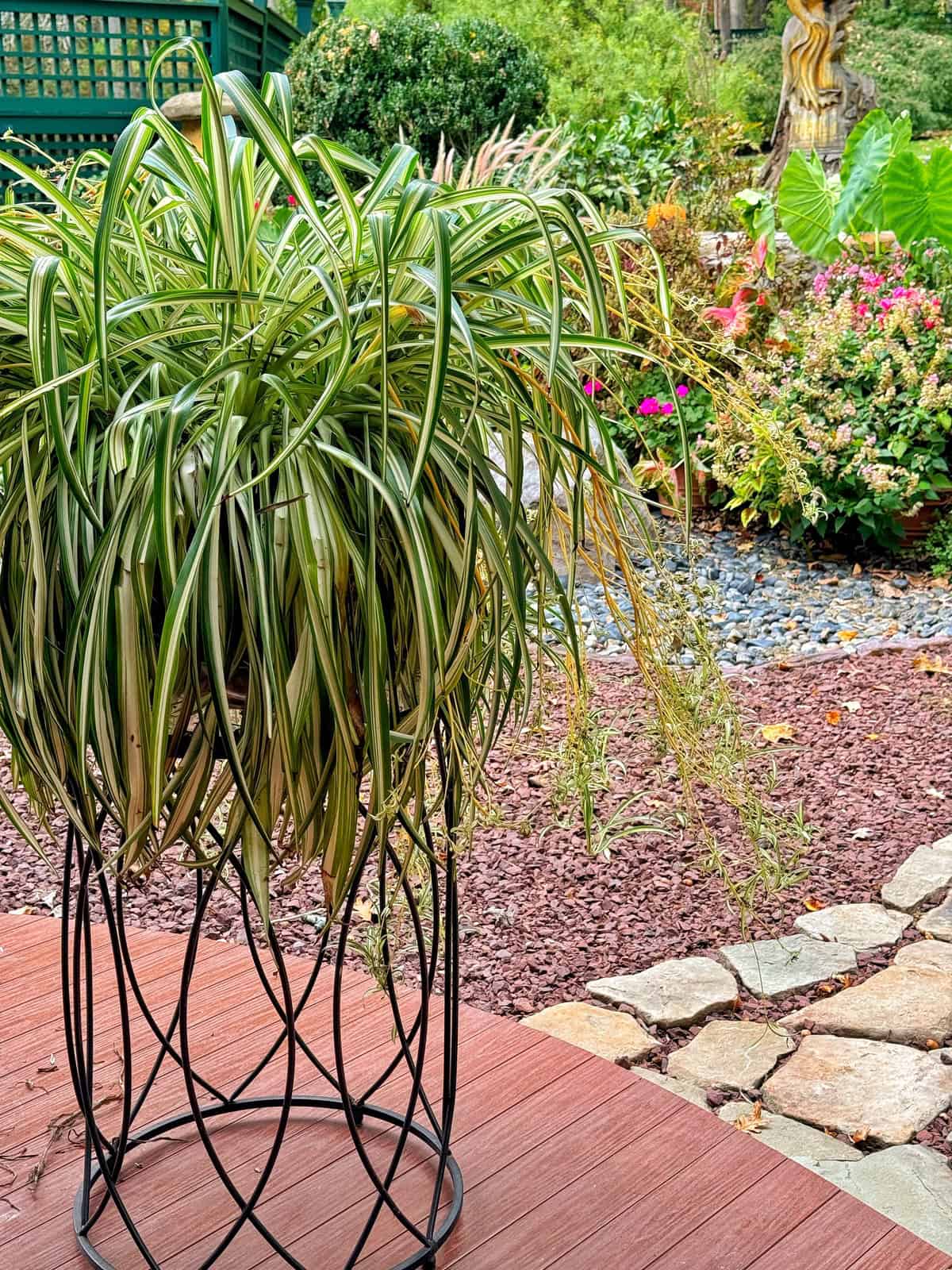
A happy spider plant does not stay small or tidy.
It sends out long stems loaded with baby plantlets.
Those babies multiply fast, and your one neat pot turns into a tangled jungle of dangling greenery.
I once let mine go for a full summer without touching it.
By September it looked like something out of a horror movie, vines everywhere, spiderettes tangled in my curtains.
If you want a neat, controlled plant, commit to regular trimming.
This is not a “set it and forget it” situation, no matter what the plant tag says.
They don’t show problems until it’s almost too late
Spider plants can look completely fine on the outside while something is quietly going wrong underneath.
Overwatering is a perfect example.
These plants store water in thick, tuberous roots. If the soil stays wet too long, those roots start rotting from the inside out.
Leaves can look totally healthy for weeks while the roots quietly die below the soil.
Then one day the whole plant collapses, seemingly out of nowhere.
You can easily overwater them

People hear “low maintenance” and assume that means water it often.
Spider plants end up drowned more than almost any other common houseplant because of this.
These plants want to dry out between waterings.
Their fleshy roots hold onto moisture, so constant watering just gives root rot a head start.
Check the soil before you water instead of sticking to a fixed schedule. Push a finger two inches down, and if it’s still damp, wait a few more days.
Brown leaf tips can be too ugly

Spider plants are sensitive to the chlorine, fluoride, and minerals found in regular tap water.
That sensitivity shows up as crispy, brown tips on nearly every leaf.
I watered mine straight from the tap for two years before figuring out why the tips kept browning.
It wasn’t sunlight or dry air, it was my water.
Once the damage happens, it’s permanent on that leaf.
Your fix is switching to filtered, distilled, or rainwater and waiting for new growth to come in clean.
They can be sensitive to tap water
Not all tap water is created equal.
What works fine for one plant in one city can quietly damage a spider plant in another.
Hard water, softened water, and heavily treated municipal water all carry their own mix of minerals.
Your neighbor’s plant might do great on tap water while yours struggles for reasons that have nothing to do with your care routine.
If you’re seeing brown tips despite doing everything else right, test your water first, not your watering schedule.
They can be harmed by fertilizer
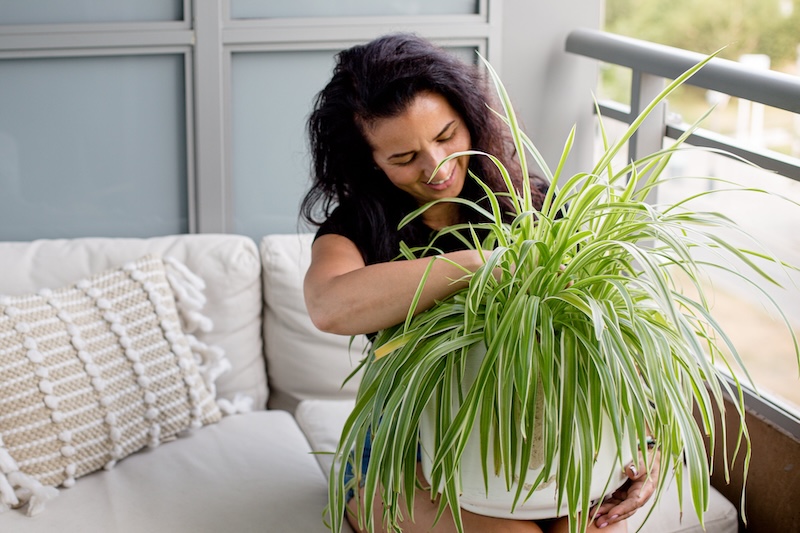
It feels productive to feed your plants, so people often over-fertilize spider plants thinking more nutrients means more growth.
In reality, these plants are light feeders.
Too much fertilizer burns the roots and leaves salt deposits behind.
I made this mistake early on, feeding mine every single time I watered.
Within a month the tips were browning worse than the tap water damage I’d already been fighting.
Feed sparingly, maybe once a month during the growing season, and skip it entirely in fall and winter.
Salt and minerals can easily buildup
A white, crusty layer on top of your soil is mineral salt from fertilizer and tap water building up over time.
It’s a direct result of the two issues above.
Spider plants have shallow root systems, so minerals don’t flush out naturally the way they do with deeper-rooted plants.
Left alone, that buildup slowly damages the roots and stunts growth.
Flush the pot with plain water every couple of months and let it drain completely. That one habit keeps the salt layer from creeping in.
They can become leggy without enough light

Not every home has that bright, sunny corner Pinterest photos make it look like everyone has.
Put a spider plant somewhere too dim, and it starts stretching toward whatever light source it can find instead of staying full and bushy.
The result is a sad, leggy plant with long bare stems and sparse leaves clustered at the ends.
It’s not dying, but it’s definitely not the lush look you had in mind.
They aren’t ideal for very dark rooms
So many people put these plants in bathrooms or hallways with almost no natural light.
Spider plants can survive low light, but surviving and thriving are two different things.
Most people buy spider plants for those gorgeous white and green stripes, and variegation depends heavily on light.
Put your plant somewhere too dim, and the new leaves grow back solid green instead of striped.
That happens because the plant produces more chlorophyll to compensate for the lack of light.
If you love that striped look, you need bright, indirect light consistently, not a spot behind closed blinds all day.
They can become root-bound fast
Spider plants grow a dense, tangled root system quickly, so repotting becomes a recurring chore.
Ignore it too long, and the roots start pushing the plant up out of the pot.
Sometimes they circle so tightly that water can’t reach the center anymore.
I’ve cracked more than one plastic pot because I put off repotting far too long.
Plan on repotting every two to three years, and don’t be surprised if it needs it sooner when your plant is thriving.
Large, mature plants need a large space
Nobody pictures their cute little spider plant turning into a sprawling, three-foot-wide monster, but mature ones absolutely can.
Once the cascading leaves and baby plantlets fill out, a single plant can take up far more shelf or floor space than you budgeted for it.
I underestimated this badly with one plant I kept on a small side table.
Within a year it had swallowed the entire surface and started draping onto the floor.
If you’re tight on space, either commit to regular trimming or plan for a bigger spot from the start.
Dust builds up on the leaves
This sounds minor, but the effect on your plant is bigger than it looks.
Those long, flat leaves collect dust fast, especially on higher shelves.
A dusty layer blocks light from reaching the leaf surface, which quietly slows down photosynthesis.
It also looks a little sad and neglected, even if the plant is otherwise healthy.
Wipe the leaves with a damp cloth every few weeks, or give the plant a quick rinse in the shower every couple of months.
It takes five minutes and makes a bigger visual difference than almost anything else on this list.
Pets may turn them into chew toys

If you have a cat, this one matters a lot.
Spider plants contain a compound that acts a little like a mild stimulant to cats, similar to catnip in effect.
Some cats couldn’t care less.
Others will chew that plant down to bare stems within days.
My sister’s cat treated her spider plant like an all-you-can-eat buffet. She ended up hanging it from the ceiling just to save it.
If your cat already goes nuts for greenery, know this plant is not automatically safe from their teeth.
They don’t purify air the way people claim

You’ve probably seen the claim that spider plants clean your indoor air, thanks to that old NASA study everyone loves to quote.
Here’s the catch nobody mentions.
That study used sealed lab chambers with no airflow, nothing like your living room.
To get any meaningful air purifying effect at home, you’d need dozens of plants crammed into every room.
One spider plant on your windowsill is decorative, not a substitute for opening a window.
Buy it because you like it, not because you think it’s filtering your air like a machine.
They can be dramatic
These plants are more sensitive to temperature swings than their tough reputation suggests.
A cold draft from a winter window or an air conditioner blasting the leaves can cause sudden drooping and stress.
I moved a plant near a drafty window one winter and watched it sulk for weeks.
Its leaves went limp and sad, even though I hadn’t changed my watering at all.
Keep your plant away from direct drafts and vents, and it will stay upright and perky.
They can become addictive
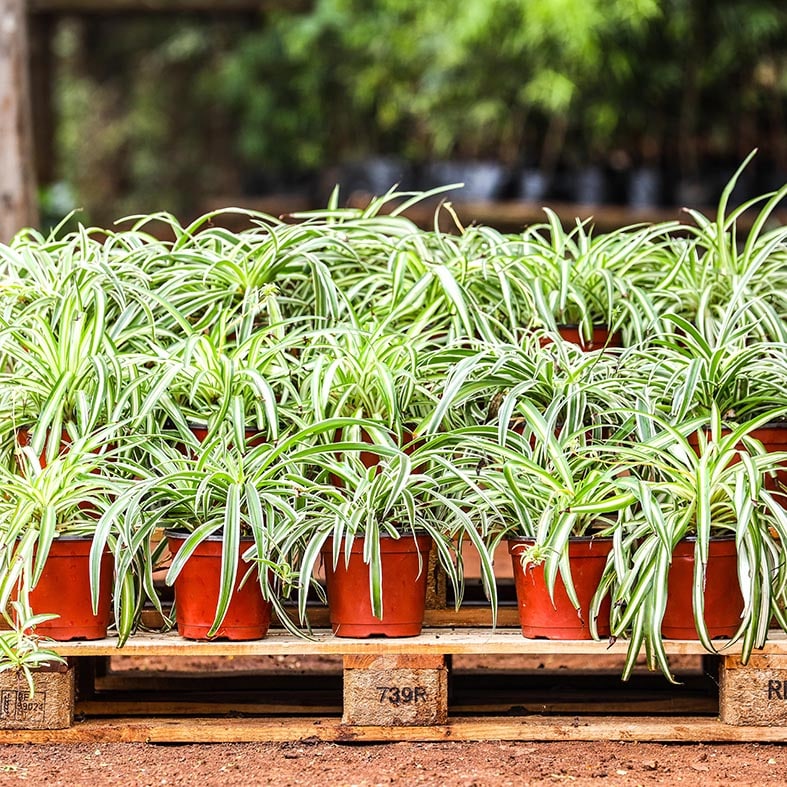
This is a different kind of problem than everything else on this list.
Once you successfully propagate one spiderette, you’ll want to propagate them all.
Suddenly you own way more spider plants than you need.
I started with one plant five years ago and now have enough babies growing in jars on my windowsill to open a small nursery.
Consider yourself warned, friends and family will start receiving spider plant babies as gifts whether they asked for one or not.
Frequently Asked Questions
Are spider plants safe in bedrooms?
Yes, they’re one of the safer plants to keep near your bed. They aren’t toxic to humans, and there’s no real safety concern with having one on a nightstand or dresser.
Which is better, snake or spider plant?
It depends on what you need.
Snake plants handle neglect and low light better, while spider plants grow faster and produce those fun baby plantlets you can propagate and share.
If you travel often or forget to water, go with a snake plant. If you want a plant that feels alive and keeps producing something new, spider plants win.
Are spider plants good for the house?
Overall, yes. They’re easy to propagate, they adapt to a range of light conditions, and they add a soft, trailing look to shelves and hanging baskets.
Just go in with the realistic expectations covered in this article, and they make a solid addition to most homes.
Does spider plant bring luck?
In several traditions, including feng shui, spider plants are considered good luck.
They’re associated with purifying energy and inviting positive vibes into a space.
There’s no science behind this, but plenty of people keep one specifically for that reason, and there’s no harm in believing it.
Is spider plant lucky inside the house?
Yes, many people consider spider plants lucky indoors, especially near an entryway or in a living room.
The belief is that they absorb negative energy and encourage growth and abundance in the home.
Whether or not you buy into the symbolism, they’re low-cost, low-drama, and pretty enough to earn their spot either way.
So are spider plants worth it?
Yes. Every disadvantage on this list is manageable once you know it’s coming.
None of these issues are true dealbreakers.
They’re just the parts of spider plant ownership the “impossible to kill” crowd conveniently skips over.
Go into it with realistic expectations, filtered water, a trimming routine, and a watchful eye on your soil.
Do that, and you’ll have a plant that rewards you for years.
Just don’t expect it to be quite as low maintenance as the internet promised you.
Related Posts: