How Do I Treat My Lawn in Winter?
Last Updated on February 16, 2026 by Duncan
As a responsible homeowner, you might be wondering how to treat your lawn in winter so it looks good, right? Well, there are several things you can do. These things include:
Keep the leaves off your lawn
Deciduous trees’ leaves will fall and collect on lawns during November and December. These leaves may also collect in hollows and corners if it’s windy.
If ignored, these will shade the grass and eventually kill out entire sections of your lawn. And you don’t want this.
Once the leaves have fallen, remove them from the lawn. You can do this with a rake, mower, or blower. If you wish to get rid of them, bag them for leaf mold or throw them in your green trash bin.
Simply transfer them to bare soil areas to act as winter mulch. Here, they will construct homes for overwintering insects, rot down to enhance the soil, and protect vulnerable plant crowns from frost damage.
Be cautious of frost and snow.
The reason your lawn is so vulnerable to winter damage is that grass is up to 80% water, and when that water freezes into ice, the blades can no longer bend and flex; instead, they snap.
And because the grass is dormant, it cannot recover or repair the damage, which will be seen as soon as winter ends: yellowish-brown footprints and vast brown regions plagued with fungal diseases like snow mold and rot.
When you notice frost on your lawn, the grass is vulnerable, and you must take extra care not to walk on it.
Winter snow, on the other hand, does not pose a problem for grass. It helps preserve your lawn by insulating it from frost and icy winds. Regardless of how long the snow lingers, you should avoid disturbing it or walking on it.
Keep an eye on fungal infections.
Fusarium patch disease is a fungal infection that affects grass during the cool months. Grass is generally nutritionally deficient in December, January, and February, when critical nutrients are washed out of the soil.
This makes it vulnerable, and if the environmental conditions are right, a Fusarium infection can spread. You can also observe red thread in the middle of winter.
Checking your lawn for signs of illness should be part of your winter lawn care routine. To be on the safe side, keep an eye on it. If you notice any white, moldy areas or circular rings, contact your local lawn care technician for a diagnosis.
If identified early, it may not require fungicide treatment; simply rebalancing the nitrogen levels may allow the grass to recover on its own.
Keep off your lawn
The winter months tend to be wet. Lawns with heavy soil might remain soggy for months. When the soil is wet, it is critical to limit foot traffic to retain its integrity.
Stepping on damp dirt pushes air out. When dry, soil without air spaces compacts and dries like concrete, preventing roots from developing into the ground.
Grass on top of compacted soil withers and thins. A compacted lawn will require aeration to recover, which can be costly, and the soil may take months to heal.
It is always better to prevent rather than to treat. To be on the safe side, stay off your lawn while it is damp, and the grass will thrive again in the summer.
Control the moss
Moss loves the winter. Mosses flourish in wet, shady environments, and the winter months are damp and dark. If your grass is prone to moss, it can fully take over during the winter. And this is not good.
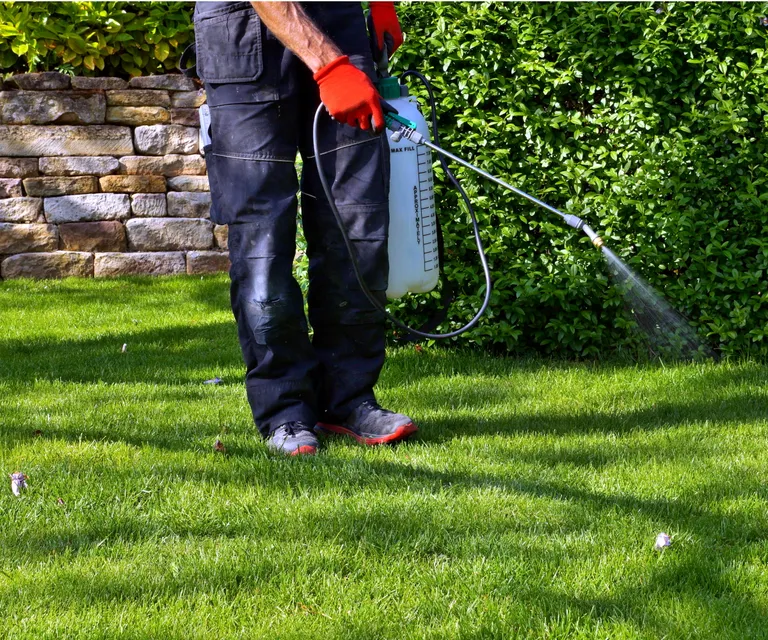
You should apply a moss-control treatment in early winter to keep it at bay. If the Moss is bad, it may be necessary to retreat it in early Spring before performing a light spring scarification.
Moss treatment should always be a part of your winter lawn maintenance routine. Again, prevention is always better than a cure.
Mow your lawn if necessary.
Winters can be mild at times. The development of grass is temperature-dependent. Your lawn will thrive if the weather is moderate.
Don’t be scared to mow the grass over the winter if you think it’s becoming unsightly. Make sure the grass is dry and set the mower blades high enough.
The beauty is that mowing in the winter will not only keep your lawn clean, but also keep detritus off the grass, allowing it to receive as much sunlight as possible.
Use a slow-release fertilizer if you must.
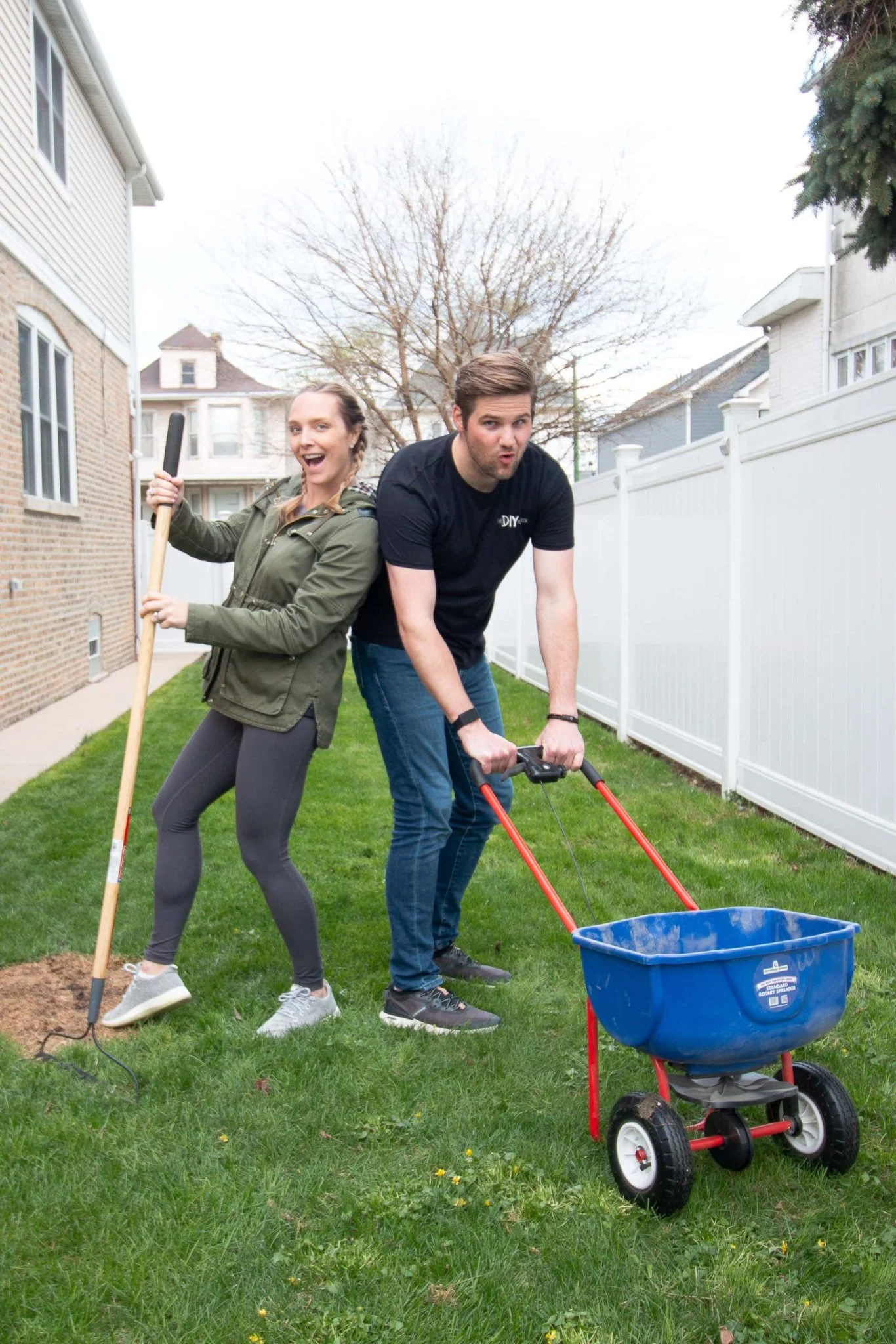
A slow-release fertilizer with a good NPK ratio (Nitrogen, Phosphorus, and Potassium) is essential for preserving plant health during the winter. To ensure nutrient uptake, the application should be administered before dormancy begins.
Potassium is the crucial nutrient here because of its plant-strengthening properties, which help lawns withstand the frigid winter months.
You should consider applying a solution like Pride Lands fertilizer to drip feed the grass and improve its overall color before Spring arrives.
Related Posts: