How to Keep Grass from Dying in Summer
Last Updated on August 17, 2026 by Duncan
Summer can turn a beautiful lawn into a patchwork of brown grass, bare soil, weeds, and crunchy footprints surprisingly fast.
The good news is that your lawn does not need to be babied every hour of the day.
It needs the right habits at the right time, especially when heat, intense sunlight, drought, foot traffic, and mowing stress all arrive at the same time.
After working on hundreds of lawns, I have seen the same pattern repeatedly.
Lawns rarely collapse because of one scorching afternoon. They struggle because several small mistakes pile up until the grass has no reserve left.
To help you out, here is how to keep your lawn green, dense, and resilient through summer, including the easy to miss problems that can quietly damage it.
Don’t mow too short
I get it. Fewer mowing sessions sounds like a win when it’s ninety degrees out.
But grass cut too short in summer is like sending someone to the beach without sunscreen and calling it efficient.
Short blades mean less leaf surface to shade the soil and roots underneath.
The ground bakes, moisture evaporates fast, and the roots stay shallow because they never had to reach for anything.
Keep your mower deck at three to four inches through summer and your lawn will thank you by staying green while the neighbor’s turns into straw.
Apply the right amount of water
This is the mistake I see most often, and it comes from a good place.
People feel like their lawn is thirsty so they give it a quick sprinkle every evening.
Shallow, frequent watering trains roots to stay near the surface where the water is.
Those roots never learn to dig deep, so the first heat wave that catches you on vacation wipes out weeks of effort.
Water less often but longer, aiming for about an inch a week delivered in one or two deep soakings instead of seven light ones.
Don’t water in the afternoon sun
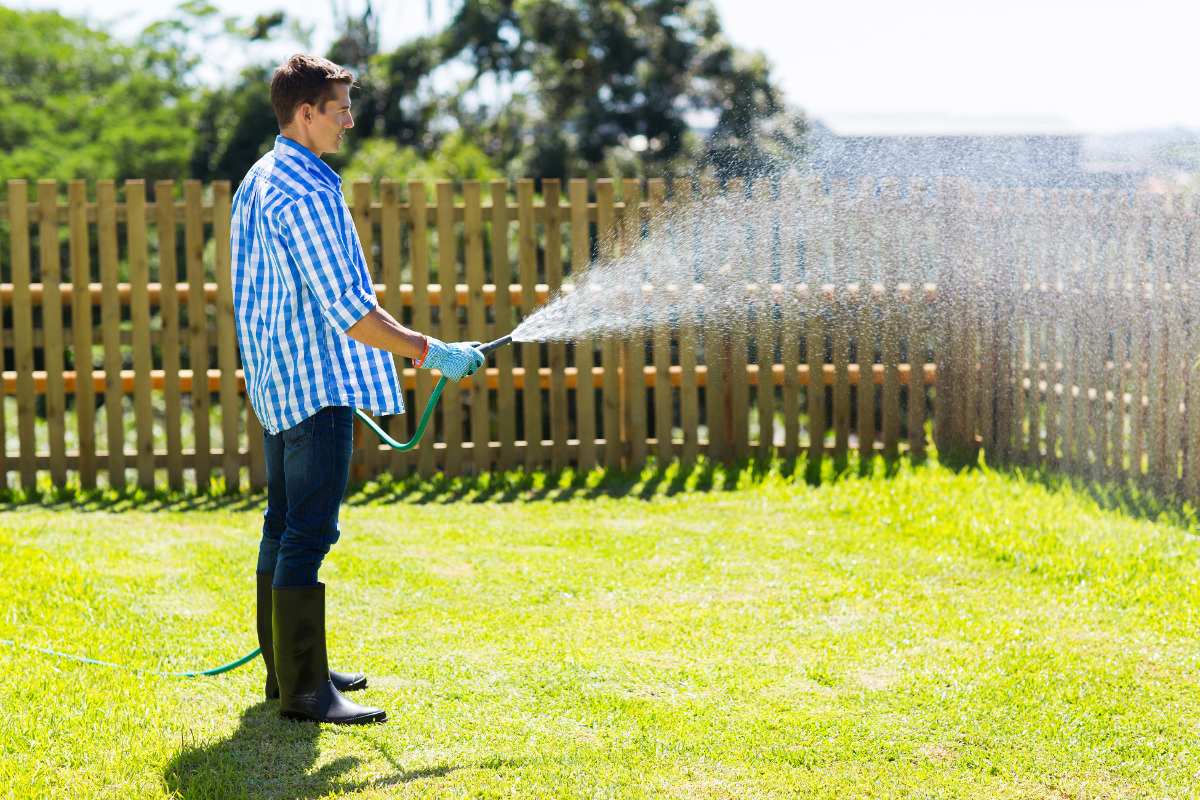
I once watched a homeowner run sprinklers at two in the afternoon during a heat wave because that’s when she happened to be home.
Half her lawn scorched within days.
Water droplets sitting on grass blades in full sun act like tiny magnifying glasses, and a lot of that water just evaporates before it ever reaches the roots anyway.
To stay on the right side, water early in the morning, ideally before eight, when it’s cooler and the grass has all day to dry out and avoid fungus.
Fix the compacted soil
Foot traffic, kids, dogs, and lawn furniture all compact soil over time, especially clay heavy soil.
Compacted soil turns your yard into a shallow bowl that water just runs off of instead of soaking into.
If you press a screwdriver into your lawn and it barely goes in, that’s your answer right there.
Aerate in late spring before the real heat arrives so roots have loosened soil to expand into when they need it most.
Cut your grass with a sharp blade

A dull mower blade doesn’t cut grass, it rips it.
I’ve seen lawns mowed weekly with a blade that hadn’t been sharpened in two years, and every blade tip looked shredded and brown from a distance.
It looked like the whole yard had a bad haircut.
Torn grass tips lose moisture faster and open the door for disease, which is the last thing you need when it’s already hot and stressful for the plant.
The right thing you should do is to sharpen your blade at least once a season, more if you’re mowing a lot of sandy or debris filled soil.
Time your fertilizer applications
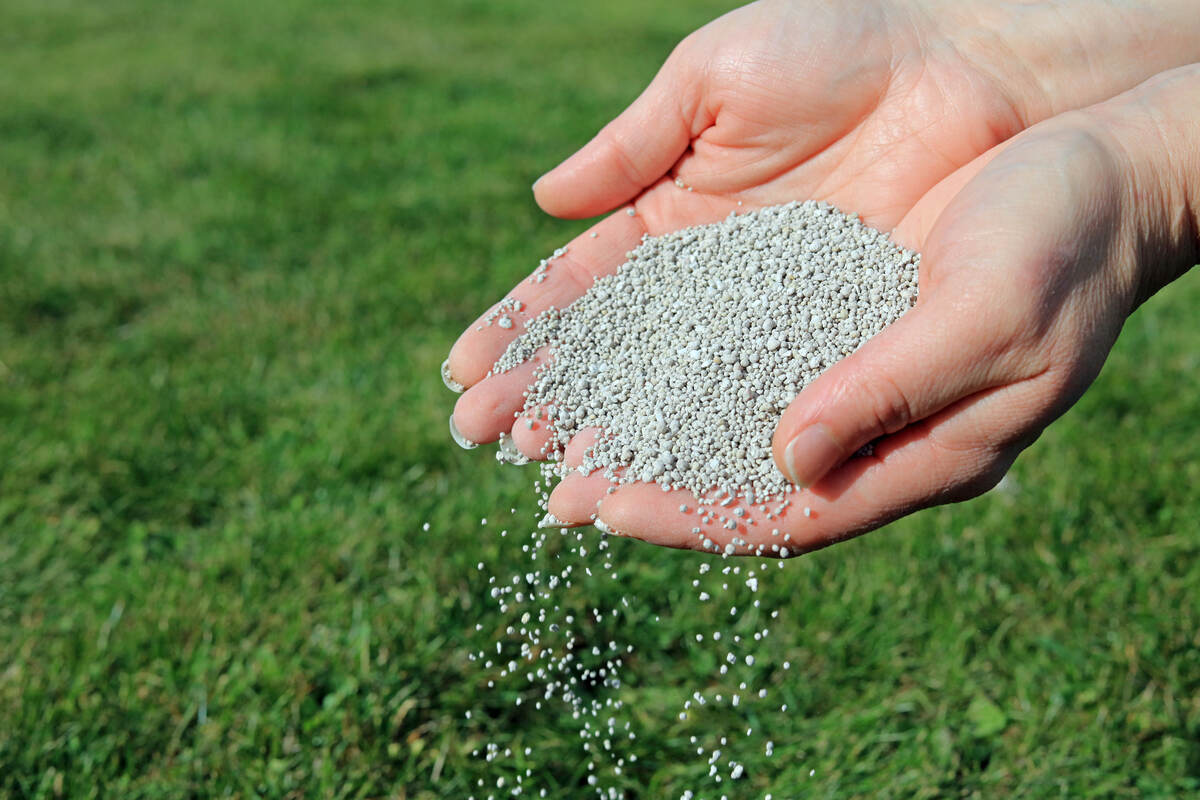
Fertilizer pushes fast, tender growth, and tender growth needs a lot of water to support it.
Feeding your lawn a heavy dose of nitrogen right as temperatures spike is like asking someone to sprint a marathon after they just ate a huge meal.
I’ve seen beautiful lawns burn within days of an ill timed fertilizer application because the new growth simply couldn’t keep up with the water loss.
Save the heavier feedings for spring and fall, and if you fertilize in summer at all, use a light, slow release formula.
Get rid of thatch
Thatch is that spongy brown layer of dead grass and roots sitting between the soil and the living grass.
A little bit is normal, but too much acts like a blanket that traps heat and blocks water from ever reaching the roots.
Push your fingers into the lawn near the soil line.
If that dead layer is thicker than half an inch, it’s time to dethatch before summer stress sets in.
I always tell clients to think of it as letting the lawn breathe again.
Treat the microclimates properly
Not every part of your lawn experiences summer the same way.
The strip along your driveway bakes from reflected heat, the spot under your kids’ trampoline gets zero sun, and the corner by the fence catches wind that dries it out faster than anywhere else.
Walk your yard and you will notice these microclimates. This way you get to treat your lawn the right way.
The sunny, exposed patches often need extra attention while shaded areas can practically take care of themselves.
Understand the type of grass you have
:max_bytes(150000):strip_icc()/concrete-stepping-stones-big-57ead9135f9b586c3522b6d7.jpg)
Cool season grasses like Kentucky bluegrass or fescue naturally slow down and can go a little dormant in peak summer heat, and that’s not death, that’s the plant protecting itself.
Warm season grasses like Bermuda or zoysia are built for this weather and hit their stride now.
Knowing which type of grass you have changes how worried you should even be.
I’ve had panicked calls about “dying” cool season lawns that were simply doing exactly what they’re supposed to do in a heat wave.
You should understand the type of grass you have and learn how to treat it in all seasons.
Address the dog uring spots
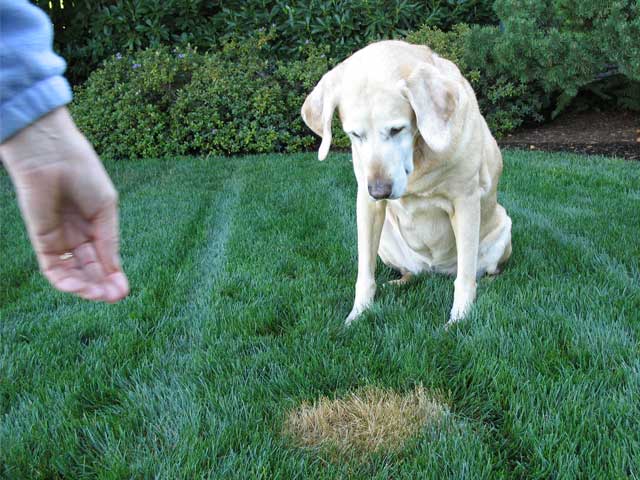
Dog urine spots are one of the most requested fixes I get every summer.
The requests get worse in hot weather because the nitrogen concentration in urine is already high and heat speeds up the burn.
You’ll see those unmistakable rings, green on the outside, brown and crispy in the middle.
Train your dog to a designated spot if you can, or simply follow behind with a hose and dilute the area within a few minutes.
It sounds fussy, but a quick rinse habit saves you from reseeding patches every single year.
Get rid of grubs
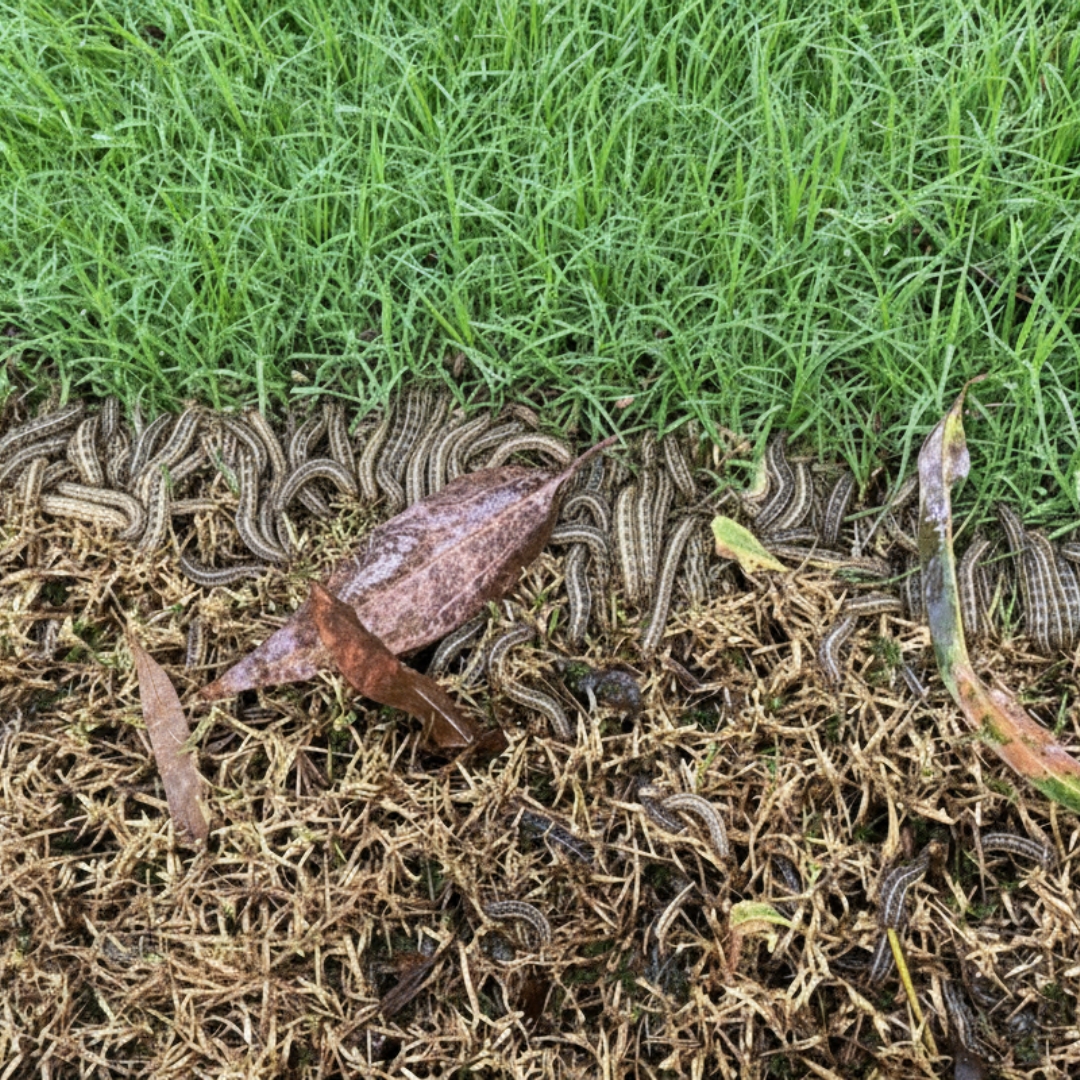
Grubs feed on grass roots all summer long, and because the damage happens underground, most people don’t notice until the grass pulls up like carpet with almost no roots attached.
I’ve knelt down and lifted entire sections of lawn with one hand because the roots were simply gone.
If you see brown patches that feel spongy or loose underfoot, or if you notice birds and skunks digging at your lawn more than usual, check for grubs before assuming it’s just heat stress.
Catching them early means the difference between a treatment and a full reseed.
Mow in different directions
:max_bytes(150000):strip_icc()/GettyImages-155417669-0ee831a9305c463ca435565b24371835.jpg)
This one sounds minor but I promise it isn’t.
Mowing the exact same pattern every time compacts soil in those wheel tracks and trains grass blades to lean one direction instead of standing upright.
Rotate your mowing pattern every couple of weeks, alternating between vertical, horizontal, and diagonal passes.
Your lawn will stand taller and look noticeably more even, almost like it got a better haircut.
Don’t panic the second you see brown
Some browning in peak summer is completely normal, even for a well cared for lawn.
Grass has a built in survival mode where it goes dormant to conserve energy when conditions get rough, and it’s not the same as it dying.
Give a lawn a deep watering and a little patience before you assume the worst and start ripping things out.
I’ve seen more perfectly healthy lawns get torn up in a panic than lawns that were actually beyond saving.
Don’t be in a hurry to destroy your lawn thinking that its damaged as its most likely not.
Parting shot
Every tip on this list comes back to the same root problem, treating your lawn like something you fix in a single big effort instead of something you tend to steadily.
A deep soak here, a proper mow there, a quick check for grubs before things get bad, these small consistent habits matter far more than one heroic weekend of yard work.
Related Posts: