13 Ways to Mow Your Lawn in Less Time (That Actually Work)
Last Updated on May 5, 2026 by Duncan
We all want a beautiful lawn — but most of us don’t want to spend half our Saturday maintaining it.
I’ve been mowing my own lawn since I was 15, and over the years I’ve picked up genuine time-saving habits that cut my mowing sessions from 90 minutes down to around 45, without the lawn looking any worse for it.
Some of these involve equipment choices. Some are about technique. And a few are small habit changes that add up to a big difference over a season.
Here are 13 proven tricks to mow your lawn in less time — along with the reasoning behind each one, so you can judge which apply to your situation.
Quick Reference: Time Savings at a Glance
| # | Tip | Effort to Implement | Time Saved Per Session |
|---|---|---|---|
| 1 | Use the right mower for your lawn size | One-time equipment decision | High — up to 50% |
| 2 | Don’t mow wet grass | Scheduling habit | Medium — 20–30% |
| 3 | Use low-maintenance landscaping beds | One-time landscaping change | High — reduces mowing area |
| 4 | Keep the mower in top condition | Regular maintenance (30 min/month) | Medium — 15–25% |
| 5 | Plant slow-growing grass varieties | One-time planting change | High — fewer sessions needed |
| 6 | Set the right mowing height | Quick adjustment | Low–medium |
| 7 | Clear clutter before mowing | 5–10 min prep routine | Medium — eliminates interruptions |
| 8 | Use wild plants / wildflower areas | One-time planting change | High — eliminates those sections |
| 9 | Get a robot mower | High upfront cost | Maximum — eliminates manual mowing |
| 10 | Mow regularly (don’t let grass get too long) | Scheduling habit | High — prevents remedial sessions |
| 11 | Mow in the correct pattern | Technique change (immediate) | Medium — 10–20% |
| 12 | Hire a landscaping contractor | Ongoing cost | Maximum — eliminates your time entirely |
| 13 | Clean up correctly after mowing | 5–10 min post-mow habit | Saves time on next session |
1. Use the Right Lawnmower for Your Lawn Size
This is the single highest-impact decision you can make.
Using a mower that’s undersized for your lawn means covering every square foot multiple times as the mower struggles; oversized mowers are unwieldy in tight spaces and cause their own inefficiencies. After years of trial and error, here’s the sizing guide I follow:
- Under 500 sq ft: A reel mower is the right tool — lightweight, easy to maneuver, and perfectly adequate for small flat lawns. I started with a reel mower on my first small garden and it was genuinely fast once I got the technique right.
- 500 sq ft to ½ acre: A self-propelled gas push mower or a battery-powered push mower handles this range well. The self-propelled drive makes a real difference to pace on larger areas — you walk behind it rather than pushing it.
- ½ to 1 acre: A wide-deck (21–30 inch) self-propelled gas mower or a small riding mower. The wider deck means fewer passes.
- Over 1 acre: A riding mower or zero-turn mower is the practical choice. Covering an acre-plus with a push mower adds an hour or more to your session.
On power source: battery-powered mowers are worth serious consideration if your budget allows. They require no gas, no oil changes, no carb cleaning, and no cord to manage.
My neighbor switched to a 60V battery mower two seasons ago and his pre-mowing prep time dropped from 15 minutes (checking gas, priming, pulling the cord) to under two minutes.
The run time on modern battery mowers is adequate for most residential lawns, and the total time savings across a season are significant.
Corded electric mowers are generally the worst choice for time efficiency — you spend the entire session managing and repositioning the cord to avoid running over it.
2. Don’t Mow When It’s Wet
Wet grass is one of the most common causes of slow, frustrating mowing sessions.
As I covered in detail in this article on mowing wet grass, lawnmower blades cut wet grass far less cleanly than dry grass. Wet blades clump and clump again, clogging the mower deck repeatedly.
Every clog means stopping, switching off the engine, clearing the deck, and restarting — that sequence can add 20–30 minutes to a session on a moderately damp lawn.
There’s also a quality problem: wet grass often falls flat against the ground, causing the mower to glide over it rather than cut it.
You end up going back over sections multiple times to get the result you could have achieved in a single clean pass on dry grass.
My practical rule: if there was rain or heavy dew in the past four hours, I wait.
If the session can’t wait (e.g., the lawn is getting too long and rain is forecast for the next several days), I raise the cutting height by one notch and move more slowly — that minimizes clogging and gets the job done faster than fighting a clogged deck at normal height.
3. Use Low-Maintenance Landscaping Beds
This one takes some upfront investment but pays dividends every single mowing session for years afterward. The logic is straightforward: ground you don’t have to mow takes zero mowing time.
Low-maintenance landscaping beds replace sections of grass with materials that need no cutting: gravel, bark mulch, river rock, drought-tolerant succulents, ornamental grasses, or ground cover plants like creeping thyme.
A well-placed bed along a fence line, around a tree, or bordering a path can eliminate some of the most time-consuming mowing areas — the tight corners, the narrow strips between objects, the edges that require multiple repositioning passes.
I added a gravel bed along one fence line of my garden several years ago, replacing about 40 square feet of lawn.
That section used to require four or five careful passes with a trimmer afterward because the mower couldn’t get close enough to the fence. Now it requires nothing — zero time, every single week.
Rock gardens and succulent beds are particularly good choices for dry or sandy soils. If you’re unsure what suits your climate and soil type, a local landscaping contractor can recommend options that will establish quickly and need minimal intervention once planted.
4. Keep the Lawnmower in Top Condition
A neglected mower is a slow mower. The most common culprits are dull blades and unlubricated moving parts — both of which force you to make multiple passes to achieve the cut a well-maintained machine achieves in one.
Blade Sharpening
Dull blades tear grass rather than cut it. Torn grass takes longer to mow (you often need a second pass over the same area), looks worse afterward, and is more vulnerable to disease.
I sharpen my mower blades at the start of each mowing season and again at mid-season if the lawn has more than an acre or contains tough grass varieties.
You don’t need a professional — a metal file or bench grinder works perfectly, and there are clear instructions on the blade itself for the correct bevel angle. The whole process takes about 20 minutes.
Moving Parts and Deck Cleaning
After every three or four mowing sessions, I clean out the underside of the mower deck and lube the wheel adjustment mechanisms and any pivot points on the handle. Grass buildup under the deck reduces airflow and cutting efficiency.
A plastic scraper and a stiff brush are all you need — five minutes max. A quick spray of engine oil on the pivot points keeps adjustments snapping into position quickly rather than requiring effort.
Keeping the mower in top condition also means checking the air filter and spark plug annually for gas mowers. A clogged filter reduces engine power, which directly reduces cutting speed.
5. Plant Slow-Growing Grass Varieties
Not all grass is the same. Some varieties grow aggressively and need cutting every five to six days in peak growing season; others grow slowly enough that a weekly or even fortnightly schedule keeps them looking presentable.
Choosing a slow-growing variety reduces the total number of mowing sessions per season — which is the ultimate time saving.
Common slow-growing options include fine fescue varieties (such as creeping red fescue and chewings fescue), buffalo grass, and zoysia grass.
The right choice depends entirely on your climate, soil type, and sun exposure. A local landscaping expert or garden center is the best source of advice for your specific region.
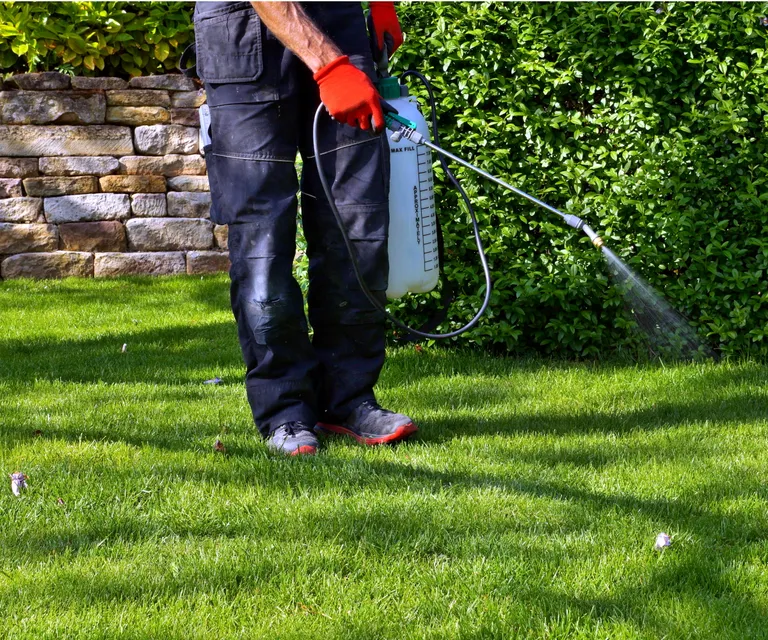
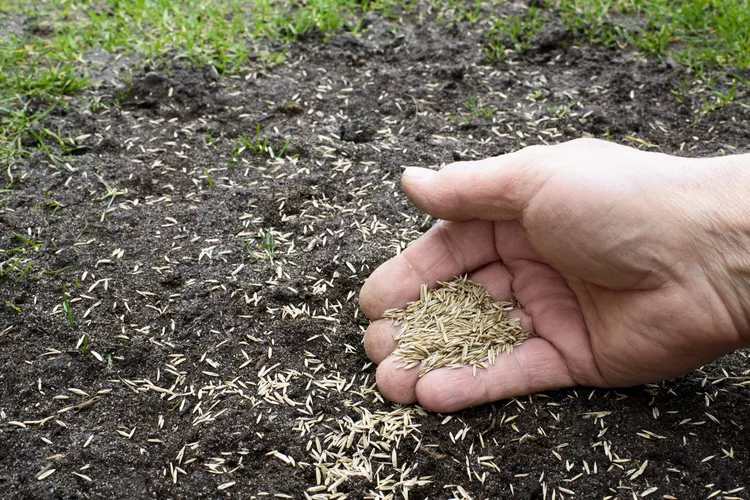
If you’re transitioning from a fast-growing variety, you’ll likely need to kill the existing grass first before overseeding or laying turf with the new variety.
This involves some effort upfront — typically herbicide application followed by a waiting period — but the long-term reduction in mowing frequency makes it worthwhile for many homeowners.
6. Set the Right Mowing Height
Cutting height affects both how fast you can mow and how quickly the grass needs mowing again. Two principles guide my height decisions:
The one-third rule: Never remove more than one-third of the grass blade length in a single session. Cutting more than that stresses the grass, weakens the root system, and ironically causes the lawn to grow back faster as it compensates.
If the grass has grown very long (because you missed a session or had a rainy stretch), raise the cutting height for the first pass and lower it for a follow-up pass a few days later, rather than trying to take it all off at once.
Height and mowing speed: A cutting height that’s too low forces the mower to work harder and often clogs the deck faster. A height that’s correct for your grass variety allows the mower to move through at a steady pace without resistance.
If you find yourself slowing down or hearing the engine strain, raise the cutting height one notch.
Most mowers adjust cutting height via levers or knobs on each wheel. Set all four wheels to the same height before starting — mismatched wheel heights produce an uneven cut that looks poor and may require going over the lawn again.
7. Clear Clutter Before You Start
Five minutes of pre-mowing prep can save 20 minutes of interruptions during the session. The rule I follow: walk the entire lawn once before starting the mower and remove anything that doesn’t belong.
Common culprits include acorns and pinecones (use a rake specifically designed for acorns — a regular garden rake is slow), stones near garden edges, toys left on the lawn, fallen branches, dog toys, and anything else that could either clog the mower or — more seriously — be discharged as a projectile at high speed.
A mower blade spinning at 3,000 RPM can launch a rock or acorn at speeds that cause serious injury. Clearing clutter is both a time-saving and a safety measure.
I also use this walk-around to check for any soft spots or holes in the lawn (a broken mower wheel or a sudden lurch can happen if you hit an unexpected dip at pace), and to identify any obstacles at the lawn edges that might complicate turning.
8. Let Part of the Lawn Go Wild
This isn’t for everyone, but it’s worth knowing as an option. A wildflower meadow or native plant zone requires zero mowing — and can be genuinely beautiful, especially in late spring and summer when it’s in flower.
Converting even a small section of your lawn (say, a back corner or a slope that’s awkward to mow) to wildflowers or native grasses reduces your total mowing area permanently.
Native plants typically need cutting once a year at most — usually a single pass in late autumn to cut back growth before winter. The rest of the year, they look after themselves.
As a bonus, wildflower areas support pollinators and local wildlife, which is increasingly valued in lawn care circles.
If you want the benefits without a permanently wild look, mow a clear edge between the wild section and the formal lawn — that single clean line makes the contrast look intentional and well-maintained rather than neglected.
9. Get a Robot Mower
If maximum time saving is the goal, a robotic mower is the logical endpoint.
Modern robot mowers are significantly more capable than early models — they handle slopes, work around obstacles, automatically return to their docking station to recharge, and can be scheduled via smartphone apps to run while you’re at work or asleep.
The trade-offs are real: quality robot mowers start at $500–$600 for basic residential models and climb well above $2,000 for models that handle larger, more complex lawns.
They also require an initial perimeter wire installation (on most models) to define the mowing boundary, which takes a few hours to set up.
And they mow frequently in short sessions rather than in a single weekly pass, so the lawn is never “just mowed” in the traditional sense — it’s simply always at a consistent maintained height.
For homeowners with busy schedules and lawns of a quarter-acre or less, the math can work in favor of a robot mower within two to three seasons when you factor in time saved.
For larger or more complex lawns, the premium models are expensive enough that hiring a contractor is often cheaper in the short term.
10. Mow Regularly — Don’t Let Grass Get Too Long
This is the single biggest behavioral change that reduces per-session mowing time. The longer you leave between mowing sessions, the harder and slower each session becomes.
Tall, overgrown grass clogs the mower deck, requires slower passes, and often needs two passes to achieve a presentable result.
For a green, healthy lawn, the standard recommendation is to mow at least once a week during the active growing season (typically spring through early autumn).
In very warm, wet climates — where grass can grow an inch or more per week — mowing twice weekly keeps sessions short and the lawn consistently neat.
During slower growing periods (late autumn, dry summer months), you can extend to every ten to fourteen days without the grass becoming unmanageable.
The key is watching the actual grass height, not just the calendar. When the grass reaches roughly one and a half times your intended cutting height, it’s time to mow — regardless of when you last cut.
Consistent weekly mowing also keeps weeds under control more effectively than sporadic mowing, which is another time-saver across the season.
11. Mow in the Correct Pattern
Technique matters more than most people expect. The mowing pattern you choose determines how efficiently you cover the lawn and how many unnecessary turns and passes you make.
The Most Efficient Pattern: Parallel Rows (Back and Forth)
The fastest pattern for most rectangular or square lawns is parallel rows — mowing back and forth in straight lines across the longest dimension of the lawn. This minimizes the number of turns made per session.
Each turn costs you 5–10 seconds; across 20–30 turns in a session, that adds up to several minutes of pure turning time.
When using a push mower, move at a brisk, steady walking pace. Slower than that and the blades can overbog on taller grass; faster and you risk missing sections or pushing cut grass forward in clumps. With a riding mower, use the same back-and-forth approach in neat, even rows.
Half-Lap Overlapping Passes
Overlapping each new row by roughly half the mower’s cutting width ensures you catch any grass that the previous pass missed — particularly at the edges of the cutting path, where blade speed is slightly lower.
This single-pass-per-row approach is faster than running into missed patches and having to go back. It’s the technique I’ve used consistently for years and it reliably produces an even cut on the first pass.
Dealing with Obstacles
For trees, posts, or garden beds in the middle of the lawn, do one or two complete laps around the obstacle before returning to your parallel rows. This clears the area around the obstacle without requiring awkward partial passes and repositioning.
Rotate Your Pattern Each Season
Mowing in the same direction every time causes mower blades to wear small ruts into the soil and trains the grass to lean in one direction.
Alternating between north-south rows one week and east-west rows the next — or switching to a diagonal pattern seasonally — keeps the lawn surface level and the grass growing upright.
Upright grass is easier and faster to cut than grass that’s consistently leaning away from the blade.
12. Hire a Landscaping Contractor
The most direct answer to “how do I spend less time mowing” is: pay someone else to do it.
A professional contractor eliminates your time investment entirely for that task, and an experienced crew will complete the work faster and more precisely than most homeowners — they have commercial equipment, efficient technique, and no warm-up time.
The cost varies significantly by region and lawn size. For a typical residential lawn, expect to pay between $30 and $80 per session in most markets.
For homeowners who would otherwise spend 60–90 minutes mowing every week through a five-month season, that cost needs to be weighed against the value of 20–30 hours of freed-up time over a season.
When hiring, prioritize experience and a clear scope of work over the lowest price.
An experienced contractor mows efficiently, handles edging and cleanup as part of the session, and spots potential lawn problems (bare patches, drainage issues, signs of grubs) that a homeowner might miss.
Ask whether they mulch clippings or bag them, and whether edging along paths and beds is included — those details affect both the result and the time a contractor spends on your property.
13. Clean Up Correctly After Mowing
What you do after a mowing session directly affects how hard the next session is. There are two distinct situations:
When to Remove Clippings
If you’re using a standard mower without a mulching function, remove grass clippings from the lawn surface promptly after mowing. Left in place, heavy clippings mat together into thatch — a dense, tangled layer between the soil and the grass blades that blocks water, fertilizer, and air from reaching the root zone.
Thatch also physically obstructs the mower on the next session, slowing it down and requiring the deck to be lowered to compensate.
Use a lawn rake to collect clippings and compost them — they break down quickly and make excellent compost material.
When to Leave Clippings (Mulching)
If you’re using a mulching mower, the situation is the opposite: leave the clippings exactly where they fall.
A mulching mower’s blade design chops clippings into very fine pieces that fall to the soil surface and decompose quickly, returning nitrogen and organic matter to the lawn.
Done correctly, mulching eliminates the need to bag or rake clippings, saving 10–15 minutes of post-mow cleanup per session — and reducing your fertilizer needs across the season.
The key to successful mulching is not letting the grass get too long between sessions.
Mulching works well when clippings are fine; when grass is very long and clippings are coarse, they clump on the surface and can cause the same thatch problem as leaving unshredded clippings from a standard mower.
Bonus: Before-and-After Habits That Save Time Every Session
Beyond the 13 main tips, a few small habits I’ve developed make a consistent difference to how quickly sessions start and finish:
- Store fuel topped up: Starting a session to find an empty fuel tank costs time. I top up the gas can immediately after using it, so it’s always ready. For battery mowers, I plug in the battery as soon as I’m done mowing — it’s fully charged before the next session.
- Keep your mowing shoes dedicated: Grass-caked shoes tracked into the house mean cleaning time. I keep one pair of old shoes at the back door exclusively for mowing — on, mow, off. No cleaning required inside.
- Wear hearing protection every time: This isn’t a time-saving tip directly, but wearing good headphones while mowing makes sessions genuinely more enjoyable, which means I’m less likely to rush through them and miss areas. A pleasant session is an efficient session.
- Keep the mower near the lawn: If your mower is stored 50 feet away in a shed at the back of the property, you spend five minutes getting it out and five minutes putting it away. Storing it as close to the lawn access point as possible is a small change with a consistent payoff.
Frequently Asked Questions
What is the fastest mowing pattern for a rectangular lawn?
Parallel rows along the longest dimension of the lawn, with half-lap overlapping passes, is the fastest pattern for rectangular lawns.
It minimizes turns, which are the biggest source of wasted time in a mowing session.
Alternate between north-south and east-west rows each season to prevent ruts and keep the grass growing upright.
How often should I mow to keep sessions short?
Once a week during the active growing season is the right frequency for most lawns. Weekly mowing keeps grass height manageable, which means each session is short and requires only one pass.
Allowing the grass to grow beyond one and a half times your target cutting height dramatically increases the time required to mow it back down. In warm, wet climates, twice weekly may be necessary during peak growth periods.
Does a wider mower deck actually save time?
Yes, meaningfully so. A 30-inch deck covers 43% more ground per pass than a 21-inch deck.
On a lawn of half an acre or more, that difference translates directly into fewer passes and significantly less session time.
The trade-off is maneuverability — wider decks are harder to navigate around trees, tight corners, and garden beds. For open, relatively unobstructed lawns, a wider deck is almost always worth the upgrade.
Is it faster to bag clippings or mulch them?
Mulching is faster during the session because you eliminate the time spent emptying the bag (typically every 10–15 minutes on a standard residential lawn).
However, if grass is too long for the mulching blade to chop finely, mulching produces clumps that require raking — which costs more time than bagging would have.
The fastest approach: mulch when the grass is at the right height (weekly mowing), bag or rake when you’ve let it grow longer than usual.
Can sharp blades really make a noticeable difference to mowing speed?
Yes. Dull blades tear grass rather than cut it, which requires slower mower movement to produce an acceptable result, and often forces a second pass over the same area. Sharp blades cut cleanly at full walking pace in a single pass.
Most homeowners should sharpen their mower blades at least once per season; on larger lawns or with tougher grass varieties, twice per season is appropriate.
What’s the best time of day to mow quickly and efficiently?
Mid-morning — after the morning dew has dried but before the peak afternoon heat — is the most efficient time for most people.
The grass is dry (which means cleaner cuts and no clogging), the engine runs well in moderate temperatures, and you’re not mowing in direct midday sun, which slows the pace on long sessions.
Avoid early morning when dew is still heavy, and avoid late afternoon if you want the grass to recover before cooler evening temperatures set in.
Related Reading
- Understanding Lawn Mowing: The Complete Guide
- Can You Mow Wet Grass?
- Lawn Care Tips for a Greener, Thicker, Healthier Lawn
- Best Powered Reel Mower: How to Buy the Right One
- Best High-Lift Mower Blades
- Best Rake for Acorns
- Is It Safe to Wear Headphones While Mowing?
- What Can You Spray On Grass in the Spring?
- How Do You Prepare Your Grass for Spring?
- Can I Put Grass Seed Over Existing Grass?
Related Posts: