
What Is the Best Color for Outdoor Pots? This is what Experts Recommend
Last Updated on July 28, 2026 by Duncan
If you want a pot color that will apply to almost any garden, pick white, cream, light grey, or natural terra-cotta.
These colors allow maximum reflection of sunlight, which is necessary to avoid overheating the roots, decreasing watering frequency, and ultimately growing more spectacular plants.
Dark containers have their place, too, but remember to only use them in cool conditions or in shady spots, as opposed to the sweltering midday sun.
A nice-looking pot makes all the difference.
You will continue to be delighted by the vibrant colors of your plants long after the excitement of buying new flower pots has worn off.
By the time your flowers are still blooming while your neighbors’ plants wither in the heat, you’ll be glad you made a sensible choice.
What Is the best color for outdoor plant pots?
If you want one rule to walk away with: match your pot color to your climate, not your color scheme.
Are you placing the plants in a hot, sunny spot? Go light.
Placing the plants in a cool, shady spot? Go with dark colored pots.
Why pot color matters
Here’s the thing about pots sitting on your garden patio all day. They’re not just containers, they’re little heat collectors.
Dark colored pots tend to soak up sunlight and hold onto it. Light colored pots on the other hand bounce most of that sunlight back away.
You should know that plant’s roots don’t care what your pot looks like from your kitchen window. They care what temperature they’re sitting in.
Think of your pot like a car parked in the sun. A black car interior gets scorching by 2pm, while a white one stays noticeably cooler.
Your pot does the same thing to the soil inside it.
The best pot colors for hot climates
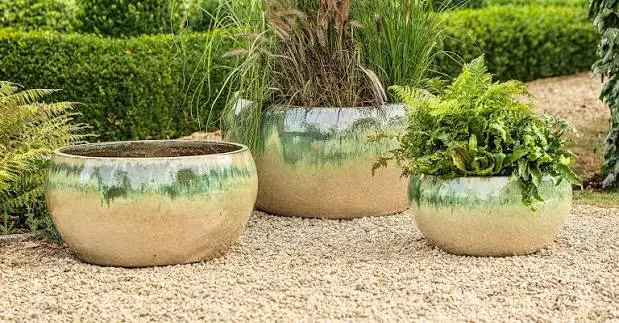
If you’re gardening in an area with long summers and brutal sun, light colors are your best friend.
Go with white, cream, and pale grey pots as they keep the soil temperature steady. It goes without saying that steady roots result in steadier growth.
You should also consider soft sage green and warm beige pots. They handle heat well and still look great.
When choosing pots, you should note that light pots do show dirt and water stains more easily.
If this bothers you, go for pots with a matte finish as they hide the stains much better than a glossy one.
Why black pots can be a problem
Everybody loves dark pots, and I’m no exception. The dramatic contrast against green leaves is unbeatable, and this is the reason I have six black planters.
The downside of the pots is that when you put them in direct sunlight and forget about it, you run the risk of them getting dangerously hot
This is especially true if you’re not home to notice it and move it to the shade
In such a situation your plants suffer just as much as your cat does if they spend too much time on a hot sidewalk.
A black pot is especially bad for plants with delicate and shallow roots, such as seedlings, newly transplanted plants and herbs
When are black pots a good choice?
Contrary to what I just said, dark pots aren’t always bad. In fact, they can be beneficial to some plants.
In cooler climates or shaded spots, dark pots come in handy and warm the soil gently and give roots a head start in spring.
Dark pots also pair beautifully with plants that love heat such as succulents, cacti, lavender, and rosemary.
If your porch or patio only gets a few hours of direct sun, dark pots are your best friend.
What about medium tones like terracotta?
Terracotta pots are a classic for a reason. They’re naturally a medium reddish-brown color that warms the roots without baking them
They’re also porous, which allows moisture to evaporate through the walls of the pot, preventing root rot.
This makes them a good choice for people who tend to overwater their plants.
The main disadvantage of terracotta pots is that they dry out much faster than plastic or glazed ceramic pots.
If you live in an area with a hot climate or a place with little rainfall, you may find yourself having to water more regularly that you are used to.
If you travel often or you aren’t at home most of the time, these pots might not be right for you as your plants risk drying out due to lack of sufficient water.
Choose the right pot for your plant
Different plants have different tolerances, and this matters a lot when you are choosing the right pot for your plants.
Succulents and cacti love heat, so dark pots in full sun work perfectly for them.
Ferns, hydrangeas, and hostas prefer staying with cooler roots, so stick with light or medium tones.
Herbs like rosemary and thyme do well in dark pots since they’re used to hot, dry conditions in their native climates.
Flowering annuals like petunias and marigolds are fairly forgiving, so pick color based on what makes you happy.
Rules for choosing pot colors
Keep these guidelines in mind the next time you go pot shopping:
First assess the conditions where you will place the pots. Think about how much sunlight they’ll get at different times of the day.
If a spot gets more than four hours of direct sun, go with light pots. If it’s shaded most of the day, dark pots are a great choice.
Go with colors that suit the plants you’re growing as well as your climate.
Shade-loving plants and plants from temperate regions do better in dark pots, whereas perennial or hardy plants can handle lighter colors.
Glossy finishes reflect more heat than matte finishes in the same color so if you want to reflect as much light as possible, go with pots with a glossy finish.
Wider pots will generally keep their roots at a steadier temperature than narrow ones as they offer better insulation, regardless of color.
Watch what’s around the pot. If you have a light-colored fence or building nearby that reflects the light, make sure your dark pots aren’t getting an excessive amount of heat
When in doubt, go with pots that are a soft warm grey or sage green. Both look nice against most flowers and conceal dirt reasonably well.
My recommendation
If I had to choose one color for everyone who reads this article, it would be either a warm grey or sage green
They look nice against most flowers and are good enough to keep the roots cool.
Both of these colors hide dirt reasonably well, so you should go for them if you don’t have a strong preference.
Save the black and navy colored pots for areas that don’t see much sunlight or plants that like it hot.
Keep your whites for the hottest, sunniest spots
And if you’re torn between two colors, walk outside and see the amount of sun that spot gets and get the right pot.