What Should You Do to Your Lawn in October?
Last Updated on December 3, 2025 by Duncan
Are you wondering what should you do to your lawn in October? Well, there are plenty of things you can do. These things include:
Mow if necessary
Mowing the grass often ends in October. It varies with the weather, but mid-October is usually the last time you mow the lawn in the fall.
The grass will grow more slowly in the fall than in the summer, but it will continue to grow when temperatures rise over 40°F.
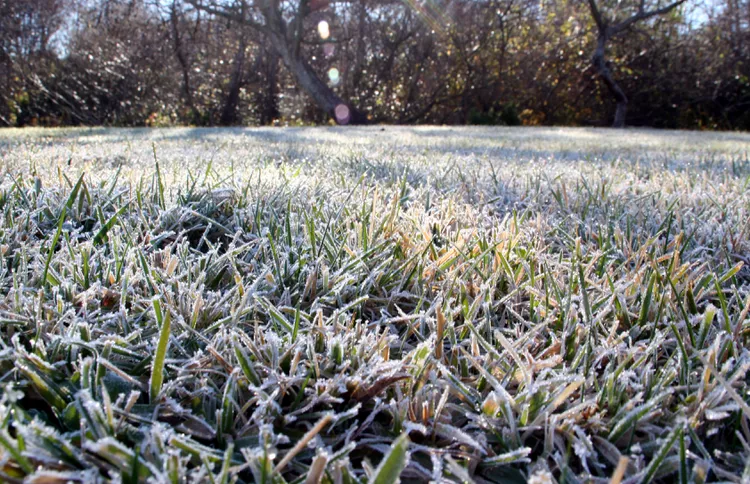
You should raise the cutting height so you’re mowing higher than in the summer, and avoid mowing damp grass after heavy rain. Do not cut frozen grass because it can damage the lawn.
Fertilize
October is an excellent time to fertilize your grass. While the soil is still warm and the grass is still growing, adding nutrients will help develop strong roots and protect the grass during the cold winter months.
When feeding a lawn in the fall, make sure that you use a fertilizer specifically intended for this season. A fall lawn fertilizer will be potent in phosphorus and potassium, promoting root growth and protecting the grass against frost.
If you apply nitrogen-rich summer fertilizer, it will promote new growth that will be destroyed by winter weather, leaving the grass prone to illness.
Overseed the lawn
Overseeding is a simple way to mend barren patches, and October may be the final opportunity of the year to spread grass seed. The soil temperature at this time will be warm enough, and the ground will most likely be moist, which will prompt the growth of fast-growing grass seeds.
When overseeding a lawn in the fall, if the soil temperature is above 48 degrees Fahrenheit, the seed will begin to germinate, and there should be enough time to establish roots before winter.
Mow, scarify, and aerate before seeding, and keep the soil moist for a few weeks after planting grass seed.
Aerate your soils
Aeration is the process of penetrating the soil and creating microscopic holes. This is an essential aspect of any lawn maintenance plan, as it nourishes the roots, reduces compaction, and improves overall grass health.
Aerating a lawn, like scarifying, can be done with professional equipment or with a garden fork.
October is an excellent time to aerate because the ground is damp and easy to penetrate. However, when deciding when to aerate the lawn, avoid doing so when the ground is too wet, as you may leave a muddy mess behind.
Scarify your lawn
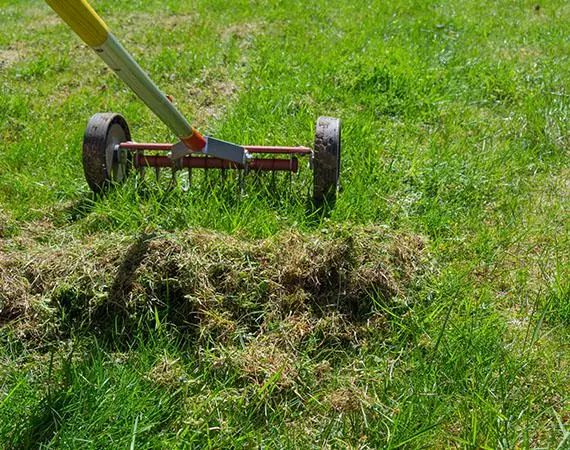
Scarifying is an excellent way to remove moss and dead thatch from your grass. Dead grass and other organic waste accumulate beneath the turf blades, affecting the growth of new grass.
Scarifying a lawn in October is ideal because it lets you go deeper than in the spring, when you must be more careful not to damage young grass shoots. You should not scarify after damp weather or when the lawn is iced.
When it comes to scarifying a lawn, you can either hire scarifying equipment or do it yourself. You can accomplish this with a spring tine rake or by purchasing dethatcher and scarifier equipment, such as this one from Amazon, for use at home.
Dethatching performs the same function as scarifying; however, it just removes surface material, whereas scarifying is a more thorough operation.
Collect the leaves
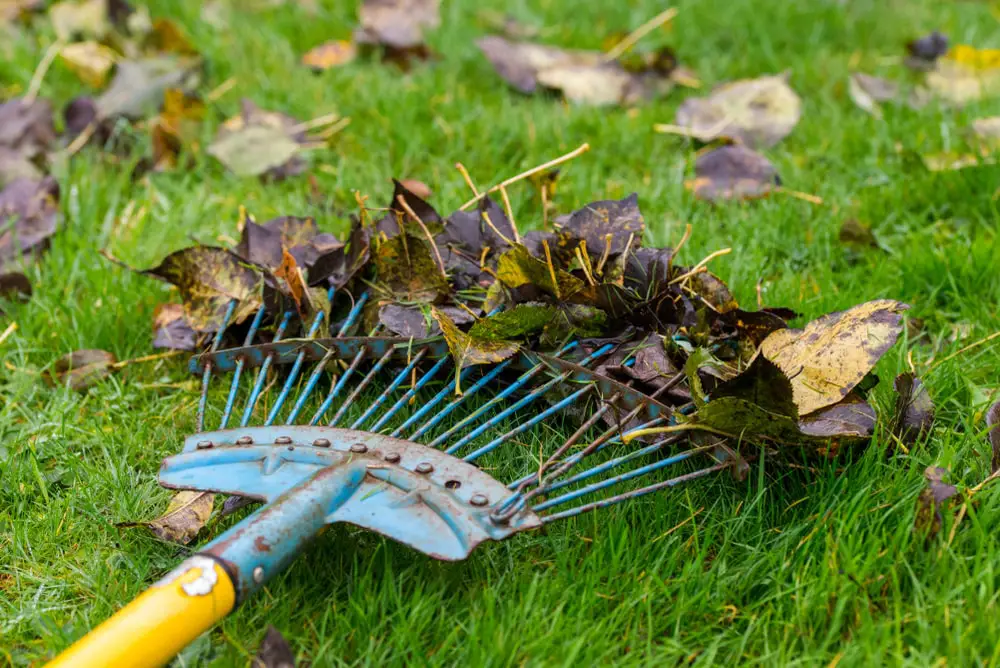
As the trees begin to shed their leaves in the fall, they will drop onto lawns. In October, going out daily to collect these leaves is a necessary chore.
Leaving them on the lawn can smother the grass and prevent light from reaching the ground. This can impair the lawn’s overall health, and a coating of leaves can promote moss growth.
While collecting leaves may seem laborious, there are significant rewards. You can generate leaf mold, which you can use to enrich the garden soil.
A battery-powered leaf blower, like the SnapFresh Leaf Blower offered on Amazon, can make leaf collection much easier.
Control moss
Moss growth might begin to overpower your grass at this time of year, making the problem difficult to solve. Raking out the moss while the temps are low can lead to another moss problem.
One solution is to take action throughout the garden. Cut back any huge plants or trees that are providing shade. This will let more light reach the grass, helping it photosynthesize and preventing it from becoming overgrown with moss.
It will also reduce shady conditions that favor moss growth.
Keep the grass 1-2 cm above the moss, and don’t trim it too short or too frequently. Aerate or spike the problematic areas with a garden fork to promote drainage. Moss flourishes in damp, shady environments, so removing them should help alleviate the problem.
Other valuable lawn care tips
Weeds: Because growth is halting, there should be few weeds this time of year. If you find any, manually remove them.
Worms are an essential part of your lawn’s ecosystem, but their casts can be problematic at this time of year.
Fallen leaves provide additional food for earthworms; therefore, removing them will help prevent excessive surface casts.
Lawn diseases: Fusarium is the most common lawn disease around this time of year. It thrives in damp conditions and will make your grass look uneven and straw-like. If you see a problem, aerate the affected areas to improve drainage. If you notice thatch buildup, plan to scarify at the next opportunity (spring).
Related Posts: