Can I Put Grass Seed Over Existing Grass?
Last Updated on March 6, 2026 by Duncan
Sowing seed to start a new lawn may be more exciting, but putting grass seed over an existing lawn at the proper time is one of the most critical things you can do if you want to have a lawn that stands out.
So, if you have been asking, ” can I put grass seed over existing grass? Yes, you can do it. It’s called overseeding, and it’s far cheaper and easier than establishing a grass from scratch.
While overseeding is simple, it doesn’t mean you should just scatter grass seed on an existing lawn to achieve long-term, healthy results.
While spreading grass seed over your existing lawn may seem like a simple way to go about it, most of it will not sprout unless the ground is properly prepared.
Without direct soil contact, the seeds may dry out, wash away, or be devoured by birds before they have the chance to sprout. And you don’t want this, do you?
To avoid this, you need to follow the right overseeding process.
How to Overseed Your Lawn
Because the lawn is struggling, you need to give it more attention before overseeding. Depending on the cause of your lawn’s problems, you may need to do one or more of the following:
- Dethatch the lawn
- Aerate it
- Mow the current grass shorter (1.5 to 2 inches tall) than usual to ensure that the seed receives more sunshine.
- If the topsoil isn’t particularly deep on a section of the grass due to shallow tree roots, add 1/4 inch. Don’t add any more: piling on too much soil around such roots is detrimental to the tree’s health.
- You should also have your soil analyzed to see if it is low in nutrients or has an inappropriate pH. As part of the testing, your county extension office will advise you on what (if anything) you can do to enhance the soil.
Other things you should do include:
Ensure that your yard has some moisture.
A dry lawn is not good for overseeding. Thankfully, you can fix this by turning on a sprinkler for a few hours per day for a few days before sowing. This way, you give your lawn the water it needs to sprout and root.
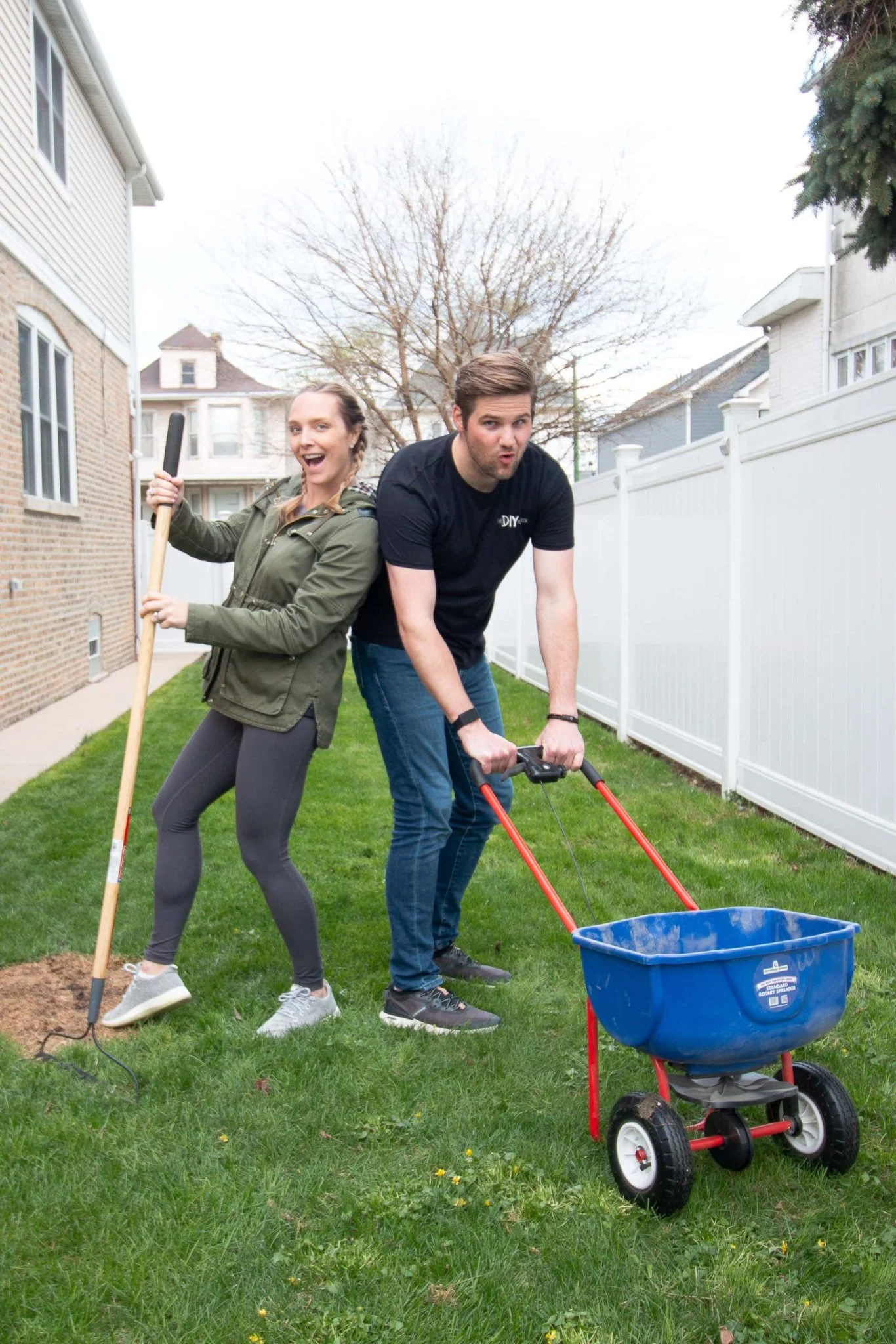
Spread the seed evenly by hand or with a seed spreader.
You should divide the grass seed into four equal volumes, then spread it out, either by hand or with a spreader, in a different direction for each lot, such as top to bottom, bottom to top, left to right, and right to left. This ensures that you evenly cover the entire lawn.
Roll your lawn after sowing the seed.
You should then roll the grass. If you don’t have a separate roller, you can use your lawnmower’s roller (with the motor turned off).
As a last resort, walking up and down the lawn will have the same effect of increasing soil contact and boosting the outcome.
This is an important step because optimal germination requires adequate seed-to-soil contact. Seeds left on the soil surface will not germinate or root properly, and you don’t want this, do you?
Fertilize your yard.
You must fertilize the lawn, which will benefit both the old and young grass. There is a wide variety of fertilizers you can choose from, such as granular lawn fertilizer. If you’re not sure which is best for your lawn, get in touch with experienced professionals who can help.
Water your lawn daily.
Finally, if there is no rain, a light daily watering will keep the seed moist without washing it away. Mowing should continue as usual, but keep your blades sharp and keep the lawn height at 1 inch or higher for the first couple of months.
FAQs
What are the reasons for overseeding your lawn?
Depending on your goals, needs, and location, there may be several reasons to spread grass seed over an existing lawn. You can overseed your lawn to:
- Revive a struggling grass.
- Keep a healthy grass from falling into decline.
- Provide (in the South) a temporary lawn in winter when your warm-season grass is dormant.
When should you overseed your lawn?
Overseeding your lawn is best done when the weather is moderate and the ground is moist, which is usually in the spring and fall. The conditions at this time are optimal for your grass seed to grow.
By sowing the seed in the fall, the seedlings will have enough time to establish themselves before winter arrives.
When you plant the seeds in spring, the seedlings will have many months to establish themselves before the summer heat kicks in.
Should I overseed my lawn each year?
It depends on the appearance and health of your lawn; however, incorporating overseeding into your monthly lawn care program will help ensure your lawn stays healthy, green, and looks wonderful each season.
Related Posts: