10 Best Herbs to Grow Indoors for Beginners
Last Updated on June 23, 2026 by Duncan
Let’s be honest.
Growing herbs indoors isn’t about having a green thumb or some natural talent for keeping things alive.
It’s about understanding that a handful of these plants want to be doted on, while the rest practically dare you to leave them alone.
Get that one distinction right, and suddenly the whole thing clicks.
This guide walks through ten of the best, most rewarding herbs for beginners.
You will also learn what each one actually wants, and the small mistakes that quietly kill most kitchen windowsill gardens.
1. Basil
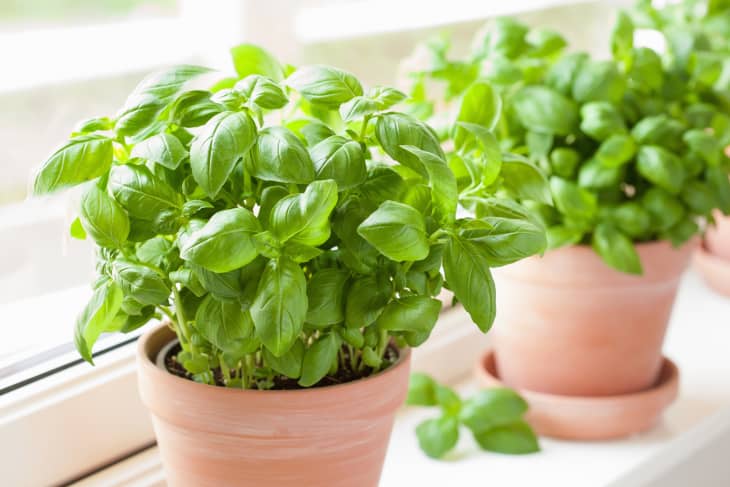
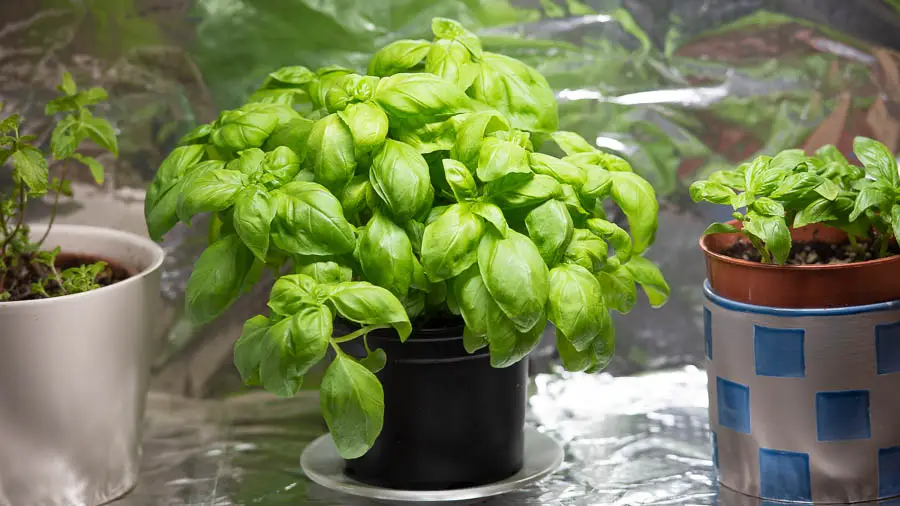
Basil is the herb everyone wants because it makes your kitchen smell like an Italian restaurant.
It’s also the herb that dies the fastest, and here’s why nobody tells you that part.
Basil hates the cold. Not “doesn’t love it.” Hates it.
One chilly draft from a window left cracked, or sitting too close to glass on a winter night, and you’ll wake up to black, mushy leaves that are never coming back.
Keep it somewhere warm and bright, away from the window glass itself in colder months.
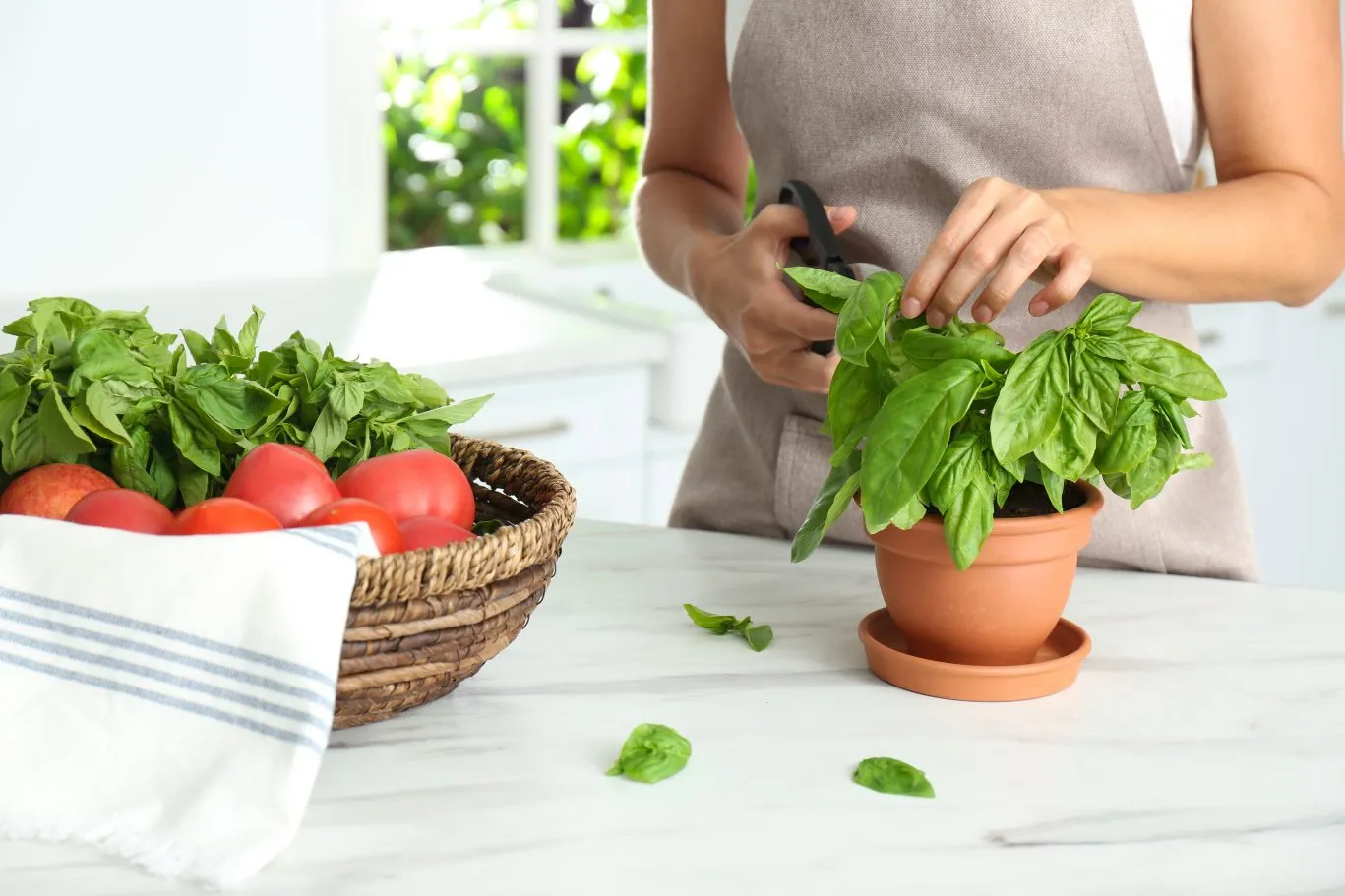
Pinch the top leaves often, even when you don’t need them for cooking.
The more you pinch, the bushier it gets instead of going tall and weak.
NB: If your basil looks droopy, check the soil before you panic-water it. Too much water kills basil just as fast as too little.
2. Mint
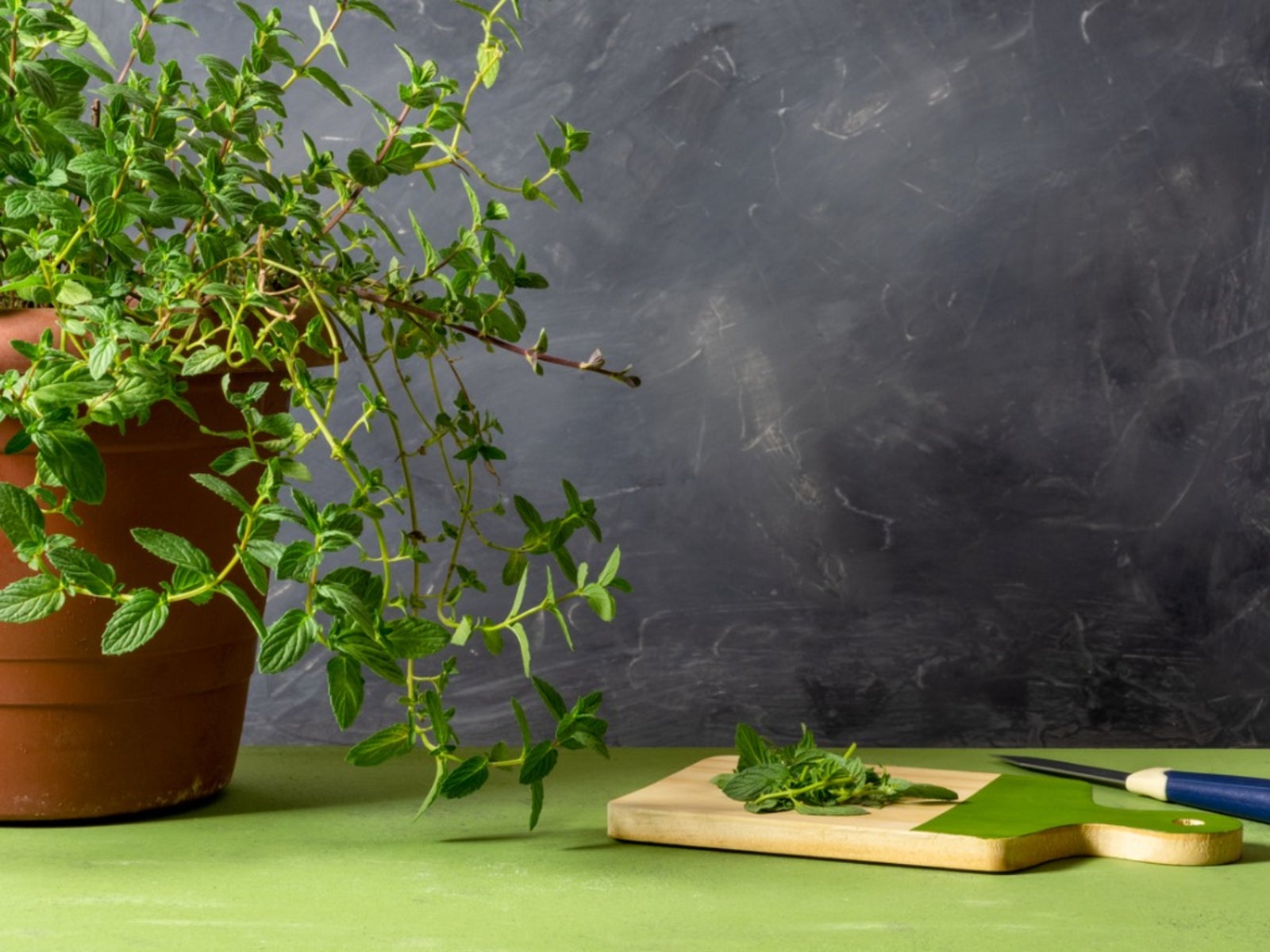
Here’s something your grandma never mentioned.
Mint is famous for taking over entire gardens, but indoors it’s actually kind of needy.
Mint wants light. A lot of it.
Without enough, it doesn’t die dramatically like basil.
It just gets pale, stringy, and flops over the side of the pot looking exhausted.
Give it your brightest spot and a roomy pot, because mint roots spread sideways fast.
Water it when the top of the soil feels dry to the touch, which honestly with mint is pretty often.
Pro tip: Keep mint in its own pot, always.
Plant it with anything else and it will quietly choke out its neighbors. It’s a little bit of a jerk that way.
3. Chives
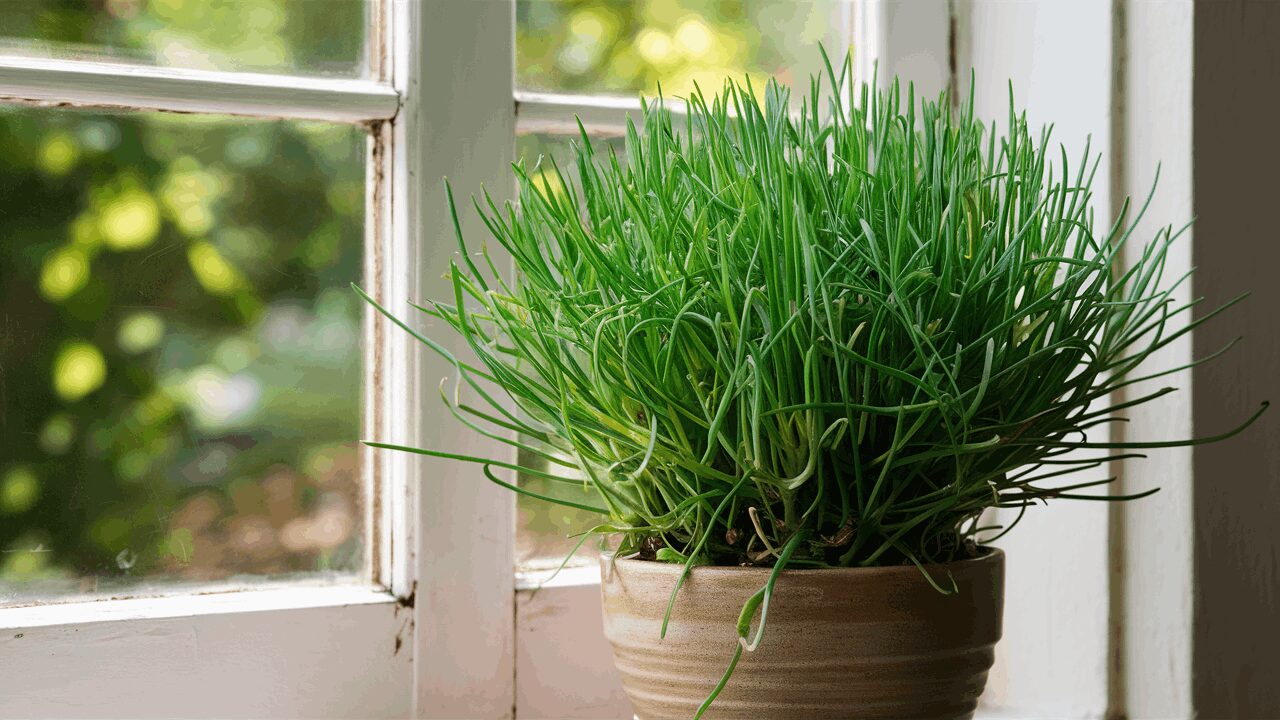
If you want one herb that practically grows itself, it’s chives.
I genuinely cannot kill these things, and trust me, I’ve tried by accident.
Chives don’t need perfect conditions.
A regular sunny windowsill works fine.
They’re forgiving if you forget to water them for a few days, which honestly is most of us.
Snip them with scissors right down to about an inch above the soil whenever you want some. They grow back fast and just keep going.
Why they’re great for beginners: There’s almost no way to mess this one up, so it’s a confidence booster while you figure out the trickier herbs.
4. Thyme
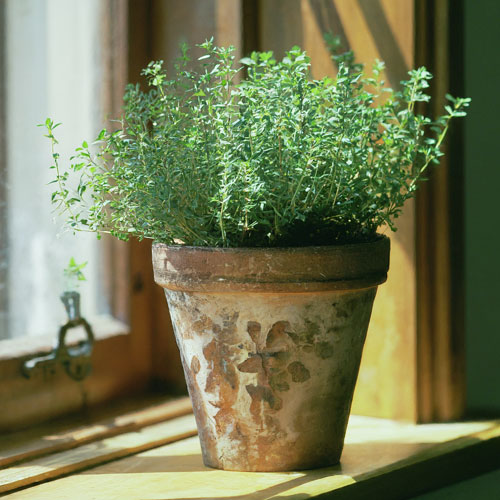
Thyme looks delicate but it’s actually one of the toughest herbs on this list, once you understand what it actually wants.
This is a desert plant at heart.
It wants to almost completely dry out between waterings.
If you treat thyme like basil and keep the soil constantly moist, you’ll rot the roots and never figure out why it’s dying, because the leaves look fine right up until they don’t.
Put it in your brightest, sunniest spot, ideally one that gets direct light for several hours. Water deeply, then leave it alone until the soil is properly dry again.
The mistake I made for years: Treating every herb the same way. Thyme is not a “water it on Sundays” plant. It’s a “wait until it’s basically begging for water” plant.
5. Parsley
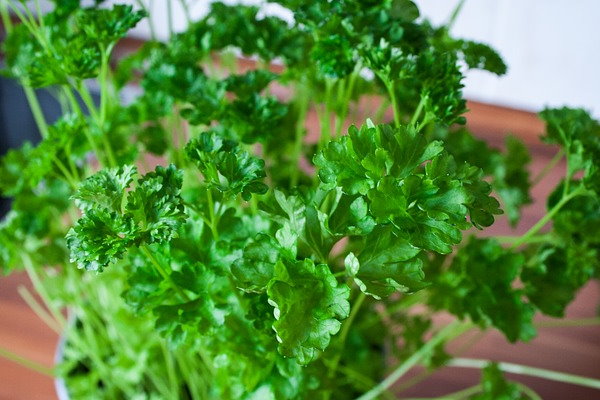
Parsley is the herb nobody’s patient enough for, which is exactly why it surprises people.
It takes its sweet time to get going, then suddenly you’ve got more parsley than you know what to do with.
It wants consistent moisture, unlike thyme, so don’t let it dry out completely or it sulks and yellows.
A deep pot helps too since parsley grows a long root underneath.
Snip from the outer stems first, never the center. The center is where new growth comes from, so chopping it off there is like cutting off its engine.
Honest moment: If you started parsley from seed and nothing happened for three weeks, that’s normal. It’s just slow. Don’t give up on it early like I did the first time.
6. Rosemary
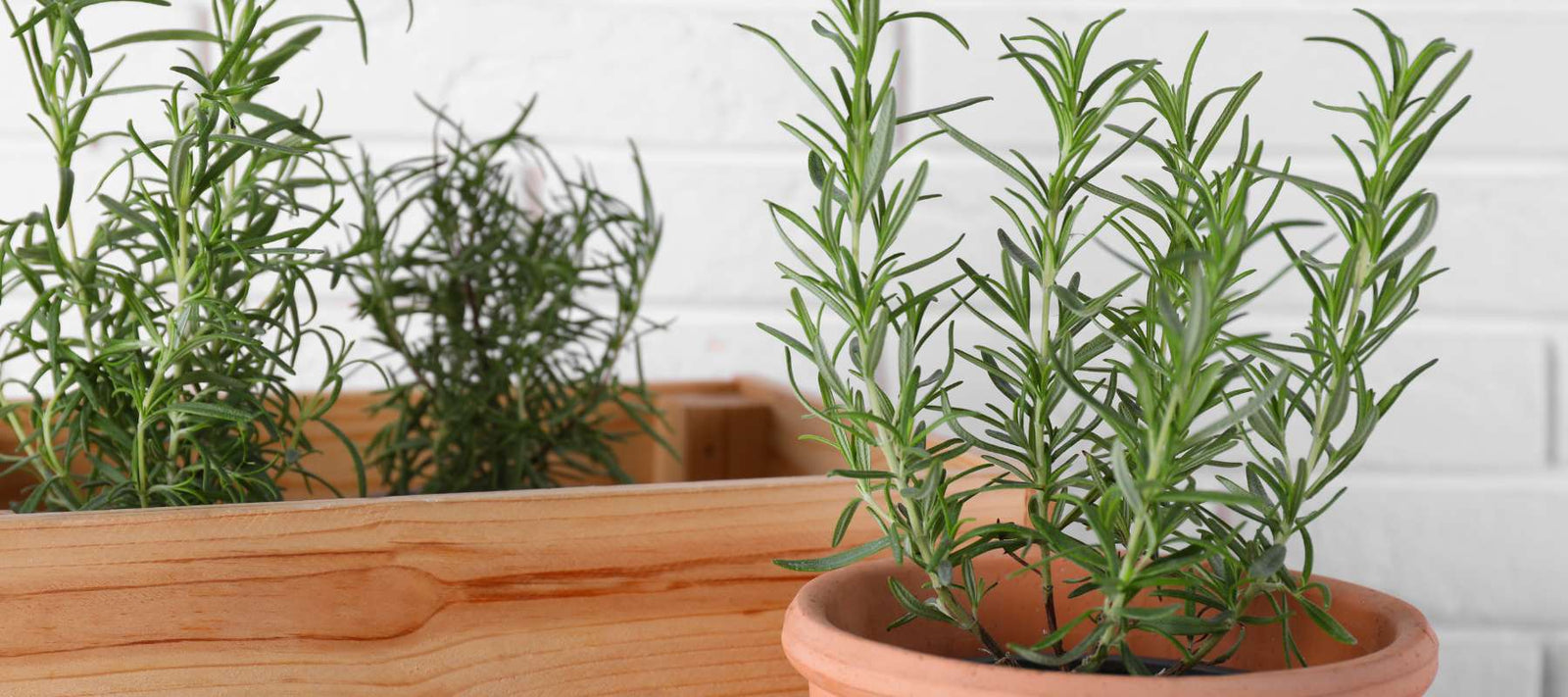
Rosemary smells incredible and looks gorgeous on a windowsill, but here’s the thing nobody warns you about.
It droops when it’s overwatered and it droops when it’s underwatered, and the droop looks exactly the same either way.
This trips up so many beginners.
They see the sad leaves, assume it’s thirsty, water it more, and accidentally drown roots that were already struggling.
Always check the soil weight or feel before reacting to a droopy rosemary plant. Lift the pot. If it feels heavy and the soil’s damp, the problem isn’t thirst.
Give it your sunniest spot and good airflow.
Rosemary hates sitting in a stuffy corner with no breeze just as much as it hates wet feet.
7. Oregano
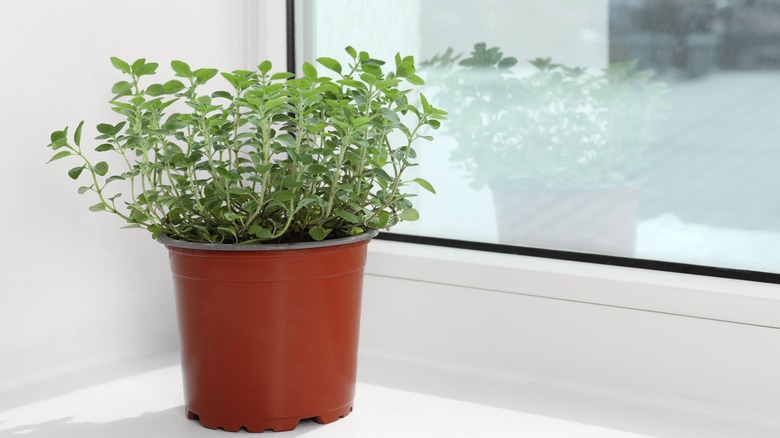
Oregano is one of those herbs that does better with a bit of neglect, which honestly feels like the best plant advice I’ve ever gotten.
It loves bright light and doesn’t want to be fussed over with constant watering.
Let the soil dry out between waterings, similar to thyme, and it’ll reward you by spreading and filling out its pot nicely.
Trim it regularly, even before you need it in the kitchen.
Cutting it back keeps it compact and bushy instead of tall and floppy looking.
Funny but true: The people who do best with oregano are the ones who kind of forget about it a little. Overcaring is the real killer here.
8. Cilantro
:max_bytes(150000):strip_icc():format(webp)/grow-cilantro-inside-1902485-01-7a8262e7e04c424da22325c4481b61a4.jpg)
I’ll be straight with you.
Cilantro is the trickiest one on this list, and it’s not really your fault when it bolts and turns bitter on you.
Cilantro hates heat and long stretches of bright light.
Indoors, especially near a sunny window in summer, it will rush to flower and the leaves turn bitter almost overnight.
Keep it somewhere cooler than your other herbs if you can, and don’t expect it to last forever like chives or mint will.
Treat it more like a few weeks of fresh harvest rather than a forever plant.
What I tell people who get frustrated with it: Start a new batch every few weeks instead of expecting one plant to produce indefinitely. Cilantro just isn’t built for the long haul indoors.
9. Sage
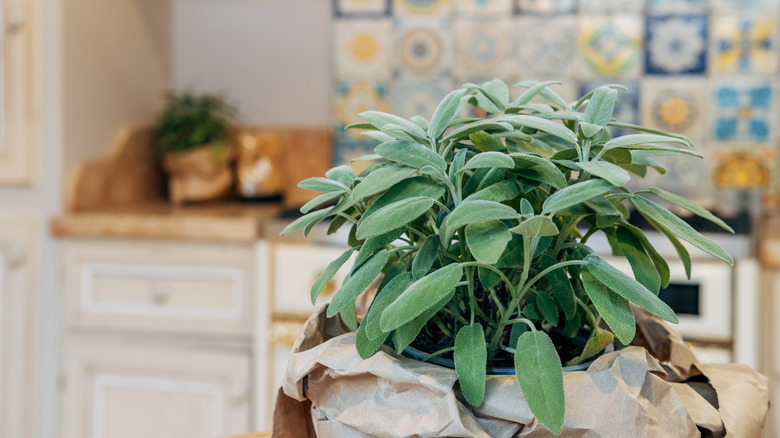
Sage has these soft, velvety leaves that look harmless, but those fuzzy leaves are actually the reason sage struggles when it’s crowded.
That texture traps moisture against the leaf, which is exactly what mildew loves.
If you’ve got sage crammed next to three other plants with no airflow, don’t be shocked when you see a faint white dust appear on the leaves.
Give sage its own breathing room.
A small fan on low for a couple hours a day, or just cracking a window occasionally, makes a real difference.
Water sparingly, much like thyme and oregano.
It would rather be a little dry than sitting in damp soil surrounded by stagnant air.
10. Lemon Balm
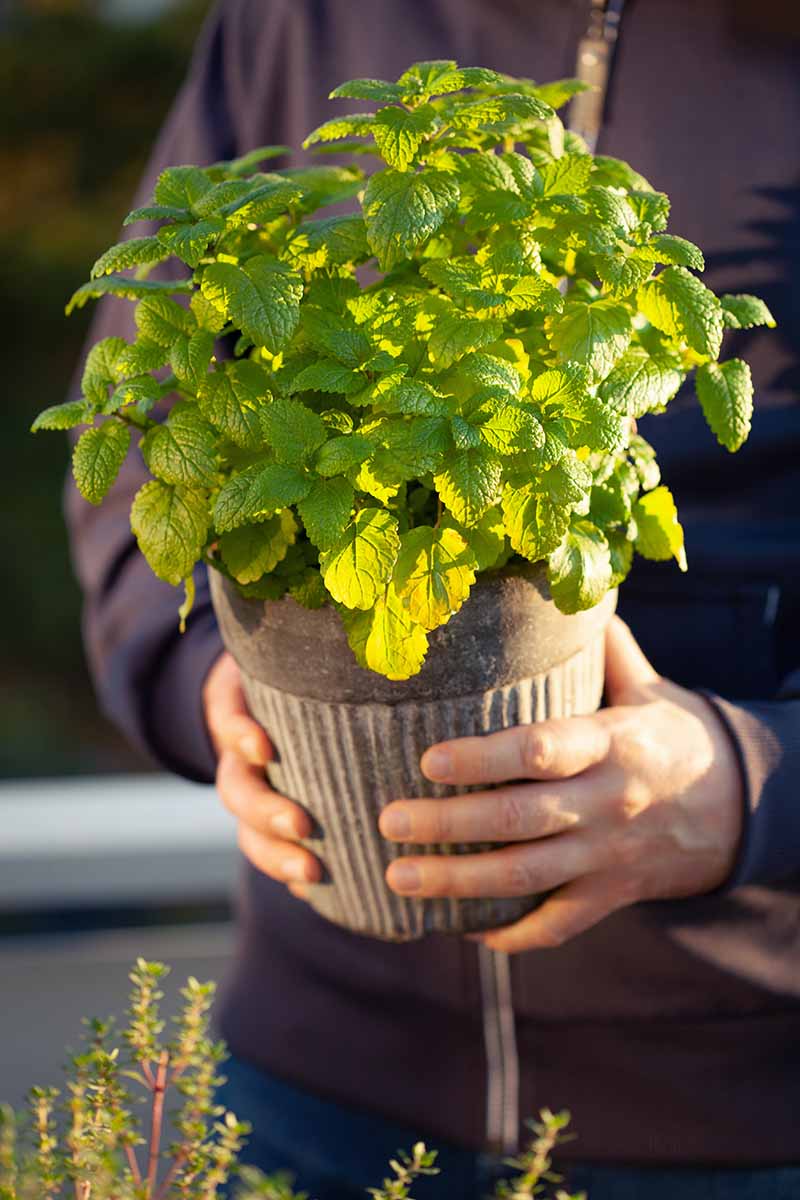
Lemon balm doesn’t get nearly enough credit.
It smells like lemon candy, makes a genuinely calming tea, and it’s almost as forgiving as mint, just with better manners.
It likes bright light but isn’t as needy about it as mint.
It tolerates a bit of inconsistency in your watering schedule.
Pinch it back regularly to keep it from getting leggy and to encourage that bushy, full look.
It also smells incredible every time you brush past it, which is a nice bonus nobody mentions enough.
Why beginners love it once they try it: It’s nearly impossible to overwater into mush the way basil does, and it bounces back from neglect way better than people expect.
What Are Common Mistakes Growing Indoor Herbs?
You’re not the only one making these.
I’ve made every single one of these mistakes myself, sometimes more than once, because apparently I learn things the hard way.
Watering on a schedule instead of checking the plant
Sunday is not a watering day just because you decided it was.
Your herb doesn’t know what day it is, and it definitely doesn’t care about your calendar. Check the soil, not the date.
Putting everything in one shallow dish without drainage holes
Cute pots without holes in the bottom are basically tiny swimming pools for your roots.
Roots that sit in water for too long suffocate and rot, and there’s no coming back from that one.
Thinking misting counts as humidity
Spraying your herbs with a little water bottle feels productive, but it dries up in a couple minutes and mostly just wets the leaves enough to invite mold.
If you want real humidity, a small tray of pebbles and water under the pot does more.
Picking a spot that “gets light” without checking how much
A windowsill that gets bright light for twenty minutes in the morning is not the same as a windowsill that’s bright all day.
Watch your space for a full day before deciding where your herbs live.
Harvesting from the wrong spot
Snipping straight from the center or top growth point on herbs like parsley and basil stunts them.
Always cut from the outer, older stems and let the center keep doing its job of growing new leaves.
Letting one bad windowsill week turn into panic mode
A droopy herb after one cold night or one missed watering usually bounces back.
Resist the urge to overcorrect with extra water, extra fertilizer, and a sudden location change all at once. Give it a day before you start making changes.
Buying the grocery store herb pot and never repotting it
Those little plastic pots from the store are stuffed with way more seedlings than that container can actually support long term.
Repot into something roomier within the first week or two, or watch it struggle no matter how well you care for it.
Treating every herb like it’s the same plant
This one deserves its own section, because it’s the big one.
The One Thing That Changes Everything

If you take nothing else from this, take this. Stop treating all your herbs the same way.
Basil, mint, parsley, and cilantro come from one kind of world. They like richer soil and more consistent moisture.
Rosemary, thyme, oregano, and sage come from a totally different world. They want to dry out, get blasted with sun, and basically be ignored half the time.
Group your herbs by which camp they belong to and water them on separate schedules.
This one shift fixes more dead plants than any fertilizer or fancy pot ever will.
You’ve got this.
Pick two or three from this list to start, not all ten at once.
Even the most experienced herb growers I know started with one sad basil plant on a windowsill, just like you.
Frequently Asked Questions
How long will herbs grow indoors?
It depends on which kind you’re growing, and this trips up a lot of people.
Annual herbs like basil, parsley, and cilantro live for one season and then naturally fade out no matter what you do, so don’t blame yourself when basil eventually calls it quits after a few months.
Perennial herbs like rosemary, thyme, oregano, sage, mint, and chives are a different story entirely.
Keep those happy and they’ll stick around for years, getting bigger and better with time.
Which seeds should not be started indoors?
Anything with a long taproot that hates being disturbed is a tough one to start indoors and move later.
Dill and cilantro fall into this group, since their roots get upset if you transplant them and they’ll bolt or sulk in protest.
Big sprawling plants that need tons of room and pollinators, like squash or corn, also just aren’t a fit for a windowsill life.
Stick to herbs and you’ll have a much easier time of it.
What is the best time to start seeds indoors?
If you’re growing herbs purely for indoor life with no plan to move them outside, you honestly don’t need to wait for a particular season.
Late winter into early spring is a nice sweet spot though, since the days are getting longer and your plants get a natural light boost right as they’re getting established.
If you’re starting seeds to eventually transplant outdoors, the rule of thumb is six to eight weeks before your last expected frost date.
Your local extension office or a quick search for your zip code will tell you that date.
What herbs can I grow on my windowsill?
Basil, mint, chives, thyme, parsley, rosemary, oregano, sage, cilantro, and lemon balm all do well on a windowsill, as long as you’re matching the right herb to the right kind of light and watering routine we talked about above.
A south facing window is your best friend here, since it gets the most consistent light throughout the day.
If your windowsill situation is more “dim corner that gets light for twenty minutes” than “bright and sunny all day,” chives and mint will forgive you the most.
What is the easiest herb to grow at home?
Chives, hands down.
I’ve genuinely never met anyone who’s managed to kill a chive plant, including myself on my laziest, most forgetful weeks.
Mint is a close second, mostly because it’s nearly impossible to underwater and it bounces back from neglect like it didn’t even notice.
Start with one of these two if you want an easy win before moving on to the trickier herbs on this list.
Related Posts: