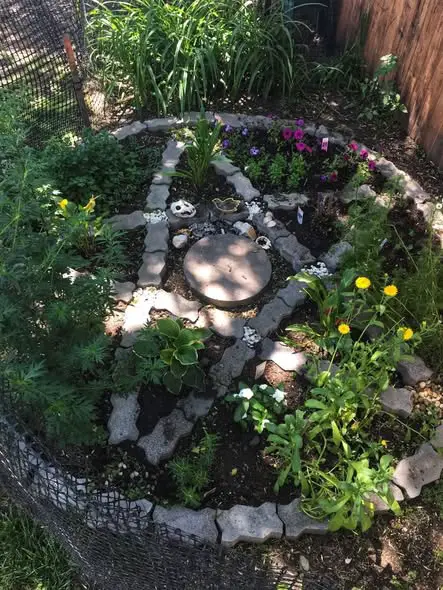
17 Best Flowers for a Witches Garden
Last Updated on July 5, 2026 by Duncan
When you have a witchy garden you’re about to make your neighbors both curious and slightly nervous, which is exactly the vibe you’re going for.
I’ve been gardening for 15 years, and somewhere around year three I started leaning into the darker, moodier side of plant life.
Turns out it’s not just about picking spooky-sounding flowers and calling it a day.
There’s an art to this, and a whole lot of small decisions that decide whether your garden looks intentional or just a little unkempt.
Grab your coffee, because we’re covering everything.
There is nothing like black flowers
Here’s the truth nobody tells you: There is no such thing as a truly black flower.
Not one.
What you’re buying is a deep purple or maroon that photographs black in the right light.
I planted “Black Velvet” petunias my first year thinking I’d nailed the goth garden look.
Under my midday sun they looked like sad grape juice.
Under evening light? Absolutely stunning, moody, perfect.
The lesson here is simple.
Your “black” flowers need shade or evening light to read as black at all.
Plant them somewhere that gets afternoon shadow, not blazing noon sun, or you’ll be disappointed every single day between 11am and 3pm.
The flowers your garden needs
Monkshood (Aconitum)
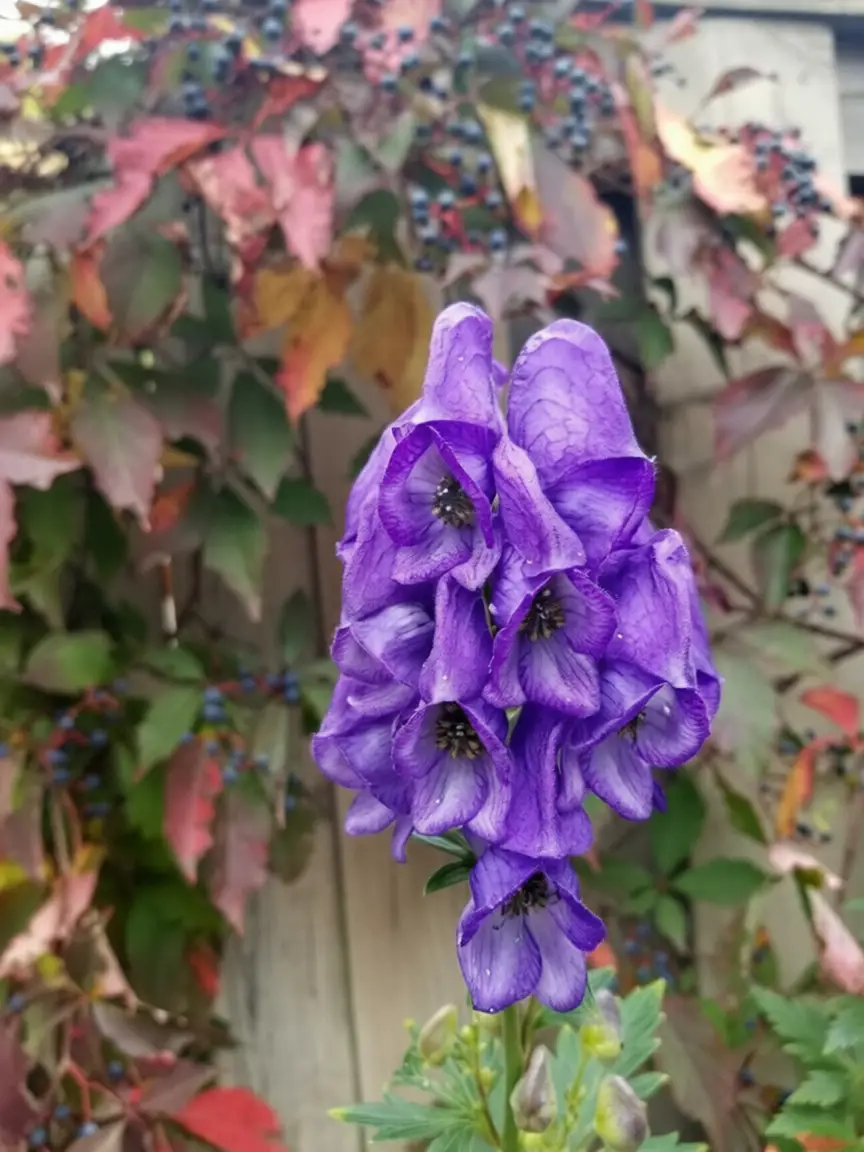
This is your drama queen.
Tall, deep purple, hooded flowers that genuinely look like little cloaked figures if you squint (or if you’ve had one glass of wine).
Plant it in the back row of your bed as a backdrop, never in a container near seating or a play area.
It’s traditionally tied to protection folklore, so a lot of witchy gardeners tuck a stem near a doorway or fence line.
Skip the cut flower arrangements indoors though.
Its toxicity means it doesn’t belong on a kitchen table or anywhere little hands can reach it.
It wants rich, moist soil and partial shade, especially in hotter climates. Mulch around the base to keep the roots cool and the soil from drying out.
Divide the clumps every few years in early spring so it doesn’t get overcrowded and stop blooming well.
One thing nobody mentions is that the roots look almost identical to horseradish.
If anyone else touches your garden, tell them.
I have a friend who nearly served her mother-in-law a very unpleasant surprise because she didn’t know this.
Label your plants at the root level, not just with a little tag that blows away in the first storm.
Foxglove
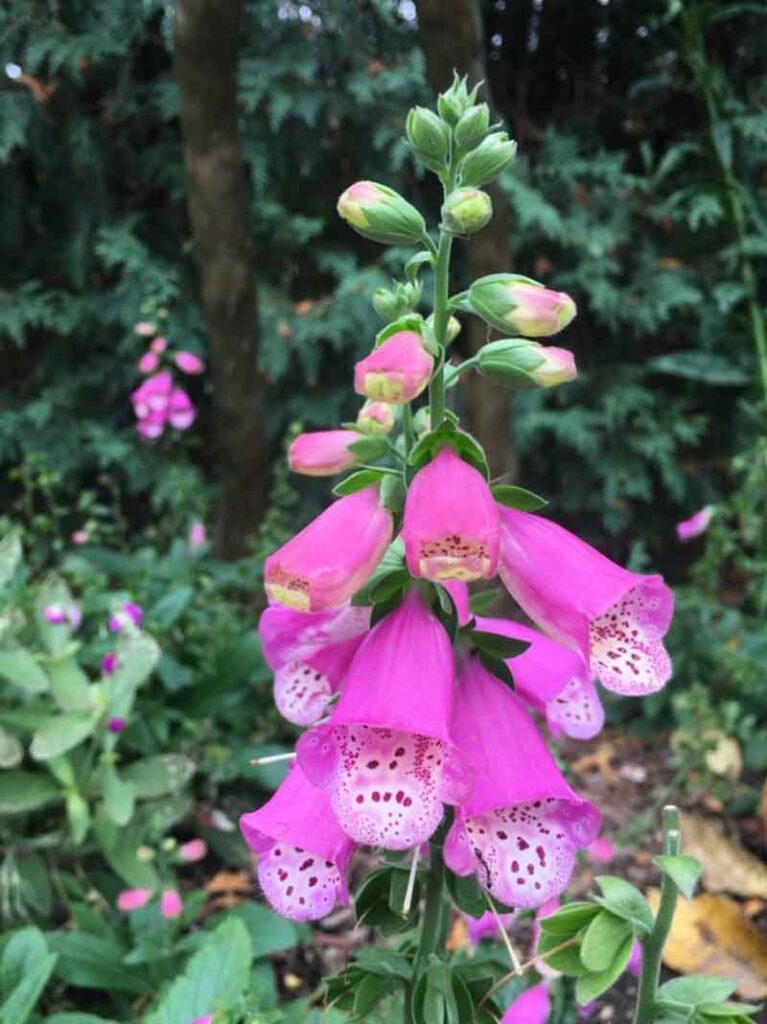
Tall spires, freckled throats, and one of the most photogenic flowers you can grow, hands down.
This is your Instagram anchor plant.
It’s great as a dramatic backdrop for photos, and popular for pressed flower crafts once the blooms are spent (press the individual petals, not the whole toxic plant, and always wash your hands after).
Folklore ties foxglove to fairy folk and protection, so plenty of witchy gardeners plant it along garden borders as a boundary marker.
Give it partial shade and consistently moist, well-draining soil.
It’s biennial, meaning it grows leaves the first year and doesn’t bloom until year two.
If you plant it and get nothing but leaves the first summer, don’t panic and don’t rip it out.
Patience gets you those gorgeous spires the following year.
Datura
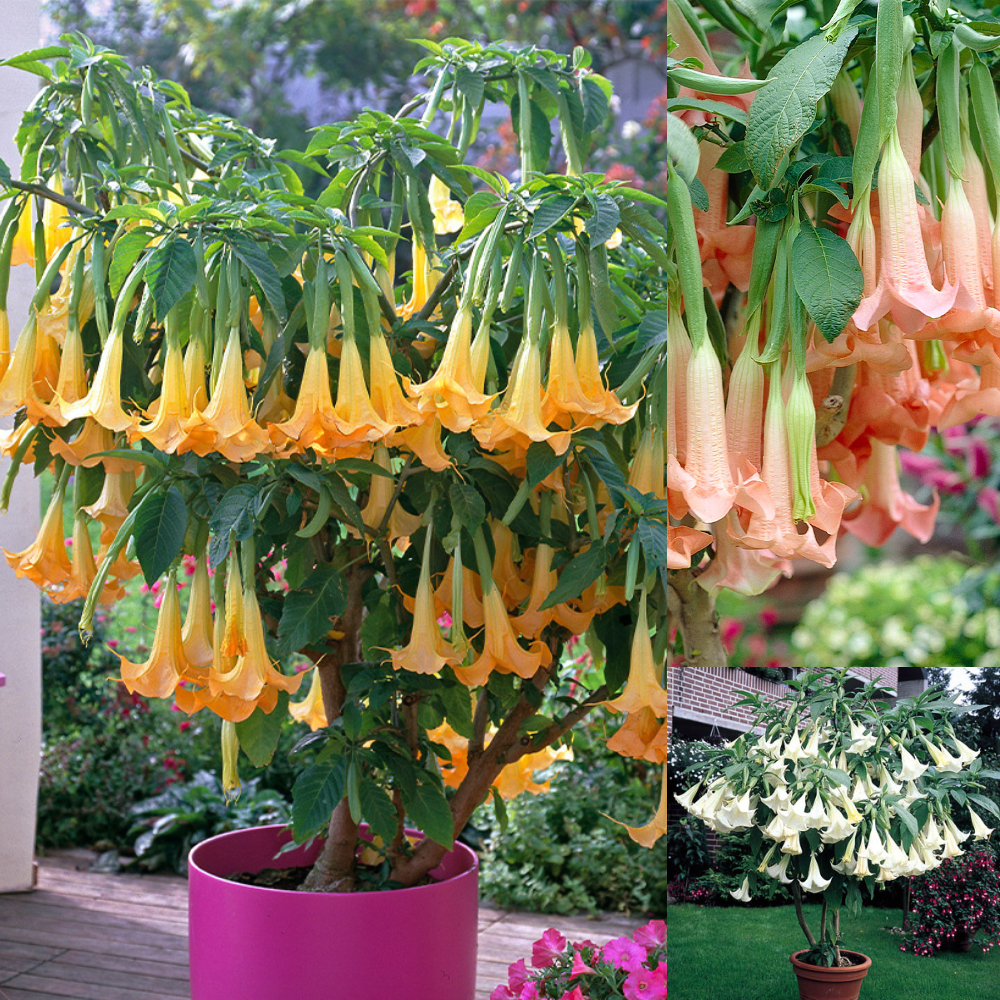
Big, trumpet-shaped white or purple flowers that open at dusk.
Watching one unfurl in real time feels like watching a tiny magic trick, and I still stop to watch it happen years later.
This is your evening show plant.
Position it somewhere you’ll sit and watch it open, like near a patio or a window you look out of at dusk.
It’s historically associated with divination and dream work in folklore, so some gardeners place it near a meditation spot, though you should never eat or burn the plant itself indoors given how toxic it is.
It loves full sun and warm soil, and it’s thirsty during summer heat, so water deeply a few times a week rather than a light daily sprinkle.
Datura is not cold hardy.
One frost and it’s gone, just like that.
If you’re in a cooler climate, plant it as an annual and don’t build your whole garden’s structure around it, because you’ll have a big empty gap come October when you need your garden looking its spookiest.
Pair it with something evergreen underneath, like black mondo grass, so when Datura checks out for the season your garden doesn’t look abandoned.
Belladonna

I want to be straight with you here.
This one is seriously toxic, and depending on where you live it might be restricted or even illegal to grow.
Check your local laws before you get attached to the idea.
If you’re legally able to grow it, treat it strictly as a visual and folklore feature, not a hands-on plant.
It has a long history in witch mythology tied to flying ointments and protection spells, but none of that involves ever touching or ingesting it today.
Keep it purely as a backdrop plant with a clear boundary, like a small decorative fence or defined border, so nobody wanders too close.
It prefers partial shade and rich, well-draining soil, similar to what you’d give tomatoes since they’re in the same plant family.
Water regularly but don’t let it sit in soggy soil.
If you can grow it, keep it far away from any edible garden, kids’ play areas, or curious pets.
The berries look like tiny black cherries and that’s exactly the problem.
If this feels like too much risk for your yard, black nightshade lookalikes with less toxicity, or simply dark ornamental peppers, give you a similar look without the same worry.
Black Bat Flower

This flower looks like it belongs in a fantasy novel.
Deep maroon, almost black petals shaped like bat wings, with long whisker-like tendrils hanging off it.
This is a statement container plant, not a bed filler.
Place it somewhere it can be admired up close, like on a shaded porch or entry table when it’s blooming, since the detail on the petals gets lost from a distance.
It wants warm temperatures, high humidity, and shade.
Keep the soil consistently moist but never waterlogged.
It’s tropical, so if you’re not in a warm climate, grow it in a pot and bring it indoors before the first cold snap.
I lost my first one because I got lazy about October and left it outside one night too many. Don’t be me.
Black Hollyhock

Tall, old-fashioned, and one of the easiest plants on this whole list.
It self-seeds, so once you plant it you’ll likely have it forever, popping up in new spots each year.
Perfect to plant it along fences and walls where it can lean on something for support as it grows tall.
It’s also lovely dried for indoor arrangements once the season winds down, giving you a witchy touch inside the house too.
Full sun and average soil are all it needs.
Stake it if your area gets windy, since the height can make it top heavy.
Let a few seed heads dry on the plant at the end of the season if you want it to spread naturally next year.
Some people find the self-seeding annoying.
I find it charming.
Wormwood and Mugwort

These are your witch garden workhorses.
Silvery, soft, fragrant foliage that has been used in folk medicine and ritual for centuries.
Dry the leaves and stems to make small bundles for smoke cleansing or simply for their scent around the house.
Mugwort in particular has long been tucked under pillows for dream work, and both plants are common additions to sachets and herbal blends.
They’re also gorgeous simply cut fresh and added to bouquets for that soft, silvery texture.
These plants want to be neglected.
They’re drought tolerant, and that silvery, felted look on the leaves is literally their way of conserving water.
If you water them like your other flowers, the leaves green up and lose that magical silver haze.
Plant them in full sun with well-draining soil, water occasionally at first to get established, then basically ignore them.
They thrive on abandonment.
It’s honestly a little relatable.
Yarrow
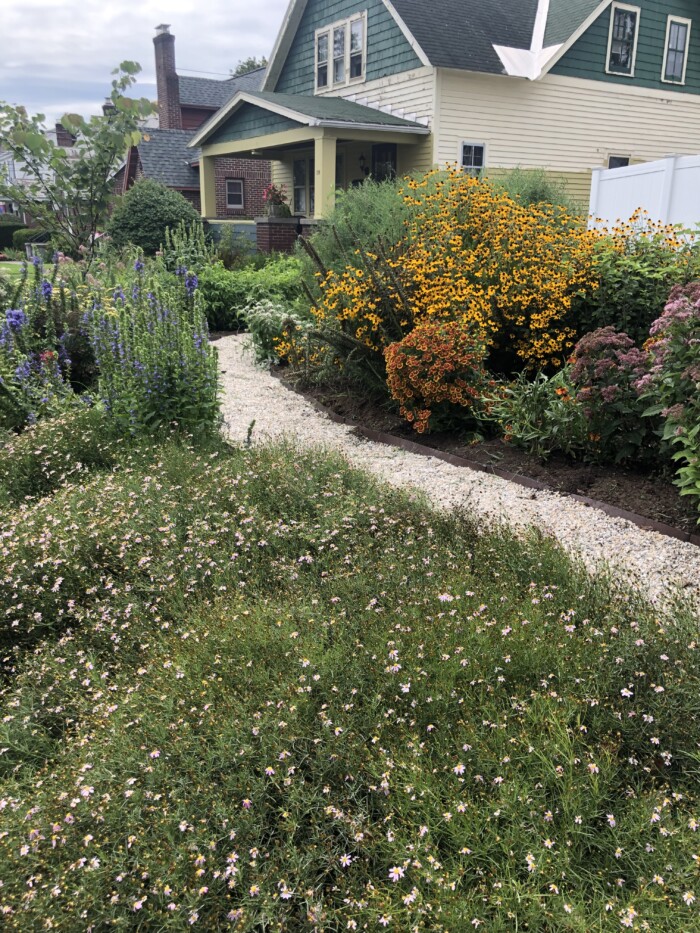
Feathery leaves, flat clusters of tiny flowers, and a long history of being used in folk healing and even divination.
It comes in white, deep red, and dusty purple, so you have options depending on your color scheme.
Dried yarrow stems have a long tradition in divination practices, and the dried flower heads hold their color beautifully in wreaths and dried arrangements.
Fresh cut, it’s a wonderful filler flower in bouquets since the flat clusters add texture without overwhelming other blooms.
It’s tough as nails and prefers poor to average soil in full sun.
Rich soil or too much fertilizer makes it floppy and less likely to bloom well.
Cut it back after the first flush of flowers and it’ll often rebloom later in the season.
If you want something reliable that also looks like it belongs in a spell book, this is it.
Moonflower
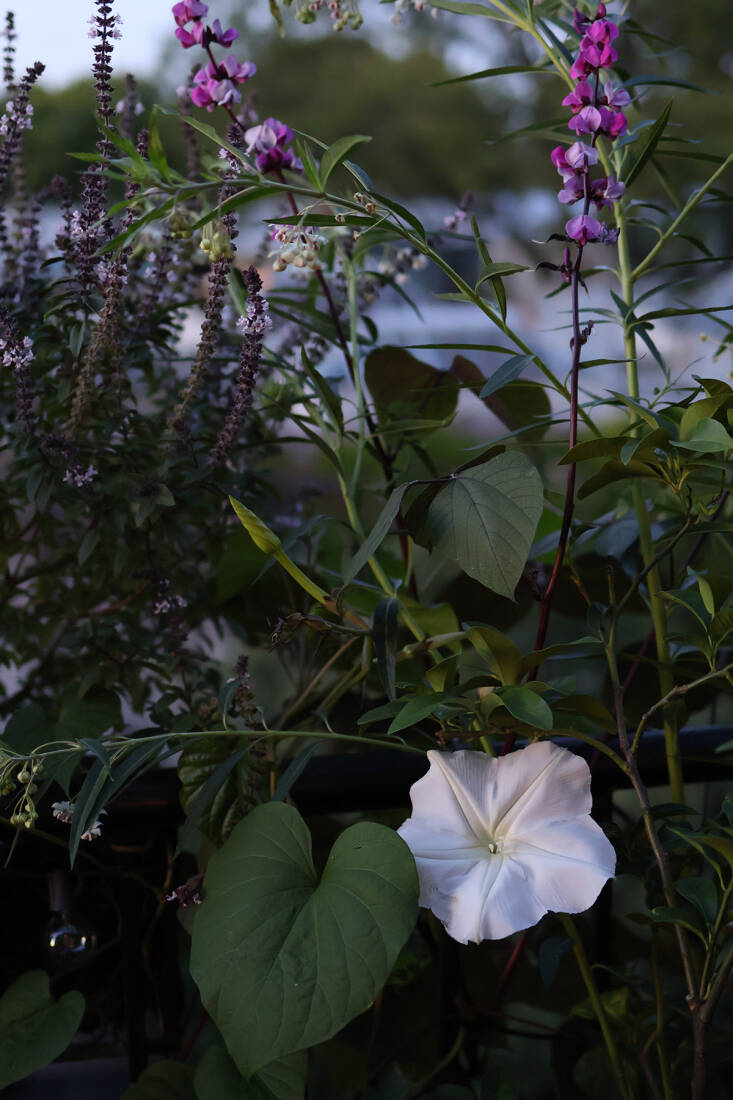
Not to be confused with Datura, though they’re cousins.
Moonflower vines climb, and their big white blooms open at night and glow almost fluorescent under moonlight.
Grow it on a trellis, arbor, or fence near wherever you sit in the evening.
It’s long been linked to lunar rituals and nighttime reflection, so plenty of witchy gardeners position it near an outdoor altar or a spot used for evening tea or journaling.
Give it full sun during the day and something sturdy to climb, since the vines can get long fast.
Water regularly, especially in hot weather, and soak the seeds overnight before planting to help them sprout faster.
Plant this near a porch, a bench, or wherever you sit in the evening.
I made the mistake of tucking mine in a back corner my first year and barely saw it bloom because I never walked back there after dark.
Put it somewhere you’ll enjoy it, not just somewhere it fits.
Snapdragons
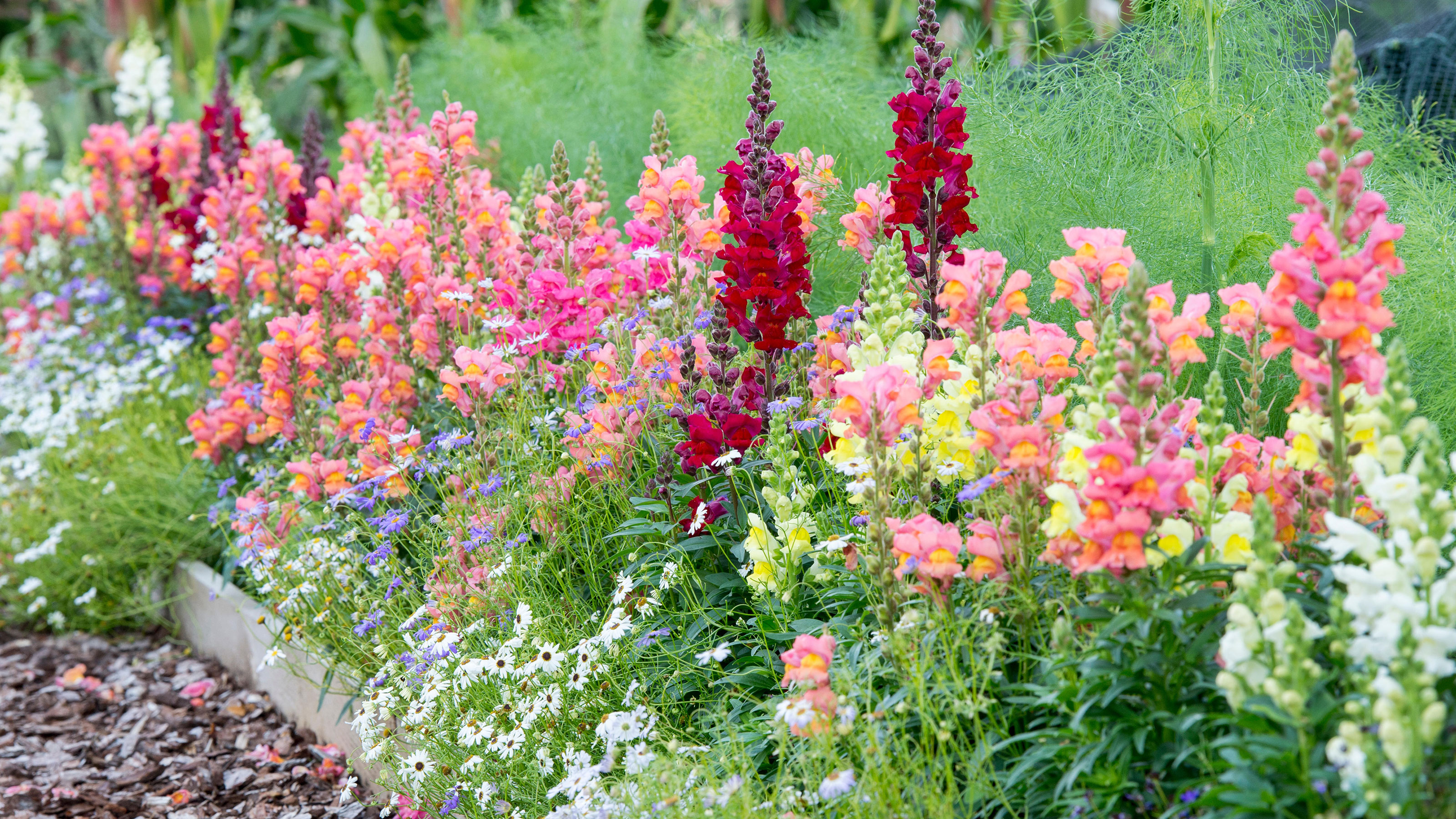
Stick with me here, I know these sound like a suburban mom garden staple, not witchy at all.
But let the seed pods dry out at the end of the season and look closely.
They turn into tiny, eerie skull shapes.
Grow these in the front of your bed for color through summer, then let a portion of the plant go to seed on purpose in fall instead of deadheading everything.
Collect a few of the dried skull pods for altar displays, dried arrangements, or just to leave on a windowsill for the full effect.
Full sun and regular watering keep them blooming for months.
Deadhead most of the flowers to keep new blooms coming, but leave a section untouched late in the season so you get those skull pods once the weather cools.
This is one of those quiet little details that makes people lean in and go “wait, what is that?” when they visit your garden in fall.
Total conversation starter.
Consider the flower ratio

You don’t just throw all these plants together and hope for the best.
There’s a ratio that makes a garden look intentionally eerie instead of just messy and forgotten.
Aim for roughly 60% “threatening” looking plants, the spiky, dark, dramatic ones like monkshood and foxglove, and 40% soft, pale, glowing plants like moonflower and wormwood.
Too much dark and spiky, and your garden just looks neglected.
Too much soft and pale, and it looks like a regular cottage garden that wandered off track.
That balance is what makes people stop and feel something when they look at your yard.
Tall plants go in back, medium height in the middle, low growing stuff up front.
Basic, yes, but people skip it constantly and end up with a flat, one-dimensional looking bed.
Plant the flowers at the right time
A lot of witchy gardens look incredible in July and completely dead by September.
Don’t let that be you.
Start with hellebores in early spring for that near-black, moody bloom before anything else is even awake.
Move into monkshood, foxglove, and datura through summer.
Finish strong in fall with belladonna berries, dried snapdragon skulls, and ornamental gourds for texture.
Plan your garden like a story with a beginning, middle, and end, not just one big summer party that fizzles out.
Tricks to keep the garden thriving
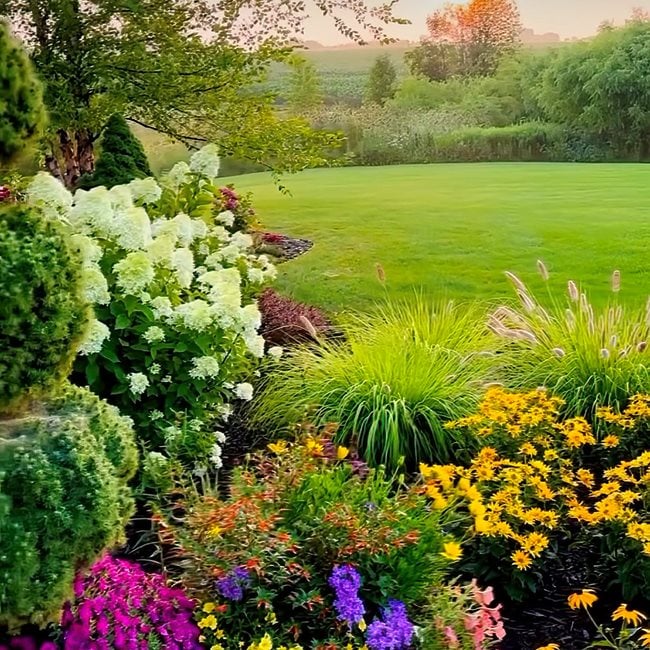
A witchy garden still needs the basics, no matter how mystical it looks.
Skip these and even the hardiest plants on this list will struggle.
Water in the morning, not at night.
Wet leaves sitting overnight invite fungal problems, especially on the fuzzy, silvery foliage of wormwood and mugwort.
Feed your soil, not just your plants.
A layer of compost each spring does more for bloom quality than any fertilizer you’ll find at the garden center.
Cut back dead growth in early spring rather than fall.
A lot of these plants, especially monkshood and yarrow, provide winter structure and habitat for beneficial insects if you leave them standing through the cold months.
Check toxic plants seasonally for pest damage.
Ironically, their toxicity doesn’t protect them from aphids or powdery mildew, and a struggling plant looks sad no matter how dramatic its reputation is.
Safety notes before you plant anything

Several of these flowers are toxic if eaten, and some can irritate skin.
If you have small kids, curious pets, or a dog who eats everything in sight (mine does), keep the seriously toxic plants like belladonna and monkshood in a separate, clearly marked area.
Always wash your hands after handling monkshood specifically.
It can absorb through skin and that’s not a risk worth taking for the sake of aesthetics.
None of this means skip these plants entirely.
It just means plant smart, label clearly, and know what’s going into the ground.
Parting shot
A witchy garden isn’t about cramming in every scary sounding plant you can find.
It’s about balance, timing, and a few showstopper moments planned throughout the whole season.
Start with a few anchor plants like monkshood and foxglove, add moonflower somewhere you’ll catch it bloom at night.
Then throw in wormwood for that soft silvery texture, and let the rest fill in from there.
Your garden should feel a little mysterious, a little dramatic, and honestly a little bit alive after dark.
If your neighbors start asking questions, you’re doing it right.
Related Posts: