Best Indoor Plants for Better Sleep and Anxiety
Last Updated on June 28, 2026 by Duncan
You’ve heard it a hundred times. “Put a snake plant on your nightstand because it releases oxygen at night.”
Sweet idea. Wrong reason.
One houseplant does not produce enough oxygen to change the air in your bedroom in any way you’d notice.
Your body exhales way more carbon dioxide while you sleep than one plant could ever offset.
So why do people swear these plants help them sleep?
Because of something better: scent, visual calm, and the simple psychological comfort of having something alive in the room with you.
That’s the real magic, and once you understand it, picking the right plants gets a lot easier.
Which are the best indoor plants for sleep and anxiety? Here they are:
Best plants for anxiety (Pick these for scent)
These work because of actual chemical compounds in their scent that interact with your nervous system.
This isn’t vibes, it’s chemistry.
The plants that you can go for include:
Lavender

This is the gold standard for a reason.
The scent compounds in lavender are linked to lower anxiety and calmer sleep in real studies, not just wellness blog claims.
Keep it on a sunny windowsill, not directly above your head.
Care level: Easy, as long as you don’t overwater it.
This plant likes to dry out between waterings.
Jasmine

Jasmine has a sedative effect on scent alone, which is honestly a little wild when you think about it.
A flower doing what most supplements try to do.
Place it about three to four feet from your bed so the scent reaches you softly instead of overwhelming the room.
One caution though: If your bedroom has zero airflow at night, dial this one back.
A strong floral scent with nowhere to go can give you a headache instead of a good night’s sleep. Crack a window or run a small fan.
Rosemary
:max_bytes(150000):strip_icc():format(webp)/grow-and-care-for-rosemary-plants-1403406-04-19457f91157045aa9f8177dfc34e75f6.jpg)
Less talked about, surprisingly effective, and it smells incredible.
Some people find the scent grounding in a way that helps quiet a racing mind before bed.
Bonus: You can snip a little for cooking.
Care level: Easy, loves a sunny spot, doesn’t ask for much.
Best plants for sleep (pick these for ease of maintenance and calm)
These won’t perfume your room, but they create the kind of quiet, green presence that lowers stress just by existing.
Some of the best ones to go for include:
Snake Plant
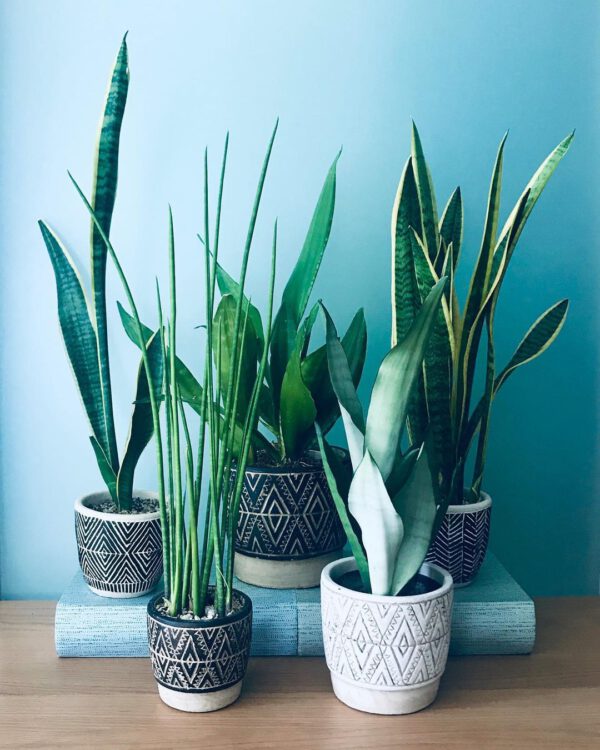
The world’s most forgiving friend.
You can forget to water it for two weeks and it will not hold it against you.
It’s a great pick if you’re someone who travels often or who has, historically, not had the best luck with plants.
Keep it away from a vent or drafty window.
Pothos
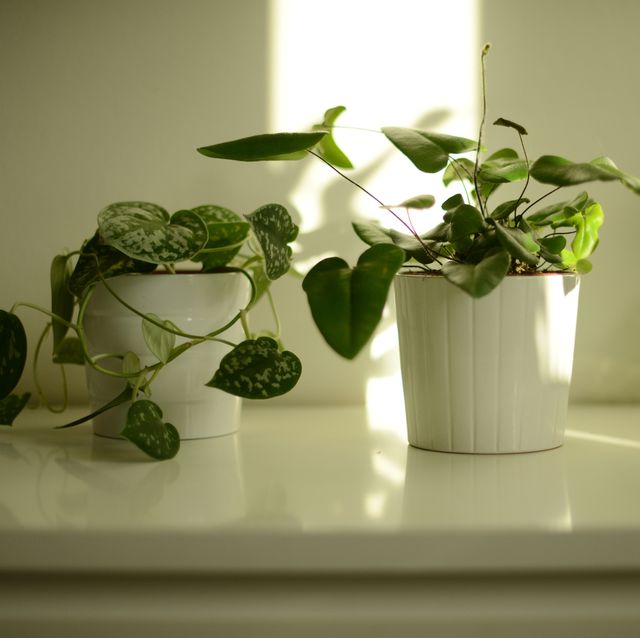
This one trails beautifully and makes a room feel lived in and soft.
Put it on a shelf and let the vines do their thing.
It tolerates low light, irregular watering, and general neglect better than most relationships.
Quick note for pet owners: Pothos is mildly toxic if chewed, so keep it up high if your cat likes to climb.
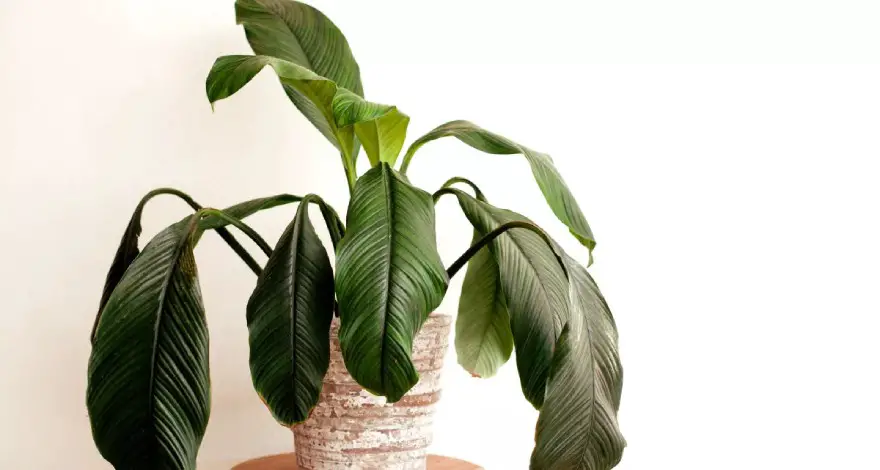
Peace Lily
:max_bytes(150000):strip_icc():format(webp)/SPR-variegated-peace-lily-domino-7097188-hero-A-422d7faa152d42d3a4030ff8a2a33768.jpg)
Gorgeous, calming, and genuinely good at improving air quality in a closed room.
The catch: toxic to cats and dogs.
If you have pets, skip this one or keep it somewhere they truly cannot reach. Not worth the stress of wondering if your dog snuck a bite.
English Ivy

Soft, trailing, and visually calming on a shelf or in a hanging planter near a window.
It prefers cooler rooms, which honestly works in its favor for a bedroom since most of us sleep better when it’s a little chilly anyway.
Also mildly toxic to pets, so same rule applies. Keep it up and out of reach.
How to place the plants to get the most from them
This part matters more than which plants you pick.
Keep scented plants three to four feet from your headboard.
Close enough to smell, far enough that it’s not overwhelming by hour six of sleep.
Never put a plant directly in the path of a vent, fan, or drafty window.
The slight movement can catch your eye in the dark and your brain doesn’t love unexplained motion when you’re half asleep.
It’s a small thing that makes a bigger difference than you’d expect.
Water in the morning, not at night.
Fresh wet soil releases a bit of moisture and scent into the air for a few hours afterward, and you don’t want that peaking right as you’re trying to fall asleep.
Stick to two or three plants max in the bedroom.
Remember the tipping point.
More is not always better
More plants do not equal more calm forever.
There’s a tipping point, and once you cross it, the room stops feeling peaceful and starts feeling cluttered.
Cluttered rooms are stressful, even if every single item in them is a houseplant.
For a bedroom, two to three medium plants is the sweet spot. That’s it.
You’re not building a greenhouse, you’re building a calmer place to sleep.
Keep this rule in your back pocket.
It’s the difference between a bedroom that feels like a retreat and one that feels like a jungle you have to maintain.
Get a plant that is easy to maintain
Here’s something nobody puts in their pretty plant roundup graphics.
If you’re anxious and you bring home a plant that’s hard to keep alive, you haven’t reduced your stress.
You’ve added a new thing to worry about. Now you’re googling “why are my leaves turning yellow” at midnight instead of sleeping.
Pick plants that are nearly impossible to mess up. Save the fussy, dramatic plants for your living room where you have daylight and patience to spare.
There’s a second mistake, and it’s just as common. People stack a humidifier next to a moisture loving plant in their bedroom because “more humidity equals better sleep.”
Within a few weeks that combo can breed mold on the soil and a musty smell that makes your house uncomfortable to live in.
And if you have a cat or dog, check plant toxicity before you buy.
Peace lilies show up on every “calming plants” list and they are toxic to pets.
As an anxious plant parent you are now also worried about your dog eating a leaf and you will not have improved your sleep situation. You will have made it worse instead.
Parting shot
If you only do one thing from this whole article, make it this: pick one low maintenance plant for visual calm and one scented plant for the chemistry, place them with intentionally, and stop there.
You don’t need a windowsill jungle to sleep better. You need the right two plants, in the right spot, that you’ll actually remember to water.
That’s the whole secret.
Everyone else is just making it sound more complicated than it needs to be.
Related Posts: