How to Revive a Struggling Indoor Plant
Last Updated on June 28, 2026 by Duncan
If you’re reading this, your plant is probably sitting somewhere in your apartment right now, looking sad and droopy, silently judging your life choices.
Maybe it’s a pothos with crispy edges.
Maybe it’s a fiddle leaf fig that’s dropped half its leaves like it’s auditioning for a tragic Instagram reel.
Either way, you’re here because you want to save it, not eulogize it.
Good news.
Most struggling plants are not actually dying.
They’re sending a signal.
Your job isn’t to panic and throw everything at the wall (water, fertilizer, a new pot, a pep talk) and see what works.
Your job is to read the signal correctly, then make one calm, confident move.
I’ve been growing and rescuing houseplants for over 20 years, and here’s the thing nobody tells you:
The plants that die under “loving care” almost always die from too much help, not too little.
Let’s fix that.
Make one change at a time
Here’s a pattern I see constantly.
A plant looks bad.
The owner waters it.
Then moves it to a sunnier spot.
Then adds fertilizer “to help it bounce back.”
Then repots it into a bigger pot, just in case.
A week later, the plant is worse.
Of course it is.
You just hit it with four major changes at the same time, and now you have no idea which one helped and which one hurt.
Plants don’t respond well to chaos. They respond to one clear, deliberate change and a little patience.
The fix: Pick ONE thing to change. Wait seven days.
Watch what happens. Then decide your next move based on what you see, not based on panic.
This single habit will save more plants than any product, app, or fancy moisture meter ever will.
Start with figuring out what’s actually wrong
Before you touch anything, play detective for two minutes.
Yellow leaves, brown leaves, droopy leaves, and crispy leaves are not the same problem, even though they all look equally depressing.
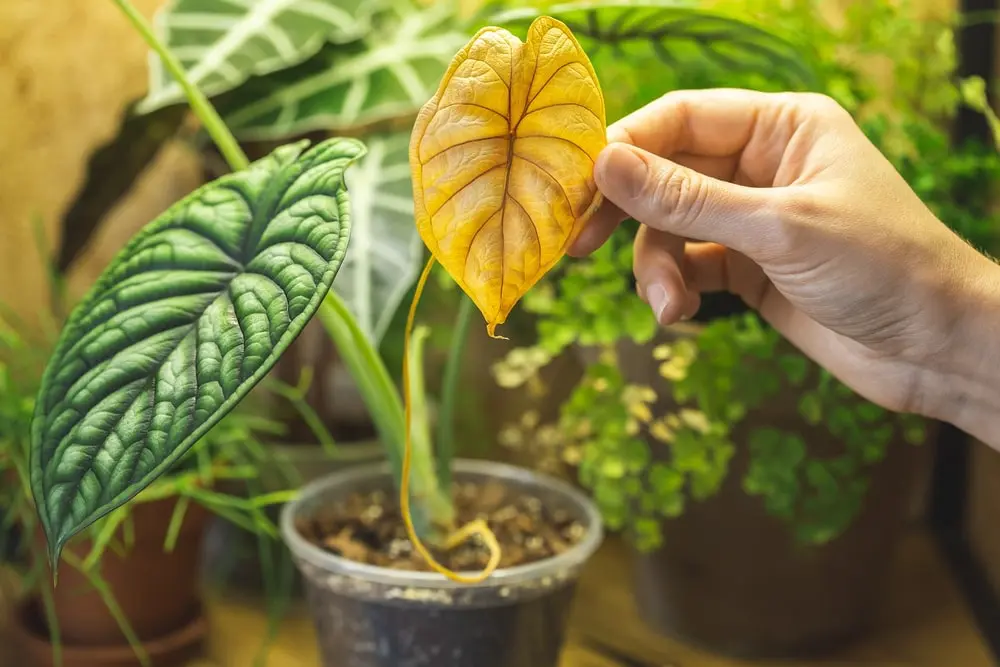
Yellow leaves
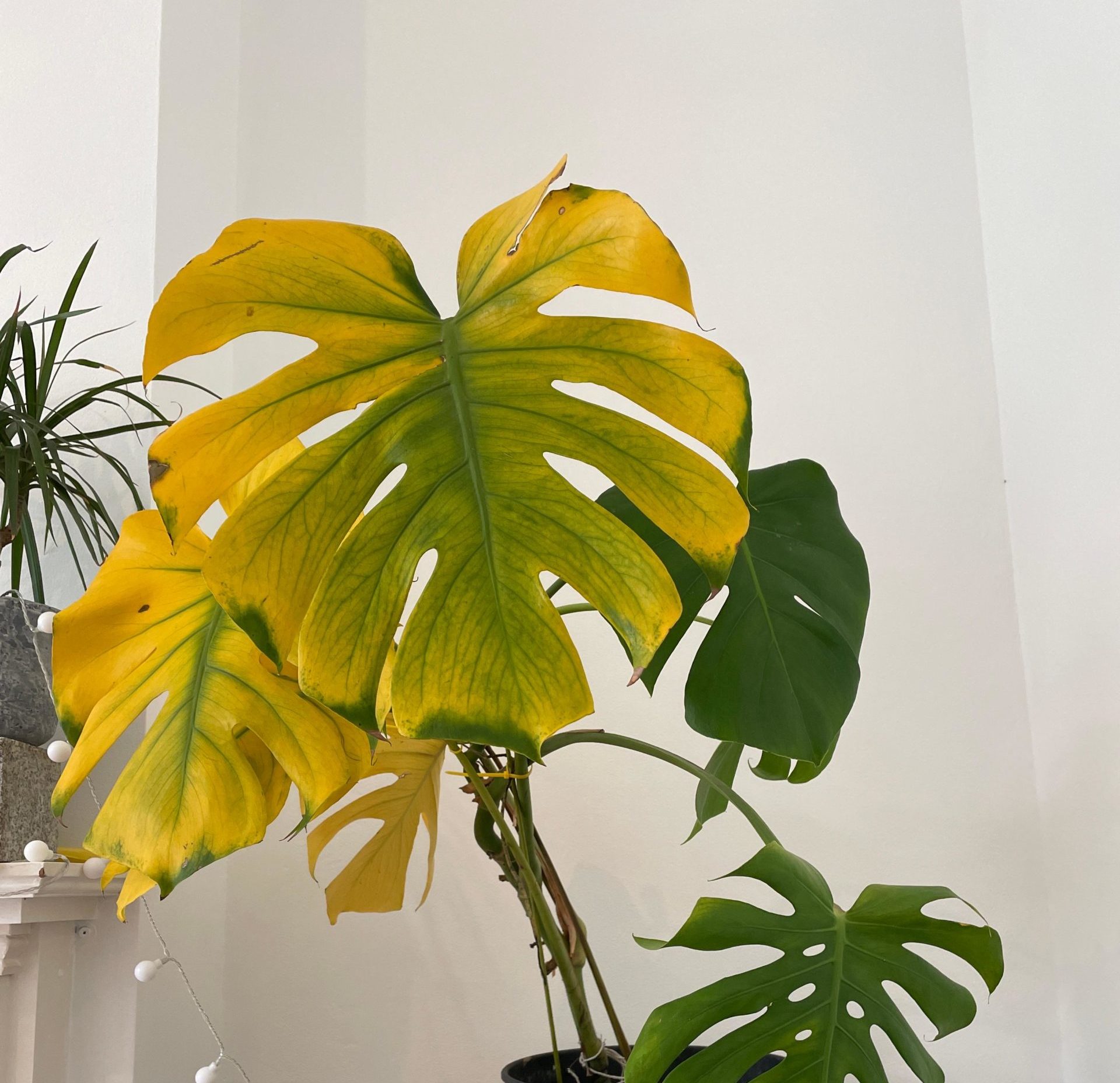
This is the most confusing symptom because it means almost everything.
Overwatering, underwatering, low light, old age, even your tap water can all cause yellowing.
Here’s the tiebreaker: Check the soil weight. Lift the pot.
If it feels heavy and the leaves are yellow and soft, you’re dealing with overwatering.
If the pot feels light as a feather and the leaves are yellow and dry, your plant is thirsty.
Droopy leaves that perk up after watering
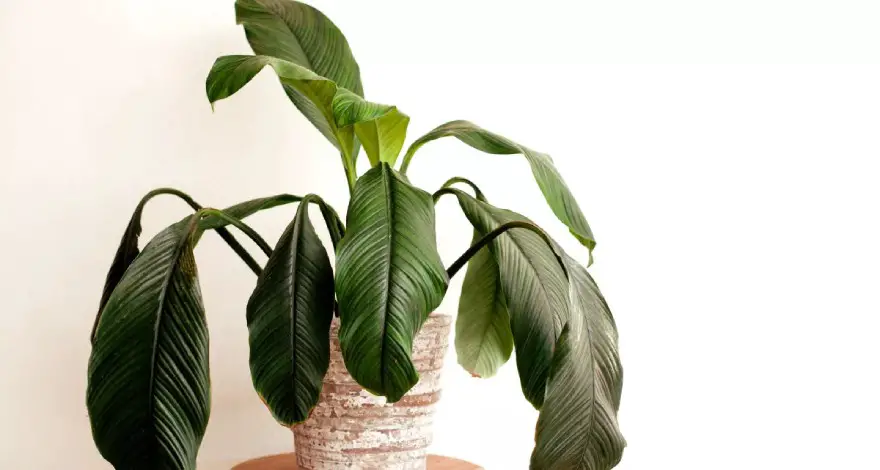
This one is sneaky.
People assume drooping always means thirst, so they water immediately, and sometimes that’s correct.
But if the soil is already damp and the plant is STILL droopy, you’re not looking at thirst.
You’re looking at root damage, and more water just makes the situation worse.
I learned this the hard way with a peace lily years ago.
I kept “saving” it with water every time it drooped, convinced I was being attentive.
Turns out I was slowly drowning the roots.
The drooping wasn’t asking for water. It was asking me to back off.
Brown leaf edges

This usually points to air that’s too dry, inconsistent watering, or your plant sitting too close to a heater or AC vent.
Plants hate sudden swings in humidity almost as much as they hate sudden swings in temperature.
Mushy brown stems near the soil line
This is the scary one.
Mushy, dark, smelly stems near the base usually mean rot has already started.
This needs immediate action, not the wait-and-watch approach.
The watering mistake to avoid making

You’ve heard “stick your finger in the soil” a thousand times.
Here’s why that advice only tells half the story.
Your finger reaches maybe an inch or two into the pot.
Most root damage happens much deeper than that, in the bottom third of the pot where water pools and just sits there with nowhere to go.
So your finger says “dry,” but the roots down below are sitting in a swamp.
This is why so many people overwater a plant that “felt dry on top.”
A better method: Lift the pot before and after watering so you learn what “thirsty” actually feels like in your hands, not just under your fingertip.
A dry plant feels noticeably lighter.
Once you know that weight difference, you’ll water with way more confidence and way less guessing.
And please, for the love of all things leafy, make sure your pot has a drainage hole.
A pot with no drainage hole is basically a bathtub with no drain.
Water goes in, has nowhere to go, and your roots just sit there soaking until they rot.
If you’re using a cute pot without a hole, keep the plant in its plastic nursery pot and slide that inside the cute one.
This way you get the best of both worlds.
Don’t rush to give the plant more light

When a plant looks weak, the instinct is to move it somewhere brighter, like sunlight is some kind of healing spa treatment.
But here’s what’s actually happening.
More light means the plant loses water faster through its leaves.
If the roots are already struggling, they can’t keep up with that demand.
So instead of recovering, your plant gets even more stressed, just in a sunnier spot.
The fix: If your plant is actively struggling, keep it in its current light situation, or even slightly dimmer, until it stabilizes.
Increase light gradually, once new growth shows up and you know the roots are functioning again.
Be strategic when repotting
:max_bytes(150000):strip_icc():format(webp)/SPR-how-to-repot-a-plant-8629819-hero-80bbacf16f1449a8bbbabf5ddbd87e10.jpg)
A lot of people repot a struggling plant into a bigger pot because it feels generous, like giving your plant more room to stretch out and thrive.
Here’s the catch nobody mentions. A bigger pot holds more soil, and soil the roots aren’t using yet just stays wet for way longer.
That extra wet soil becomes a breeding ground for rot, right at the exact moment your plant can least handle it.
The rule of thumb: Only go up one size from the current pot, roughly two inches wider, not five.
If you’re repotting because of suspected root rot, size isn’t even the priority. Healthy roots are.
And timing matters here too.
Repotting a plant that’s already stressed, during winter, when it’s not actively growing, is asking for trouble.
Repot during spring or summer or any other time when the plant has the energy to recover.
Check the roots
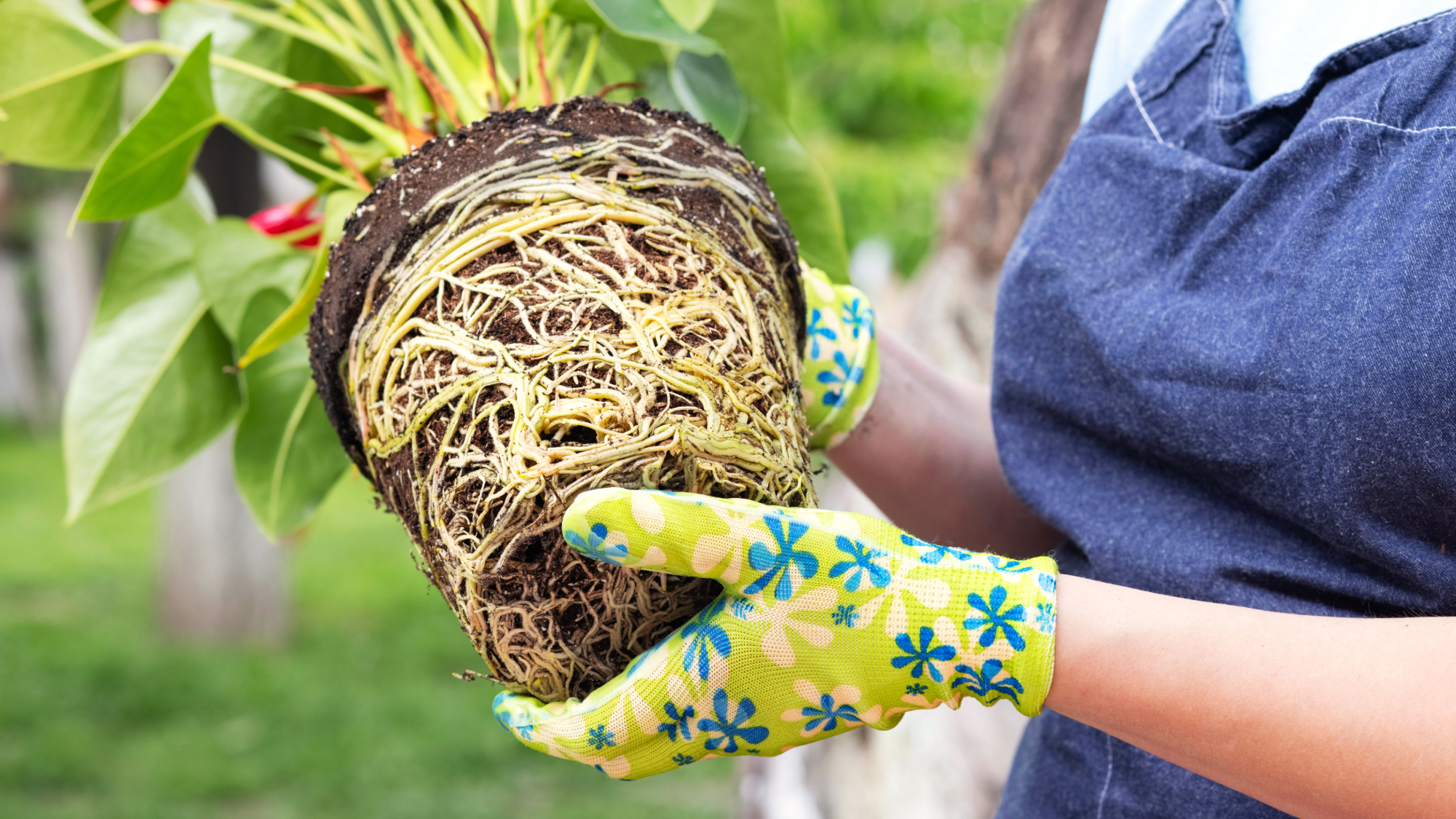
If you really want to know what’s going on underground, gently slide your plant out of its pot and look at the roots.
Healthy roots are white, tan, or light colored, and feel firm.
Unhealthy roots are dark brown or black, feel mushy, and honestly just smell bad, like a swamp that’s been sitting too long.
If you catch that smell, trust your nose immediately.
What to do: Trim away any mushy, dark roots with clean scissors.
Repot into fresh, dry soil in a pot that’s the same size or just slightly bigger.
Skip fertilizer completely for the next month.
The plant needs to focus on healing roots, not pushing out new growth.
Stop fertilizing a sick plant
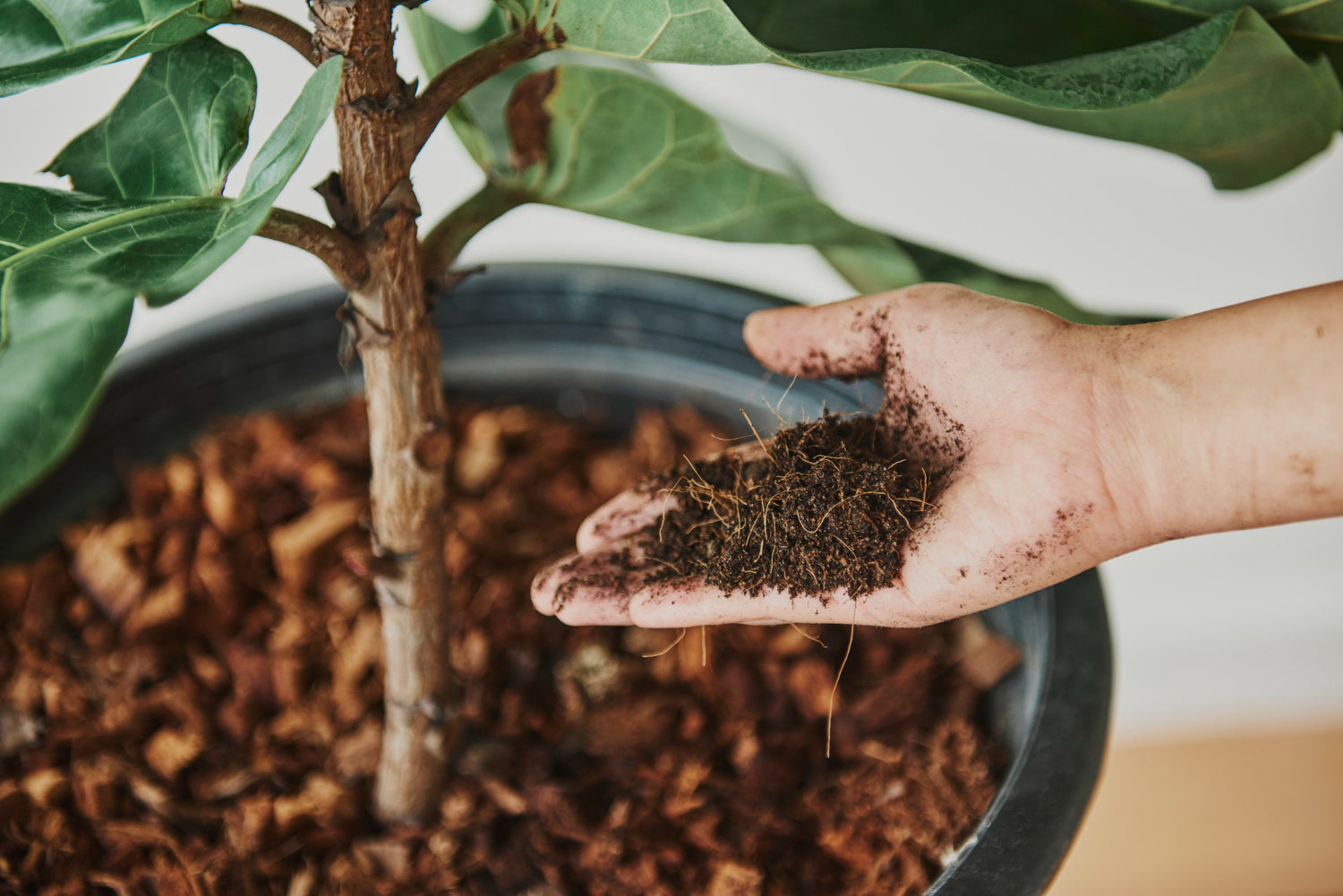
I get why this feels counterintuitive.
Your plant looks weak, so giving it “food” feels like the caring thing to do.
But fertilizer is not medicine.
It’s more like a protein shake.
If your plant’s digestive system (its roots) is already struggling, adding more nutrients just adds more stress, sometimes even chemically burning already fragile roots.
Wait until you see new, healthy growth before feeding again. New growth is the plant telling you it’s stable enough to handle more.
Watch out for pests
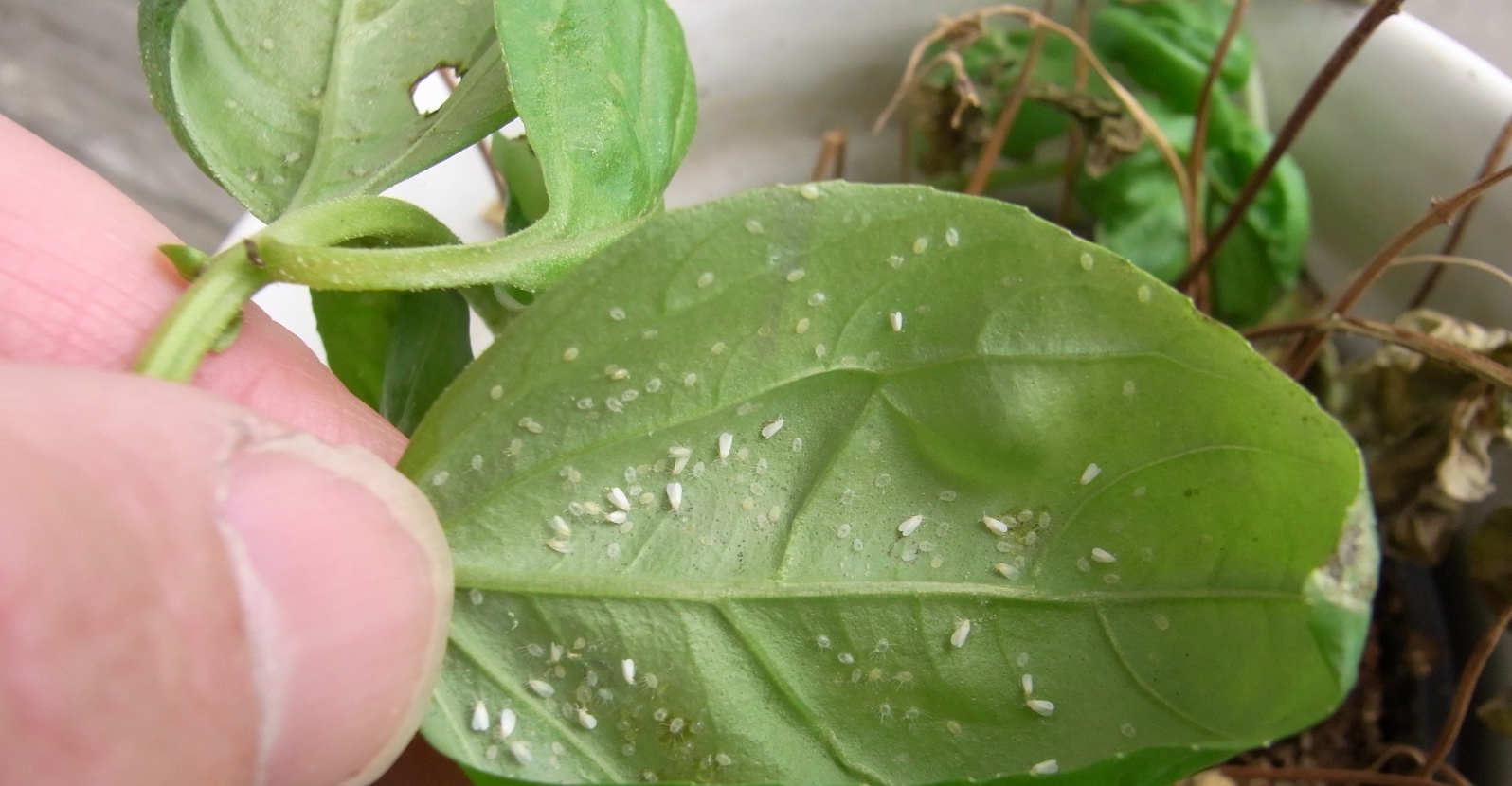
Sometimes the issue isn’t water or light at all. It’s bugs, and they’re sneaky about it.
Spider mites cause speckled, dry looking leaves that people often mistake for underwatering.
Fungus gnats hover around the soil and signal that things are staying too wet.
Mealybugs leave behind little white fuzzy clusters in leaf joints that look almost decorative until you realize what they are.
Quick check: Flip the leaves over.
Look closely at the stems and where leaves meet the stem.
If you spot tiny bugs, webbing, or sticky residue, your watering schedule was never the actual problem.
Isolate that plant from your other plants immediately. Find a way to get rid of the pests as soon as possible. For example, you can apply a pesticide.
How to revive struggling indoor plants: Step by step
:max_bytes(150000):strip_icc():format(webp)/GettyImages-2202813567-f0652d7d355a4b66b011c7a6dcf1c643.jpg)
This is the framework I wish more people knew about, because it works almost every time, and it costs you nothing but a little patience.
Step 1: Identify the most likely cause based on what you observed (overwatering, underwatering, root rot, pests, light).
Step 2: Change exactly one thing to address it.
Step 3: Leave it alone for seven days.
No extra water “just in case.”
No moving it around the house testing different windows.
No fertilizer “to help it along.”
Step 4: After seven days, check for signs of stabilizing, firmer leaves, no new yellowing, maybe a tiny bit of new growth.
If things look the same or better, stay the course.
If things look worse, reassess.
Plants operate on a delay.
You won’t see results in a day or two.
Give it the full week before you judge whether your fix worked.
Exercise patience

Recovery isn’t instant, and any plant account promising a “miracle bounce back in 48 hours” is selling you a fantasy.
- Root rot recovery: Weeks, sometimes a couple months, depending on how much damage there was
- Bouncing back from underwatering: A few days to a week, usually the fastest fix
- Pest treatment: 2 to 3 weeks of consistent treatment, since most pest life cycles take time to fully break
- Adjusting to new light conditions: 2 to 4 weeks before you’ll see the plant actually settle in
Your plant isn’t on your timeline. It’s on its own biological one, and rushing it usually backfires.
When should you let it go?
This part isn’t fun, but it needs saying.
Sometimes a plant is too far gone, and trying to force a recovery just delays the inevitable while wasting your energy.
If the main stem is mushy all the way through, if there are no healthy roots left after trimming, or if every single leaf has died back, it might be time to compost it and start fresh with a new plant.
That’s not failure.
That’s just how living things work sometimes.
Parting shot
Reviving a struggling indoor plant has way less to do with knowing fancy tricks, and way more to do with slowing down, observing carefully, and resisting the urge to throw every fix at it at once.
Your plant doesn’t need a hero moment.
It needs one clear decision and a little space to recover.
Next time you spot a droopy leaf, take a breath before you reach for the watering can.
Look closer. Pick one move. Then wait.
That patience is the real insider secret, and now you have it.
Frequently Asked Questions
How do I bring my indoor plant back to life?
Start by figuring out what’s actually wrong instead of guessing.
Check the roots, the soil moisture, and the leaves before you change anything.
Then pick one fix, like adjusting your watering or moving it out of harsh sun, and give it a full week before trying anything else.
Patience brings back more plants than products ever will.
What can I give my plant to bring it back to life?
Most of the time, the answer isn’t a product at all. It’s the right light, the right amount of water, and time to rebuild its roots.
Skip fertilizer until you see new growth, since feeding a weak plant can do more harm than good.
If anything, give it stillness.
Stop moving it around and let it settle into one spot.
How do I heal a stressed plant?
Stressed plants need consistency more than anything fancy.
Keep the light, temperature, and watering schedule steady and predictable for a couple weeks.
Skip repotting, fertilizing, or relocating it during this window, since stacking changes only adds more pressure on top of what it’s already dealing with.
Think of it like recovering from a cold: rest, steady conditions, and time.
How do you revive plants that haven’t been watered?

Give it a slow, thorough watering instead of a quick splash.
Set the pot in a sink or basin with a couple inches of water and let it soak from the bottom for 15 to 20 minutes, then let it drain completely.
This rehydrates the whole root ball instead of just wetting the top inch like a regular watering would.
Don’t be surprised if a few leaves still drop after this; they were already goners before you got to them.
Can baking soda help a dying plant?
Not for reviving a struggling plant.
Baking soda is sometimes used in a diluted spray to fight fungal spots on leaves, but it won’t fix root rot, drought stress, or pests, which are the most common reasons plants decline.
Used in the wrong amount, it can throw off your soil’s pH and add even more stress.
Skip it unless you’re treating an actual fungal issue, and even then use it sparingly.
Does sugar water help dying plants?
No, and this is one of those tips that sounds helpful but isn’t.
Plants make their own sugar through photosynthesis, so pouring sugar into the soil doesn’t feed the plant.
It feeds the bacteria and fungi already living in the soil, which can cause more problems.
Skip the sugar and put your energy into light, water balance, and root health instead.
What is the number one killer of houseplants?
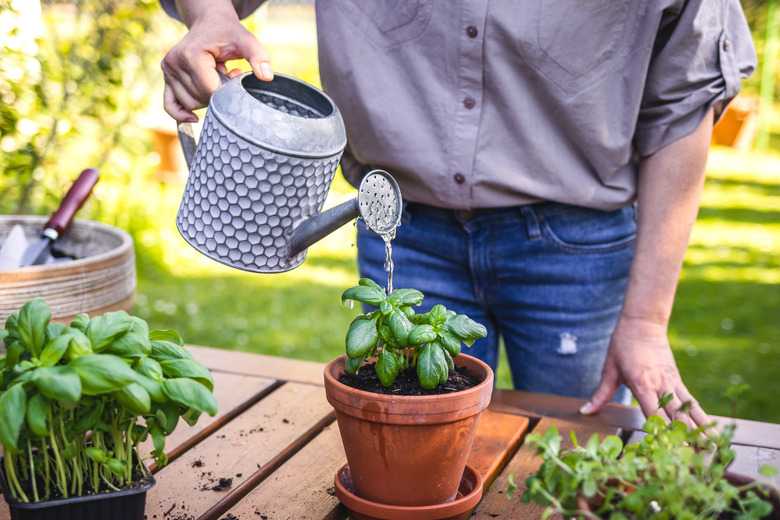
Overwatering, by a landslide.
More plants die from soggy roots and rot than from drought, neglect, pests, or anything else combined.
The instinct to water “just in case” is the single biggest cause of plant death I’ve seen in 20 years of doing this.
Can you save a plant once it starts dying?
Often, yes, especially if you catch it early.
The key is checking how far the damage has spread before you decide.
If there are still firm, healthy roots and a little green growth left somewhere, there’s a solid chance of recovery.
If the main stem is mushy all the way through, that’s usually too far gone to bring back.
How do you revive a plant with no leaves?
Check the stem first.
If it’s still firm and green, or bends a little instead of snapping dry, there’s a decent chance it can come back.
Keep it in bright, indirect light, water sparingly since there are no leaves pulling moisture, and wait it out.
New growth can take several weeks to show up, so don’t give up after just a few days of nothing happening.
How long does it take a plant to recover from stress?
It depends on the type of stress, but plan on somewhere between one and six weeks.
Underwatering bounces back the fastest, often within days.
Root rot or pest damage takes the longest, sometimes a couple months, since the plant has to rebuild damaged systems before it can put out new growth.
How to save a plant that has been neglected?
:max_bytes(150000):strip_icc():format(webp)/GettyImages-1356555499-0769d9ab19774b97bbe9bb3165aae172.jpg)
Resist the urge to overcorrect.
A neglected plant doesn’t need a flood of water, fertilizer, and sunlight all at once; it needs one steady fix at a time.
Trim off any dead or crispy leaves so it isn’t wasting energy trying to support them, give it a proper deep watering if the soil is bone dry, then leave it alone for a week to see how it responds.
Will houseplants survive 2 weeks without water?
Many will, depending on the plant and the season.
Succulents, snake plants, and ZZ plants can often go two weeks or longer without much trouble at all.
Thirstier plants like ferns or peace lilies will struggle and show it fast, sometimes within just a few days.
How long does it take for a plant to recover from lack of water?
Usually just a few days to a week, which makes it one of the faster fixes on this list.
Give it a deep, thorough watering and you’ll often see leaves perk back up within 24 to 48 hours.
If it hasn’t bounced back within a week, the roots may have taken on more damage than you’d expect from drought alone.
Does putting sugar in water help plants?
No, this is another myth that keeps circulating despite not holding up.
Sugar in water tends to attract mold and bacteria in the soil instead of offering the plant any benefit.
Stick to plain water and let your plant make its own sugar the way it’s designed to.
Related Posts: