The Houseplant Guide Every Beginner Needs
Last Updated on June 28, 2026 by Duncan
So you want to be a plant person. Welcome. It’s one of the most satisfying hobbies you’ll ever pick up, and also one of the easiest to get wrong in the first three months.
Here’s the thing nobody tells you when you buy your first plant: the care card stuck in the soil is basically useless.
It says “water weekly” like every home, every window, and every plant pot is identical. They are not.
Your plant’s water needs depend on your light, your humidity, your pot, and the season. Watering on a schedule instead of paying attention is how 90% of houseplants die.
I learned this the hard way after killing four pothos in a row before I figured out I was drowning them out of guilt, not neglect.
This guide breaks down the most popular houseplant types, what they’re genuinely like to live with, and the specific way each one tends to die so you can avoid it.
Forgiving plants
These are the plants I recommend to every single friend who says “I kill everything.” Start your collection with these and build confidence before you move to anything fussier.
The most popular plants to go for include:
Pothos
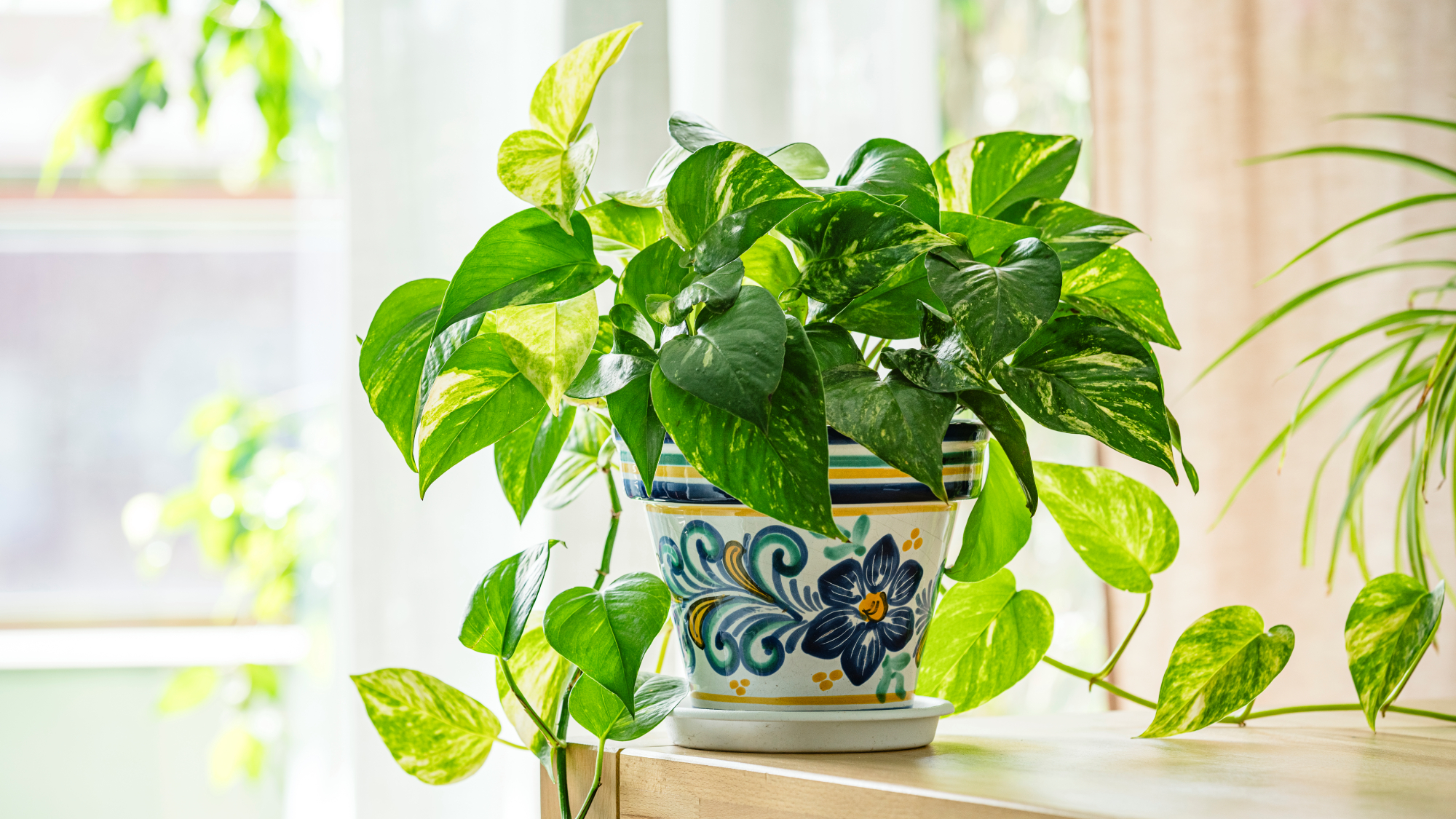
This is the plant equivalent of a best friend who never holds a grudge.
It grows in a vase of water on your counter with zero soil, it tolerates low light, and it forgives you when you forget about it for two weeks.
Light: Low to bright indirect. It will grow slower in low light but it won’t sulk.
Water: Let it dry out between waterings. Droopy leaves are its way of texting you “running low here,” and it perks back up within hours of watering.
The real talk: People kill pothos by overwatering, not underwatering. If the leaves are turning yellow and feel soft, you’ve been loving it too hard. Back off.
Heads up for pet owners: Mildly toxic to cats and dogs if chewed. Not the end of the world if your cat takes one nibble, but keep it out of reach of a determined chewer.
Snake Plant
:max_bytes(150000):strip_icc():format(webp)/eight-houseplants-that-thrive-in-low-light-8-0922-2000-39845777816b4f1f8a49b6ef758ef35e.jpg)
Snake plant is that low maintenance friend.
Sharp, sculptural leaves that look intentional even when you’ve done absolutely nothing to earn it.
Light: Handles low light better than almost anything on this list, and also handles full sun. It’s not picky.
Water: Once every two to three weeks, sometimes longer in winter. This plant stores water in its leaves like a camel.
Things you should know: The only way to kill a snake plant is to drown it. Overwatering causes mushy, smelly roots that no amount of love can fix.
When in doubt, wait another week.
ZZ Plant
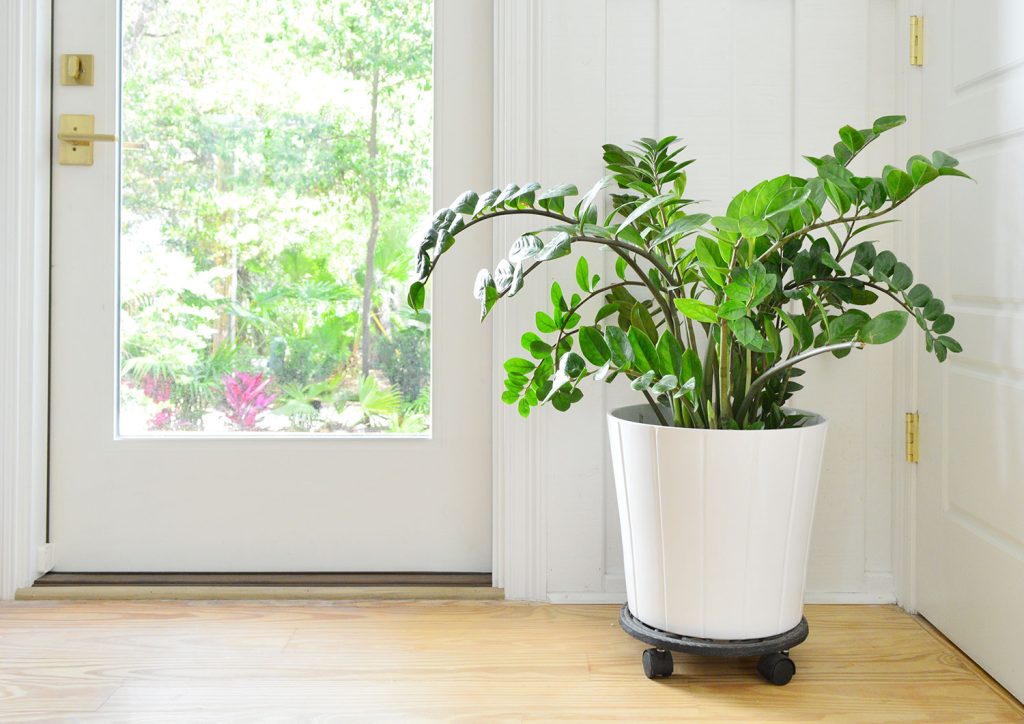
Glossy, dark green leaves that genuinely look fake. People touch them in my house just to check.
Light: Thrives in low light, which makes it perfect for that dim corner of your apartment that nothing else survives in.
Water: Every two to three weeks. It has fleshy underground rhizomes that store water for weeks at a time.
Slow growth is normal, not a sign of failure.
This plant adds maybe a few new leaves a year and that’s exactly what it’s supposed to do. Patience, not panic.
Spider Plant
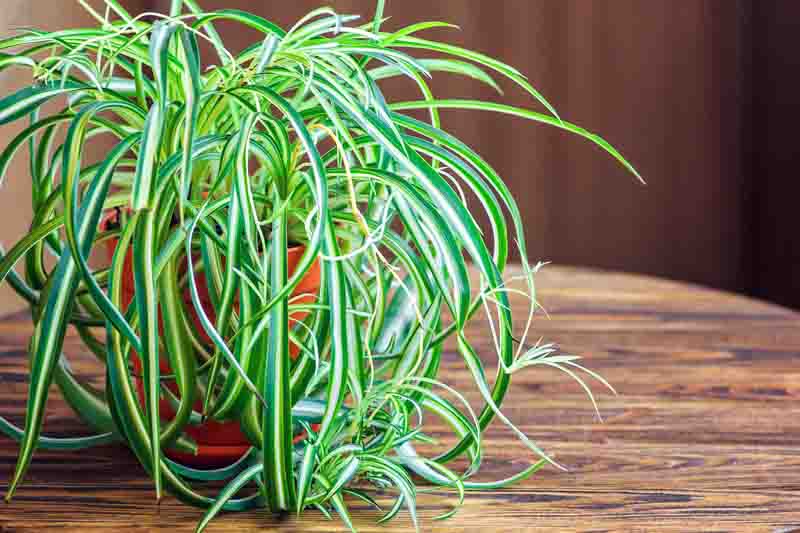
The plant that keeps on giving.
Once it matures, it sends out little baby plantlets on long stems that you can snip and root into entirely new plants for free.
Light: Bright indirect light gets you the fullest growth, but it tolerates lower light.
Water: Weekly-ish, letting the top inch dry out between watering. It likes consistency more than most plants on this list.
Brown tips are usually from tap water minerals or fluoride, not a watering mistake.
Switch to filtered or distilled water if it bothers you, or just trim the tips and move on with your life.
Photogenic plants
These are the plants you see all over Pinterest boards, and there’s a reason for that. Just know they ask for a little more than the low maintenance crew.
Monstera Deliciosa

The plant with the iconic split leaves that is genuinely stunning in person, and it grows fast enough to feel like a reward for your effort.
Light: Bright indirect light is non negotiable here. Stick it in a dim corner and you’ll get small leaves with no splits, which defeats the entire point of owning one.
Water: Weekly, letting the top two inches dry between waterings. It likes to drink consistently once it’s established.
No splits in the leaves usually means not enough light, not a watering problem. Move it closer to a window before you do anything else.
Pro move: Give it a moss pole or trellis to climb. Left to sprawl on the floor, it gets leggy and awkward fast. And you don’t want this.
Fiddle Leaf Fig
The plant with a reputation, and it’s earned every bit of it.
Gorgeous when happy, dramatic when not, and it will absolutely let you know which mood it’s in.
Light: Bright, consistent light from the same direction every day. This plant hates being moved around.
Water: Weekly, and keep the schedule consistent. Inconsistent watering is its single biggest trigger.
It drops leaves at the smallest disruption. New apartment, rotated the pot, moved it six inches, drafty window.
It will tell you about all of it by shedding leaves dramatically.
My honest opinion: If you’re newer to plants, skip this one for now and graduate into it later. It’s a stunning plant, but it’s not a forgiving one.
Pilea Peperomioides (Chinese Money Plant)
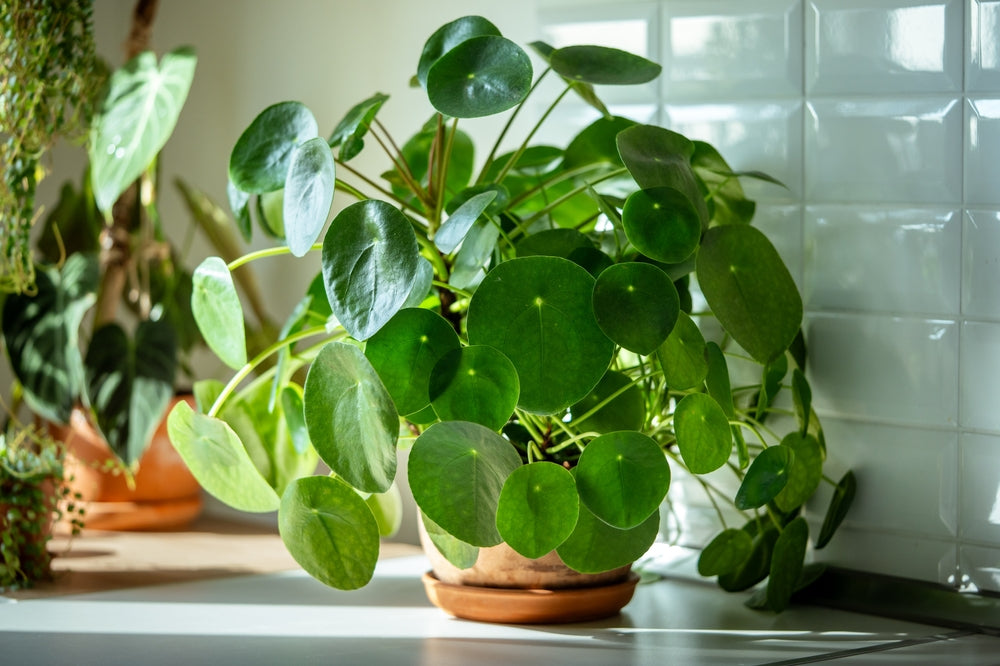
Round, coin shaped leaves on long stems that practically beg to be photographed.
Also called the friendship plant because it’s so easy to propagate and share.
Light: Bright indirect light. It will physically lean toward the window if it’s not getting enough, which is honestly kind of charming.
Water: Weekly, letting it dry out a bit between drinks.
Rotate the pot a quarter turn every week or it grows lopsided and starts looking like it’s trying to escape through the glass.
It will produce baby plants at the base constantly, and those make excellent gifts.
The desert crew
If you’ve killed a succulent before, I can almost guarantee it was overwatering.
These plants evolved to survive drought, not weekly hydration.
Treat them like a cactus, not a tropical plant, and they’ll outlive you.
Echeveria
:max_bytes(150000):strip_icc():format(webp)/grow-echeveria-succulents-1902977-02-dfc8d68a8d25452aa77a6d43270c5f96.jpg)
The classic Pinterest succulent in every wedding centerpiece and desk photo.
Stunning when healthy, sad and stretched out when it’s not getting what it needs.
Light: As much direct sun as you can give it. This is one of the only plants on this list that genuinely wants several hours of harsh, direct light a day.
Water: Every two to three weeks, and only when the soil is bone dry. Use a pot with a drainage hole. Always.
If it’s stretching tall and skinny with big gaps between leaves, that’s called etiolation, and it means it’s stretching toward more light because it’s not getting enough.
No amount of water fixes a light problem.
Aloe Vera

The succulent that doubles as a medicine cabinet staple. Snap off a leaf for a sunburn and thank yourself later.
Light: Bright, direct sun for at least a few hours a day.
Water: Every two to three weeks, soil completely dry between waterings.
Mushy, translucent leaves at the base mean root rot from overwatering, and at that point it’s often too late to save the plant.
Underwatering an aloe is genuinely hard to do. Overwatering it is shockingly easy.
The drama queens
These plants are gorgeous and they know it.
They also have opinions about humidity, light, and exactly how they’re treated. Worth growing once you’ve got the basics down.
Calathea
:max_bytes(150000):strip_icc():format(webp)/SPR-grow-calathea-indoors-1902745-hero-ec9ad66c01b74dca97ea02e167b6a660.jpg)
The most visually striking foliage plants you can own, with painted, patterned leaves that fold up at night like they’re tucking themselves in.
They’re also notoriously fussy, and I say that with love after killing two before I understood what they wanted.
Light: Medium, indirect light. Direct sun scorches and fades the patterns fast.
Water: Keep soil consistently moist, never bone dry and never soggy.
Use filtered water if you can. Tap water minerals cause the crispy brown edges this plant is famous for.
This plant wants humidity above 50%.
A dry apartment in winter with the heater running is its worst nightmare, and you’ll see it in curling, browning leaf edges within days.
A pebble tray, a humidifier, or grouping it with other plants genuinely helps.
Orchids (Phalaenopsis)
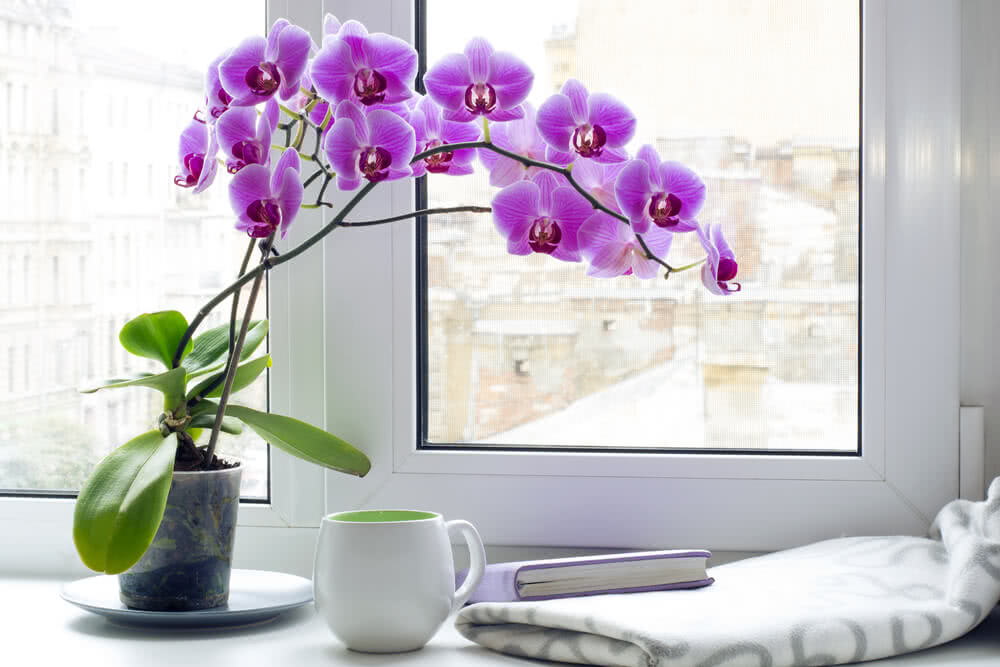
The plant people think is impossible to keep alive, but the truth is it’s one of the easier flowering plants once you stop treating it like a regular potted soil plant.
Light: Bright, indirect light. An east facing window is close to perfect.
Water: Once a week, and skip the ice cube trick you’ve seen online.
Ice cubes shock tropical roots that evolved in warm climates.
Run room temperature water through the pot until it drains, then let it dry out almost completely before the next watering.
Orchids grow in bark or moss, not soil, because in nature their roots cling to tree branches with airflow all around them.
That’s why a clear plastic pot with drainage holes works better than a decorative ceramic one.
After the blooms drop, the plant isn’t dead. It’s resting, and it can rebloom for years if you keep caring for it.
Boston Fern
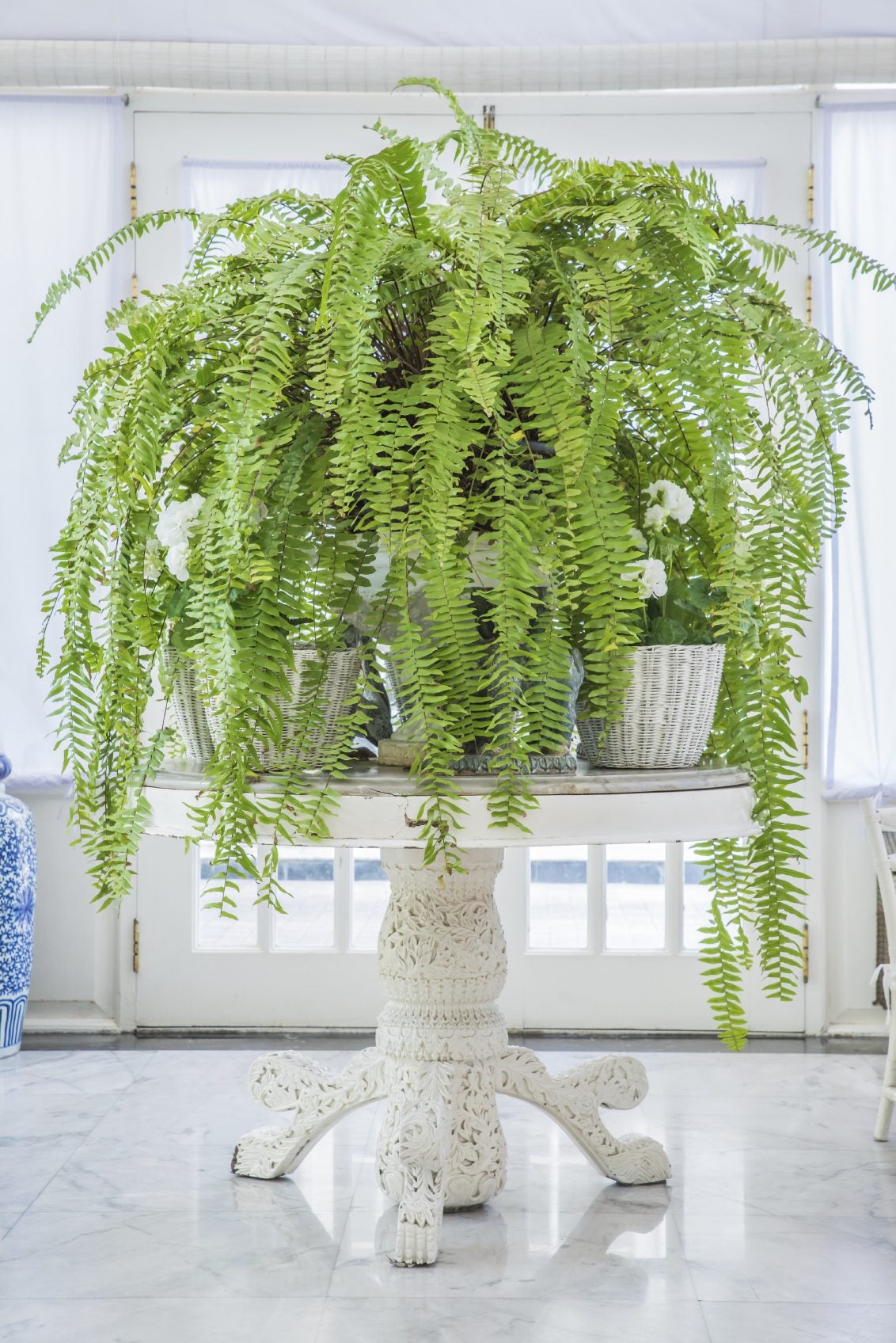
Lush, feathery fronds that turn any bathroom or kitchen into something out of a plant magazine.
Gorgeous, and genuinely needy about one specific thing.
Light: Medium, indirect light.
Water: Keep soil consistently moist. This one does not like to dry out at all, unlike most plants on this list.
This is why ferns thrive in bathrooms with a shower running daily and struggle everywhere else in a dry home.
If you don’t have a humid room, mist it daily or set it on a pebble tray, and expect some browning anyway in winter when heaters run.
The Hanging Beauties
If you’ve got a shelf, a hook, or a forgotten corner that needs life, these plants want to spill and drape rather than grow upright. They include:
Hoya

Thick, waxy leaves on long vining stems, and if you’re patient, clusters of star shaped flowers that smell incredible.
This one rewards people who don’t fuss too much.
Light: Bright indirect light. More light means more chance of blooms.
Water: Let it dry out completely between waterings, closer to succulent rules than tropical rules.
Don’t move it once it starts forming flower buds. Hoyas are sensitive to being relocated mid-bloom and will drop buds out of what feels like spite.
English Ivy

Classic, old fashioned, and genuinely underrated for cooler rooms where tropical plants struggle.
Light: Bright indirect to medium light.
Water: Weekly, keeping soil lightly moist but not soggy.
The real talk: It’s a magnet for spider mites, especially in dry winter air. Check the undersides of leaves for tiny webbing or stippling regularly.
Catching it early means a quick wipe down with a damp cloth. Catching it late means an infestation that spreads to every other plant nearby.
Light cheat sheet for your plants
- Bright direct light: Right in front of an unobstructed south or west facing window. Best for succulents, cacti, and aloe.
- Bright indirect light: A few feet back from that same window, or behind a sheer curtain. Best for monstera, fiddle leaf fig, pilea, hoya, orchids.
- Medium light: In front of an east or north facing window. Best for calatheas, ferns, ivy.
- Low light: Several feet from any window. Survivable for pothos, snake plant, and ZZ plant, but don’t expect fast growth here.
Pet safety tips

If you’ve got cats or dogs who like to taste-test your decor, snake plant, pothos, monstera, and most ivy varieties are mildly to moderately toxic if eaten.
Spider plants, hoyas, and most succulents are considered pet safe in small amounts.
Always double check the specific variety before bringing a new plant home if you’ve got curious pets, because toxicity can vary even within the same plant family.
When to Repot
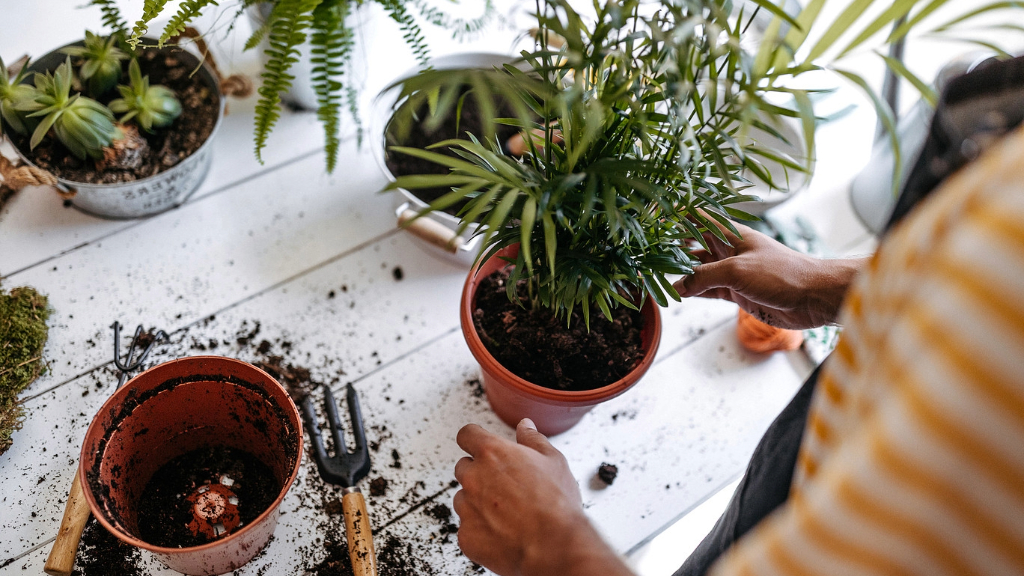
Spring through early summer, when plants are actively growing and can recover fast from the disturbance.
Repotting in fall or winter, when growth slows way down, is a common reason plants suddenly struggle weeks after what seemed like a routine pot upgrade.
Only go up one or two inches in pot size at a time.
A bigger pot holds more soil, which holds more water, which sits around roots that can’t use it fast enough.
That’s a rot problem waiting to happen. And it will kill your indoor plants.
Tricks to save your indoor plants
Stop watering on a schedule. Start checking the soil.
Every plant on this list lives or dies by this single habit more than any other piece of advice you’ll find.
Light, temperature, season, and pot size all change how fast soil dries out, so the calendar was never going to give you the right answer anyway.
Pick three or four plants from this list, learn their specific rhythm, and let your collection grow from there.
That’s genuinely how every plant person you admire on Pinterest got started too.
Houseplant FAQ
What are the 10 most common houseplants?
Pothos, snake plant, ZZ plant, monstera, spider plant, peace lily, philodendron, aloe vera, fiddle leaf fig, and orchid.
These show up in nearly every plant collection for a reason.
They cover every skill level and every light situation, from a dark hallway to a sun drenched window.
Types of houseplants and how to care for them
That’s the whole point of this guide.
Houseplants generally fall into a few buckets: low light tolerant foliage plants like pothos and snake plant, statement tropicals like monstera and fiddle leaf fig, desert succulents and cacti that want sun and drought, humidity loving divas like calathea and ferns, and trailing or vining plants like hoya and ivy.
Each group has its own watering rhythm and light needs, which you’ll find broken down section by section above.
What is the easiest indoor plant to take care of?
Snake plant, hands down.
It survives low light, irregular watering, dry air, and being completely ignored for weeks at a time.
If you’ve never kept a plant alive before, start here and build your confidence.
How to take care of houseplants for beginners?
Pick one or two easy plants first, like pothos or snake plant, instead of overwhelming yourself with a dozen species that all want different things.
Use the finger test before watering instead of a fixed schedule.
Put each plant in the light it genuinely wants instead of wherever looks cute, and don’t repot a brand new plant the moment you bring it home.
Give it a few weeks to settle in first.
What’s the hardest houseplant to keep alive?
Fiddle leaf fig, without question.
It’s sensitive to drafts, inconsistent watering, low humidity, and even getting rotated or moved a few inches.
Calathea comes in a close second thanks to its demand for steady humidity.
Both are gorgeous and both are worth it once you’ve got a few easier plants under your belt first.
Which houseplants are good for bedrooms?
Snake plant and pothos are great bedroom choices because they handle lower light and lower humidity well, and snake plant in particular releases oxygen overnight rather than during the day like most plants.
Peace lily works too if your bedroom gets decent indirect light.
Just skip anything that needs blasting direct sun, since most bedrooms don’t get that.
Are eggshells good for houseplants?
Not worth the hype, in most cases.
Eggshells take months or even years to break down enough to release any calcium into your soil, so they’re not the quick fix Pinterest makes them look like.
Composting them long term is fine, but if you want a calcium boost now, a proper fertilizer will do far more in far less time.
Which houseplants purify the air best?
Peace lily, snake plant, spider plant, and pothos all got attention from a NASA air quality study decades ago, and that study still gets quoted everywhere.
Here’s the catch nobody mentions: You’d need a small jungle’s worth of plants in a sealed room to make a measurable difference in your actual air quality.
Keep these plants because you love how they look, not as a replacement for opening a window or running an air purifier.
How often do I water an indoor plant?
There’s no universal number, and that’s the honest answer. It depends on your plant, your light, your pot, and the season.
Use the finger test every few days instead of marking your calendar, and let the soil tell you what it needs.
What plant says “I love you”?
Hoya kerrii, nicknamed the sweetheart plant, has single heart shaped leaves and gets sold as a tiny rooted cutting around Valentine’s Day for exactly that reason.
String of hearts is another popular pick if you want trailing romance instead of a single statement leaf.
Which houseplant is often recommended for beginners?
Pothos, more than anything else on the market.
It’s cheap, it’s everywhere, it grows in water or soil, and it bounces back fast even after you mess up.
It’s the plant world’s equivalent of training wheels.
What indoor plants last forever?
ZZ plant and snake plant can genuinely live for decades with minimal care, and so can most succulents and cacti if you don’t overwater them.
They grow slowly, which means you’re not replacing them every couple of years like a fast growing tropical that outgrows its space or gets leggy and tired looking.
How to tell if a plant is thirsty?
Leaves droop or curl inward, soil pulls away from the edge of the pot, and the pot itself feels noticeably lighter when you pick it up.
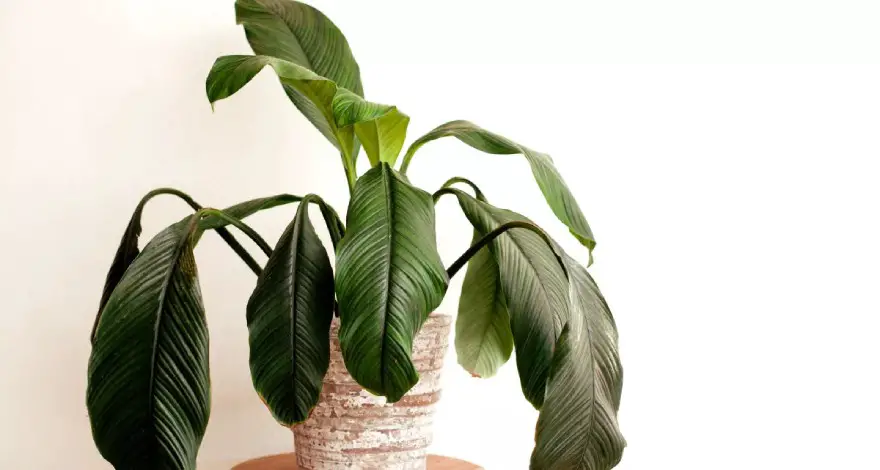
Some plants like peace lily go fully limp and dramatic when thirsty, then bounce back within an hour of watering.
Stick your finger two inches into the soil to confirm before you reach for the watering can.
Which easy houseplants grow fastest?
Pothos, philodendron, and spider plant are all forgiving and quick growers, especially in bright indirect light during spring and summer.
You can watch a healthy pothos add a foot of new vine in a matter of weeks once it’s settled into a spot it likes.
What are the first symptoms of overwatering?
Yellowing leaves that feel soft or mushy rather than crispy, leaves dropping while they’re still green, a musty smell coming from the soil, and fungus gnats hovering around the pot.
If the soil stays wet for more than a few days after watering, that’s your earliest warning sign before any leaf damage even shows up.
What is the finger test for watering plants?
Stick your finger about two inches down into the soil before you water. If it feels damp, skip the watering can and check again in a day or two.
If it feels dry, go ahead and give it a drink. It takes ten seconds and it’s more reliable than any calendar reminder you could set.
What is the best soil for houseplants?
A quality indoor potting mix that drains well and includes something like perlite or bark mixed in for airflow.
Skip plain garden soil entirely, since it compacts in containers and suffocates roots.
Most general purpose indoor mixes work fine for common foliage plants like pothos, philodendron, and monstera.
How do I propagate houseplants?
For vining plants like pothos and philodendron, snip a stem below a node and drop it in a jar of water until roots form, then move it to soil.
For plants like snake plant and spider plant, divide the root clump at repotting time into two separate plants.
For succulents, twist off a healthy leaf, let the cut end callus over for a day or two, then lay it on top of soil and wait for roots and a tiny new rosette to form.
What to mix in soil for houseplants?
Perlite is the easiest addition for almost any plant, since it improves drainage and keeps soil from compacting.
Orchid bark or horticultural charcoal adds chunkier aeration that plants like monstera and philodendron appreciate, since their roots want oxygen as much as they want moisture.
Worm castings or a slow release fertilizer mixed in at planting time gives a gentle, ongoing nutrient boost too.
Do I need special soil for houseplants?
For most common foliage plants, a standard indoor potting mix is genuinely all you need. A few categories do want something specific though.
Succulents and cacti need a fast draining cactus mix, orchids need bark instead of soil entirely, and African violets do best in a lightweight mix made for them.
When in doubt, check what category your plant falls into before grabbing whatever bag is cheapest at the store.
Related Posts: