You Should Never Put These Plants in Your Bedroom (And What to Grow Instead)
Last Updated on June 27, 2026 by Duncan
You have probably heard that plants “steal your oxygen” while you sleep. Forget that one immediately.
A single houseplant breathing in your room overnight makes a tiny dent compared to your own breathing.
Your snoring partner is a bigger oxygen thief than your pothos will ever be.
The real risks of having a plant in your bedroom have nothing to do with oxygen.
They are about scent, moisture, and what happens if a pet or kid takes a curious bite.
Those are the things that actually wreck a night’s sleep or a trip to the vet.
Avoid having these plants in your bedroom
Lilies
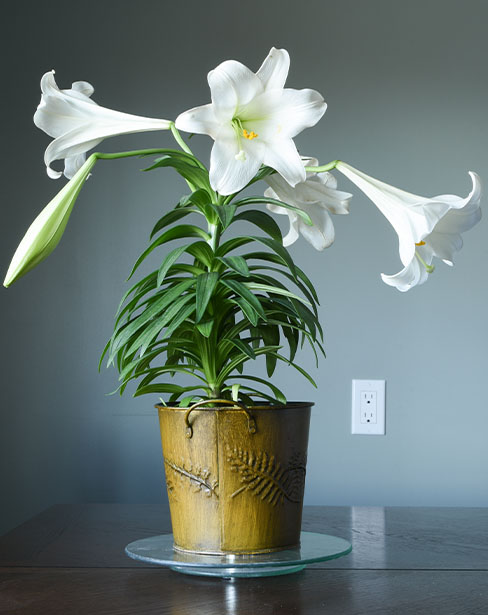
If you have a cat, this is the one that matters most.
True lilies like Easter lilies, tiger lilies, and stargazers are devastating to cats.
Even a few grains of pollen brushed onto fur and licked off later can cause kidney failure within days.
I lost a friend’s cat this way and she still talks about it.
If there is any chance a cat wanders into your bedroom, do not bring these flowers anywhere near it.
Not on the dresser, not in a vase, not “just for a few days.”
Jasmine, gardenia, certain lilies and other strongly fragrant flowering plants

A little fragrance in a big airy room can feel romantic.
The same fragrance in a closed bedroom with the door shut all night is a different story.
Your bedroom has way less airflow than your living room, especially with the door closed and the AC turned down.
Scent molecules that would dissipate in an open space just sit there, building up.
I once put a gardenia on my nightstand because it smelled incredible in the shop.
By 3 a.m. I had a headache that felt like a hangover. You don’t want to have the same experience, do you?
Save the strong bloomers for the hallway or the living room where air can move.
Ficus trees (weeping fig, rubber plant)
:max_bytes(150000):strip_icc():format(webp)/grow-ficus-trees-1902757-1-80b8738caf8f42f28a24af94c3d4f314.jpg)
These are gorgeous and many people recommended them for bedrooms because they look like a furniture piece.
Here is what nobody tells you.
Ficus leaves shed a fine dust and the sap is latex based.
If you or your partner have any latex sensitivity, you can end up with nighttime chest tightness that you blame on allergies or a stuffy room.
It took me months to connect my “mystery congestion” to the rubber plant by my bed.
The second I moved it to the office, I started slepting better.
Dieffenbachia and most Philodendron varieties

These trailing, leafy plants are everywhere on Pinterest bedroom boards because they photograph beautifully.
They are also genuinely risky if a curious toddler or a bored cat decides to chew a leaf.
The sap contains sharp little crystals that cause painful swelling in the mouth and throat.
Your bedroom is the one room where a pet or kid might be alone and unsupervised with that plant for eight hours straight.
If you have small kids or pets that roam free at night, this is not the room for these plants.
Put them somewhere you can keep an eye on them during the day.
Peace lilies, in the wrong setup
:max_bytes(150000):strip_icc():format(webp)/SPR-variegated-peace-lily-domino-7097188-hero-A-422d7faa152d42d3a4030ff8a2a33768.jpg)
I am not saying never own a peace lily.
I am saying be honest with yourself about your watering habits before you put one by your bed.
Peace lilies want consistently moist soil, and a closed bedroom with low airflow is the worst place for that moisture to sit overnight.
Damp soil plus stagnant air equals mold, and mold spores right next to your face is how you wake up sneezing for no obvious reason.
If you are someone who waters on a schedule and your room has decent airflow, you are probably fine.
If you water whenever you remember and your room feels stuffy, choose something else.
Consider the three foot headboard rule if you must have a plant in your bedroom
Here is the thing every generic “plants to avoid” list misses.
It is not really about the plant.
It is about distance and air.
I call this the Three Foot Headboard Rule. Draw an imaginary circle three feet around where your head rests at night.
Anything that produces strong scent, sheds dust, drips sap, or sits in soggy soil should stay outside that circle.
A jasmine plant across the room on a dresser is a completely different experience than the same jasmine plant six inches from your face.
Distance changes everything, and almost nobody talks about it.
This rule also solves the “but I really want a peace lily” problem.
Keep it across the room, water it in the morning, and you have sidestepped most of the risk without giving up the plant you love.
What can you put in your bedroom instead?
You do not need to give up the bedroom jungle look. You just need smarter picks.
Excellent options include:
Snake plant

Tough, low maintenance, and one of the few plants that releases oxygen overnight instead of the typical daytime-only cycle.
Mine has survived two moves and my total neglect for weeks at a time.
Spider plant

Pet safe, forgiving if you forget to water it, and it grows little babies you can propagate for free.
Great if you want something low stress.
Lavender
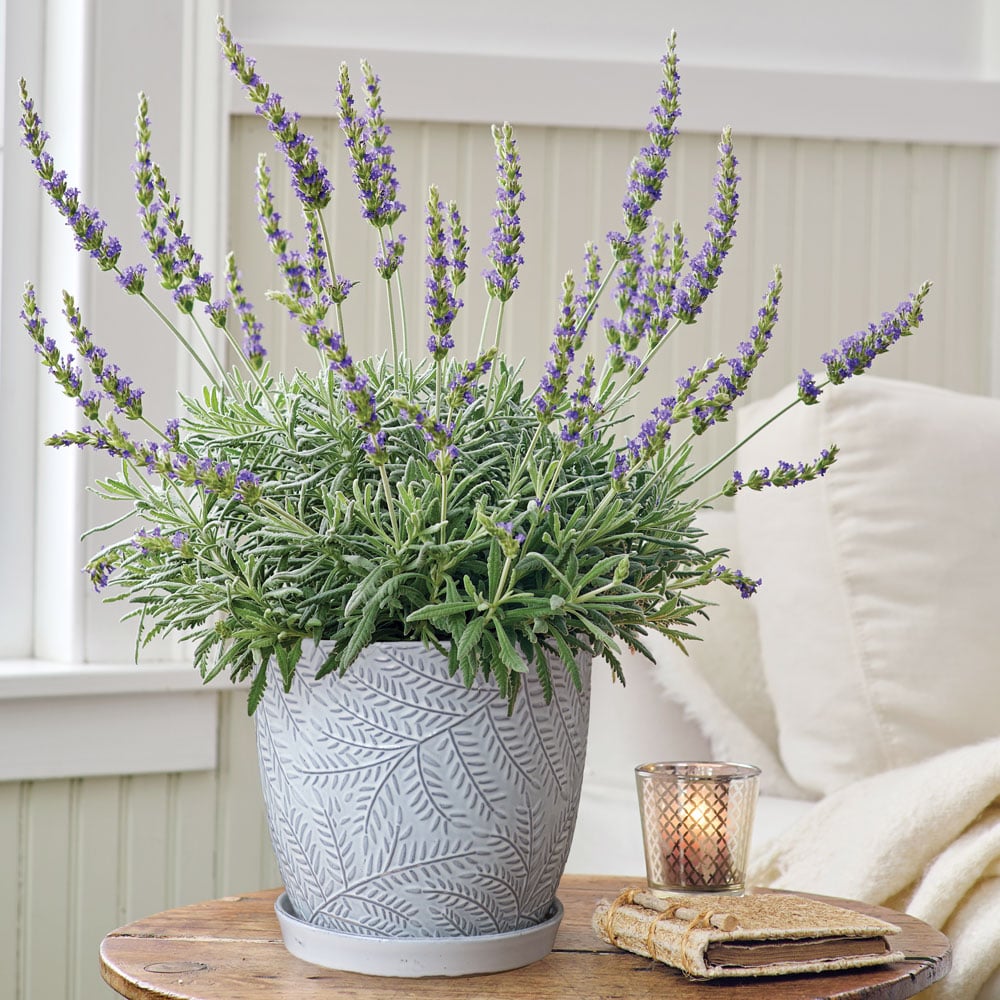
Calming in small doses and genuinely linked to better sleep when the scent is light rather than overwhelming.
Keep it outside your Three Foot circle and you get the benefit without the headache.
Parlor palm

Soft, non toxic to pets, and it gives you that lush jungle feeling without any of the sap or pollen drama.
Boston fern

Loves humidity, looks incredible in a hanging planter, and is pet friendly.
It does want regular misting, so this one is for you if you enjoy the little ritual of caring for something.
Mistakes that have nothing to do with which plant you pick
Plenty of bedroom plant disasters happen with completely bedroom safe plants. The plant was never the problem. Here is the stuff that actually trips people up.
Letting water sit in the saucer
That little tray under your pot is supposed to catch overflow, not store a swamp.
Standing water turns into a fungus gnat nursery within days, and waking up to tiny bugs flying near your face is not anyone’s idea of a good morning.
So, make it a habit to dispose of the water as often as possible.
Skipping quarantine for new plants
I learned this one the hard way after bringing home a “great deal” pothos from a clearance rack that turned out to be loaded with spider mites.
Always keep a new plant in another room for a week or two before it goes anywhere near your bed.
Cramming too many plants into a small room

One or two plants in a cozy bedroom feels intentional and elegant.
Eight plants in a small room turns into a dust magnet, makes the air feel heavier, and gives pests a lot more real estate to spread between pots.
Never wiping the leaves down

Dust settles on leaves fast, especially in a bedroom that does not get much foot traffic to stir things up.
That dust mixes with everything else floating around and ends up in the same air you breathe for eight straight hours.
Using strong synthetic fertilizer indoors
Some of these have a sharp chemical smell that is fine outside and unpleasant in a small closed space.
If you fertilize, do it during the day with a window cracked, not right before you turn off the lights.
Blocking your only air vent or window with a big leafy plant
This one is sneaky and I have done it myself without noticing for weeks.
A large plant parked in front of your one airflow source quietly makes every other item on this list worse, because the air in the room just is not moving.
Topping the soil with moss, bark, or decorative pebbles “for the aesthetic.”
It looks gorgeous in photos and it traps moisture right against the soil surface, which speeds up mold growth in the one spot you really do not want it, inches from your face while you sleep.
None of this means you need to give up your plants.
It means the plant you pick is rarely the whole story.
How you set it up and maintain it matters just as much as the species itself.
Three small habits that fix 90% of bedroom plant problems
Water in the morning, never at night
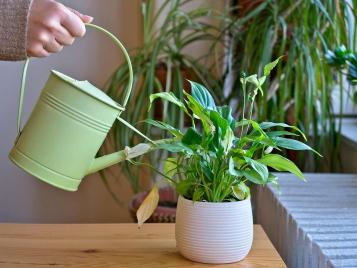
This gives the soil hours to dry out before your door closes and the air stops moving.
It is the single easiest fix and almost nobody does it.
Keep pots away from cold windows and exterior walls
That spot is colder and damper than the rest of the room, which means more condensation and faster mold growth.
Your plant ends up unhappy and your air quality takes the hit too.
Always check pet and child toxicity before you fall in love with a plant
Do this before you buy it, not after you already have three of them and a curious puppy.
It takes thirty seconds on your phone and can save you a horrible night.
Frequently asked questions
What plants are bad to have in your bedroom?
True lilies top the list if you have a cat, since even pollen on fur can cause kidney failure.
Strongly fragrant flowers like jasmine and gardenia, ficus trees, and dieffenbachia or philodendron varieties are the next ones to think twice about, mostly because of scent overload, allergy triggers, or toxic sap.
Which plant is lucky for a bedroom?
Lucky bamboo and jade plants get the feng shui nod for bringing good fortune and prosperity.
I cannot promise you a raise, but a healthy jade plant on your dresser is a genuinely lovely thing to look at, so the luck might just be in the vibe it sets.
Why shouldn’t you put plants in your bedroom?
It is not that you absolutely should not, it is that some plants create specific problems in a closed, low airflow space.
Think scent buildup, mold from soggy soil, allergy triggers, or toxicity risk for pets and kids, not the old “plants steal your oxygen” myth.
What is the healthiest plant to have in your bedroom?
Snake plant is the go to answer here.
It is part of a small group of plants that release oxygen overnight instead of only during the day, and it survives almost any amount of neglect.
Where do you put plants in the bedroom?
Keep anything fragrant, sappy, or moisture loving at least three feet from your headboard, which I call the Three Foot Headboard Rule.
Avoid cold windows and exterior walls too, since that spot collects condensation and speeds up mold.
Which plants help purify bedroom air?
Snake plant, spider plant, areca palm, and peace lily all get cited for this, based on this NASA study.
In your actual bedroom the effect is much smaller than the headlines suggest, but they are still solid, attractive plants worth having.
Is it unhealthy to sleep in a room with plants?
For most people, no.
The risks come from specific situations like pet toxicity, allergies, or overwatered soil growing mold, not from plants being in the room in general.
Can you have too many plants in your bedroom?
Yes. Past a certain point you get more dust, heavier feeling air, and a lot more spots for pests like fungus gnats to set up shop.
A couple of well chosen plants beats a crowded shelf every time.
Which plants release oxygen at night?
Snake plant, aloe vera, and most succulents and orchids use a different photosynthesis cycle that flips their gas exchange to nighttime.
That is the real science behind the “oxygen at night” claim you see everywhere.
What is the best indoor plant for a bedroom?
Snake plant wins for low maintenance and nighttime oxygen release, with spider plant close behind for being pet safe and nearly impossible to kill.
If you want something with scent, lavender kept across the room is my favorite.
How many plants should be in a bedroom?
A good rule of thumb is one plant for roughly every sixteen square feet of floor space, so two or three plants in an average sized bedroom.
Adjust down if your room has poor airflow or up if you have a big window and good ventilation.
Should you sleep with plants in your bedroom?
Yes, plenty of people do this safely every night, myself included.
Just match the plant to your actual room, your pets, and your watering habits, and you will be fine.
Which bedroom plants are best for beginners?
Snake plant and spider plant are about as forgiving as it gets, and spider plant is pet safe if that matters to you.
ZZ plant is also nearly indestructible, just keep it away from pets and curious toddlers since it is toxic if eaten.
Parting shot
Your bedroom is not the place to take chances on a plant just because it looked stunning on someone else’s feed.
Think about who sleeps in that room, who wanders in at night, and how much air moves through it.
Get those three things right and almost any plant becomes a safe bet.
Get them wrong and even a “safe” plant can turn into a 2 a.m. problem.
Choose with your specific bedroom and your specific household in mind, and you will end up with a space that looks as good as it sleeps.
Related Posts: