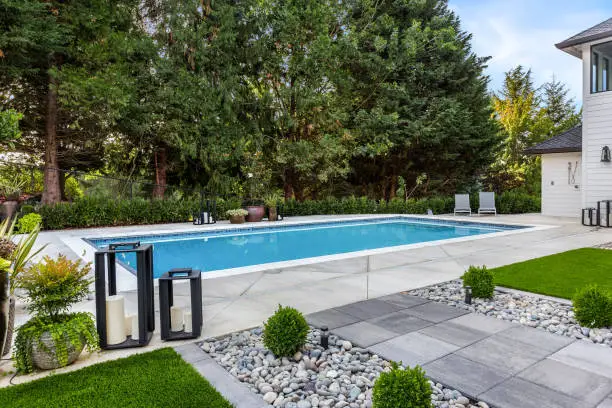
Guide to Growing Passion Flowers in Pots
Last Updated on July 13, 2026 by Duncan
There’s something magical about watching a passion flower climb higher every week before bursting into some of the most unusual blooms you’ll ever see.
The good news is you don’t need a large garden to enjoy one.
With the right setup, a passion flower can thrive in a pot on a patio, balcony, porch, or even a sunny corner of your yard.
Why Grow Passion Flowers in Pots?

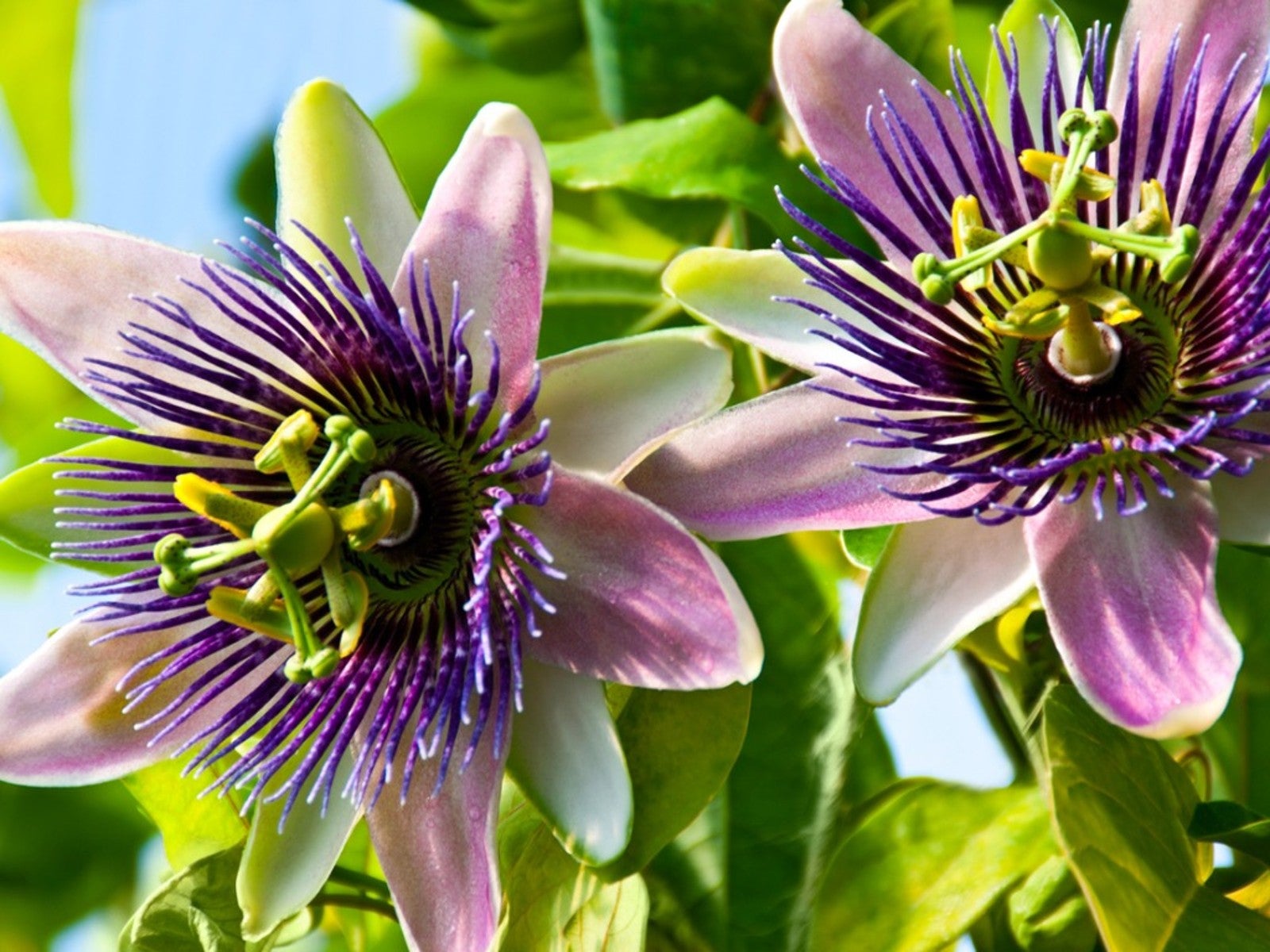
Passion flower has one of the wildest looking blooms in the entire plant world.
Those spidery purple petals and crown of filaments look like something from a coral reef, not your patio.
People stop and stare.
I’ve had neighbors knock on my door just to ask what on earth that flower is.
Growing it in a pot instead of the ground gives you control that in ground gardeners don’t get.
You can move it into a sunnier spot when the seasons shift.
You can drag it into a garage when a surprise frost hits.
And you can keep an aggressive vine from taking over your entire yard, because trust me, in the ground this thing will run.
Container growing is also the only real option for anyone without a yard.
Balcony, patio, tiny courtyard, doesn’t matter. If you have a sunny spot and a sturdy pot, you can grow this plant.
And here’s a bonus most people don’t mention.
Some varieties give you edible passion fruit right off your own vine.
Nothing beats handing a friend a fruit and watching their face when you tell them you grew it on your balcony.
Choose the Best Passion Flower Variety
Not all passion flowers behave the same way, and picking the right one saves you a ton of frustration later.
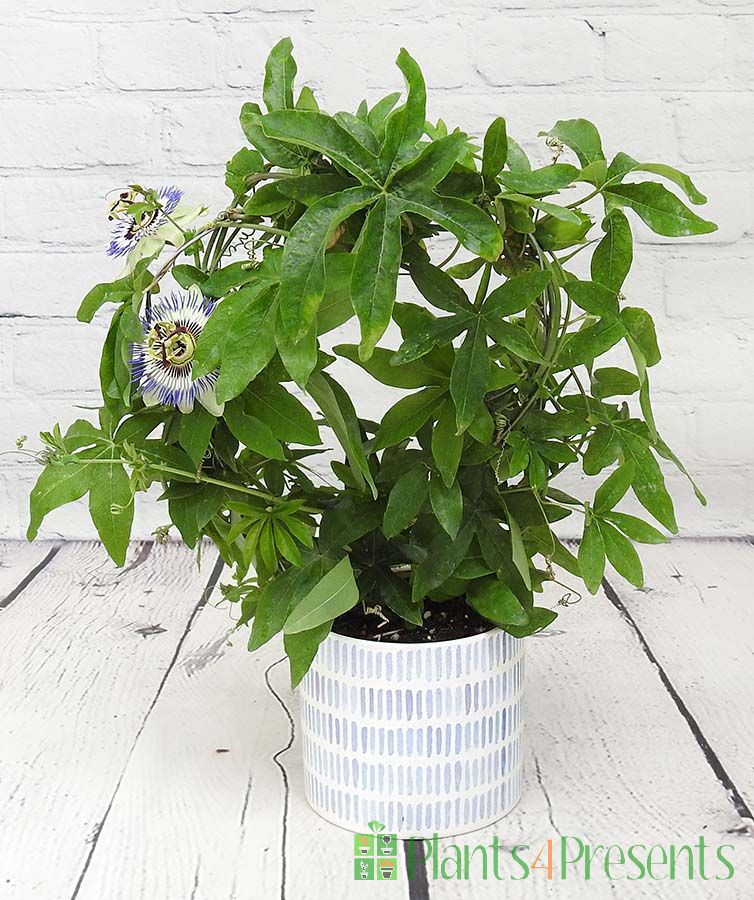
Passiflora caerulea: The blue passion flower, is the most common one sold at garden centers.
It’s tough, grows fast, and tolerates cooler temperatures better than most. If you’re new to this plant, start here.
Passiflora incarnata: Sometimes called maypop, is a native North American variety that’s incredibly cold hardy.
It dies back to the ground every winter and comes roaring back in spring.
If you live somewhere with real winters, this one forgives a lot of mistakes.
Passiflora edulis: Is the one you want if you’re after actual passion fruit to eat.
It needs more warmth and a longer growing season, so it does best for gardeners in warm climates or anyone willing to bring the pot indoors for winter.
Passiflora ‘Amethyst’ is a personal favorite of mine for pure looks. The flowers are a rich, deep purple and the plant stays a bit more compact than the others, which makes it a great fit for smaller pots and balconies.
If you’re brand new to growing this plant, I always tell people to start with caerulea. It’s the forgiving friend who doesn’t hold your mistakes against you.
Select the Right Pot
Here’s where most guides give you bad advice. They tell you to buy the biggest pot you can find so the roots have plenty of room.
Skip that idea entirely.
Passion flower is a vine with a big personality.
It wants to sprint.
Give it a giant pot with tons of extra soil and it pours every ounce of energy into growing longer and leafier instead of making flowers.
The right way to go about it is to start young plants in an 8 to 10 inch pot.
When the roots start to feel a little snug in there, the plant switches its focus from growing bigger to making flowers.
A plant with unlimited room is like someone with unlimited time.
They putter around forever and never finish the project.
Only size up when you see roots circling the bottom of the pot, and even then, move up just one size, not two.
A pot that’s wider than it is deep works better than a tall skinny one too, since the roots spread out sideways rather than digging straight down.
Drainage holes are non negotiable.
Passion flower roots hate sitting in water, and a pot without proper drainage is basically a slow motion drowning device.
Create the Perfect Potting Mix
Regular garden soil is too heavy and dense for a pot.
It compacts, holds too much water, and suffocates roots over time.
Skip it entirely.
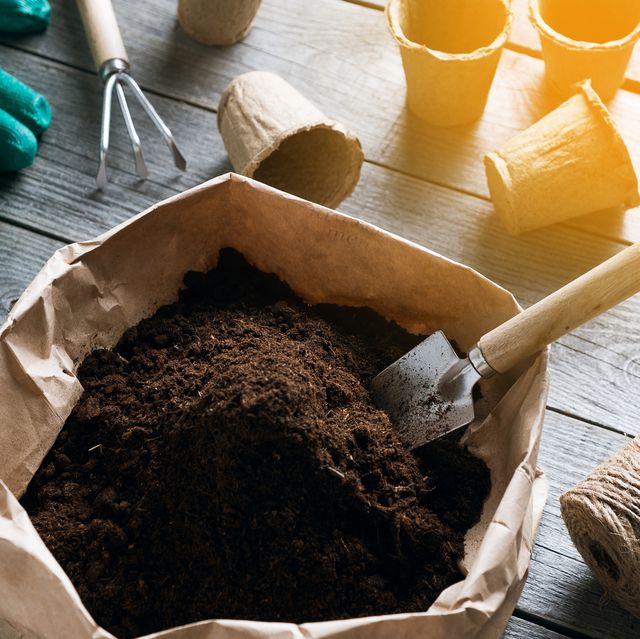
Use a good quality potting mix as your base, then work in some extra material to improve drainage.
Perlite or coarse sand mixed in at about one part to four parts potting mix does the trick nicely.
A handful of compost mixed in gives your plant a gentle nutrient boost right from the start.
Just don’t overdo it, since rich soil paired with heavy feeding later is what leads to a jungle of leaves and zero flowers.
Check your mix every year or two by pushing a chopstick down into the soil.
If it slides in easily with a bit of resistance, you’re fine.
If it feels like pushing into a brick, your soil has compacted and needs refreshing.
Where to Place Your Passion Flower Pot
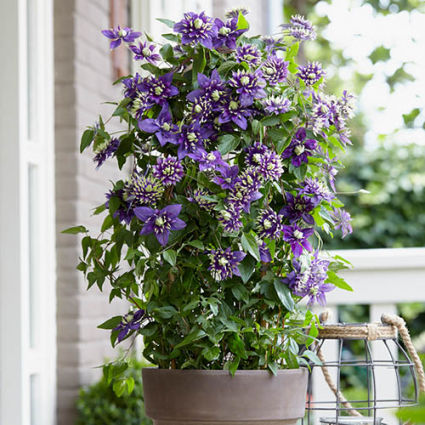
Passion flower wants sun.
A lot of it.
Aim for at least six hours of direct light daily, and if you can angle for afternoon sun specifically, your plant will thank you with more blooms.
Watch your pot’s material and color too.
Dark plastic pots sitting in full sun get hot enough to cook the roots inside, even when the air feels perfectly pleasant.
On a scorching day, feel the soil a couple inches down.
If it’s warm to the touch, your roots are struggling.
A lighter colored pot or a shady decorative sleeve around your existing pot solves this instantly.
Terracotta breathes better than plastic and doesn’t trap heat the same way.
Give some thought to wind exposure too, especially on balconies.
A vine loaded with heavy blooms and long tendrils can get shredded in a gusty spot.
A corner with a wall or railing to block the worst of the wind makes a big difference.
How to Plant a Passion Flower in a Pot

Start by soaking your plant in its nursery pot with water for a few minutes before transplanting.
This keeps the roots hydrated and makes the whole process less stressful for the plant.
Fill your new pot about a third of the way with your potting mix.
Gently tip the nursery pot on its side, ease the plant out, and loosen the roots a little with your fingers if they’re tightly wound.
Set the plant in the center and fill in around it with more mix, keeping the top of the root ball level with the rim of the soil.
Don’t bury the stem any deeper than it was growing before.
Water thoroughly right after planting until it runs out the drainage holes.
This settles the soil around the roots and gets rid of any air pockets hiding underneath.
Give your newly planted vine a little grace period.
It might sulk for a week or two while it settles in. That’s normal and nothing to panic over.
How to Support the Passion Flower

This plant has these curly little tendrils that reach out searching for something to grab onto.
Watch them for a day or two and you’ll notice they move in slow little circles, feeling around for support.
If those tendrils don’t find something to grip within a couple days, the plant gives up on that growing tip and redirects its energy elsewhere.
This is why a trellis that’s technically nearby but not close enough leads to patchy, uneven growth.
Your support structure needs to sit close, within a few inches of new growth at all times.
String, twine, a trellis with tight spacing, whatever you use, make sure the vine never has to search for long.
A simple bamboo teepee with garden twine tied in a loose crisscross pattern works great and costs almost nothing.
A wall mounted trellis or an obelisk works too if you want something a bit more decorative for your patio.
Set up the support at planting time rather than waiting.
Vines grow shockingly fast once they get going, and you don’t want to be scrambling to add a trellis to a plant that’s already six feet of tangled mess.
How to Water Passion Flowers in Pots
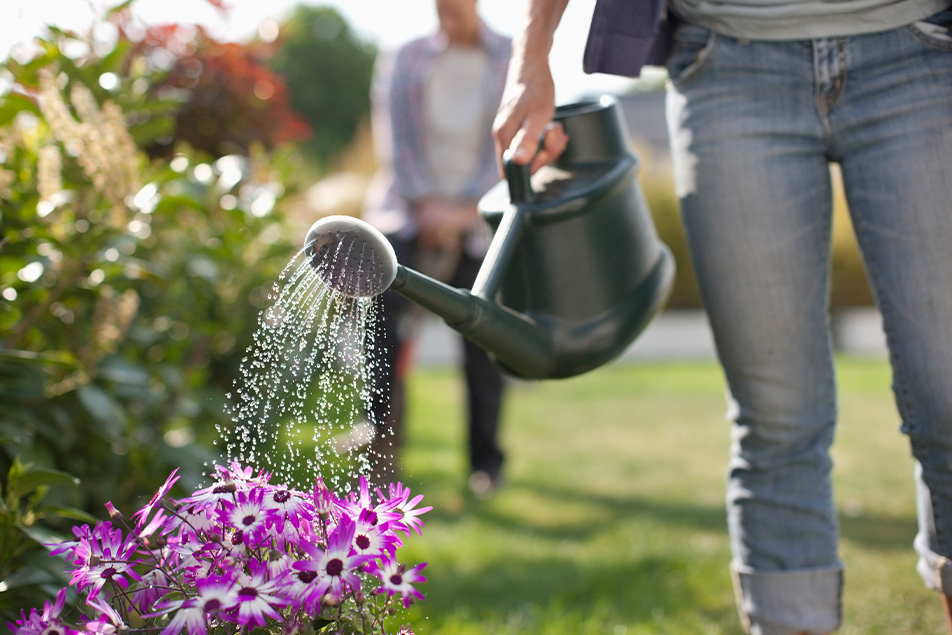
Consistency matters more than quantity here.
Passion flower likes soil that stays evenly moist, never bone dry and never swampy.
Check the top inch or two of soil with your finger before watering.
If it feels dry, water thoroughly until it runs out the bottom. If it still feels damp, wait another day and check again.
Sudden leaf drop in the middle of summer, even with faithful watering, usually means the roots are drowning rather than thirsty.
This happens after heavy rain fills a saucer and it sits there, or when you water on your usual schedule during a stretch of cool, cloudy days when the plant isn’t drinking as much.
A quick trick to catch this early is to give the drainage hole a sniff.
If it smells sour or swampy, there’s a problem brewing days before you’ll see any yellow leaves.
Always dump standing water out of the saucer after rain or a heavy watering session. Standing water is enemy number one for a potted passion flower.
How to Fertilize for Healthy Growth and More Flowers
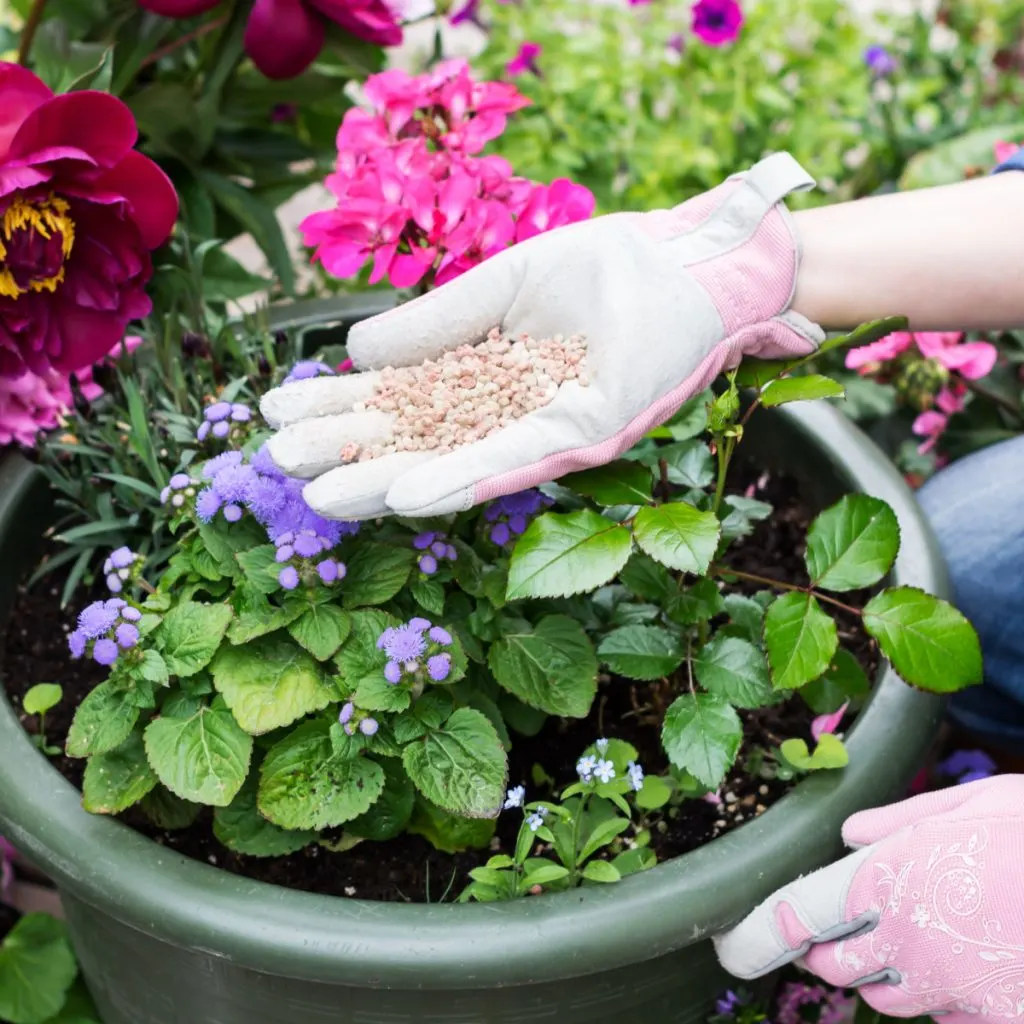
If your vine looks like a jungle but has never once bloomed, I already know what happened. It got too much regular plant food.
Most all purpose fertilizers are loaded with nitrogen, which is fantastic for leaves and terrible for flowers.
The plant takes that nitrogen and grows another twelve feet of vine instead of a single bloom.
Feed generously with a balanced or nitrogen leaning fertilizer during the first month or so of spring growth, while the plant is bulking up.
Once you spot the first buds forming, switch to a bloom boosting formula, something where the middle and last numbers on the bag are higher than the first, like 5-10-10.
Stop feeding entirely about two months before your first expected frost.
This gives new growth time to harden off before cold weather arrives instead of pushing out tender growth that gets damaged.
How to Prune and Train Your Passion Flower
:max_bytes(150000):strip_icc():format(webp)/GettyImages-2080314157-639a0b42f1a244689bfd4318fc131fde.jpg)
Passion flower grows fast, and pruning keeps it from turning into a tangled mess that blocks its own light and airflow.
Don’t be shy about cutting it back.
Prune in early spring before new growth kicks in, cutting back last year’s growth by about a third.
This encourages branching, which means more flowering points rather than one long vine racing off in a single direction.
Through the growing season, pinch back the growing tips occasionally to encourage bushier growth and more side shoots, each of which can produce its own flowers.
A single unpruned vine tends to put all its energy into length instead of blooms.
Train new growth onto your trellis or support as it appears rather than letting it flop around loosely.
Gently weave or tie stems to the structure every week or two during peak growing season, since this plant grows fast enough to lose track of.
Remove any dead, damaged, or crossing stems whenever you spot them.
Good airflow through the plant keeps pests and fungal problems from settling in.
Repotting Passion Flowers
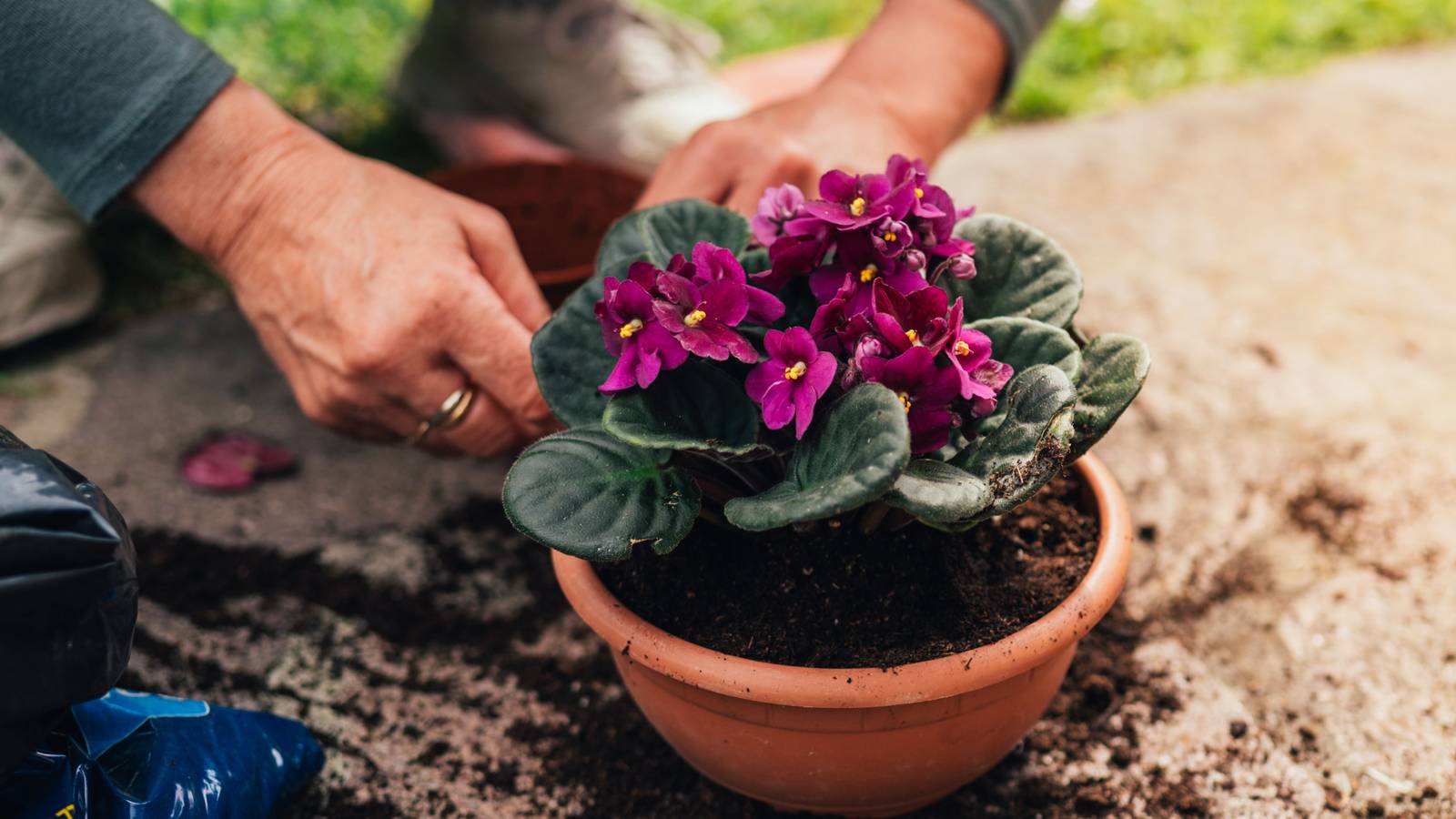
Passion flower grows quickly, and container plants need repotting every one to two years, though the exact timing depends on how snug things have gotten in there.
Check for roots poking out of the drainage holes or circling tightly around the bottom of the pot.
Either sign means it’s time to move up.
Repot in early spring, right before the active growing season kicks in, so the plant has plenty of time to establish before the heat of summer arrives.
Move up just one pot size at a time rather than jumping several sizes at once.
Gently ease the plant out, loosen any tightly wound roots with your fingers, and trim off any roots that look mushy, dark, or dead.
Set it into fresh potting mix at the same depth it was growing before.
Water thoroughly after repotting and keep the plant somewhere with bright, indirect light for a week or two while it adjusts.
Direct blazing sun on freshly disturbed roots is a bit much for the plant to handle right away.
If your pot has already maxed out at the largest size you’re willing to manage, you can still refresh the plant.
Pull it out, trim back a portion of the root mass along with a matching amount of top growth, and replant it in the same pot with fresh soil.
This resets the plant without letting the pot size grow forever.
FAQs
Do passion flowers do well in pots?
Yes, and in some ways they do better in pots than in the ground.
A container keeps the roots a little snug, which pushes the plant toward flowering instead of endless sprawling growth.
Just give it a sturdy support to climb and plenty of sun.
How many years does it take for a passionfruit vine to fruit?
Most vines start fruiting within the first year or two once they’re mature enough and getting proper sun and pollination.
Some fast growing varieties can even fruit the same year they’re planted if conditions are right.
What are common passionflower problems?
Lots of leaves with no flowers, usually from too much nitrogen fertilizer.
Sudden leaf drop, usually from soggy roots.
Spider mites, especially after bringing a plant indoors for winter.
And a plant that won’t bloom at all because it’s never gotten a proper cool dormant period.
Where is the best place to put a passion flower?
A spot with at least six hours of sun daily, ideally with strong afternoon light.
Give it some shelter from harsh wind, especially on a balcony, and keep it near a trellis or railing it can climb.
What is the lifespan of a passion flower plant?
This varies a lot by variety and climate.
Hardier types like maypop can live for many years, dying back each winter and returning every spring.
Tropical types kept warm year round can also live for years with proper care, though container plants tend to need repotting or refreshing every couple years to stay vigorous.
What not to mix with passion flower?
Avoid planting it right next to slow growing, delicate plants that can’t compete with its aggressive vining habit.
It will happily climb over and shade out anything nearby that isn’t sturdy.
Also skip heavy nitrogen fertilizers meant for leafy greens, since they work against flowering.
Do all passion flowers bear fruit?
No.
Some varieties are grown purely for their striking flowers and either don’t fruit reliably or produce fruit that isn’t worth eating.
If fruit is your goal, choose a variety specifically known for it, like Passiflora edulis.
What month does passion flower bloom?
Most varieties bloom from mid summer into early fall, though the exact timing shifts depending on your climate and how much sun the plant gets.
Warmer climates can see blooms starting as early as late spring.
Why is my passionfruit flowering but not fruiting?
This almost always comes down to pollination.
Many varieties need cross pollination from a genetically different plant, and the specific bees that pollinate them best aren’t always present in every garden.
Hand pollinating with a small paintbrush, moving pollen from one flower to another, often solves the problem.
How to grow passion flower in a container?
Start with a smaller pot than you think you need, use a well draining potting mix, place it somewhere sunny, and give it a trellis right from the start.
Water consistently, feed with a bloom formula once buds appear, and give it a cool rest period over winter for the best flowering the following year.
Do passion flowers grow quickly?
Very quickly.
Established vines can put on several feet of new growth in a single season.
This is exactly why staying on top of pruning and training matters, since an unchecked vine turns into a tangled mess fast.
Do passion flowers only flower for one day?
Individual blooms typically last just one day, sometimes stretching into a second if conditions are cool and cloudy.
Don’t let that discourage you though, since a healthy, established vine produces a steady stream of new blooms throughout the flowering season.
Does passion flower stay green all year?
It depends on the variety and your climate.
Tropical evergreen types can stay green year round if kept warm enough.
Hardier types like maypop lose all their leaves and look completely dead over winter before resprouting from the base in spring, which catches a lot of new growers off guard.
Your patio is about to get a whole lot prettier.
Related Posts: