13 Herbs to Grow in the Fall from Seed
Last Updated on July 10, 2026 by Duncan
If you have ever tossed a packet of cilantro seeds into your garden bed in September because “it’s basically spring, just colder,”
I want you to sit down for this one.
I have grown herbs from seed every single fall for over a decade, and I still remember the year I lost an entire tray of chamomile because I trusted a calendar instead of my own two hands in the dirt.
Fall herb gardening is not spring gardening wearing a sweater. It works differently, it forgives less, and once you understand why, you will never look at a “plant by frost date” chart the same way again.
Grab your coffee. This one is long, but you will walk away knowing more than the plant tag ever told you.
Why Fall Sowing Feels Different

Here is the thing nobody puts on the seed packet.
In spring, every week gets a little warmer, a little brighter, a little more forgiving. Mother Nature is basically rooting for you.
In fall, it is the opposite.
Every week gets colder and darker, and the window to get your herbs established closes a little more each day. There is no warm rebound coming to save a slow start.
So if your neighbor’s parsley took off in three days and yours is still sulking after a week, it is not because you have a black thumb.
It is because fall does not give second chances the way spring does.
Think of it like packing for a trip.
In spring you can throw things in your suitcase last minute and still make the flight.
In fall, you are racing to the gate as the doors are closing. Same task, completely different pressure.
Due to this, choosing herbs that enjoy cool temperatures is vital.
The key is to work with the season instead of fighting it.
When you grow herbs that naturally prefer cool weather, fall becomes one of the most rewarding planting seasons of the entire year.
The Best Herbs to Grow from Seed This Fall
Not every herb wants to be started in autumn, and knowing which ones actually thrive in cooler soil will save you a season of frustration. Some of the best ones that you should go for are:
Cilantro

Cilantro is made for fall. It hates summer heat and bolts the second temperatures climb, which is why your spring-planted cilantro probably turned into a sad, flowering stick by July.
Cool fall soil is its happy place. Sow it directly where you want it to grow, because cilantro has a taproot and does not love being transplanted.
Here is a personal observation.
Cilantro planted in early fall tastes noticeably better than the one you rushed into spring soil. Slower growth in cooler temperatures means more flavor packed into every leaf.
Plant seeds about 6 to 8 weeks before your average first hard frost.
Cover seeds with only about ¼ inch of soil. Planting deeper delays germination and weakens young seedlings.
After sowing, gently press the soil so the seeds make good contact without becoming buried too deeply.
If you live in a region with mild winters, you can continue sowing every few weeks through fall for a continuous harvest.
Instead of planting one large patch, sow small batches every two to three weeks.
You’ll always have fresh cilantro without ending up with more than you can use at once.
Parsley

Parsley is patient, and it rewards patient people.
It takes its sweet time to germinate, sometimes two to three weeks, so do not panic and assume your seeds are duds.
A trick that saves people every year: soak your parsley seeds overnight before planting.
It softens that stubborn seed coat and speeds things along.
Plant seeds about ¼ inch deep in loose, crumbly soil.
The surface should stay lightly moist during germination, but it shouldn’t feel waterlogged.
Wet soil shuts out oxygen, and parsley seeds need both air and moisture to wake up.
A gentle spray from a watering can is much better than blasting the bed with a strong hose.
Parsley is also a biennial, which means it can survive into next spring if your winter is mild.
Chervil

If parsley and anise had a baby, it would be chervil. It is delicate, a little fancy, and honestly underused in most home kitchens.
Chervil loves the cooler, shorter days of fall and will bolt fast if it gets too warm.
This is one herb where fall sowing genuinely outperforms spring sowing, hands down.
Give it a little afternoon shade if your fall is still holding onto warm days. It is fussy about heat even when everything else has cooled down.
Like dill, chervil dislikes being transplanted.
Scatter seeds directly into the garden and cover them lightly with soil.
Thin seedlings to about 6 inches apart once they develop their first true leaves.
It can feel wasteful to remove healthy seedlings, but crowded plants rarely reach their full potential.
Dill
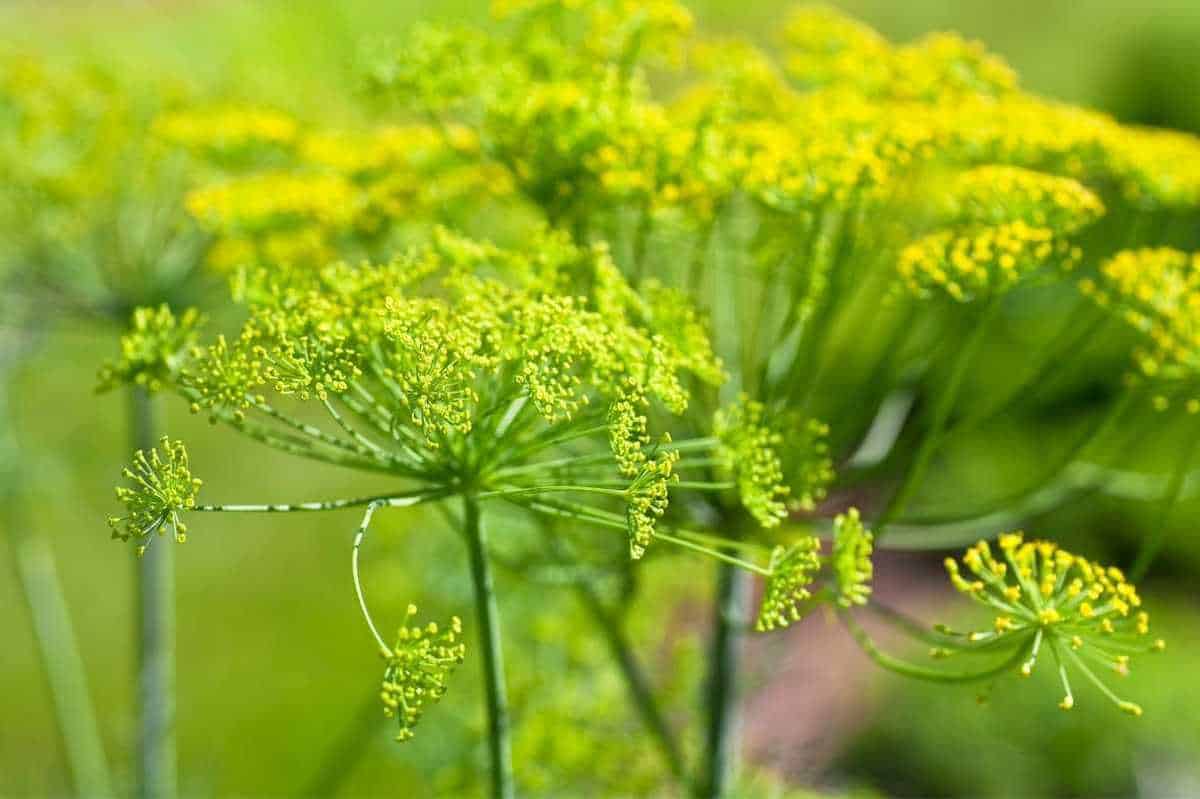
Dill is a fall sowing favorite because it germinates fast and does not ask for much. But here is something worth knowing before you plant.
Dill grows a serious taproot, and it grows it quickly while racing to get established before the cold really sets in.
If your soil is shallow or compacted, that root hits a wall, and the whole plant sulks and turns bitter.
Give dill a deep bed. Think ten inches minimum. It will thank you with taller, happier plants.
Chamomile
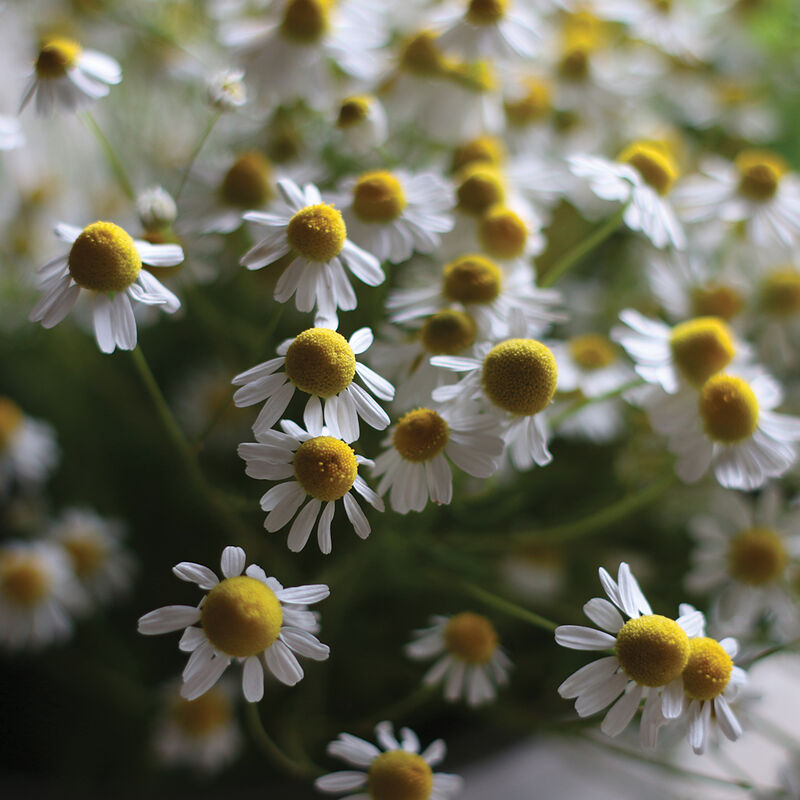
Chamomile seeds are tiny, almost dust-like, and that is exactly where most people go wrong with them. Bury them and they simply will not come up.
Press them gently onto the soil surface instead of covering them.
They need light to germinate, which feels backwards if you learned gardening from a generic seed chart.
Not all chamomile is the same.
For most home gardens, German chamomile is grown from seed because it germinates quickly and produces plenty of flowers in its first season.
Roman chamomile is a perennial, but it’s slower to establish from seed and is often grown from young plants instead.
If this is your first time growing chamomile, German chamomile is the easier choice.
Fennel

Fennel behaves a lot like dill in that it wants deep soil and cooler temperatures to really settle in.
It also does not love being crowded, so give it more space.
A tip from years of trial and error: Plant fennel away from dill if you can.
They are cousins botanically and can cross-pollinate if left to flower near each other, which messes with the flavor of the seeds you save later.
Coriander

If you let your fall cilantro go to seed, congratulations, you now have coriander.
Most people do not realize this is the same plant at two different life stages.
Let a few plants flower and seed instead of harvesting every leaf.
You get two herbs for the price of one packet.
Arugula

Arugula might be the single easiest herb on this list, and I say that as someone who has managed to kill basil in a controlled indoor environment.
It germinates in days and does not fuss over soil quality the way pickier herbs do.
Here is the part nobody tells you. Arugula grown in summer heat turns sharp and almost unpleasantly peppery, which is why so many people write it off as “too spicy for me.”
Grow it in fall instead and you get a milder, nuttier bite because the cool soil slows down the compound that makes it bite back.
One mistake I see is planting an entire packet at once.
Arugula grows quickly, and you’ll end up with far more leaves than you can eat before they become old.
Instead, sow a short row every two to three weeks.
A single sowing gives you three good weeks of harvest, but staggered plantings keep salads well into the cold months.
Corn Salad (Mâche)
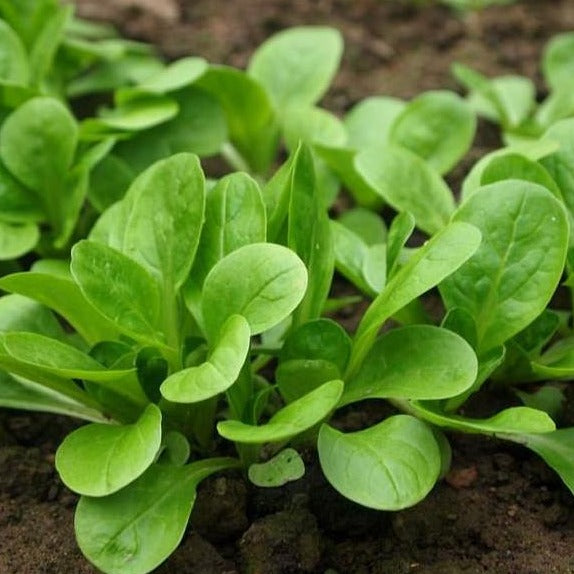
Mâche is the herb world’s best kept secret, and I genuinely do not understand why it is not more popular.
It is basically the plant equivalent of a cozy sweater, thriving in the exact cold that sends everything else into hiding.
This is one of the few things on this list that prefers to germinate in properly chilly soil, somewhere in the 50s.
Do not rush it into the ground while it is still warm out or it will just sit there sulking and refusing to sprout.
Mâche also tolerates frost better than almost anything you will plant this season.
I have harvested it from underneath a light snow cover and it tasted just as sweet and tender as ever.
Mustard Greens

Mustard greens grow fast, and I mean genuinely fast, often ready to harvest as baby greens within three to four weeks.
If you need a quick win to feel like a successful gardener, this is it.
The flavor intensifies the older and larger the leaves get, so harvest young if you want something mild enough for a salad.
You should let it mature if you want something with real horseradish-style kick for cooking.
Same plant, two completely different personalities depending on when you pick it.
One thing worth knowing before you commit a big patch to mustard greens: they attract flea beetles even in cooler weather, leaving tiny shotgun-hole marks across the leaves.
Thankfully a floating row cover solves this without any spraying required.
Spinach
Spinach gets lumped in with lettuce, but I like to think of it more as an herb-adjacent leafy crop since a handful goes into so many dishes the same way a fresh herb would. Either way, fall is genuinely its best season, better than spring in almost every way.
Spinach seeds can be stubborn about germinating in soil that is still warm from summer, so if your fall is dragging its feet on cooling down, pop your seeds in the fridge for a couple days before planting. That little cold trick tells the seed it is time to wake up.
Spinach also gets sweeter after a light frost, which sounds like a myth until you taste it yourself. The cold triggers the plant to convert its stored starches into sugar as a kind of natural antifreeze, and your salad is the lucky beneficiary.
Calendula
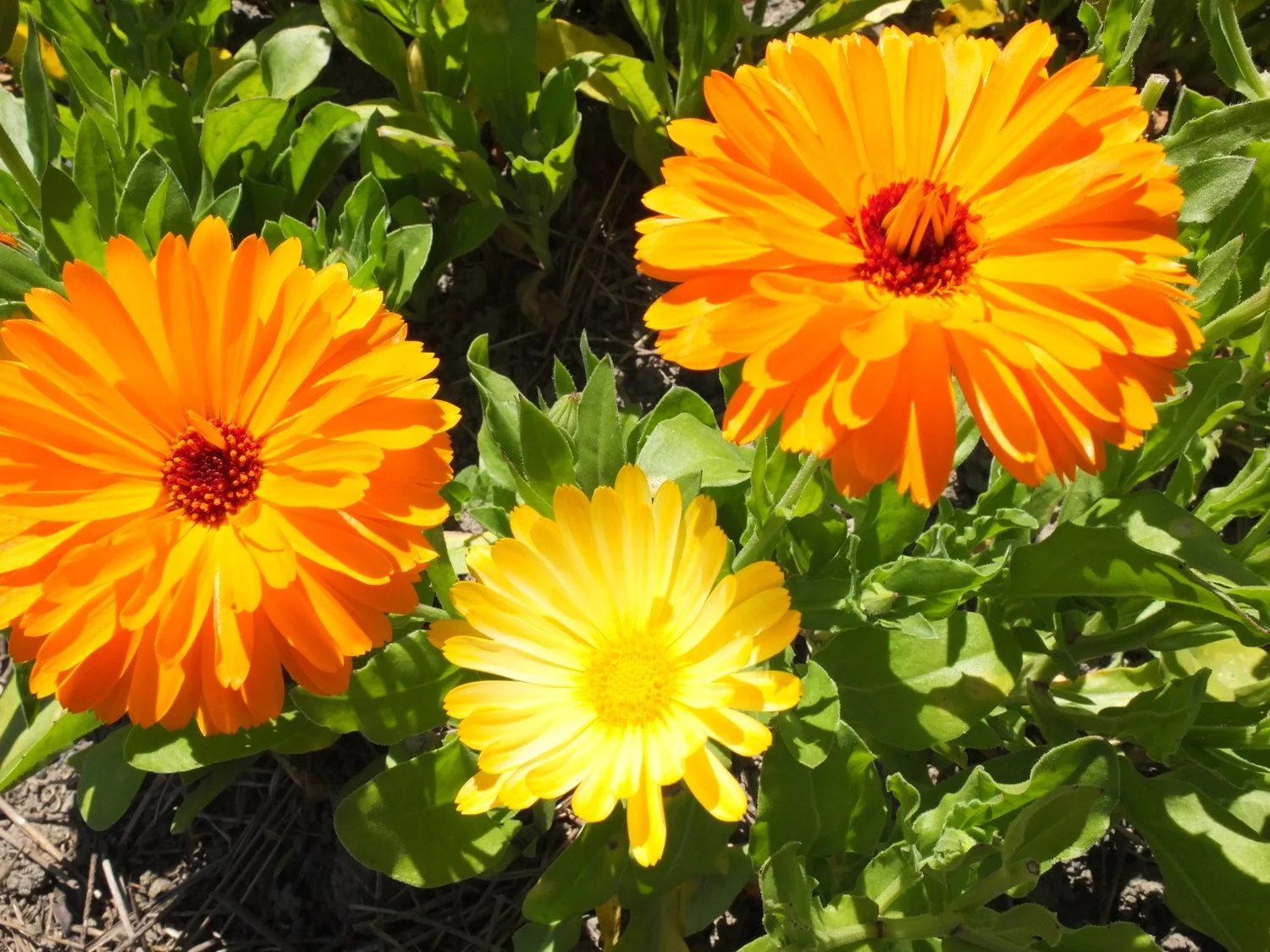
Calendula is not something most people think to grow from seed in fall, but it is one of the toughest, most forgiving flowers you can tuck into an herb bed.
Technically a flower, yes, but it earns its spot here because the petals are edible and have a long history in teas and salves.
It germinates easily in cool soil and shrugs off a light frost without complaint.
If you want color in your garden through the gray months while everything else looks half asleep, calendula will do the heavy lifting.
A personal favorite trick: Let a few blooms go to seed at the end of the season and calendula will reseed itself the following fall with zero effort on your part.
Once you plant it once, you may never have to buy seeds again.
Borage
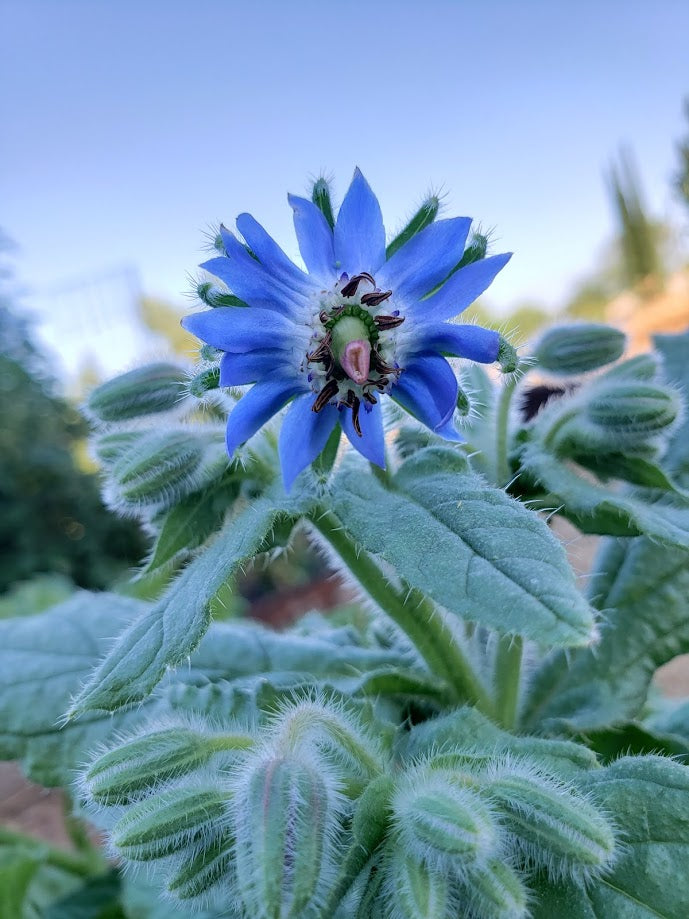
Borage is the wildcard of this list, and honestly, kind of the fun one.
The leaves and flowers taste faintly of cucumber, which surprises almost everyone the first time they try it.
It is a big, sprawling plant, so give it real space, more than feels reasonable when you are planting a tiny seed.
A single borage plant can take up a couple feet of real estate once it gets going.
Bees are obsessed with borage flowers, so if your garden has felt a little quiet on the pollinator front, this is your fix.
Just know that once you plant borage, it tends to reseed itself, so plant it somewhere you would not mind seeing it return next year.
The Mistakes That Quietly Ruin Fall Herb Beds
Sowing Too Deep
Fall soil dries out and crusts on the surface faster than spring soil, even though the air feels cooler.
If you plant at the same depth you would in spring, your seed sits in a colder, wetter pocket than it needs to.
Go shallower than the packet says.
About a quarter inch shallower makes a bigger difference.
Watering Like It Is Summer
Your instinct is to water on the same schedule you used in July. You need to resist this instinct.
Fall soil holds moisture longer because evaporation slows down as temperatures drop.
Overwatering in fall is one of the fastest ways to rot tiny seeds before they even get a chance to sprout.
Check the soil at the end of the day, not first thing in the morning.
Morning soil can look deceptively dry on top while still being soaked underneath.
Mulching Too Early or Too Late
Mulch is wonderful, but timing matters a lot.
Apply it a few days before a cold snap, not after, so the soil holds onto warmth right when your seedlings need it.
Once seeds have sprouted and grown their first true leaves, pull the mulch back a little.
Thick mulch on tiny seedlings traps moisture against the stems and invites fungal problems, which brings us to the next mistake.
Ignoring Airflow
If you are using a cold frame or row cover, and you should if your area gets an early frost, do not seal it up tight and forget about it.
Trapped humidity with no airflow is a breeding ground for fungal issues.
A telltale sign your seedlings are dealing with this is when several collapse in a cluster around the same time, rather than one random plant here and there.
That clustering pattern is your clue that humidity, not bad luck, is the culprit.
Crack the cover open on milder days. Your seedlings need to breathe just like the rest of us.
Trusting the Calendar Over the Soil
The single biggest shift you can make this fall is putting away the “count back from frost date” method entirely.
Herbs care about soil temperature and daylight length, not the number on your calendar.
A cheap soil thermometer, the kind you can find for less than the cost of a fancy coffee, will tell you more than any planting chart.
Cilantro and dill want soil between 55 and 68 degrees. Parsley and chervil are happier a touch cooler.
How to plant your herbs in fall
Do not plant everything the same weekend and call it done.
Stagger your sowing by a week or two between herbs since each one wants a slightly different soil temperature to thrive.
Watch for warm spells too.
A sudden run of warm days after a cold stretch can trick biennial herbs like parsley into thinking winter already happened, which pushes them to flower early next spring instead of giving you a full season of leaves.
If you notice several nights dipping below 40 degrees followed by an unexpected warm rebound, just know your parsley might have a shorter harvest window than usual next year.
It is not something you did wrong. It is just how these plants read the seasons.
Honest take
Fall herb gardening rewards people who pay attention over people who follow instructions blindly.
Your soil, your sunlight angle, and your microclimate all matter more than any single blog post, including this one.
Start with cilantro, parsley, and arugula if you are new to this.
They are the most forgiving, the fastest to reward you, and the most useful in the kitchen, so you get confidence and dinner ingredients in one shot.
Once you have those down, branch into chervil, dill, chamomile, and mustard greens.
Each one teaches you something a little different about how plants respond to a shrinking season instead of an expanding one.
If you want to round things out, mâche and spinach are your cold-weather workhorses for salads straight through the coldest stretch, and calendula and borage bring color and pollinators to a garden that would otherwise look half asleep by November.
Plant all of them together and you end up with a bed that feeds you and looks good doing it, which is honestly the whole point.
Fall herb gardening is a bit like dating someone new.
You cannot rush it, you have to pay attention to the small signals, and the ones worth keeping are usually the ones that take a little patience up front.
Your future soup, salad, and tea game will thank you for it.
FAQs
What herb seeds can you plant in the fall?
Cilantro, parsley, chervil, dill, chamomile, and arugula are your core lineup.
Round it out with mâche, mustard greens, spinach, calendula, and borage if you want more variety in the same bed.
What plants can you grow from seeds in the fall?
Anything that prefers cool soil over hot soil is fair game, which is exactly why this list is full of leafy greens and cool-season herbs.
Think of fall as prime time for anything that would have bolted the second summer heat hit it.
What is the easiest herb to grow from seeds?
Arugula, hands down. It sprouts in days, does not demand perfect soil, and forgives almost every beginner mistake you can make.
Which herbs take the longest to grow from seed?
Parsley is the slowpoke of the bunch, sometimes taking two to three weeks just to germinate.
Chervil and mâche also ask for patience, so do not judge your gardening skills by how fast they show up.
What should you not plant in the fall?
Skip heat-loving herbs like basil entirely, since cooling soil will just make them sulk or rot before they ever sprout.
Save those for spring when the season is actually working in their favor.
Which herbs grow quickly?
Arugula and mustard greens are your fastest movers, often ready to harvest as baby greens within three to four weeks.
Dill and cilantro are not far behind once soil temperatures cooperate.
Which seed will grow in 2 days?
Arugula and mustard greens can show tiny sprouts within two to three days under the right conditions, which is about as close to instant gratification as seed starting gets.
Do not expect a harvestable plant that fast, just the first hopeful little sprout.
How late can I plant in the fall?
This depends entirely on your soil temperature, not the date on your calendar.
As long as your soil is still holding above 50 degrees, quick growers like arugula, mustard greens, and spinach can still go in the ground.
How to raise seed in 24 hours?
No seed fully sprouts in 24 hours, and anyone promising that is stretching the truth.
What you can do in a day is soak seeds like parsley or dill to soften their shells, which shaves real time off their germination once they hit soil.
What is the quickest growing seed?
Among everything on this list, arugula wins the speed contest by a clear margin.
If you want the fastest possible payoff from a fall seed packet, that is where to start.
Related Posts: