How to Care for Herbs in the Fall
Last Updated on July 9, 2026 by Duncan
Fall doesn’t mean your herb garden is finished.
In many ways, it’s the most important season of the year.
The care you give your herbs now helps determine whether they survive winter and come back strong in spring.
Many gardeners focus on protecting herbs from cold weather.
In my experience, wet soil, heavy pruning, and overwatering cause far more damage than frost.
A few simple changes to your routine can make all the difference.
In this guide, I’ll show you how to care for herbs in the fall, avoid the most common mistakes, and prepare both garden and potted herbs for the colder months ahead.
Why you need to care for herbs in fall

It’s easy to think your herbs are winding down for the year.
The leaves may be growing slower, and cooler days can make the garden feel quiet.
Don’t be fooled. Your herbs are busy preparing for winter.
During fall, herbs shift their energy below the soil.
Instead of pushing out fresh leaves, they store nutrients in their roots and strengthen themselves for the months ahead.
The healthier they are now, the better they’ll perform when spring arrives.
This is why fall care isn’t about encouraging new growth.
It’s about helping your herbs finish the season strong.
Feeding them too much, cutting them back too hard, or keeping the soil constantly wet can interrupt that natural process.
I always tell gardeners to think of fall as charging a battery.
Your herbs are storing the energy they’ll need to survive winter and produce fresh growth next year.
Every smart decision you make now pays off when temperatures begin to warm again.
The goal is simple.
Help your herbs settle into dormancy at their own pace instead of forcing them to keep growing.
Once you understand that, every fall gardening task starts to make a lot more sense.
Know which herbs you’re growing on your garden

Before you do anything else, figure out what you’re working with. Different herbs need completely different fall plans.
Woody perennial herbs like rosemary, sage, thyme, and oregano can handle cold weather. They’re built to survive winter outdoors in most climates. Soft stemmed annuals like basil are the opposite.
Basil is tender and dramatic. It will sulk and die the second temperatures dip into the 40s, let alone hit an actual frost.
Mint and chives are a different case, they die back to the ground in winter but come roaring back in spring, so don’t panic when they start looking rough.
Why this matters
I’ve seen gardeners lose a healthy rosemary after treating it like parsley.
I’ve also seen parsley struggle because it was watered like rosemary.
Your herbs aren’t being picky. They’re simply growing the way nature designed them to.
Once you match your care to the type of herb you’re growing, you’ll spend less time replacing plants and more time harvesting them year after year.
Stop feeding your herbs at the right time
You’ve probably heard “stop fertilizing in fall, your herbs need to rest.”
That’s only half true. The missing half is exactly why so many perennial herbs die over winter.
Feeding your rosemary a nitrogen heavy fertilizer in September is like handing a marathon runner cake right before the race.
It looks like a treat, but it sets them up to fail.
Nitrogen pushes soft new growth, and soft new growth has zero cold tolerance.
The first hard frost hits that soft growth and you’re left with mushy, blackened tips. That damage invites rot straight into the crown of the plant.
What you want instead is a low nitrogen feed with more potassium, about six weeks before your first frost date.
Potassium thickens the plant’s cell walls and helps it handle the cold. Think of it as your herb’s winter coat, not its birthday cake.
After that six week mark, stop feeding entirely. Let the plant settle in on its own.
I stop feeding most of my herbs about six to eight weeks before the first expected frost.
From that point on, I want the plant to focus on strengthening its roots, not producing new leaves.
Mediterranean herbs like rosemary, thyme, sage, and oregano need even less encouragement.
Rich soil and late-season fertilizer often produce lush growth that looks beautiful for a few weeks but struggles once winter sets in.
If you’re growing parsley, chives, or other leafy herbs, resist the urge to keep pushing growth, too.
Healthy plants already have everything they need to ease into dormancy.
Sometimes, the best thing you can do for your herbs is nothing at all.
Give them time to slow down naturally, and they’ll reward you with stronger growth when spring returns.
Keep harvesting the right way
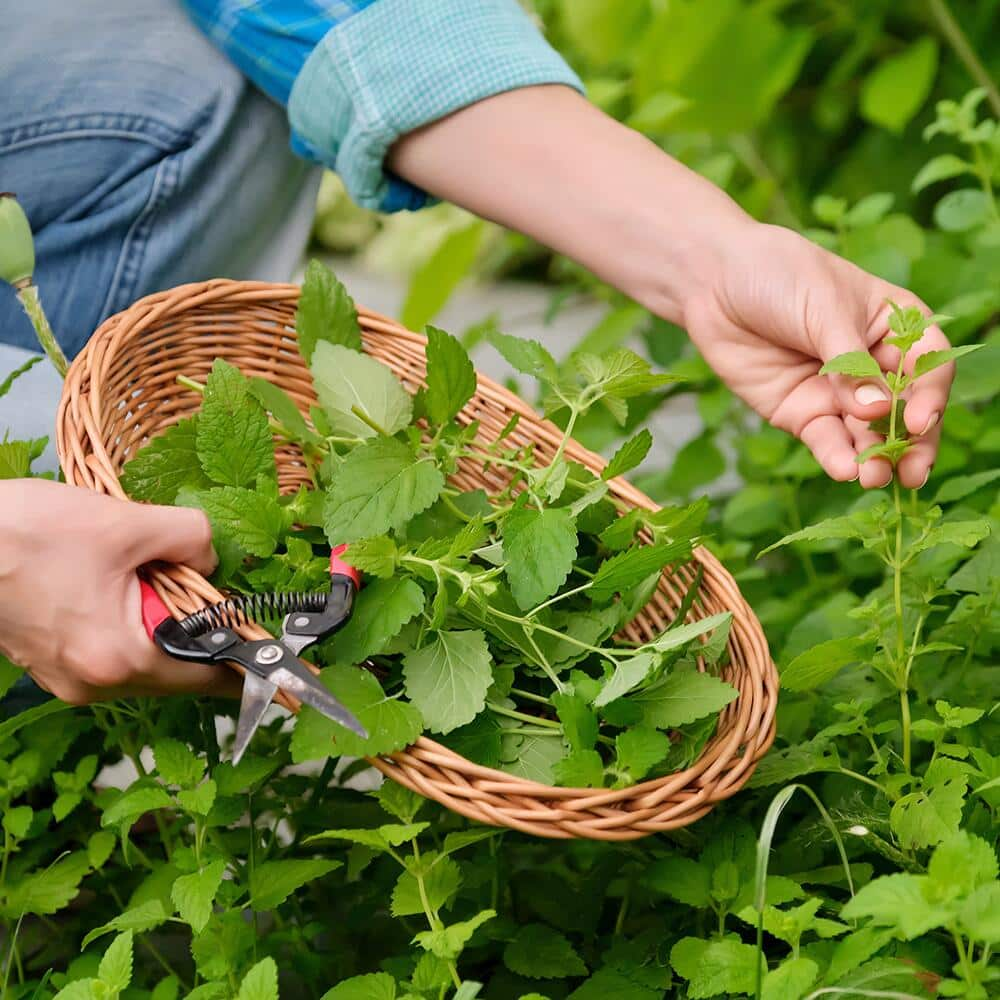
A lot of people assume fall means the harvest is over.
It’s not, but how you cut matters a lot more now than it did back in July.
In summer, your herbs grow so fast that you can chop away and they bounce right back within days.
In fall, growth slows way down, so every cut is a bigger deal.
Take too much at once and the plant won’t have the energy left to recover before winter.
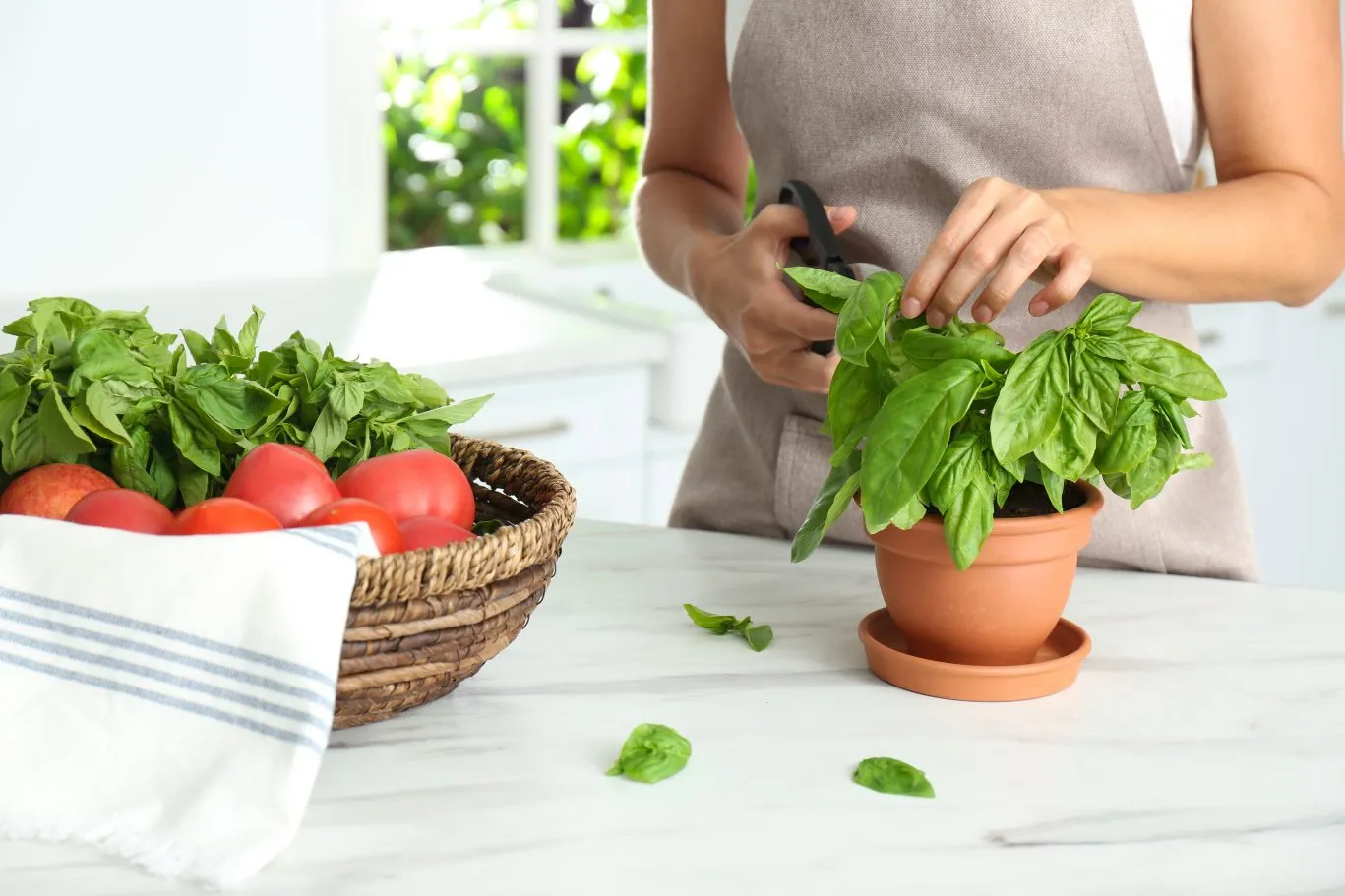
Harvest lightly and often instead of taking big dramatic cuts. Snip what you need for dinner and leave the rest of the plant alone.
I like to think of every healthy leaf as a tiny solar panel.
The more leaves your herbs keep, the more energy they can send down to their roots before dormancy.
Instead of cutting entire stems, snip a few young tips here and there.
Spread your harvest around the plant so one side doesn’t do all the work.
Try not to remove more than one-third of the plant at a time.
Taking too much forces the herb to replace lost growth when it should be preparing for winter.
Woody herbs like rosemary and sage deserve extra care.
Stop heavy harvesting a few weeks before your first expected frost.
This gives the remaining stems time to harden before colder weather arrives.
Leafy herbs such as parsley and chives can handle light harvesting for longer. Just avoid stripping the plant bare.
If you have more herbs than you can use fresh, harvest the extras before the first hard frost and preserve them.
Drying, freezing, or making herb butter is a great way to enjoy your garden long after the growing season ends.
A gentle harvest keeps your herbs productive today without stealing from next year’s growth. That’s a win for both you and your plants.
For basil specifically, harvest everything you can use one or two days before any forecast dips below 40 degrees.
Basil starts suffering cold damage well before a frost even shows up.
Reduce the watering
:max_bytes(150000):strip_icc():format(webp)/HerbGarden_1500-569a581d5f9b58eba49ff284.jpg)
As temperatures drop, your herbs need less water than they did in August.
Most people get that part right. Where it goes wrong is assuming “less” means “none.”
Your herbs are still alive and still have roots that need moisture, even as they slow down for winter.
Ignore them for weeks at a time and you’ll end up with brittle, dehydrated plants heading into the coldest part of the year.
Check the soil before you water instead of watering on a set schedule.
Stick a finger a couple inches into the dirt. If it’s dry, water. If it’s still damp, wait.
Mediterranean herbs like rosemary, thyme, sage, and oregano prefer the soil to dry slightly between waterings.
Constantly damp roots can lead to rot before winter even begins.
Parsley, chives, mint, and lemon balm are a little different.
They still like evenly moist soil, though they’ll need less water than they did during the heat of summer.
If your herbs are growing in pots, check them more often.
Containers dry out faster on sunny fall days, yet they can also stay wet for too long after several days of rain. It’s a balancing act.
One habit that’s saved many of my herbs is watering early in the day.
Any moisture that lands on the leaves has plenty of time to dry before evening, which helps reduce fungal problems as nights become cooler.
Watch out for soggy soil
.jpg)
If there’s one thing that kills more herbs in fall than cold does, it’s soggy soil. Cold, your herbs can usually handle.
Cold and wet together is a whole different story.
Roots sitting in waterlogged soil can’t breathe. In cool temperatures, they’re even more vulnerable to the fungal issues that cause root rot.
The frustrating part is that root rot often gets blamed on frost, since the plant looks fine one week and collapses the next.
By the time you notice, the roots are already damaged.
Make sure your containers have real drainage holes, not decorative ones that barely work.
If your in-ground herb bed tends to stay soggy after rain, that spot is worth improving with better drainage. When in doubt, err on the drier side.
Your herbs will forgive underwatering far more easily than they’ll forgive wet feet.
Mediterranean herbs are especially vulnerable.
Rosemary, thyme, oregano, and lavender would rather spend a few days in dry soil than sit in waterlogged ground overnight.
After heavy rain, take a walk through your garden.
If puddles are still sitting around your herbs hours later, it’s a sign the soil isn’t draining well enough.
That’s something to fix before winter arrives.
For herbs growing in containers, empty saucers after rain or watering.
Leaving a pot standing in water is one of the fastest ways to damage the roots.
If your garden has heavy clay soil, consider adding coarse sand or grit, or move herbs to a raised bed where water drains away faster.
Even lifting the planting area by a few inches can make a noticeable difference.
One trick I use is to pull mulch slightly away from the base of woody herbs in fall.
It allows the crown to stay drier after rain while the surrounding soil still benefits from insulation.
Prune the right way

Pruning in fall feels productive, but bad timing can quietly wreck your plant.
The biggest mistake is heavy pruning too close to your first frost date.
A big cut tells the plant to push new growth, and that new growth has no time to toughen up. It gets damaged almost immediately, and the plant wastes energy it needs for winter.
Stop hard pruning about six weeks before your expected first frost. After that, light shaping is fine, but save the major cutbacks for late winter instead.
Never prune woody herbs like rosemary or sage down to bare wood in fall. They recover from that far more slowly than they would during the growing season.
Soft herbs like parsley and chives can handle light trimming if you’re harvesting for the kitchen.
Just avoid cutting them down to the ground unless frost has already finished them for the season.
One habit I’ve developed over the years is putting the pruning shears away once late fall arrives.
If a branch isn’t dead, diseased, or damaged, it stays where it is until spring.
Mulch the right way

Mulch feels like an obviously good idea in fall, and it usually is. But timing and technique matter a lot here.
Mulch too early and you trap summer heat in the soil, which delays the plant from settling into dormancy.
Mulch too thick, especially around moisture loving herbs like mint or chives, and you create a damp chamber right against the crown.
That’s a perfect setup for rot.
Here’s how you’ll know it’s rot and not frost damage. It shows up in December or January during a thaw, not right after your first cold snap.
If your herbs look fine through the early frosts and then mysteriously go mushy mid-winter, mulch rot is usually the culprit.
Wait until after your first light frost to mulch.
Spread about 2 to 3 inches of mulch around your herbs once the weather has cooled and the soil is starting to lose warmth.
Straw, shredded leaves, or pine needles all work well for many gardens.
Here’s the part many gardeners miss.
Leave a small gap of 2 to 4 inches around the base of the plant. That open space allows air to circulate and helps the crown stay dry after rain.
For Mediterranean herbs like rosemary, thyme, sage, and lavender, less is often better.
These plants dislike trapped moisture, so a light layer of gravel around the base can be a smarter choice than thick organic mulch.
If you’re using fallen leaves from your yard, don’t pile them on whole.
Wet leaves stick together and form a heavy mat that traps moisture and blocks airflow.
Run over them with a mower first or mix them with straw to keep the mulch light and airy.
Keep an eye on your mulch throughout the season.
Wind can blow it away, while heavy rain can wash it against the stems.
A quick adjustment now and then helps your herbs stay protected without creating the damp conditions that invite rot.
Protect the potted herbs
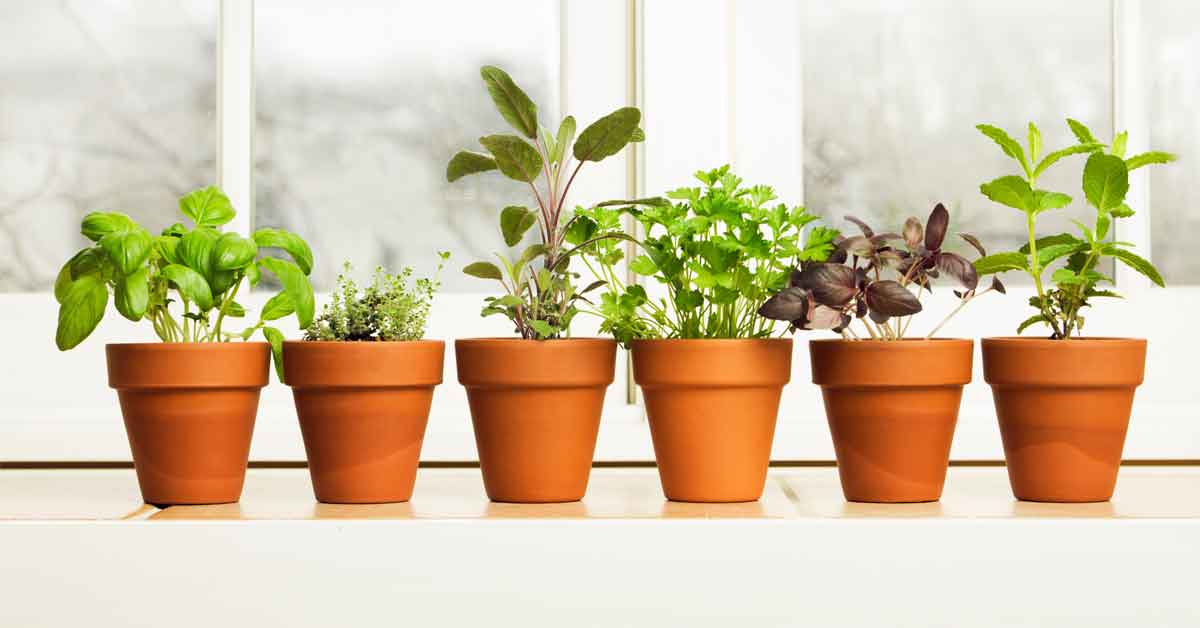
Herbs in containers need different care than herbs in the ground, and this catches a lot of people off guard.
Garden soil has enough mass to hold onto warmth and buffer the roots from sudden swings. A pot has none of that protection.
The soil inside a container can match the outdoor air temperature within hours.
That rosemary plant supposedly hardy down to 20 degrees in the ground can die at 28 degrees sitting in a pot on your patio.
Once nighttime temps start dipping into the mid 30s consistently, wrap your pots in burlap or bubble wrap.
Or cluster them together against a south facing wall, the wall holds heat from the day and can buy your plants a few extra degrees overnight.
If a hard freeze is coming, bring tender potted herbs into a garage or shed for the night, even if it’s just temporary.
Watch out for false fall and early frosts

This one gets people every single year. You get a light frost in October, everything looks a little sad, and then the weather swings back to warm and sunny for a week.
Your herbs think spring came early and push out fresh new growth.
Then the next real frost hits and wipes that new growth out completely.
Your plant just spent precious energy growing something that got destroyed days later.
Do that twice in one fall and your plant has nothing left in the tank for winter.
Keep an eye on the ten day forecast, not just the frost date on your calendar.
If you see a warm stretch coming after a frost, trim off any new tender growth before it gets going.
It feels backwards to cut your plant back when it’s trying to grow, but you’re protecting its energy reserves.
How to Care for Common Garden Herbs This Fall
General rules get you most of the way there, but each herb has its own quirks. Here’s the breakdown for the herbs most people are growing right now.
Rosemary
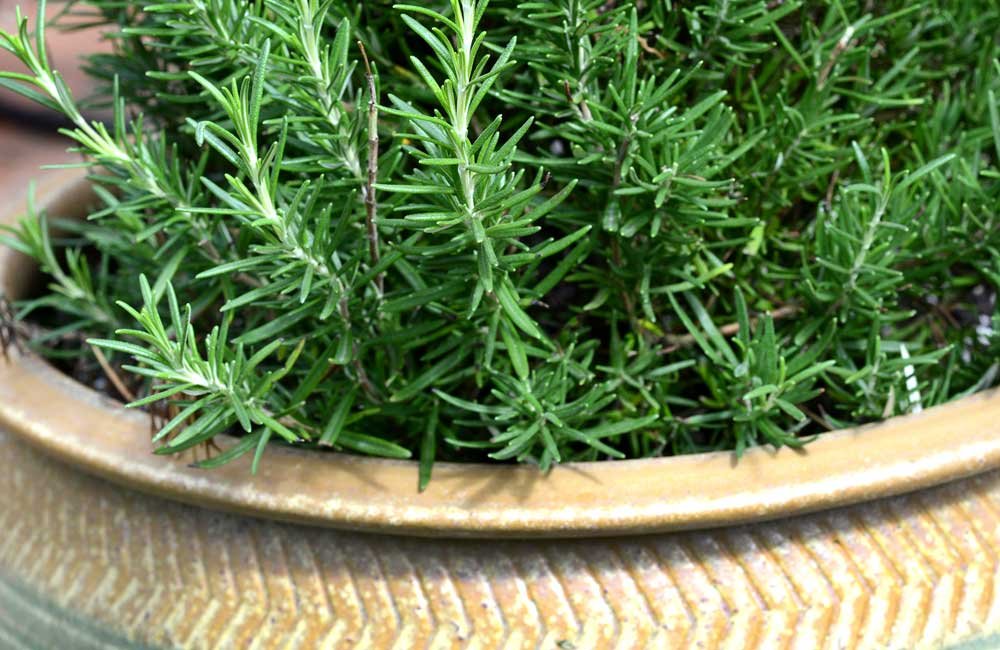
Rosemary is woody and tough, but it hates wet feet more than almost any other herb on this list.
Make sure it’s in well draining soil before cold weather sets in.
If you’re in a colder climate, rosemary in a pot needs to come inside or into a sheltered spot.
In the ground and in a mild climate, it can often ride out winter with just a light mulch layer.
Thyme
Thyme is one of the toughest herbs you can grow, and fall care for it is refreshingly low effort.
Cut back on watering, skip the heavy mulch since thyme prefers to stay a little dry, and leave it alone otherwise.
Sage
Sage handles cold well but resents heavy pruning right before frost.
Do your shaping in late summer instead, and let the plant coast into winter with minimal disturbance.
Watch the base of the plant for moisture buildup.
Sage’s fuzzy leaves trap water easily, which makes it more prone to rot than its tough reputation suggests.
Oregano
Oregano spreads fast and often gets overcrowded by fall, which traps moisture at the base.
Thin it out a little before your first frost so air can move through the plant.
It dies back in colder climates and comes back reliably in spring, so don’t stress if it looks rough by November.
Basil
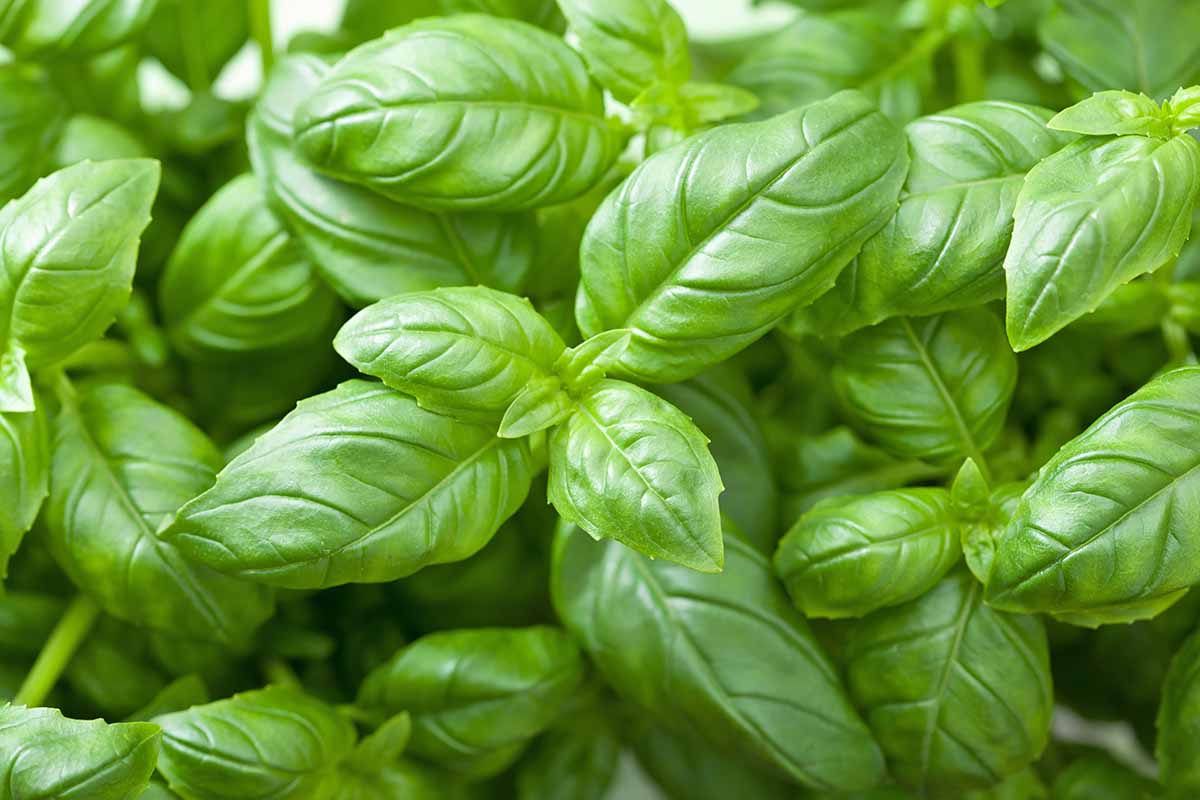
Basil is the drama queen of this list and won’t survive any real cold. Harvest heavily before your first frost since there’s no overwintering it outdoors.
If you want fresh basil through winter, take cuttings and root them in water on a sunny windowsill instead of trying to save the original plant.
Mint
Mint dies back to the ground in fall, and that’s completely normal, not a sign of failure.
Cut it back once it browns and let the roots rest.
They’ll send up new growth in spring without any help from you.
Potted mint benefits from extra insulation since its roots are shallow and more exposed to cold than in-ground mint.
Chives
Chives are nearly indestructible and mostly just need a fall haircut.
Cut them back once they yellow, skip the heavy mulch, and let them die back naturally.
They’ll be some of the first things up again in spring.
Parsley
Parsley is a biennial, meaning it can survive a mild winter and come back briefly before going to seed.
In colder climates, treat it like an annual and harvest it fully before frost, since it won’t reliably make it through.
Cilantro
:strip_icc():format(webp)/static.onecms.io__wp-content__uploads__sites__37__2015__12__15215549__SIP912623-c04fd841b45e46d5807e18bf6349ad45.jpg)
Cilantro prefers cooler fall weather over summer heat, so don’t rush to protect it.
A light frost won’t bother it much, but a hard freeze will finish it off.
Harvest what you need as the weather turns and enjoy the extra weeks of growth fall gives you.
Dill
Dill is another cool weather lover that often perks up once summer heat fades.
It’s still frost tender though, so treat it like basil once a hard freeze is forecast and harvest before it hits.
Lavender
Lavender needs the same dry feet philosophy as rosemary, maybe even more so.
Skip the heavy mulch entirely, since damp mulch against lavender’s base is one of the fastest ways to lose the plant over winter.
A thin layer of gravel mulch works far better than straw or leaves here.
Common fall herb care mistakes to avoid
Here’s a quick recap of the mistakes I see over and over, so you can check yourself against this list before winter hits.
- Fertilizing too late in the season. Stop nitrogen heavy feeding about eight weeks before your first frost.
- Overwatering out of habit. Check the soil instead of watering on autopilot.
- Ignoring drainage. Wet soil in cold weather is worse than cold alone.
- Big pruning cuts too close to frost. Stop hard pruning six weeks out.
- Mulching too early or piling it against the crown. Wait for the first light frost and always leave a gap.
- Treating potted herbs like they’re as protected as in-ground plants. They’re not, and they need extra insulation.
- Ignoring warm spells after an early frost. Trim off new growth before the next real cold snap wipes it out.
- Bringing herbs indoors without a transition period. Ease them into lower light instead of shocking them.
- Assuming all herbs need the same care. Your basil and your rosemary are basically living on different planets when it comes to cold tolerance.
Your herbs are tougher than you think. They just need you to stop working against them.
Related Posts: