15 of The Best Herbs to Grow for Cooking
Last Updated on July 10, 2026 by Duncan
If you’ve ever snipped a few fresh basil leaves for pasta or tossed chopped parsley over roasted potatoes, you already know one thing.
Homegrown herbs can make an ordinary meal taste like something from your favorite café.
The challenge is knowing which herbs deserve a spot in your garden.
Garden centers make every herb sound essential, but some earn their keep in the kitchen while others spend most of the season looking pretty.
Over the years, I’ve found myself reaching for the same handful of herbs week after week.
Those are the plants that save money, make dinner easier, and reward you with fresh flavor every time you walk outside with a pair of scissors.
Which are the best herbs to grow for cooking?
Here they are:
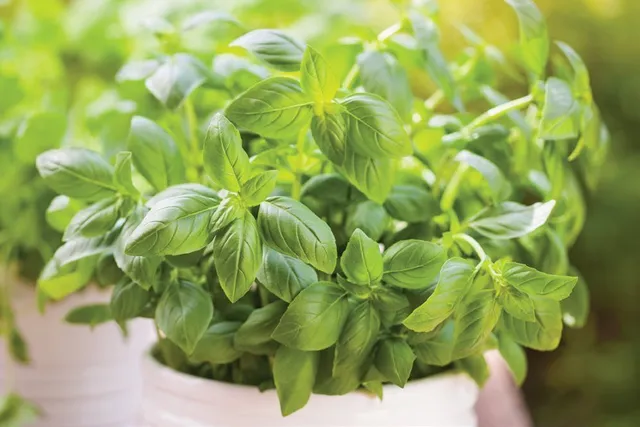
Basil
Basil is the most popular herb for a reason.
Fresh basil on pizza, in pasta, torn over a caprese salad, it’s a whole vibe.
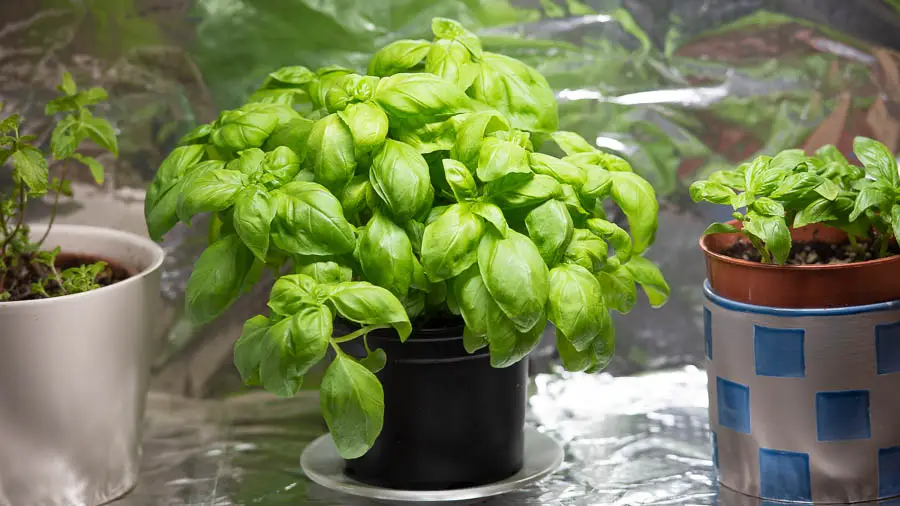
But basil is dramatic. It wilts if it’s thirsty, it wilts if the room is too hot and dry, and sometimes it wilts just to keep you on your toes.
Check the soil before you panic.
If the top inch is dry, water it. If it’s still damp, leave it alone.
Here’s a tip your grandmother probably skipped.
Pinch off the top of your basil once it has six leaves, cutting right above a pair of leaves, not just anywhere on the stem.
This forces the plant to grow two new stems instead of one tall floppy one.
Do this every couple of weeks and you’ll get a full, bushy plant instead of one lonely stalk.
Basil loves heat but hates scorching afternoon sun in the middle of summer.
If your leaves start tasting bitter or the plant sends up a flower spike, that’s called bolting.
It means the plant is stressed and trying to make seeds instead of leaves. Snip the flower off right away and give it some afternoon shade.
Basil is the backbone of pesto, and homemade beats jarred every time. Tear it fresh over margherita pizza, blend it into a caprese salad with tomatoes and fresh mozzarella, or stir it into a tomato sauce right at the end.
Add basil at the very last minute, whether that’s the final thirty seconds of a simmering sauce or a garnish on a finished plate.
Heat destroys its flavor fast, so cooking it too long just turns it into a dark, bitter afterthought.
Rosemary
Rosemary is the herb equivalent of a friend who doesn’t need much from you but gets annoyed if you smother her with attention.
This plant wants sun, decent drainage, and to basically be ignored.
The number one way people kill rosemary is by loving it too much and watering it constantly.
Rosemary’s roots rot in soggy soil far faster than the plant dries out from underwatering.
Let the soil dry out almost completely between waterings.
If you’re growing it in a pot, make sure that pot has drainage holes, no exceptions. A pot without drainage holes is basically a rosemary coffin.
Once established, rosemary can handle a little neglect and even some poor soil.
Oddly enough, that mild stress often makes the herb taste stronger and more fragrant.
Pampered rosemary tends to taste watered down, which is the opposite of what you want when seasoning a roast chicken.
Rosemary is made for roasting.
Toss whole sprigs into a pan with potatoes, roasted chicken, or a leg of lamb, and let the oven do the work.
It also infuses beautifully into olive oil for dipping bread, or into a simple syrup for cocktails.
Because the leaves are tough and woody, either mince them finely before adding them to a dish, or throw in whole sprigs and pull them out before serving.
Nobody wants to bite into a whole rosemary needle mid dinner.
Thyme
:max_bytes(150000):strip_icc():format(webp)/Lemon-and-Thyme-Baked-Chicken-Thighs-FT-Recipe0126-8a1a564a146645c8b6900807765a1ae8.jpg)
Thyme is criminally underrated.
It’s low growing, it looks gorgeous spilling over the edge of a pot, and it adds real depth to soups, roasted vegetables, and anything with chicken.
Like rosemary, thyme wants sun and does not want wet feet.
Rocky, slightly poor soil is ideal here, so resist the urge to give it rich, fluffy potting mix loaded with fertilizer.
One thing that catches people off guard is propagating thyme cuttings with the humidity dome method that works great for basil.
Don’t do that here.
Woody herbs like thyme need airflow around their cuttings, or they’ll rot before they root.
Skip the plastic dome and keep the soil lightly moist with good air circulation instead.
Thyme is the herb you reach for when a dish needs to taste like it’s been cooking all day, even if it’s only been twenty minutes.
Toss a few sprigs into soups, stews, braised meats, or roasted mushrooms.
It also pairs beautifully with lemon and garlic for a simple roast chicken rub.
Unlike basil, thyme holds up well to long cooking times, so add it early and let it simmer along with everything else.
Strip the tiny leaves off the stem by running your fingers backward down the sprig.
It’s oddly satisfying, and much faster than picking leaves off one by one.
Mint
:max_bytes(150000):strip_icc():format(webp)/Masala-Grilled-Vegetables-with-Spicy-Mint-Chutney-FT-recipe0619-f7593ed8bfdc4966ac968dea6df52f2e.jpg)
I need you to hear this before you plant mint directly in your garden bed.
Do not do it.
I’m begging you.
Mint spreads underground through roots that travel far. It pops up in completely different parts of your yard weeks or months later.
By the time you notice mint growing somewhere you didn’t plant it, the roots are already tangled through everything nearby, and getting rid of it is nearly impossible.
Grow mint in its own pot, always.
Even if that pot sits inside your garden bed, keep the mint’s roots physically contained. Your future self, and your other herbs, will thank you.
Mint is forgiving otherwise.
It tolerates shade, doesn’t mind irregular watering, and grows so fast you’ll be making mojitos and iced tea all summer long.
Mint is fantastic in both sweet and savory dishes, which not every herb can pull off.
Add it to a Greek yogurt sauce for lamb, toss it into a watermelon and feta salad, or muddle it into iced tea, lemonade, or a mojito.
It’s also essential in tabbouleh and Vietnamese fresh spring rolls.
Chop it right before serving, since mint bruises and darkens quickly once cut.
A slightly rough chop releases more flavor than slicing it into perfect ribbons.
Parsley
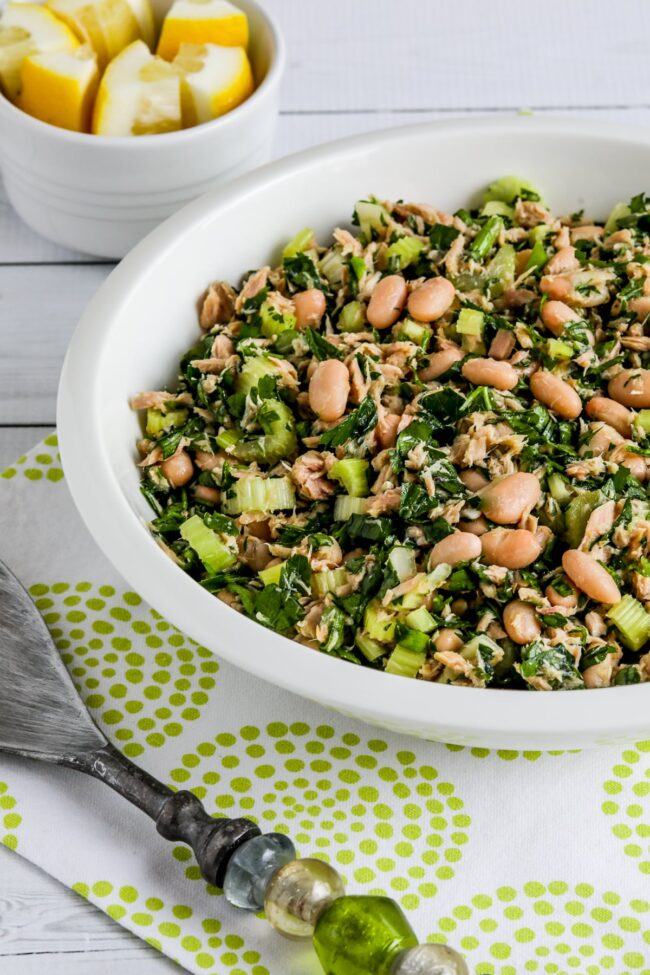
Parsley gets treated like a garnish, and that’s a shame.
It brightens up heavy dishes, works beautifully in chimichurri, and makes food taste fresher across the board.
Parsley has a deep taproot, so it needs a pot with real depth, at least ten to twelve inches.
Cram it into a shallow container and it will sulk, grow slowly, and bolt to seed far earlier than it should.
It also likes consistent moisture more than basil or rosemary do.
Think of parsley as somewhere between the drama of basil and the toughness of thyme.
Water it before the soil fully dries out, and it will reward you with steady growth all season.
Reach for flat leaf parsley over curly whenever you’re cooking with it, since curly is mostly there to look pretty on a plate.
It’s the star of chimichurri, essential in tabbouleh, and a wonderful finishing touch scattered over roasted vegetables or pasta.
It also balances out heavy, rich dishes, so stir some into a creamy soup or butter sauce right before serving.
Parsley holds up better to chopping ahead of time than basil or mint, so it’s the herb you can safely prep in advance.
Cilantro
:max_bytes(150000):strip_icc():format(webp)/20220214-Egyptian-Bissara-DuPree-c91cc60552bc441ca27895a347aab3b9.jpg)
If you’ve ever grown cilantro and had it flower and go to seed within what felt like two weeks, you’re not imagining it.
Cilantro bolts fast, especially in warm weather.
Once it flowers, the leaves turn bitter and the plant is basically done producing usable foliage.
Here’s a detail most people miss. It’s not just the air temperature that triggers bolting, it’s the soil temperature.
A dark colored pot sitting in full sun heats the soil around the roots far faster than the air around the leaves suggests.
Swap to a light colored pot, or give cilantro afternoon shade, and you’ll buy yourself real extra weeks of harvest.
Because cilantro bolts so quickly no matter what you do, the smart move is succession planting.
Sow a new small batch of seeds every couple of weeks, so you always have a fresh round coming up as the older plants finish.
Cilantro is essential in salsa, guacamole, and pretty much any taco you’ll ever make.
It also brightens up Thai curries, pho, and Indian dishes when stirred in at the end.
Like basil, cilantro loses its punch fast once heat hits it, so add it as a finishing garnish rather than cooking it into a dish.
Oregano
:max_bytes(150000):strip_icc():format(webp)/Baked-Pizza-Pasta-with-Soppressata-XL-RECIPE0323-ee628618b9e54d4d964afcdc2d7f75e4.jpg)
Oregano might be the most forgiving herb on this list.
It handles poor soil, inconsistent watering, and general neglect better than almost anything else you’ll grow.
It spreads a bit like a groundcover, which is great in a garden bed but can crowd out neighbors in a small pot.
Give it its own space, or trim it back regularly to keep it in check.
Like rosemary and thyme, oregano’s flavor gets more intense with a little stress rather than pampering.
If your oregano looks a little scrappy and unkempt, that’s often when it tastes the best.
Oregano is the herb that makes pizza sauce taste like pizza sauce.
It’s essential in Italian and Greek cooking, showing up in tomato sauces, on roasted vegetables, and in a marinade for grilled chicken or lamb.
Unlike basil, dried oregano holds its flavor well, and some cooks even prefer it dried for sauces.
Don’t feel bad using dried oregano from the pantry alongside your fresh plant.
Fresh oregano shines best in Greek salad, tzatziki, or sprinkled over roasted potatoes right before serving.
Chives
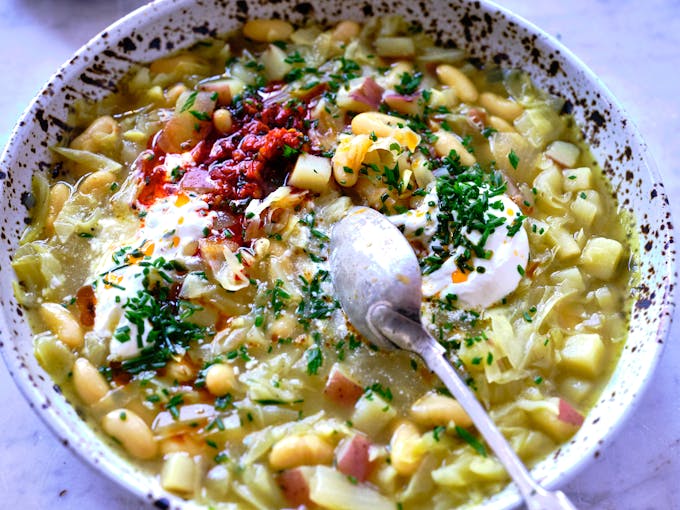
Chives are basically the golden retriever of herbs.
Easy to please, hard to mess up, and always happy to see you.
They tolerate a range of light conditions and don’t need deep pots since their roots are shallow.
Snip them with scissors down to an inch above the soil and they’ll grow right back. Sprinkle them over baked potatoes, eggs, or soup for an easy pop of mild onion flavor.
Chives are a garnish herb through and through, so add them raw at the very end of cooking, never earlier.
They’re perfect on scrambled eggs, baked potatoes, deviled eggs, or stirred into sour cream for a quick dip.
Snip them with scissors directly over the dish instead of chopping them on a board.
It’s faster, and you lose less of that delicate onion flavor.
Sage
:max_bytes(150000):strip_icc():format(webp)/original-201110-d-turkey-breast-qfs-16c2c23c48254c2aa90644008e7ab3dc.jpg)
Sage has a bold, earthy flavor that can transform a dish.
Think brown butter sage sauce over ravioli, or that classic Thanksgiving stuffing smell that fills the whole house.
It wants the same conditions as rosemary and thyme, plenty of sun and soil that drains well.
The biggest mistake with sage is overcrowding it.
Give it room to breathe, both for airflow and because it gets bigger than people expect.
Sage loves fat, which is why it works so well fried in butter until crispy and drizzled over pasta, squash, or gnocchi.
It’s also the classic pairing for pork, and the backbone of most Thanksgiving stuffing recipes.
Because the flavor is strong, use it sparingly. A little goes a long way, and too much can turn medicinal fast.
Fry whole leaves in hot butter for about thirty seconds and they turn crisp and almost translucent, the single best way to use this herb.
Dill
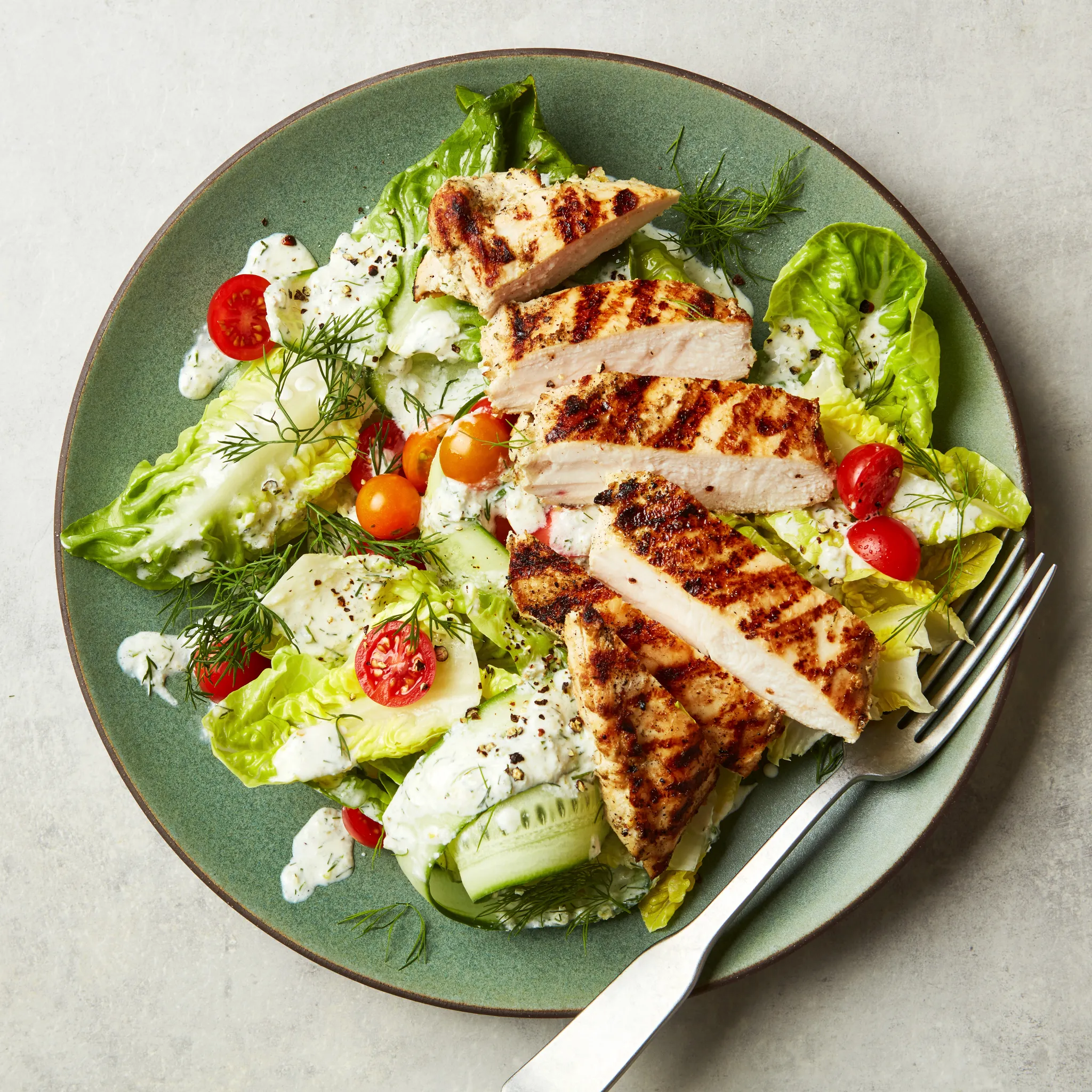
Dill grows tall and feathery, and it’s wonderful with fish, in pickles, or mixed into a yogurt sauce.
The catch is that it casts a fair amount of shade as it grows.
Plant it where it won’t block sun from your shorter herbs later in the season.
If you’re planning a garden bed layout, put dill toward the back or on the north side. That way its shadow falls away from everything else instead of over it.
Dill is non negotiable for pickles.
It also makes a wonderful sauce for salmon or any other fish when mixed with sour cream or yogurt and a little lemon.
Stir it into potato salad, cucumber salad, or a creamy dip, and add it toward the end of cooking since heat mutes its flavor quickly.
Dill’s delicate, feathery texture also makes it a pretty garnish, so don’t be afraid to use whole sprigs on top of a finished dish.
Tarragon
:max_bytes(150000):strip_icc():format(webp)/warm-cod-salad-with-tarragon-sauce-and-boiled-eggs-FT-RECIPE0620-1-bd75ea18e0ea41158be562a959644e35.jpg)
Tarragon has a reputation as an elegant, French bistro kind of herb, and it earns it.
That subtle licorice, anise flavor is wonderful in a béarnaise sauce or tossed with roasted chicken and lemon.
Here’s a detail nobody mentions at the garden center.
French tarragon, the kind with real flavor, doesn’t grow well from seed at all.
If you see tarragon seeds for sale, walk away.
You want a plant, ideally one labeled French tarragon, because Russian tarragon looks nearly identical but tastes like grass with a grudge.
Tarragon wants well drained soil and doesn’t love sitting wet, similar to rosemary.
Unlike rosemary, though, it appreciates a little afternoon shade in hotter climates.
Otherwise the leaves can turn tough and lose that delicate flavor you’re growing it for.
Tarragon is the secret ingredient in a proper béarnaise sauce, and it pairs beautifully with chicken, eggs, and fish, especially anything with a lemon butter sauce.
It’s also wonderful infused into vinegar for salad dressings.
The flavor is strong and distinct, so start with less than you think you need.
It fades fast with prolonged cooking, so like basil, add it near the end for the brightest flavor.
Chervil
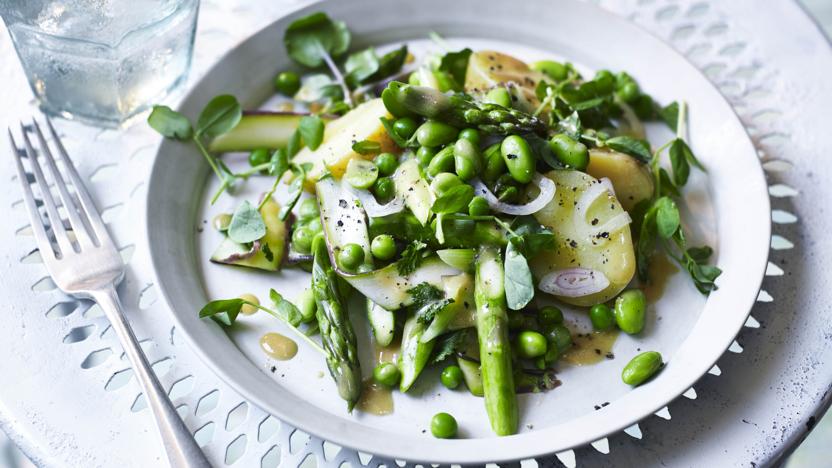
Chervil is basically parsley’s more delicate, more temperamental cousin.
It has a soft, slightly sweet, anise-ish flavor that’s wonderful in egg dishes and classic French cooking.
But it does not want to be treated like a tough summer herb.
Chervil hates heat.
Once temperatures climb, it bolts almost instantly and the flavor turns bitter fast.
Grow it in spring or fall, and give it some shade if you’re anywhere warm.
It also doesn’t love being transplanted, since its roots are delicate and easily disturbed.
Sow seeds directly where you want it to grow, which saves you a lot of frustration compared to starting it indoors and moving it later.
Chervil is a classic ingredient in fines herbes, the French herb blend that also includes parsley, chives, and tarragon.
It’s wonderful sprinkled over an omelet or a simple green salad. Its flavor is subtle, so it gets lost fast if you cook it.
Add it raw, right before serving.
Think of chervil as the herb for delicate dishes where you want a whisper of flavor instead of a bold statement.
Lemon balm
:strip_icc():format(webp)/BHG-LemonBalmTea-0551_D6azDO664M6AjLtu6PTB3E-fd32eb4178a9473c90b006d61c71e98b.jpg)
Lemon balm smells wonderful, tastes bright and citrusy, and is lovely steeped into tea or muddled into a summer cocktail.
It’s also part of the mint family, which tells you everything you need to know about its personality.
Just like mint, lemon balm spreads through underground roots and will happily colonize an entire garden bed if you plant it directly in the ground.
Keep it contained in its own pot, no exceptions.
The same rule as mint applies here.
The upside is it tolerates a wide range of conditions, including some shade, and it’s nearly impossible to kill once established.
This is a great herb for anyone who wants something low effort and high reward, as long as you respect the container rule.
Lemon balm is best treated as a tea and drink herb rather than a savory cooking herb.
Steep fresh leaves in hot water for a calming tea, muddle it into lemonade or a gin cocktail, or freeze it into ice cubes for a pretty, subtly flavored addition to summer drinks.
It also works chopped fine into a fruit salad or scattered over yogurt with berries.
Its flavor is delicate and fades quickly with heat, so this isn’t an herb you cook into a hot dish.
It’s one you infuse into cold or barely warm liquids.
Marjoram
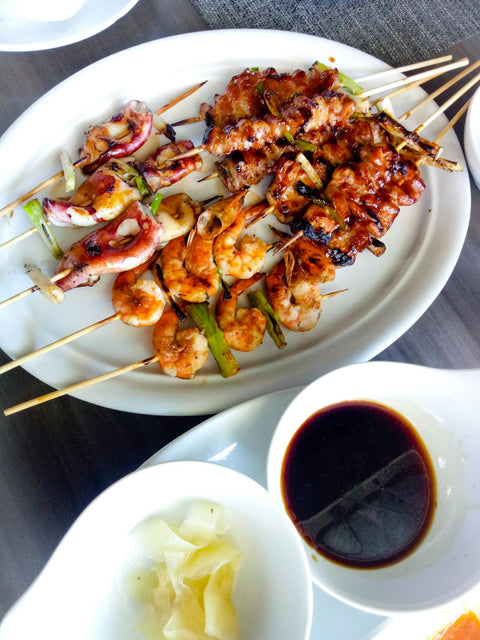
Marjoram often gets confused with oregano, and they are closely related.
But marjoram has a milder, sweeter, slightly floral flavor that works beautifully in soups, egg dishes, and Mediterranean cooking, wherever you want herbal depth without oregano’s punchier bite.
It wants the same sunny, well drained conditions as oregano and thyme, but it’s more sensitive to cold.
If you’re in a climate with real winters, marjoram often needs to come indoors or be treated as an annual.
Oregano, by contrast, can shrug off a light frost without much drama.
Marjoram also tends to get leggy and floppy if it doesn’t get enough light.
Don’t be shy about pinching it back regularly to keep it compact and productive.
Marjoram is wonderful in soups, stews, and stuffing, anywhere you’d normally reach for oregano but want something softer and more delicate.
It pairs especially well with mushrooms, roasted vegetables, and egg dishes.
Because it’s more delicate than oregano, add it later in the cooking process rather than simmering it for hours, or the subtle floral notes disappear into the background.
Vietnamese coriander

If you live somewhere hot and humid and have given up on growing cilantro because it bolts within two weeks every time, Vietnamese coriander is about to change your life.
This herb has a similar peppery, citrusy flavor to cilantro, but it thrives in heat and humidity instead of bolting the moment temperatures climb.
It’s a staple in Vietnamese cooking, showing up in pho and fresh spring rolls, and it keeps producing all summer long without the drama.
It grows more like a sprawling groundcover than an upright plant, and it prefers consistently moist soil.
Don’t let it dry out the way you might with rosemary or thyme.
It also does not tolerate cold at all, so if you’re not in a warm climate year round, grow it as a summer annual or bring it indoors before the first frost.
Vietnamese coriander is a natural fit for pho, fresh spring rolls, and Vietnamese noodle salads, right alongside mint and basil.
It also works well in spicy soups and curries where you want a peppery, citrusy note that can stand up to bold flavors.
Use it raw, torn or roughly chopped, and add it at the end of cooking or as a fresh topping, the same way you’d use cilantro.
If you’ve been missing cilantro all summer because it keeps bolting on you, this herb finally gives you that flavor without the constant replanting.
Herbs garden layout tips
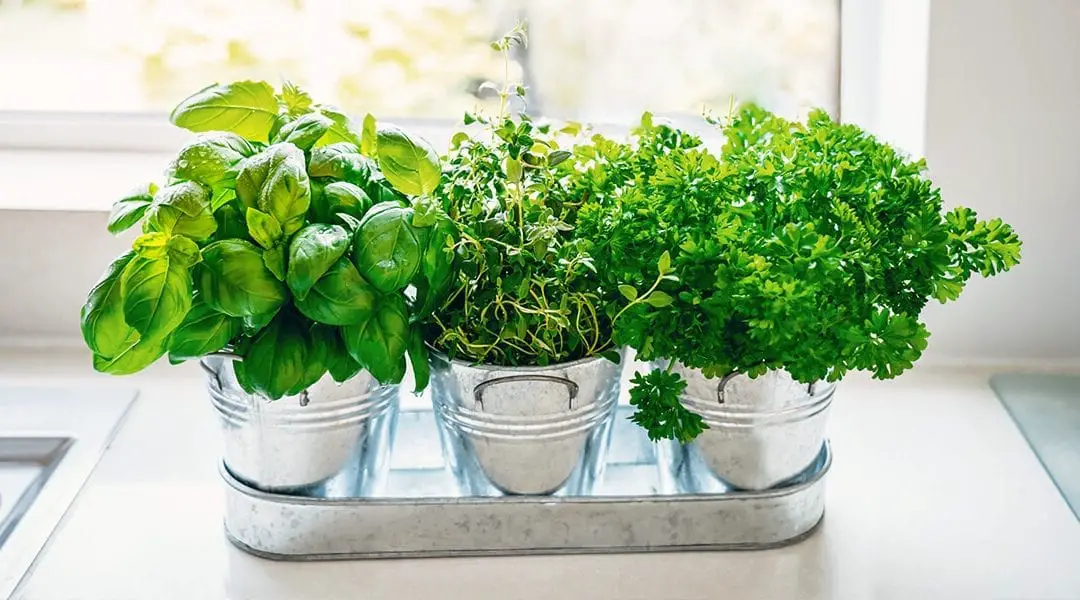
Think about your herb garden in terms of height and thirst level, not just what looks pretty in the store.
Group the drought tolerant, sun loving herbs together.
Rosemary, thyme, oregano, sage, marjoram, and tarragon all want the same dry, sunny conditions, so keep them in one section or one pot mix.
Keep the thirstier herbs, like basil, parsley, cilantro, chervil, and Vietnamese coriander, in their own zone.
That way you can water more generously without drowning your rosemary in the process.
And mint and lemon balm, again, get their own pots.
Always.
I will keep repeating this until the end of time.
Quick Tips for Growing, Harvesting, and Cooking for the Best Flavor
Growing:
- Give sun loving herbs like rosemary, thyme, oregano, sage, marjoram, and tarragon at least six hours of direct sun. A windowsill alone almost never cuts it.
- Let woody Mediterranean herbs dry out almost completely between waterings. Overwatering kills more herbs than drought ever will.
- Keep thirstier herbs like basil, parsley, and cilantro on a more consistent watering schedule. Check the top inch of soil before you water.
- Always grow mint and lemon balm in their own containers, even if that container sits inside a garden bed. Their roots do not respect boundaries.
- Use pots with real depth for taprooted herbs like parsley and dill, at least ten to twelve inches, so they don’t bolt early from cramped roots.
- Don’t over fertilize. Rich soil and heavy feeding grow bigger, leafier plants with weaker flavor. A little stress concentrates flavor, and too much pampering dilutes it.
- Pinch back basil, marjoram, and other soft stemmed herbs regularly to keep them bushy instead of tall and leggy.
Harvesting:
- Harvest in the morning, after the dew has dried but before the day heats up. This is when essential oil concentration, and therefore flavor, is at its peak.
- Cut just above a leaf node, not randomly along the stem. This encourages the plant to branch out and keep producing.
- Snip a little often rather than waiting for one big harvest. Regular light trimming keeps most herbs more productive over the whole season.
- For woody herbs like rosemary, thyme, and sage, harvest whole sprigs and strip the leaves off right before you cook. They hold their flavor longer on the stem than once picked apart.
- For delicate herbs like basil, cilantro, and chervil, harvest closer to when you plan to cook. They wilt and lose flavor fast once cut.
Cooking:
- Add delicate, soft leaved herbs like basil, cilantro, chervil, mint, parsley, dill, chives, and lemon balm at the very end of cooking, or raw as a garnish. Heat destroys their flavor quickly.
- Add tougher, woody herbs like rosemary, thyme, sage, oregano, and marjoram earlier in the cooking process. They hold up to heat and release more flavor the longer they simmer.
- When a recipe calls for dried herbs instead of fresh, use about a third of the amount. Dried herbs are more concentrated.
- Taste as you go, especially with strong herbs like tarragon and sage. It’s much easier to add more than to fix a dish you’ve over herbed.
- Chop or tear delicate herbs right before serving instead of prepping them too far ahead. Herbs like basil and mint bruise and darken quickly once cut, which dulls their flavor too.
Related Posts: