How Do You Prepare Your Grass for Spring?
Last Updated on March 12, 2026 by Duncan
It’s been a long winter, and the warmer weather has you itching to get outside and work in the yard. You are most likely looking forward to seeing green grass and flowering flora. If this is you, you should know that spring lawn preparation will help ensure that you have a gorgeous lawn in summer.
How do you prepare your grass for Spring?
Here are simple steps to prepare your lawn and landscape for Spring.
Don’t be overly eager.
Walking on a damp, saturated lawn will track it up, perhaps causing harm. Although it is Spring and you may be eager to begin yard work, avoid being on your grass until it is relatively dry. This will help to decrease soil compaction.
Clean and rake
Your yard, like your home, requires a spring cleaning. You should pick winter waste, such as fallen tree limbs, as well as matted leaves and grass. This will allow for more effective fertilizer and grass seed delivery and make your yard safer to mow.
For a great experience, use a leaf rake instead of a metal-tine garden rake, which will be excessively abrasive on your grass and roots. You also should have a leaf blower, which will help you move huge quantities of leaves and clean up your lawn more easily.
You should clean up whatever you missed in the fall. Remove any sticks that have fallen during the winter. Raking up leaves and thatch will let your grass breathe.
If your lawn has a severe thatch problem, consider undertaking heavier dethatching. To be effective and avoid damage, do this in early Spring, before the lawn begins to green.
Aerate the grass
A grass requires three basic ingredients to stay healthy: air, water, and nutrients. Aeration offers a conduit for all three to enter your soil by creating microscopic holes in the turf.
If your soil is compacted due to excessive traffic, children’s play areas, or a high clay content, you should know that aeration is essential for your grass to thrive.
Southern lawns with warm-season grasses such as zoysia, Bermuda grass, and St. Augustine benefit from late Spring or early summer aeration.
Northern lawns with cool-season grasses such as Kentucky bluegrass, tall fescue, and ryegrass benefit from an early fall or early spring treatment plan.
There are three primary types of aerators that you can use in your project:
Plug or core aerators: These extract a plug of soil and then place it on the ground to dissolve back into the turf. This is the principal approach that lawn-care professionals employ to aerate the soil.
Slicing: As the name suggests, slicing creates small slits or slices in your lawn to allow air, water, and nutrients to enter the soil.
Spiking: This is the process of poking small holes in the soil to allow air, water, and nutrients to circulate.
Look for signs of lawn damage.
An excessive amount of salt runoff can dry your grass and leave bare patches on the perimeter of your grass. Thankfully, Spring showers dilute the salt and help to wash it away.
Even though this is the case, you should give your grass some time to recover, and in most cases, it usually recovers well.
If you’re concerned about soil or lawn damage, apply gypsum (calcium sulfate) soil conditioner. This will help to dissipate salt and promote development.
Look for additional signs of damage or sickness, such as snow mold.
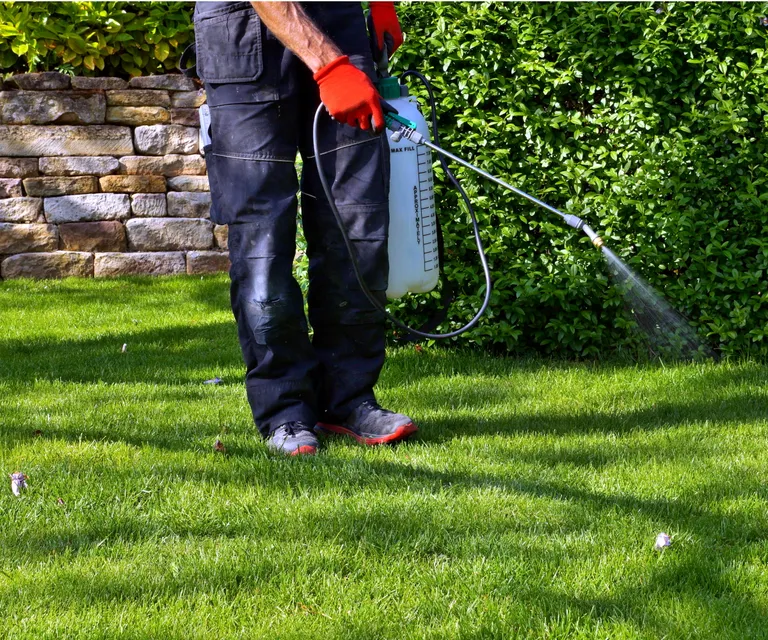
Apply fertilizer and pre-emergent herbicides.
Spring is a great time to fertilize your lawn and bushes. You should apply pre-emergent fertilizers that help to prevent weeds from sprouting.
As you make the application, you should note that if you use weed killer too soon, it will just wash away. However, as the soil temperature reaches 55 degrees or higher, crabgrass begins to grow, and now is the time to apply a pre-emergent.
Crabgrass is a heat-loving grass. So if you have it on your lawn, pay close attention to the margins of your driveway and the rock surfaces. In the Spring, the bare areas on your lawn make an ideal habitat for weed seeds, and you don’t want the weeds on your lawn, do you?
After six to eight weeks, use a broad-leaf pesticide to suppress weeds such as dandelions, chickweed, and wild clover. If you have a little weed problem, you can just pull them out of the ground without using the fungicide.
Don’t be in a hurry to seed your lawn.
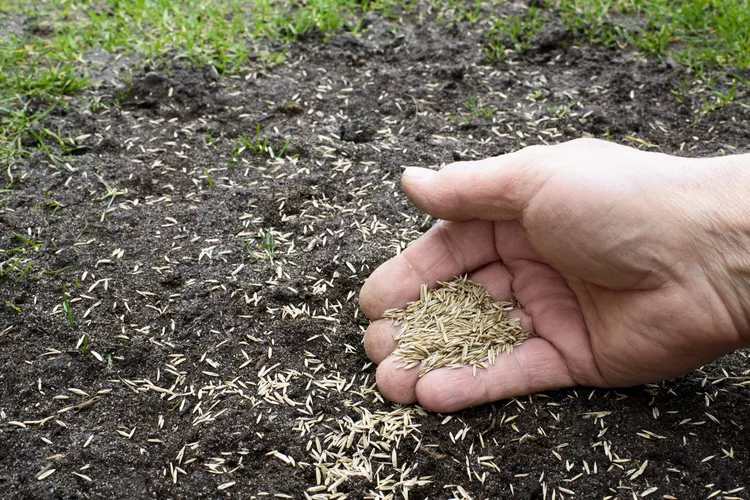
If you spray weed pre-emergent, you cannot plant grass seed in the same area. The pre-emergent will keep grass seed from germinating. If you want to reseed certain areas, wait until later in the season.
Remember that there are various varieties of grass. When reseeding, make sure to use high-quality grass seed that is appropriate for your lawn. If you buy any cheap grass seed mix, it will introduce new types into your lawn and make a noticeable change.
Wait to aerate
You can aerate your lawn at any time but you should avoid doing it in the Spring. Aeration prepares the soil for weed seeds, which are abundant this time of year. Aerating over the summer or fall is the best option.
Apply mulch
Mulching not only improves the appearance and texture of your lawn, but it also helps in weed control and elimination. Mulching areas where grass is difficult to grow and adding a border of colored mulch are simple undertakings that will improve the appearance of your lawn.
The optimal seasons to lay mulch are mid- to late April. You should note that spreading the mulch too early will limit the soil’s ability to warm up fully. If you’re spreading mulch around plants, 1 to 4 inches should be adequate, depending on the texture.
In areas where weed control is desired, you can apply mulch as thickly as you like. Laying down landscaping cloth will help to prevent weeds from sprouting.
Landscape edging and retaining wall blocks are excellent accents for mulched areas. They can help create a barrier between your grass and manicured sections.
Other things you can do in Spring
Besides ensuring that your lawn is ready for Spring, there are several other things you can do. These things include:
Service your lawnmower
Your lawn mower, like your yard, has been in hibernation the entire winter. Before you start it for the first time, ensure there is enough oil and gas in the tank. You can use either pump gasoline or ethanol-free, ready-mixed fuel.
If your mower has been hard to start for a few years, you may need to replace the spark plug. Check the belts for cracking and other signs of wear, and replace as needed.
Sharpening your mower blade is also a vital part of maintaining a healthy lawn. Sharp mower blades cut grass blades cleanly, whereas dull or broken blades rip them, leaving unattractive brown ends.
When mowing for the first time in the Spring, remember that less is more. Mowing more regularly, say every five days, and clipping no more than one-third of the grass blade will help your grass in thriving in this early development stage. And this is what you want, right?
Related Posts: