Skip to content

When Shouldn’t You Aerate Your Lawn?

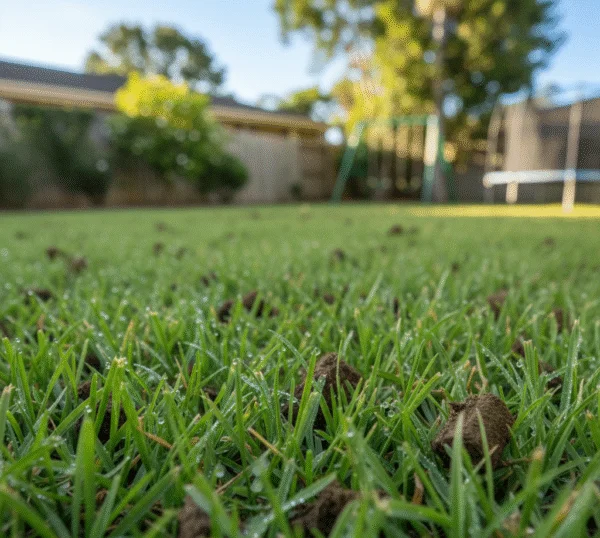
Lawn aeration improves air, water, and nutrient flow to grass roots by removing small cores of soil. Unfortunately, aerating at the wrong time can stress your grass rather than strengthen it. This guide explains exactly when to skip aeration, the…
VIEW POST

What Are Signs Your Lawn Needs Aeration?

Lawn aeration — the process of removing small plugs of soil from your lawn — is one of the most effective things you can do for long-term turf health. It relieves compaction, improves drainage, helps fertilizer and water reach the…

VIEW POST

What Are the Negatives of Aeration?

The main negatives of lawn aeration are that it is physically demanding and time-consuming, it can damage your lawn if done at the wrong time or with the wrong equipment, and it requires a level of skill that most homeowners…

VIEW POST

Does Aeration Damage Grass?

Lawn aeration comes with plenty of perks, such as: Improved movement of air between soil and atmosphere Reduced risk of water runoff and puddling Soil absorbs water more efficiently. Improved fertilizer uptake Turfgrass gets stronger roots. Compacted earth loosens up…

VIEW POST

When Should You Not Aerate Your Lawn?

Lawn aeration can significantly improve the health of your grass by allowing air, water, and nutrients to permeate built-up thatch or compacted soil. Aeration can be highly beneficial, especially if your lawn has a lot of foot activity or has…

VIEW POST

Is Spring Aeration Necessary?

The cold winter can cause soil compaction, which can be a concern once the weather warms up. Heavy snow can close the spaces that act as routes for water and nutrients, making it difficult to reach the roots. If you…

VIEW POST
can I mow right after aerating?

Can I Mow Right After Aerating?

Aeration is an excellent way of keeping your lawn healthy and beautiful. I remember this day like it was yesterday. It was a Friday, and I heard the aerator's truck pull up at my backyard. I was confused. While I…

VIEW POST
Back To Top