What Do You Put in the Bottom of a Bird Bath?
Last Updated on August 7, 2026 by Duncan
You filled your bird bath with fresh water, stepped back, and waited for birds to arrive.
Instead, they flew right past it.
It’s disappointing, especially when your yard is full of birds that seem to ignore the one thing you put out just for them.
Most people blame the location or wonder if the water isn’t fresh enough.
Often, the problem is much simpler.
It’s what’s sitting on the bottom of the bird bath.
That bottom surface tells birds whether the bath feels safe.
If it offers secure footing and easy access, they’re far more likely to stop for a drink or a splash.
If it feels slippery, cluttered, or unfamiliar, they’ll often move on without giving it a second look.
Over the years, I’ve watched birds choose muddy puddles over expensive bird baths and plain concrete bowls over beautifully decorated ones.
They care very little about appearance.
Comfort and safety win every time.
If you want your bird bath to become one of the busiest spots in your garden, here’s what belongs on the bottom and what you’re better off leaving at the garden center.
Should you put anything in the bottom of a bird bath?
Sometimes, but don’t overdo it.
A bird bath doesn’t have to be completely empty, but filling it with decorative stones isn’t the answer either.
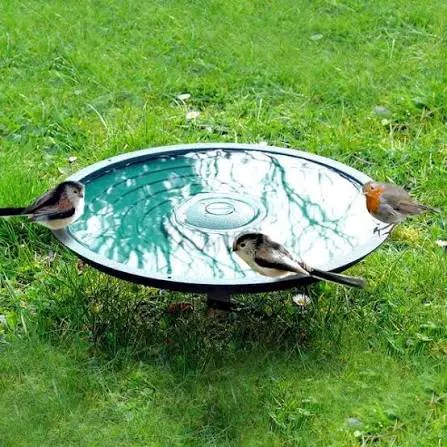
The best bird baths give birds a secure place to stand while leaving plenty of open water for drinking and bathing.
Picture a quiet stream after a light rain. There are shallow edges, open patches of water, and the occasional flat rock. That’s the kind of environment birds naturally seek out.
Your bird bath should recreate that same feeling.
The best thing to put in the bottom: One flat natural stone
If I had to recommend just one addition, it would be a single flat river stone.
Skip the pile of pebbles.
Forget the colorful glass gems.
One sturdy, natural stone is all most bird baths need.
Place it near the deeper section of the bowl so it creates a gentle step between shallow and deeper water.
Small birds often use it as a resting spot before they begin bathing, while larger birds simply appreciate the extra footing.
I’ve watched chickadees land on the stone, pause for a moment to scan their surroundings, and then hop into the water.
That small landing spot gives cautious birds a little extra confidence.
Choose a stone with a naturally rough surface instead of one that’s polished smooth.
It should sit firmly on the bottom without rocking or sliding when you press on it.
If the stone shifts under your hand, it won’t inspire confidence in a bird either.
Why “just throw some rocks in there” isn’t the best advice

Adding rocks to a bird bath is one of the most common tips you’ll find online.
The idea comes from a good place.
Small stones can create shallow areas and give tiny birds somewhere to stand.
The problem is when people fill the entire bottom with them.
Once that happens, every gap becomes a trap for leaves, pollen, feathers, bird droppings, and other debris.
Before long, slimy algae begins growing where you can’t even see it.
The bath may look clean from above while hidden grime builds underneath.
Cleaning also becomes a chore.
Instead of giving the bowl a quick scrub, you’re lifting out handfuls of dirty stones before you can even reach the surface below.
A much better approach is to use one or two large, flat stones.
They provide the same secure footing without turning routine maintenance into a weekend project.
Skip the decorative glass gems
Those colorful glass gems may catch your eye at the garden center, but they don’t do much for birds.
On bright days, they reflect sunlight across the water, creating glare that can make the bath look less inviting.
Birds prefer clear, easy-to-read water where they can judge depth and spot movement.
Natural river stones blend into the surroundings and don’t create distracting reflections.
Remember, you’re decorating for birds, not for people walking through your garden.
Is gravel a good choice?

Gravel sounds like a practical idea, but it rarely works well in a bird bath.
Because the stones are small and loose, they shift every time a bird lands.
That unstable footing can make birds hesitant to stay, especially smaller species that already approach new water sources with caution.
Think about walking across loose gravel in bare feet.
You can do it, but you probably wouldn’t choose it if there were a smooth path nearby.
A stable surface encourages birds to relax, splash, and return again and again.
What about sand?

Sand has a natural look that fits beautifully into many gardens.
Unfortunately, it doesn’t stay attractive for long.
Once it’s wet, it mixes with pollen, bird droppings, feathers, and other debris.
Before long, it forms a muddy layer that’s difficult to clean and can leave the water looking dirty even after you’ve topped it up.
If you love the beach-inspired look, keep sand around the outside of the bird bath instead of inside the bowl.
Your cleaning routine will be much easier.
Should you add marbles, glass beads, or other decorative fillers?
Marbles and glass beads photograph beautifully, but bird baths aren’t photo props.
Smooth, round objects roll and shift under a bird’s feet.
Even a small wobble can make the bath feel less secure.
Birds naturally look for stable footing before they begin drinking or bathing.
A surface that moves beneath them doesn’t inspire confidence.
Save decorative fillers for flower vases or garden bowls. Your bird bath will work far better without them.
Do pennies prevent algae?

This is one of those gardening tips that refuses to disappear.
Years ago, people believed copper pennies helped slow algae growth.
Since older pennies contained much more copper, the advice made some sense at the time.
Today’s pennies are mostly zinc with a thin copper coating, so they have little effect on algae.
If your goal is clean water, don’t rely on loose change.
Fresh water, a quick scrub with a stiff brush, and regular cleaning will do a much better job.
What birds care about most

Many people think birds choose a bird bath because it looks attractive.
Birds see things differently.
Before they settle in, they want to know three things.
- Can I land safely?
- Can I keep an eye on my surroundings?
- Can I leave quickly if I need to?
If your bird bath answers all three questions, you’ve already done most of the work.
One flat stone, clean water, and an open basin create a welcoming space without adding unnecessary clutter.
That’s why the simplest bird baths often become the busiest ones.
How deep should the water be?
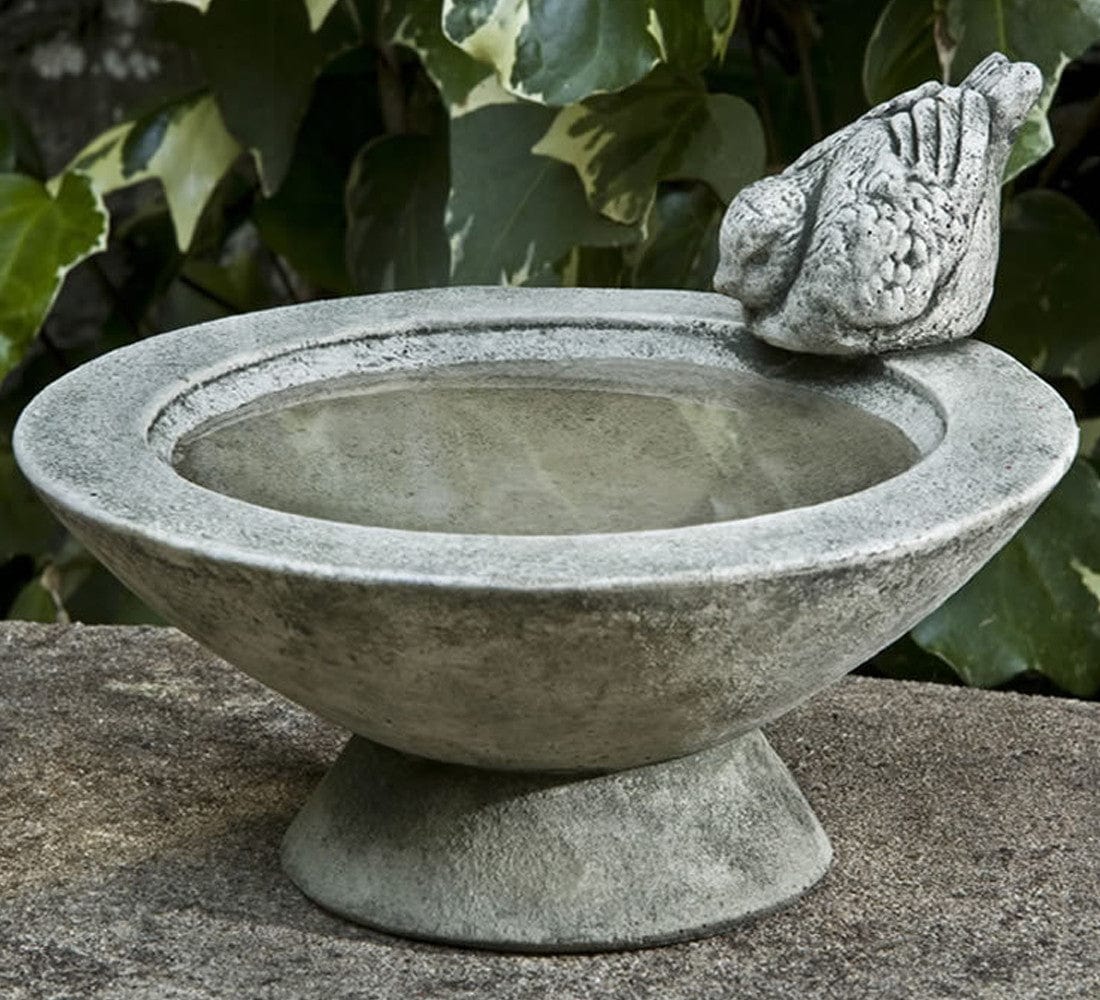
Depth matters just as much as what’s on the bottom of the bird bath.
Many birds don’t enjoy standing in deep water.
They prefer to ease into it, just as they would along the edge of a shallow stream.
Aim for water that’s barely covering the edge of the bowl and gradually deepens toward the center.
The deepest point should be around 2 inches.
This simple slope gives different birds exactly what they need.
Tiny finches and chickadees can stay near the edge, while robins, blue jays, and mourning doves have enough room to splash comfortably.
If you’re using a flat stone, place it where it helps create that gentle transition instead of blocking the middle of the bath.
How often should you clean the bottom?
:max_bytes(150000):strip_icc():format(webp)/how-to-clean-a-bird-bath-386985-10-b4fceb79880b43fba17af31b8c6b4147.jpg)
The answer depends on what’s inside the bath.
A smooth bowl with one flat stone is quick to maintain.
Empty it every two or three days, give it a scrub with a stiff brush, and refill it with fresh water.
If your bath collects lots of leaves, pollen, or seeds, you’ll probably need to clean it more often.
During hot summer weather, check the bottom every day.
Here’s a simple trick I use.
Run your fingers across the bottom of the bowl. If it feels slippery, it’s time to clean it.
You don’t need to wait until you can see green algae.
By then, it has already started spreading.
Staying ahead of that slippery film keeps the water healthier and makes each cleaning much easier.
My Go-to bird bath setup

After trying every trick you’ve probably seen online, I’ve come back to the simplest setup.
I use one large, flat river stone with a naturally rough surface.
It sits slightly off-center, leaving plenty of open water around it.
The bowl has a gentle slope, so there’s no need for gravel, sand, or piles of decorative rocks.
Fresh water goes in every couple of days, and the bath gets a quick scrub with a stiff brush whenever it starts feeling slick.
That’s the entire routine.
No pennies.
No marbles.
No hidden pockets of muck collecting beneath a layer of pebbles.
In most cases the simplest setup delivers the best results.
Parting shot
If you’re wondering what to put in the bottom of a bird bath, keep it simple.
One flat natural stone is usually all you need.
It provides secure footing, creates a gentle change in water depth, and makes the bath welcoming without turning cleaning into a chore.
Skip the temptation to fill the bowl with pebbles, marbles, glass gems, or other decorative fillers. They may look attractive, but they don’t make life easier for birds or for you.
The best bird baths aren’t the fanciest ones.
They’re the ones birds feel comfortable using every single day.
FAQs
Should I Put Rocks in the Bottom of My Bird Bath?
Yes, but use them wisely.
One or two flat, natural stones can make a bird bath easier for small birds to use.
They provide stable footing and create a gentle transition between shallow and deeper water.
Avoid filling the entire bowl with rocks.
They trap leaves, pollen, feathers, and bird droppings, making the bath harder to clean and giving algae plenty of places to grow.
A simple setup is almost always the better choice.
What Is the Best Material for a Bird Bath Bowl?
Concrete, natural stone, and glazed ceramic are all excellent choices.
Concrete stays cool during warm weather and is heavy enough to resist tipping.
Glazed ceramic is easy to clean and comes in many attractive designs.
Natural stone blends beautifully into the garden and often lasts for decades.
Plastic bird baths are affordable and lightweight, but they can become brittle after years in the sun and may blow over during strong winds.
No matter which material you choose, look for a shallow bowl with a gently textured surface instead of one that’s perfectly smooth.
Should I Add Anything to the Bird Bath Water?
Fresh water is all birds need.
If you’d like to attract more visitors, consider adding a small dripper, mister, or bubbler.
Birds are naturally drawn to the sound of moving water and often discover it before they even see the bath.
Avoid adding dyes, scented products, essential oils, or homemade mixtures. Clean, fresh water is always the safest option.
What Should I Do With the Base of a Bird Bath?
Start by placing the base on level, solid ground.
A bird bath that rocks or wobbles can make birds nervous and may even tip over.
Around the base, plant low-growing flowers, mulch, or native plants to help it blend into your landscape.
Keep taller shrubs a few feet away so birds have a clear view of approaching predators.
The goal is to make birds feel protected without giving cats a hiding place.
What Should I Put in the Bottom of a Bird Bath?
A single flat river stone is one of the best additions you can make.
It gives birds a secure place to stand without taking up much space or making the bath difficult to clean.
Leave most of the bowl open so birds have plenty of room to drink, splash, and bathe comfortably.
Why Do People Put Rocks in a Bird Bath?
Most people add rocks to create shallow areas for small birds or to help young birds reach the water safely.
It’s a good idea when done in moderation.
Problems begin when the entire bowl is filled with pebbles.
Those small spaces collect dirt and algae, turning routine cleaning into a much bigger job.
One or two large, flat stones provide the same benefit with far less maintenance.
What Can You Put in Bird Baths to Keep Them Clean?
Nothing works better than fresh water and regular cleaning.
Empty the bath every few days, scrub it with a stiff brush, and refill it with clean water.
A small bubbler or dripper also helps by keeping the water moving, which slows algae growth and discourages mosquitoes from laying eggs.
Simple maintenance beats quick fixes every time.
What Kills Algae but Is Safe for Birds?
The safest method is a good scrub with a stiff brush.
For stubborn algae, clean the empty bird bath with a mixture of one-part white vinegar to nine parts water.
After cleaning, rinse the bowl thoroughly several times before adding fresh water.
Avoid using bleach, pool chemicals, or commercial algae treatments unless they’re specifically labeled as safe for bird baths.
Why Put a Penny in Your Bird Bath?
This tip dates back many years, when pennies contained much more copper.
People believed the copper helped slow algae growth.
Modern pennies contain very little copper, so they don’t have the same effect.
Today, regular cleaning is a much more reliable solution.
Why Should You Put Pennies in a Bird Bath?
For most bird baths, there’s no good reason.
Although this advice still circulates online, modern pennies don’t contain enough copper to make a noticeable difference.
Save the pennies and spend a couple of minutes refreshing the water instead.
Is It Safe to Put Vinegar in a Bird Bath?
Yes, but only while you’re cleaning it.
A solution of one-part white vinegar and nine parts water works well for removing algae and mineral deposits.
Once you’re finished, rinse the bird bath thoroughly so no vinegar remains before birds use it again.
Never pour vinegar into a bird bath that’s full of water and being used by birds.
What Can I Put in My Bird Bath to Stop Algae?
The best strategy is preventing algae before it becomes a problem.
Place the bird bath where it receives some afternoon shade, replace the water often, and remove leaves before they begin to break down.
A small fountain or bubbler also helps by keeping the water circulating.
Healthy bird baths rely on good habits, not miracle products.
How Many Pennies Should You Put in a Bird Bath?
None.
Modern pennies won’t solve an algae problem, no matter how many you add.
You’re far better off changing the water regularly and giving the bowl a quick scrub every few days.
What Should I Put in My Bird Bath to Attract Birds?
Start with clean, shallow water and one flat natural stone for secure footing.
Adding a dripper or small bubbler can make the bath even more inviting because birds are naturally attracted to the sound of moving water.
Place the bird bath near trees or shrubs so birds have a nearby escape route, but leave enough open space around the bowl for them to spot predators before they land.
Those simple changes often make a bigger difference than any decorative accessory you can buy.
Related Posts: