
What to Feed Birds from the Kitchen: A Complete Guide
Last Updated on July 1, 2026 by Duncan
I have spent the better part of 15 years with my hands in birdseed, suet, and yes, kitchen scraps.
I have watched cardinals fight over orange halves and chickadees turn their tiny heads sideways at a piece of toast.
So when people ask me what to feed birds from the kitchen, I have opinions. Strong ones.
Here is the truth nobody tells you. Feeding birds from your kitchen is not about memorizing a “safe foods” checklist.
It is about understanding what happens to that food the second it hits your backyard.
Sun, moisture, bugs, and time all start working on it immediately, and that changes everything about whether your feathered friends actually benefit or get hurt.
So, what can you feed your birds from the kitchen?
Bread

You already know bread is bad for birds. Every article says it. But here is what they leave out.
The problem is not just nutrition, it is texture and timing.
Bread left out in cold weather turns into a hard little brick that can hurt a bird’s beak.
Bread left out in warm, humid weather molds within a day, sometimes faster.
Either way, by the time birds find it, it is often already a problem.
If you want to use stale bread, tear it into small pieces and only put out what birds can finish in an hour or two.
Anything you leave out longer than this bring it right back inside, or better yet, put it into your compost.
Fruits
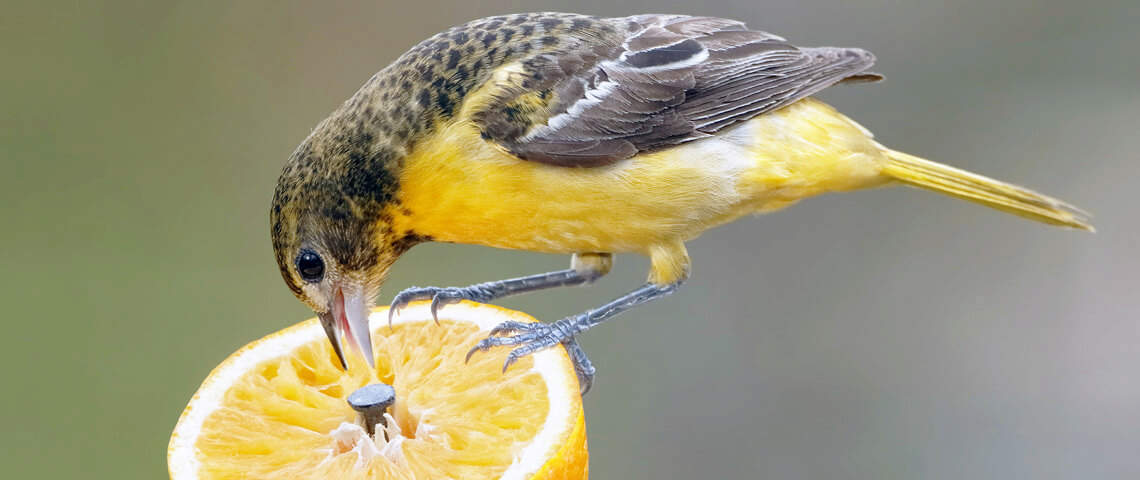
Orange halves, apple slices, banana, grapes cut in half.
Birds love this stuff, especially in spring and summer when orioles and tanagers are passing through.
I always tell people to nail an orange half to a flat board or skewer it on a branch.
It feels silly the first time you do it.
Then you watch an oriole show up like clockwork and you get it.
Here is what nobody mentions.
Fruit left out too long attracts wasps, ants, and fruit flies fast, especially once temperatures climb.
Put fresh fruit out in the morning, check it by early afternoon, and toss anything that looks tired or has bugs crawling on it.
Your birds deserve fresh food.
Rice
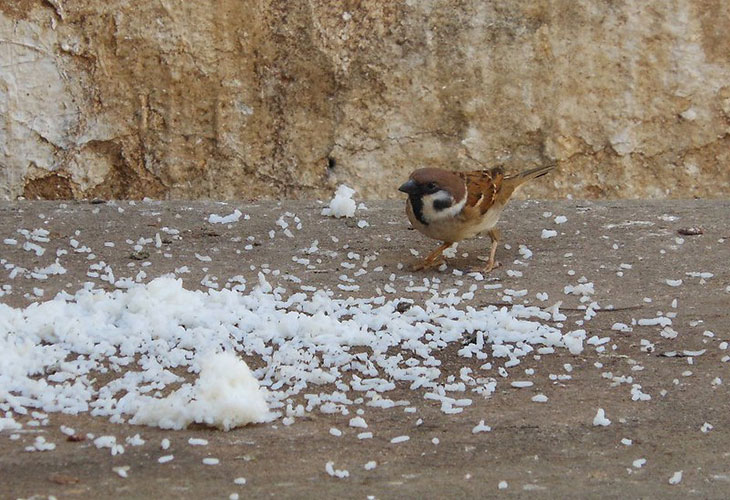
I still get asked this all the time.
No, rice does not make birds explode.
That is an old myth that refuses to die.
Cooked, plain rice in small amounts is totally fine.
The real issue with rice is moisture.
Wet rice left outside turns into mush and grows bacteria fast.
So if you are putting out leftover rice, keep portions small and check it daily.
Treat it like you would treat leftovers in your fridge.
Would you eat rice that has been sitting out for three days? Exactly.
Cooked vegetables
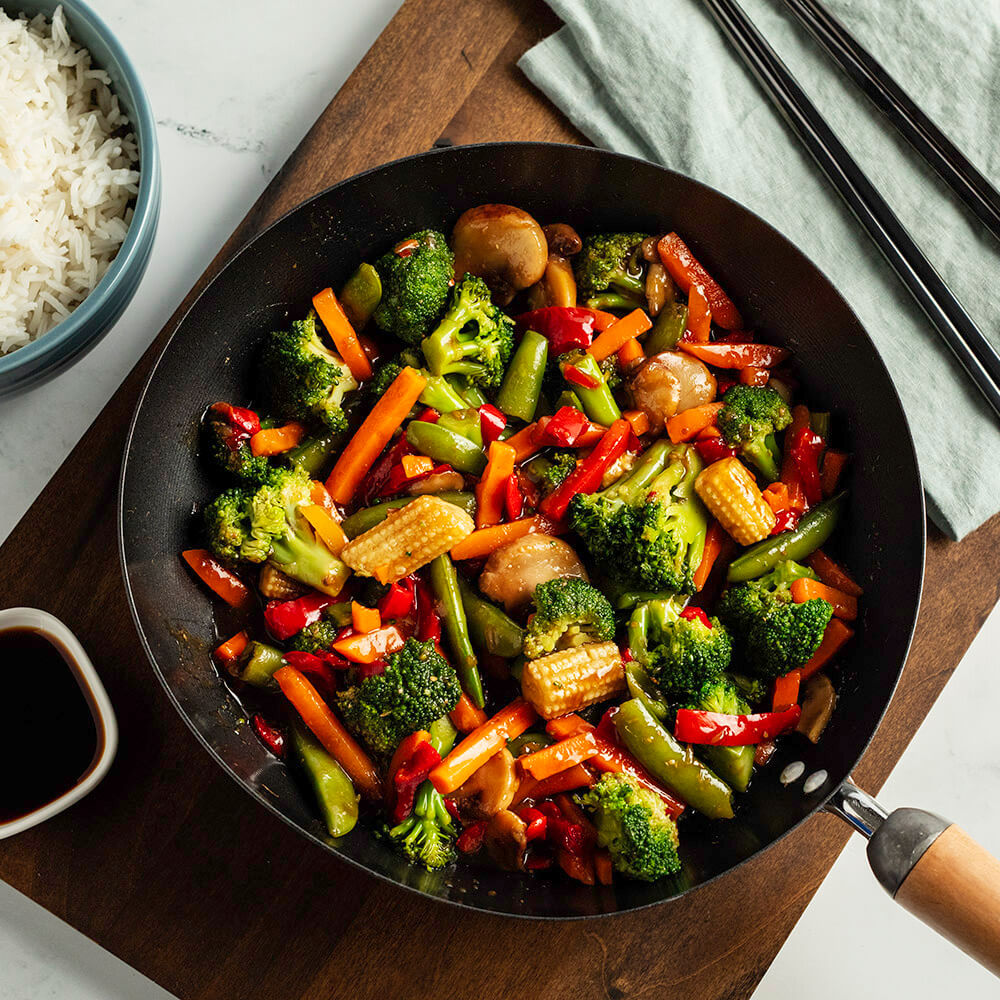
Peas, corn, carrots, squash, even leftover green beans.
Birds, especially jays and doves, will happily clean up small bits of cooked vegetables.
Skip anything seasoned with butter, salt, or sauce.
Plain is the goal here.
I learned this after putting out garlic mashed potatoes thinking I was being generous.
The birds left them completely untouched for two days straight.
Turns out strong flavors and seasonings throw birds off entirely, since nothing in their natural world smells like garlic butter. Lesson learned. Keep it boring and plain, every time.
Eggshells
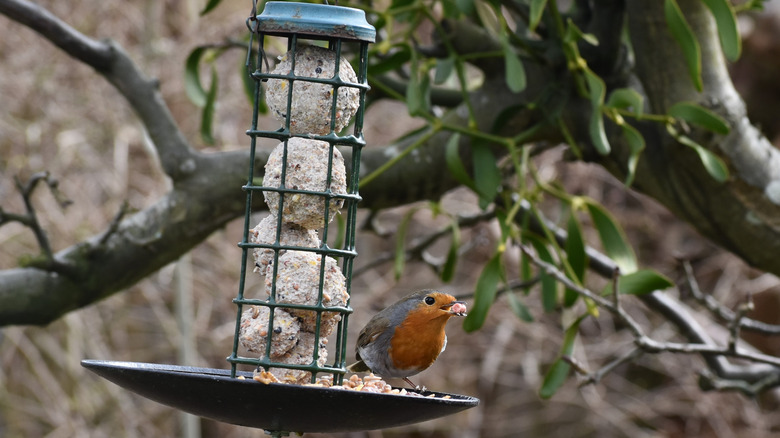
This one feels like a secret even though it should not be.
Crushed, baked eggshells are an incredible calcium source for birds, especially nesting females who need that calcium to lay healthy eggs.
Bake your shells at 250 degrees for about 20 minutes to kill any bacteria, then crush them into small pieces.
Scatter them near your feeder or mix them into a feeding tray.
Spring is the best time to do this, right when nesting season kicks into gear.
Your local birds will thank you in many ways.
Nuts
.jpg)
Unsalted, plain nuts chopped into small pieces are a fantastic source of fat and protein, especially for woodpeckers, jays, and nuthatches.
Walnuts, almonds, peanuts, all good options to give your birds.
The catch is salt.
Salted nuts are everywhere in most kitchens, and even a small amount of salt is genuinely too much for a bird’s tiny body to process well.
If you can’t feed it to a toddler without rinsing the salt off first, do not feed it to a bird either.
Plain or nothing.
Fat and suet

Rendered fat, the kind you get from cooking bacon and letting the grease cool and harden, is a fantastic high energy food for birds, especially in winter.
But there is a right way and a wrong way to use it.
Never put out warm or liquid grease.
It smears on feathers and ruins their natural waterproofing, which sounds minor but can be life threatening in cold or wet weather.
Always let fat cool completely and harden before offering it, ideally mixed with oats or birdseed to make a simple homemade suet cake.
What should you never, ever put out?

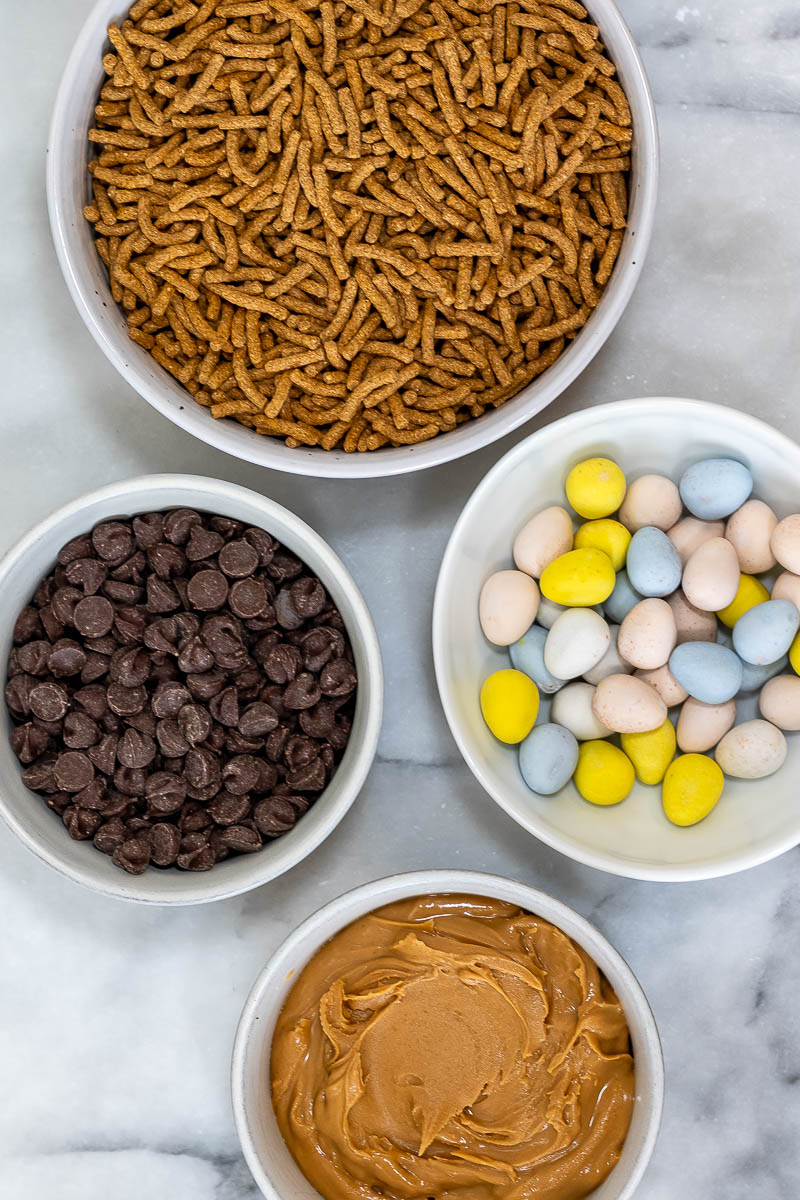
Let me save you some heartbreak and a few uncomfortable backyard moments.
Avoid chocolate, avocado, onions, garlic, anything with caffeine, and anything heavily processed or salty.
These are not “maybe okay in small amounts” foods.
These are hard no foods, every single time.
Also skip anything moldy, even if you think it is just a small spot.
Birds are far more sensitive to mold toxins than we are, and what looks like a minor blemish to you can seriously make them sick.
Always think about food expiry
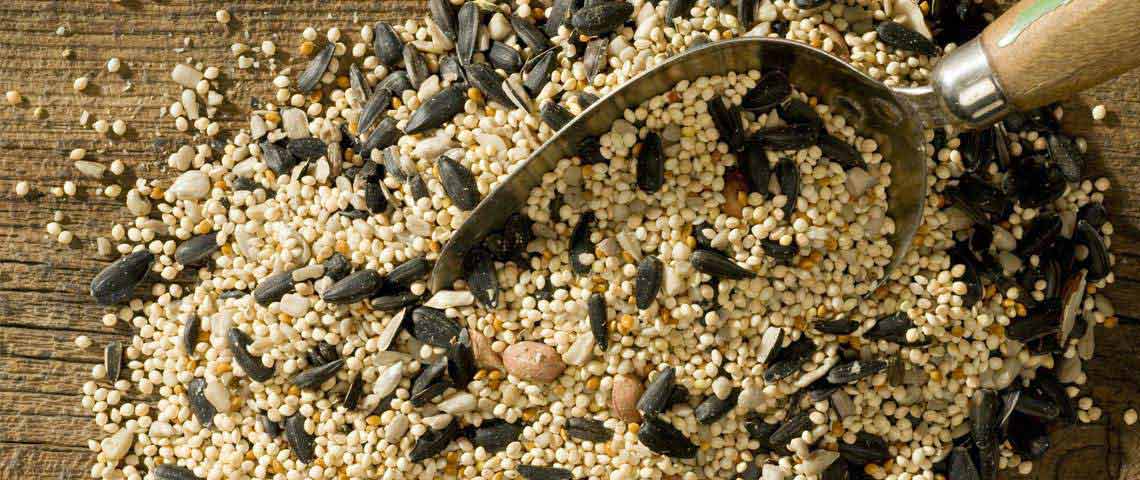
If I could give you one single piece of advice that ties this whole thing together, it is this.
Stop thinking about whether a food is “safe” and start thinking about how fast it goes bad once it is sitting outside in your yard.
I call this the Decay Window.
Every kitchen scrap has a window of time where it is fresh, beneficial, and worth putting out.
After that window closes, it becomes a liability, whether that is mold, bacteria, bugs, or a frozen brick that hurts a beak.
Rice has a short window. Nuts have a long one. Fruit sits somewhere in between.
Once you start thinking in terms of that window instead of a static checklist, everything clicks.
You will know exactly when to refresh your feeding spot, what to skip on a hot humid day, and what is fine to leave out a little longer.
This single shift in thinking is honestly what separates people who feed birds successfully for years from people who give up after a few disappointing weeks.
Parting shot
Put scraps out in the morning, since that is when birds are most active and hungry.
Use a raised platform feeder instead of tossing things on the ground, both for cleanliness and to keep rodents from showing up uninvited.
Only put out what birds will finish in a couple hours, then clean up the rest.
And give yourself grace here.
You are going to mess up portions at first.
You might put out something birds completely ignore.
That is normal, and it does not mean you are doing this wrong.
It just means you are learning your backyard’s particular crowd of feathered regulars.
And trust me, once you figure out what they love, watching them show up every single day becomes one of the joys you did not know you needed.
FAQs
What do you feed a bird if you don’t have bird food?
Raid your pantry before you panic.
Unsalted nuts chopped small, plain cooked rice, oats, small fruit pieces, and crushed eggshells will all work in a pinch.
Birds are not nearly as picky as people assume, as long as you skip anything salty, sugary, or seasoned.
What household food is good for birds?
Plain cooked rice, unsalted nuts, fresh fruit like apples and berries, cooked vegetables with no butter or salt, oats, and crushed eggshells are all solid choices sitting in most kitchens right now.
The keyword is plain and unprocessed, every single time.
What is the best homemade bird food?
A simple suet cake made from cooled, hardened fat mixed with oats, chopped nuts, and a bit of dried fruit is hard to beat.
It is cheap, it takes ten minutes, and birds go absolutely wild for it in colder months.
Is Weetabix ok for birds?
Yes, in small amounts.
Crumble it up and moisten it slightly so it is easier to peck apart.
Skip pouring milk on it though, since birds cannot digest dairy well and soggy cereal turns to mush fast outside.
What can I use instead of bird feed?
Think kitchen scraps first.
Unsalted nuts, plain rice, fruit, oats, and crushed eggshells can all stand in for store bought seed.
None of it needs to be fancy, it just needs to be plain and fresh.
Can birds eat uncooked rice?
Yes, despite the myth, uncooked rice will not make a bird explode.
That rumor has been debunked for years.
That said, I personally prefer cooked rice since it is softer and easier for smaller birds to manage.
What is a miracle meal for birds?
This usually refers to a homemade mix of suet, peanut butter, oats, and cornmeal that gives birds a huge energy boost, especially in winter.
Melt the fat, stir in the dry ingredients, let it harden, and you have got yourself a feeder favorite that disappears fast.
What is the healthiest food for birds?
Unsalted nuts and seeds top the list for fat and protein, followed closely by fresh fruit for vitamins and crushed eggshells for calcium.
Variety is honestly the real secret here, since no single food covers everything birds need.
What should not be fed to birds?
Chocolate, avocado, onions, garlic, caffeine, anything salty, anything moldy, and bread in large amounts.
These are not gray area foods, these are skip them completely foods.
How do you make simple bird food?
Mix cooled hardened fat with oats, chopped unsalted nuts, and small bits of dried fruit, then press it into a mold or pinecone and let it set.
That is it.
No special equipment, no complicated steps, just a little patience while it hardens.
Are porridge oats ok for birds?
Plain, uncooked or cooked oats are great for birds and one of the easiest things to keep on hand.
Just avoid instant oat packets with added sugar or flavoring, since those extras are not doing the birds any favors.
What is the most common food for birds?
Sunflower seeds win this one hands down across nearly every backyard bird species.
From a kitchen scrap standpoint, plain bread and rice tend to be what most people reach for first, even though seeds and nuts are genuinely better choices.
What cereal will birds eat?
Plain, unsweetened cereals like cornflakes, shredded wheat, or Weetabix work well crumbled into small pieces.
Skip sugary cereals entirely, since that much sugar has no place in a bird’s diet.
What is no waste bird food?
This means using scraps you already have instead of buying anything new.
This can be vegetable ends, stale plain bread in moderation, fruit that is slightly past its prime but not moldy, and eggshells you would otherwise throw out.
It is a great way to feed birds while cutting down on what goes in your trash.
What is the healthiest thing to feed birds?
A rotation of unsalted nuts, fresh fruit, and crushed eggshells covers fat, vitamins, and calcium all at once.
No single food does everything, so mixing it up is what actually keeps birds well fed long term.
Is it okay to put cooked rice out for birds?
Yes, completely fine, just keep portions small and check it within a few hours since cooked rice spoils fast in warm or humid weather.
Treat it exactly like leftovers you would not want sitting out on your counter all day.
What birds like to eat rice?
Sparrows, doves, blackbirds, and starlings are typically the first to show up for rice.
In my experience it tends to attract ground feeding birds more than the ones that prefer hanging feeders.