8 Places You Should Never Put a Bird Feeder
Last Updated on July 23, 2026 by Duncan
I have been hanging, moving, and rehanging bird feeders for over fifteen years.
I have lost count of how many times I thought I found the “perfect spot,” only to find a pile of feathers under my window the next morning or a raccoon doing acrobatics off my deck railing.
So before you grab that cute new feeder from Amazon and hang it on the first hook you see, let me save you the heartbreak.
Here is everywhere you should NOT put it, and why.
1. Too close to your window
Everyone tells you “keep your feeder away from windows so birds don’t crash into the glass.” Sounds smart, right?
Here is the part nobody tells you. The danger zone is not far from your window.
It is that medium distance, somewhere between three and ten feet away.
Why? A bird flying off your feeder at that distance has already picked up speed but has not realized your window is a solid wall yet.
It is basically the worst of both worlds.
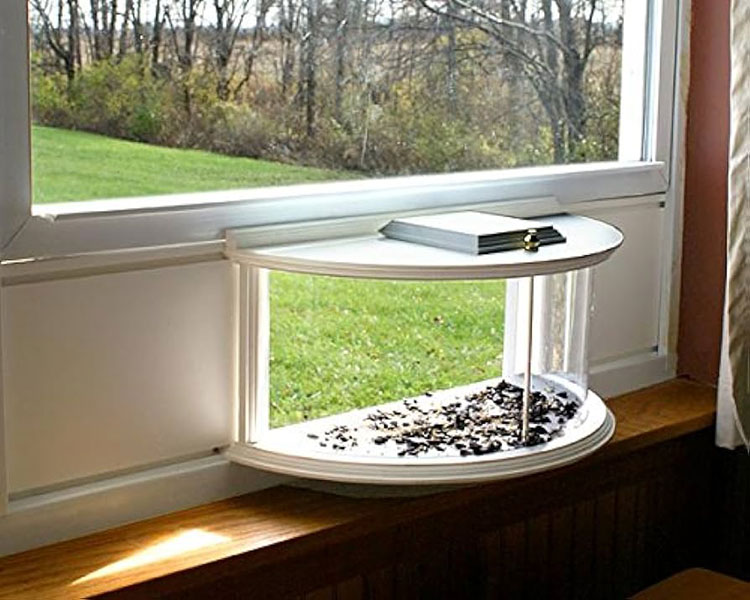
What actually works is putting your feeder either right up against the glass (like, suction cup close) or way out past thirty feet.
The middle ground is where the tragedies happen.
I learned this after finding three little goldfinch shaped silhouettes on my patio in one summer.
Once I moved my feeder right up against the window, the strikes stopped almost overnight.
2. Near thick bushes or shrubs

I know, I know. Bushes look pretty.
They make your yard feel cozy.
But to a hungry hawk, that bush is a five star ambush spot.
If you put your feeder within ten feet of dense shrubbery, you are basically setting up a buffet with a built in predator hideout.
Hawks and cats use that cover to creep up undetected, then strike before the birds even know what happened.
I once watched a Cooper’s hawk sit in my neighbor’s hedge for an entire afternoon, just waiting.
It was like a tiny feathered sniper.
Don’t give predators that advantage.
Give your feeder some breathing room.
Eight to twelve feet from the nearest bush is the sweet spot.
Close enough that birds can dash to safety if needed, far enough that nothing can ambush them from the shadows.
3. Directly under a roofline or gutter
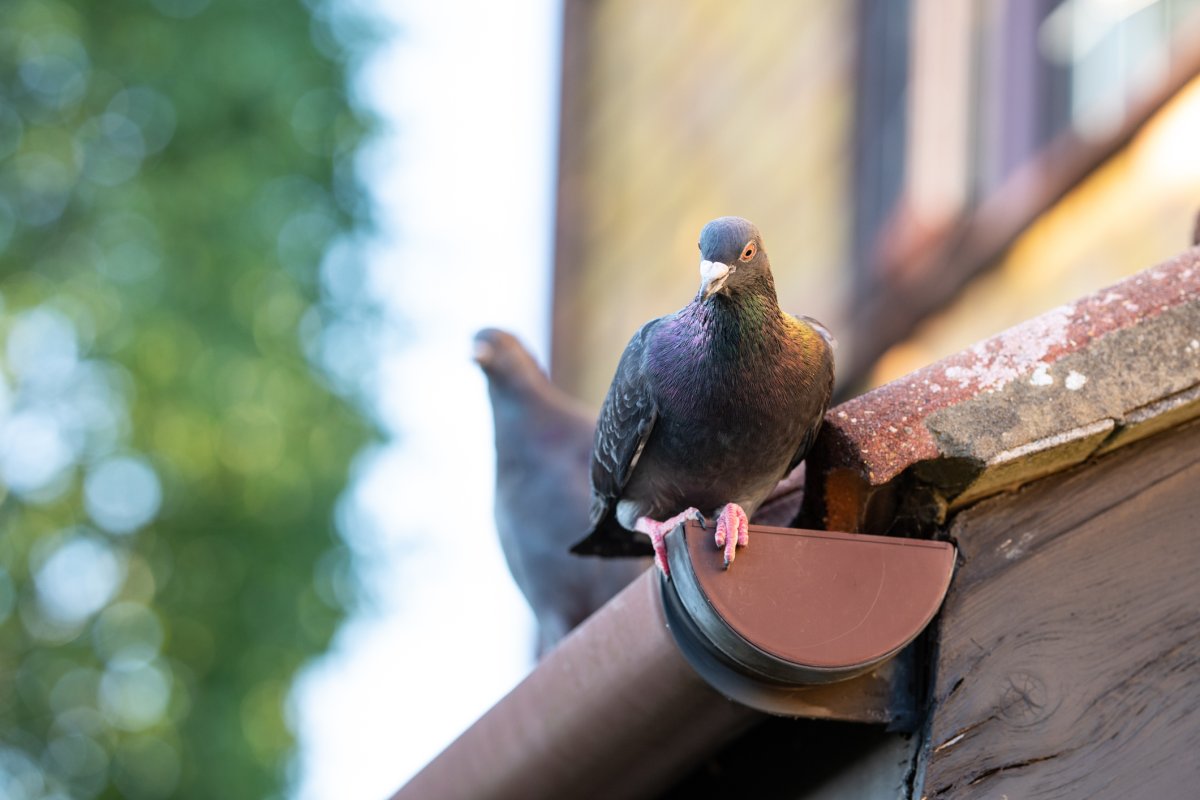
This one feels like common sense at first.
“Put it under the roof so it stays dry!” Cute idea.
Terrible in practice.
Here’s what actually happens.
Rain drips constantly off that roofline, turning your seed into a soggy, moldy mess.
In winter, that drip freezes and your feeder becomes a literal block of ice.
And let’s talk about the roof itself.
Roof edges are basically rodent highways.
Squirrels and rats use that line to travel straight down to your feeder like it is their personal hallway.
If you want shelter from rain, get a feeder with a built in roof canopy instead.
Skip the house roof entirely.
4. On a glass deck railing or near sliding doors

This one surprises so many people.
You’d think a deck or balcony feels safer since it is higher up, away from cats and ground predators.
But glass railings and sliding glass doors are sneaky killers.
Birds flying at full speed do not expect glass mid air.
They are not looking down at your deck thinking “better watch out for invisible walls.” They just fly straight into it.
If your deck has any glass paneling, treat it exactly like a window.
Either put decals on the glass or move your feeder somewhere with a clear, obvious flight path that does not cross any glass at all.
5. In a totally open, bare yard
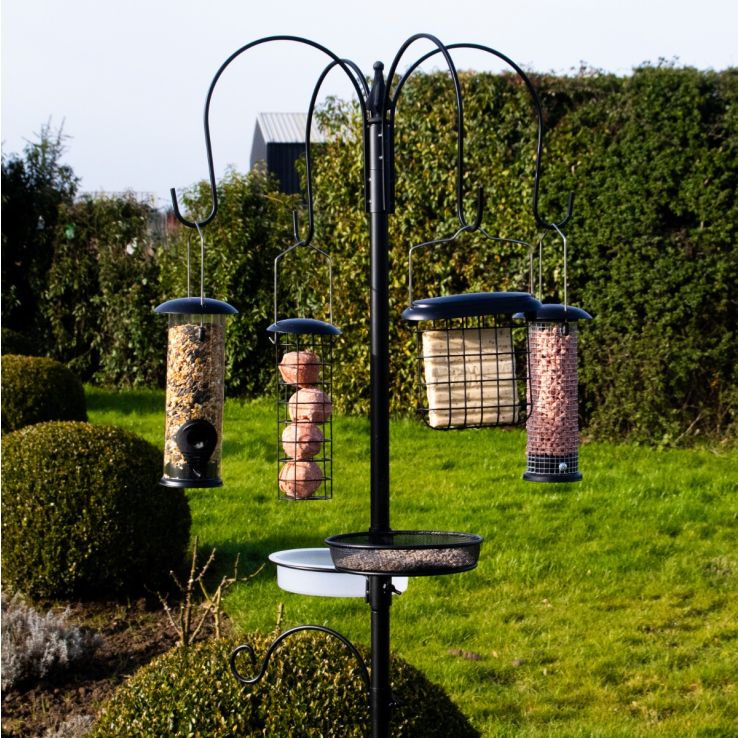
This sounds like it contradicts what I said about bushes, but stick with me here.
If your yard is completely open with zero trees, shrubs, or cover anywhere nearby, birds have nowhere to dash if a hawk swoops in.
Total exposure is just as bad as too much cover.
The goal is balance.
You want some cover nearby, just not close enough to give predators a hiding spot.
Think of it like a parking lot.
You want your car near the building, not in the middle of an empty field, but also not crammed right next to a dark alley.
Same idea here.
6. Right next to your driveway or the road

I get it.
The front yard near the driveway is convenient.
You see the birds every time you walk to your car.
But if your feeder’s flight path crosses your driveway or a road, you are unintentionally setting birds up to get hit by cars.
It happens quietly because the deaths are scattered out over time, so you never connect the dots.
Move your feeder to the backyard or somewhere away from regular vehicle traffic.
Your car is not a bird’s natural predator, but it sure acts like one.
7. Directly above where you walk or sit
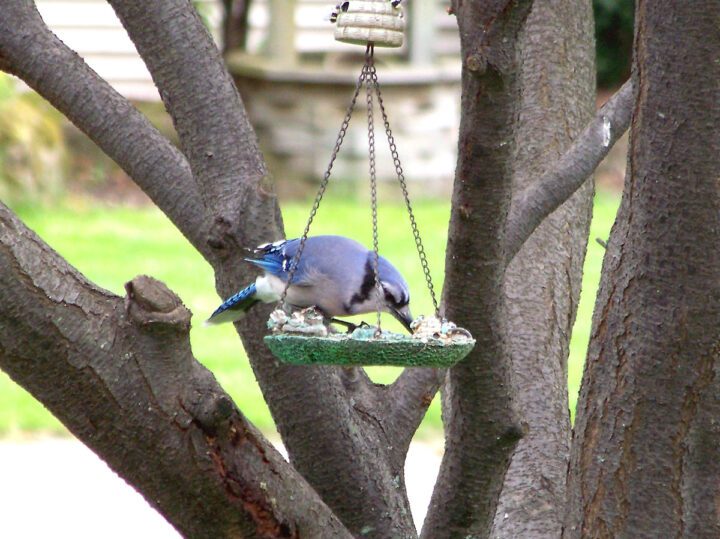
Picture this.
You hang a feeder right above your favorite porch chair because you want front row seats to the bird show.
Cute idea until you realize that seed shells, droppings, and spilled husks rain down constantly.
Within a week your “relaxing spot” turns into a mess you have to hose down every weekend.
Hang your feeder a few feet away from any seating area or walking path.
You still get the view, minus the cleanup nightmare.
8. Anywhere you can’t see or reach easily
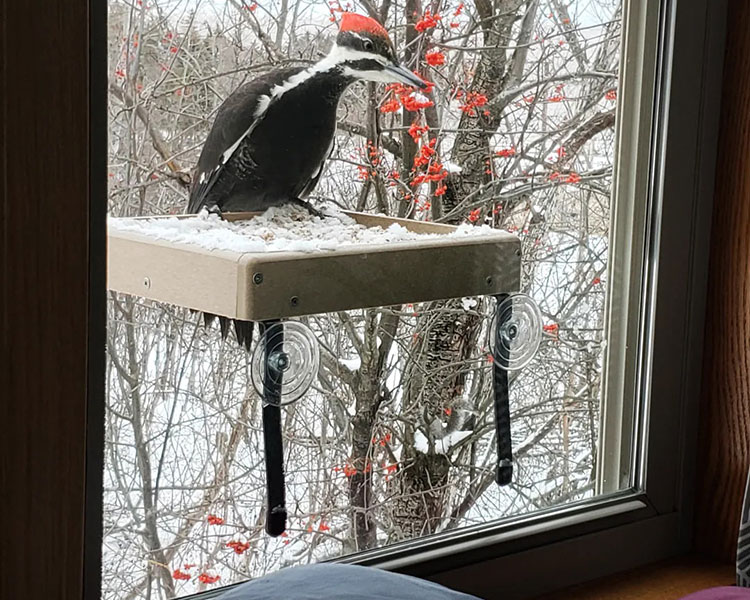
This one is less about danger and more about sanity.
If you put your feeder in some far corner of your yard because it “looked nice there,” you are going to forget about it.
Forgotten feeders mean moldy seed, empty feeders, and honestly just wasted money.
Keep it somewhere you walk by often, ideally somewhere visible from a window you sit near.
A trick you can borrow
Before I hang any feeder in a new spot, I do a little walk around.
I stand at the exact spot and look in every direction within about fifteen feet.
If I spot a fence, a thick bush, a parked car, or anything else that could hide a predator with a clear shot at my feeder, that spot is out.
Doesn’t matter how pretty it looks for my morning coffee view.
I call it my predator sightline check.
It takes two minutes and it has saved more birds in my yard than any fancy feeder design ever has.
FAQs
Where is the safest place to put a bird feeder?

Somewhere with a little distance from windows (under three feet or beyond thirty), a little distance from thick bushes (eight to twelve feet), and away from driveways or roads.
Basically, give it breathing room on all sides.
Think open but not exposed.
Where should you not hang a bird feeder?
Skip the spots three to ten feet from windows, right under a roofline, tucked against dense shrubs, near glass deck railings, or anywhere that lines up with your driveway.
Those are the spots that quietly cause the most harm.
What should you never put in a bird feeder?

Avoid bread, salted or seasoned nuts, anything moldy, and dyed or sugary “treats” marketed for birds that are just junk food.
Stick with plain seed, suet, or fruit made for wild birds.
Their tiny bodies cannot process the stuff we eat.
Do birds remember feeder locations?
Yes, and it is honestly kind of impressive.
Birds, especially chickadees and jays, build mental maps of food sources and will return to the same spot for years.
This is exactly why moving your feeder around too often can confuse them and slow down visits.
Does it matter where you hang a bird feeder?

It matters more than most people realize when they are picking a spot just because it looks nice from the kitchen window.
Placement affects everything from predator risk to window strikes to how often birds show up.
A pretty view is not worth it if the spot is dangerous.
Do bird feeders need to be up high?
Not as high as you might think.
Five to six feet off the ground is the sweet spot for most feeders.
High enough to keep cats from leaping up, low enough that you can still refill it without dragging out a ladder every time.
How long will it take for birds to find my bird feeder?
Usually a few days to two weeks.
It depends on your area and how many birds are already used to feeding nearby.
Patience pays off here.
Resist the urge to move your feeder around if birds have not shown up after just a day or two.
Why put a potato in the bird feeder?
This one is more of an old backyard trick than a strict rule.
A halved potato can hold suet or seed mix well and adds a little moisture, which some birds appreciate in dry weather.
It is not essential, just a fun little add on if you enjoy experimenting.
What is the best height for a bird feeder?
Five to six feet off the ground works well for most setups.
That height keeps it out of easy reach for cats and most ground predators while staying low enough for you to manage comfortably.
Can a bird feeder be too low to the ground?
Absolutely.
Anything under three feet is an open invitation for cats, raccoons, and other ground predators to help themselves.
Low feeders also pick up more dirt, moisture, and mold from being so close to the ground.
When should you put up a bird feeder?
Anytime, but late fall through winter is when birds need the extra help since natural food sources dry up.
Spring and summer feeders are still great for daily visitors, just know that food is more plentiful then so visits might be a little less frequent.
Should you put a bird feeder close to your house?
A little distance is good for both you and the birds.
Close enough to enjoy watching from a window (just not within that three to ten foot danger zone).
But far enough that mess, noise, and curious squirrels do not become a daily problem on your porch.
Parting shot
A bird feeder is not just decoration.
It is an invitation, and where you place that invitation determines whether your yard becomes a safe little sanctuary or an accidental death trap.
Take the extra five minutes to walk your yard before you grab the hammer.
Your future feathered visitors will thank you, and so will your Saturday mornings filled with chirping instead of cleanup.
Related Posts: