
What’s Eating My Herb Garden? 7 Common Culprits Revealed
Last Updated on June 30, 2026 by Duncan
You walk out to water your basil and there it is.
A leaf with a hole in it the size of a quarter. Or worse, a whole stem just gone, like something snipped it clean off overnight.
Your first thought is probably “what kind of monster did this?”
Good news.
After years of getting my hands dirty in herb beds, I can tell you most garden mysteries have a pretty short list of suspects.
The trick is learning to read the clues instead of guessing.
This is your field guide to help you identify the culprits.
No fluff, just what’s eating your herbs and what to do about it tonight.
First investigate
Here’s the mistake almost everyone makes. They see damage, panic, and grab whatever bug spray is under the sink.
Slow down for a second.
You can usually figure out exactly what’s munching your mint without ever spotting the culprit, just by reading the damage.
I call this the Bite Print Method, and it changed how I garden completely.
Look at these three things before you do anything:
The shape of the damage: Ragged, torn holes usually mean caterpillars. Smooth, round notches along the edge of a leaf usually mean slugs or snails.
Tiny silvery speckles all over a leaf usually mean spider mites.
Where on the plant it’s happening: Damage right at the base of the stem, like someone took scissors to it, points to cutworms.
Damage on the soft new growth at the top points to aphids.
Any evidence left behind: Little dark specks that look like pepper flakes are bug poop, and they confirm something is actively chewing.
A shiny trail like glitter glue means slugs or snails were there the previous night.
Once you’ve got those three clues, you will be 90% of the way to your answer. Now let’s go through the usual suspects one by one.
Slugs and snails

If your herbs have round, smooth-edged holes and you find silvery slime trails in the morning, you’ve got slugs or snails.
These guys are nocturnal, which is exactly why you never catch them in the act.
They feast all night and disappear by sunrise.
Here’s a fun trick. Go out with a flashlight about an hour after sunset and you’ll catch them red-handed, slowly destroying your parsley one bite at a time.
What attracts them in the first place?
Moisture. Thick mulch, overwatering, and damp soil are basically a five-star hotel for slugs.
Fix it by pulling mulch back an inch or two from the base of your plants and watering in the morning instead of at night, so the soil has time to dry out before dark.
A shallow dish of beer set into the soil works shockingly well too.
They’re drawn to it, climb in, and don’t climb back out.
Slightly tragic, highly effective.
Caterpillars

Caterpillars leave big, ragged holes and sometimes strip a leaf down to just the veins, almost like lace.
Unlike slugs, you can often catch caterpillars in broad daylight if you look closely on the undersides of leaves.
They’re masters of camouflage though, so don’t feel bad if you walk right past one.
The classic herb garden offender is the tomato hornworm if you’ve got basil nearby, or cabbage loopers if you’re growing anything in the mint family.
Hand-picking is honestly your best weapon here. Put on gloves, check both sides of every leaf, and toss what you find into a bucket of soapy water.
If the infestation is bigger than a few worms, a product with Bt (Bacillus thuringiensis) is a natural option that targets caterpillars specifically without harming bees or other beneficial bugs.
Aphids
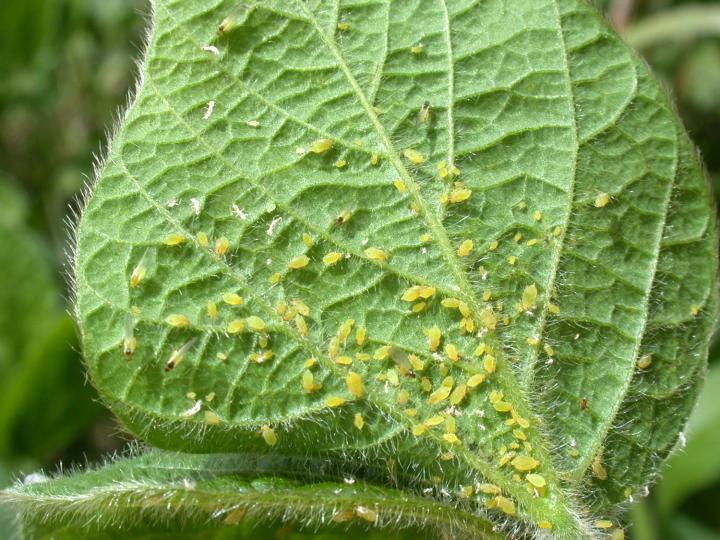
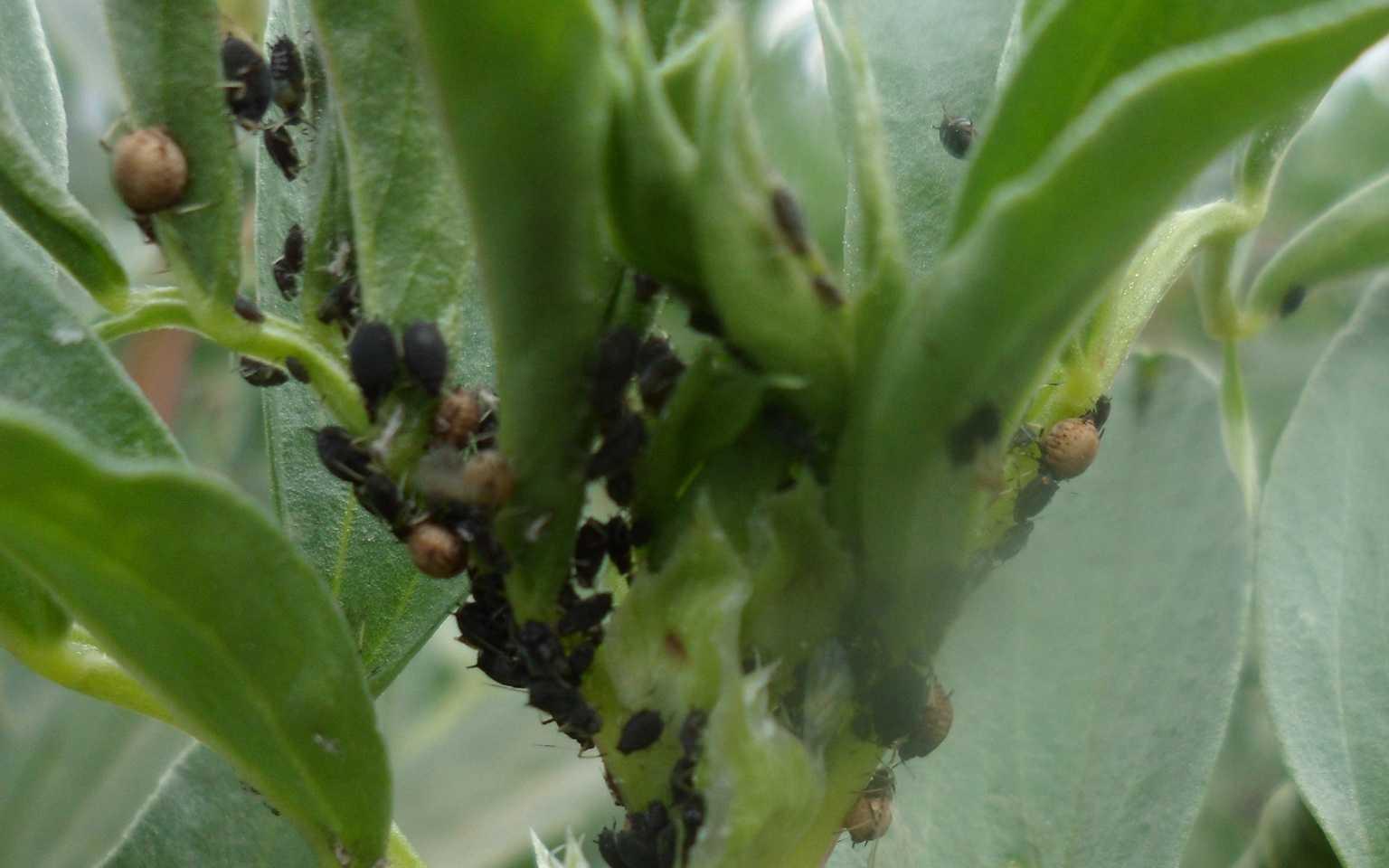
Aphids are small, often green or black, and they cluster together on new growth like they’re throwing a tiny party you didn’t invite them to.
You’ll notice curled, yellowing leaves and a sticky residue called honeydew, which sounds cute but is just aphid waste.
Sometimes ants show up too, because they love that sugary mess.
Aphids love soft, lush, overfed plants.
If you’ve been feeding your herbs heavy fertilizer hoping for big growth, you might be accidentally running an all-you-can-eat buffet.
A strong blast from the hose knocks most of them right off.
For bigger problems, insecticidal soap sprayed directly on the clusters does the trick without nuking your whole garden.
Ladybugs are nature’s aphid control squad, so if you see them hanging around, let them stay.
They’re doing you a favor.
Spider mites

If your herb leaves look dusty, speckled, or slightly bronzed and you can’t find a single bug anywhere, check for tiny webbing tucked into the spots where leaves meet stems.
That’s spider mites, and they’re nearly invisible to the naked eye.
Hot, dry weather is their breeding season.
A south-facing patio or a bed pressed against a sunny wall is a mite hot zone because of the heat bouncing off the surface.
Hose your plants down regularly during hot stretches, since spider mites hate humidity and a strong spray knocks their webs apart.
Applying neem oil in the evening, never midday, helps knock back populations without frying your leaves in the sun.
Earwigs and pill bugs
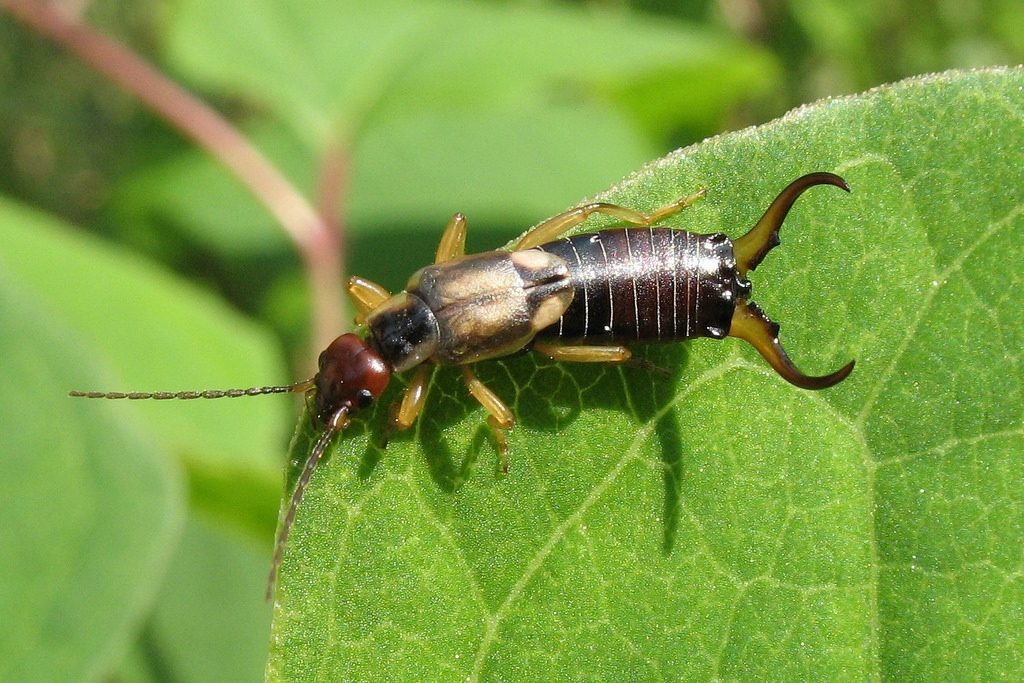
These guys mostly eat dead, decaying plant matter, which sounds harmless until their numbers get out of control and they start snacking on your living seedlings too.
Fresh, thick wood mulch is their favorite hiding spot, so if you piled it on thick this spring, that might be your answer.
Pull the mulch back to a thinner layer, maybe two inches max, and keep a small bare patch right around each stem.
Less moisture and less cover means a much smaller earwig population by next season.
Rabbits, Birds, and the Bigger Culprits
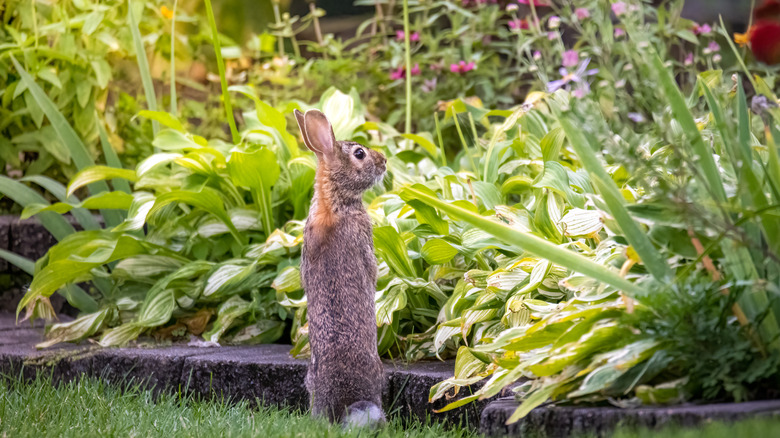
Sometimes the damage is way too clean and too big for any bug.
A whole plant nibbled down to a stub overnight, with no slime, no frass, no webbing anywhere.
That’s a bigger animal, most likely a rabbit, and they have a particular soft spot for parsley and cilantro.
A simple fence about two feet high around your herb bed solves this problem almost every time.
Rabbits aren’t great jumpers, despite what cartoons would have you believe.
Birds tend to peck at fruiting herbs or seed heads rather than leaves, so if your dill is missing its flower tops, that’s probably your answer.
Sometimes it’s not pests
Here’s something almost nobody talks about. Sometimes the “damage” on your herbs has nothing to do with pests.
Crispy brown leaf edges in the middle of summer are often just sunscald, not a bug bite.
Yellow leaves with green veins can mean a nutrient deficiency, not an infestation.
Before you spray anything, check for actual evidence of a pest first.
Frass, slime, webbing, or the bug itself.
Treating a non-pest problem with pesticide wastes your time, stresses your plant further, and does nothing for the real problem.
How to protect your herbs garden
Prevention beats treatment every single time, and it’s way less work in the long run.
Water in the morning, not at night: Damp soil overnight is basically an invitation for slugs and fungal issues.
:Don’t overdo the fertilizer: Soft, fast growth is candy to aphids and other sap feeders.
Give your plants breathing room: Crowded herbs trap moisture between leaves, which encourages pests and disease alike.
Quarantine new plants for about a week: That cute basil plant from the nursery might be carrying spider mites you can’t see yet.
Do a flashlight patrol once a week during growing season: You’ll catch slugs, earwigs, and cutworms in the act instead of finding the aftermath.
FAQs
What could be eating my herbs?
The usual lineup is slugs, snails, caterpillars, aphids, spider mites, earwigs, and sometimes a rabbit with great taste in parsley.
Grab a flashlight and check for slime trails, ragged holes, or tiny webbing to narrow it down fast.
What to spray on plants that are getting eaten?
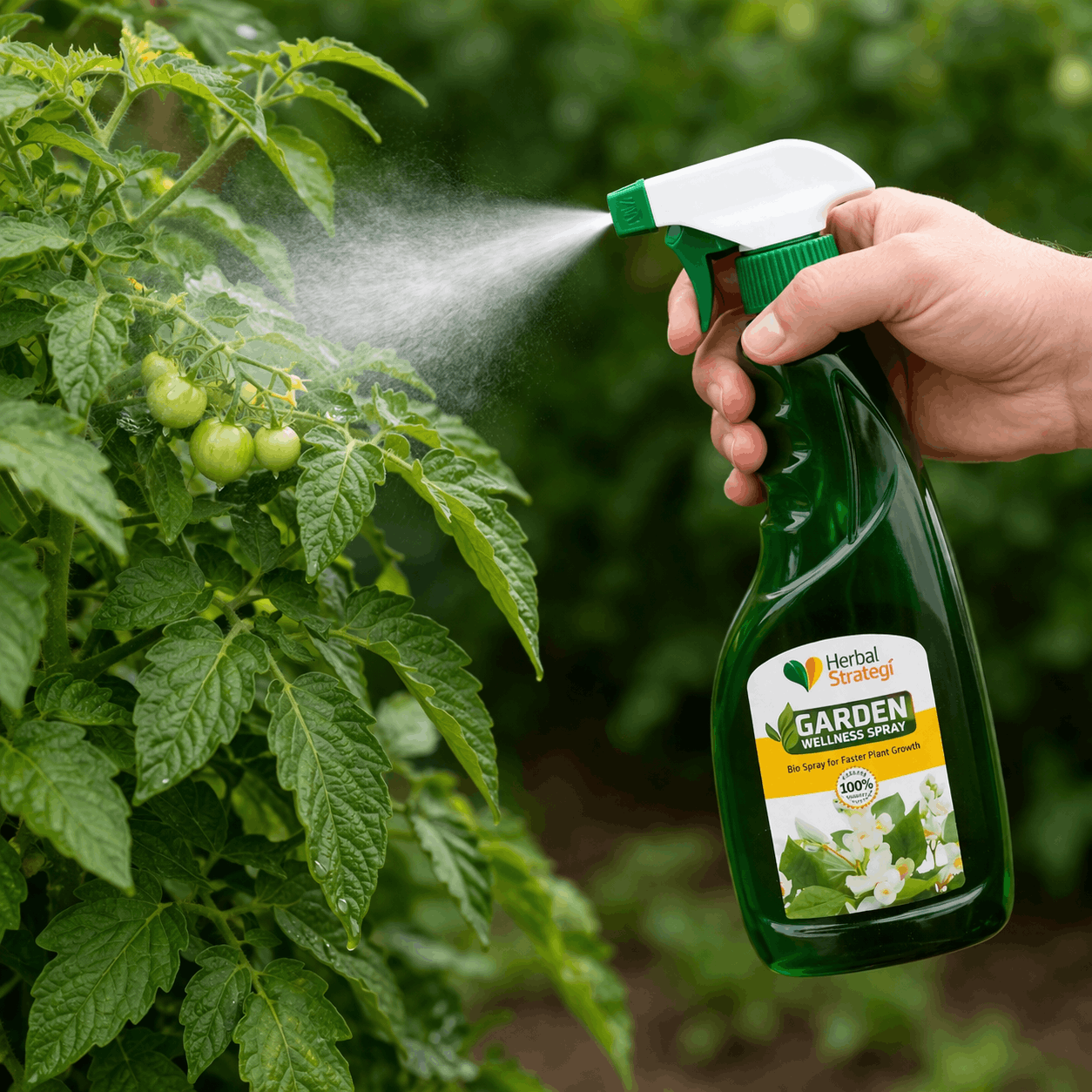
Figure out the pest first, because the right spray depends on who’s eating.
Insecticidal soap works on soft-bodied bugs like aphids and mites, while a Bt spray is your go-to for caterpillars.
Spraying blind without knowing the culprit usually means you’re treating the wrong problem and wasting a perfectly good afternoon.
What to spray on herbs to stop bugs?
Neem oil is a solid all-around option for prevention, sprayed every week or two during peak bug season.
Apply it in the evening so you don’t fry your leaves in direct sun.
Since you’re eating these herbs, always check the label to confirm it’s food-crop safe and note any wait time before harvest.
What is the best homemade bug spray for plants?
A simple dish soap spray is hard to beat.
Mix about one to two teaspoons of mild liquid soap into a quart of water and spray the undersides of leaves where bugs love to hide.
Skip anything with degreaser or antibacterial additives, since those can damage tender herb leaves.
How do I get rid of bugs eating my basil?

Basil is a magnet for aphids and Japanese beetles, so start with a daily once-over and hand-pick anything you spot.
Drop them straight into a cup of soapy water and call it justice.
For aphids specifically, a strong hose spray followed by insecticidal soap usually clears things up within a week.
Can I spray vinegar on plants to keep bugs away?
I’d skip this one.
Vinegar is acidic enough to scorch tender herb leaves, and the damage it does to your plant can end up worse than the bugs.
If you want to use vinegar in the garden, stick to spraying it on weeds in the pathway, not your basil.
How do I tell what is eating my plants?
Use the Bite Print Method from earlier in this guide.
Look at the shape of the damage, where on the plant it’s happening, and any trace evidence like slime or frass.
Those three clues will tell you almost everything you need to know before you ever spot the bug itself.
Can you eat herbs that have been eaten by bugs?
Yes, in most cases.
Just trim off the damaged or chewed parts, give the rest a good rinse, and the undamaged leaves are perfectly fine to use.
The only exception is if you’ve sprayed something not labeled for food crops, in which case follow the wait time on the product before harvesting.
What is the strongest natural bug repellent?
Neem oil and diatomaceous earth are about as strong as natural pest control gets.
Neem disrupts a bug’s ability to feed and reproduce, while diatomaceous earth physically damages soft-bodied pests like slugs.
Neither one is magic though, so pair them with good habits like proper watering and regular inspection for the best results.
What can I spray on my basil to keep bugs away naturally?
A diluted neem oil spray applied in the evening is your safest bet for basil specifically.
You can also try a homemade garlic and pepper spray, which most bugs find unpleasant.
Reapply after rain or heavy watering since both wash the protection right off.
How to keep bugs away from your herbs?

Water in the morning, keep mulch thin, give your plants breathing room, and do a flashlight check once a week.
Boring habits, but they work better than any spray on the market.
Quarantining new plants for about a week before adding them to your bed also stops a lot of problems before they ever start.
What naturally repels all bugs?
Nothing repels every single bug equally, and any product claiming otherwise is overselling itself.
Different pests respond to different things, which is exactly why the Bite Print Method matters so much.
Neem oil and insecticidal soap cover the broadest range of common culprits, but expect to combine that with hand-picking and good garden habits.
What can I spray on plants to stop them from being eaten?
Match the spray to the pest.
Soap sprays handle aphids and mites, Bt handles caterpillars, and diatomaceous earth handles slugs and crawling insects.
Reapply after rain, and always spray in the early morning or evening to avoid harming bees.
How do I protect my plants from being eaten?
Physical barriers go a long way here.
A short fence keeps rabbits out, and floating row covers keep flying pests like cabbage moths from ever landing in the first place.
Combine barriers with healthy soil and proper watering, since a stressed plant is always an easier target than a thriving one.
Can I spray my plants with soapy water?
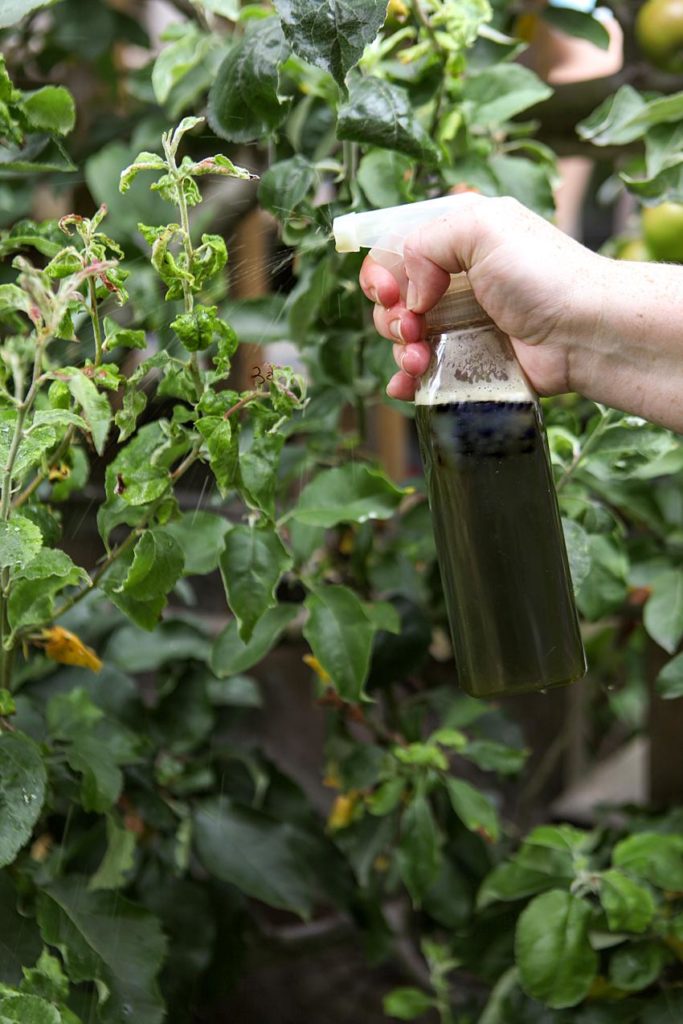
Yes, and it’s one of the simplest tricks in the book.
A few drops of mild dish soap in a spray bottle of water handles soft-bodied bugs like aphids without much fuss.
Test it on one leaf first and wait a day, since some plants are more sensitive to soap than others.
Can plants recover from being eaten?
Most of the time, yes.
Herbs are tougher than they look, and as long as the roots and main stem are healthy, your plant will usually push out new growth within a couple of weeks.
Severe or repeated damage is harder to bounce back from, which is exactly why catching the problem early matters so much.
How do some plants avoid being eaten?
Plants have their own built-in defenses, and it’s pretty clever stuff.
The strong smell of rosemary, thyme, and sage isn’t just nice for cooking, it’s a chemical defense that makes bugs think twice.
Fuzzy or tough leaves, like you’ll find on sage, also make chewing a lot less appealing to soft-mouthed pests.
What protects a plant from being eaten?
It’s a mix of the plant’s own defenses and the help you give it.
Strong scents, tough leaves, and natural oils do a lot of the work on their own.
On top of that, barriers, healthy soil, and the occasional spray fill in the gaps nature doesn’t cover.
What is the best spray for leaf-eating insects?
For caterpillars specifically chewing through leaves, go for Bt spray as it won’t harm bees or other helpful bugs.
For smaller leaf feeders like aphids, insecticidal soap is your best bet.
Always identify what’s actually chewing before you spray, since the wrong product wastes time and money.
Can I spray baking soda and water on my plants?
A baking soda spray is more useful for fungal issues like powdery mildew than it is for actual bugs.
It won’t hurt to try on minor pest issues, but don’t expect it to be your main line of defense.
If you do use it, keep the mix light, since too much can leave a residue or stress the leaves.
Parting shot
Your herb garden isn’t cursed, and you’re not doing everything wrong.
Pests happen to every gardener, even the ones with the picture-perfect Pinterest boards.
The difference between a frustrated gardener and a confident one is knowing how to read the clues your plants are leaving you.
Grab a flashlight, check for the bite print, and you’ll know exactly what you’re dealing with before you even reach for a single product.