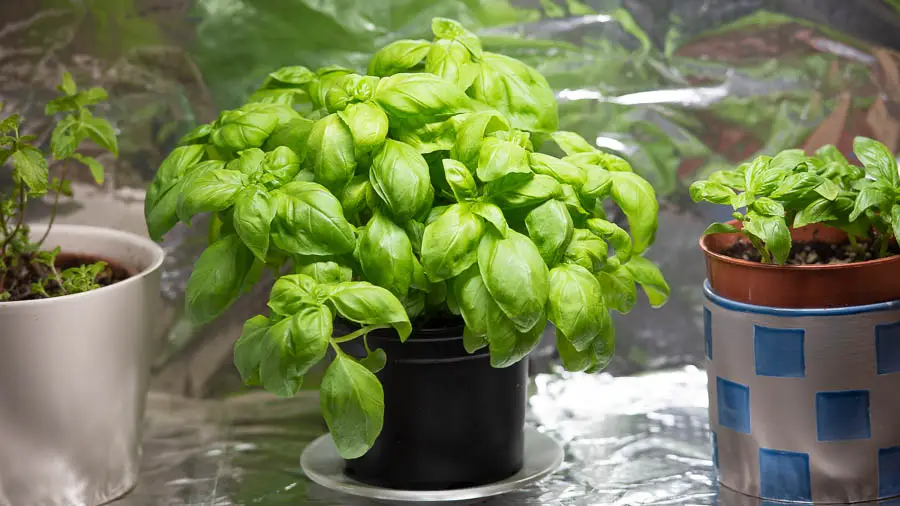
What You Need For An Indoor Herb Garden
Last Updated on June 23, 2026 by Duncan
Let’s be honest. You have pinned at least one “dreamy indoor herb garden” photo in your life.
Then you bought a basil plant, put it on the windowsill, and watched it turn into a sad brown stick within three weeks.
You are not bad at plants. You just got the wrong list of supplies.
I have spent twenty years growing herbs indoors and killing way more of them than I want to admit.
Here is the actual list of what you need, why you need it, and how to buy the right version so you do not waste your money twice like I did.
1. A grow light
:max_bytes(150000):strip_icc():format(webp)/spr-grow-lights-test-aero-garden-trio-rachel-marek-00039_crop-71805df37cf14d3ead0efecda1025dee.jpeg)
Here is the truth nobody tells you.
A sunny windowsill is not enough light for most herbs, especially in winter or in an apartment that does not face south.
Your herbs are not being dramatic when they get leggy and pale.
They are starving for light and stretching toward whatever they can find.
To be on the safe side, you need a grow light.
What to buy: A small LED grow light panel or a clip on grow light made for herbs and leafy greens.
You do not need anything fancy or expensive.
Look for a grow light with a built in timer so you are not the one remembering to turn it on and off every single day.
How to get the most from it: Hang or clip it 6 to 8 inches above your plants and run it for 14 to 16 hours a day.
Yes, your herbs need a real dark time too.
Light all day every day stresses them out and makes them weirdly pale, so let them rest at night just like you do.
A grow light is the single upgrade that will fix more problems than anything else on this list. If you only buy one thing, buy this.
2. Pots that drain properly
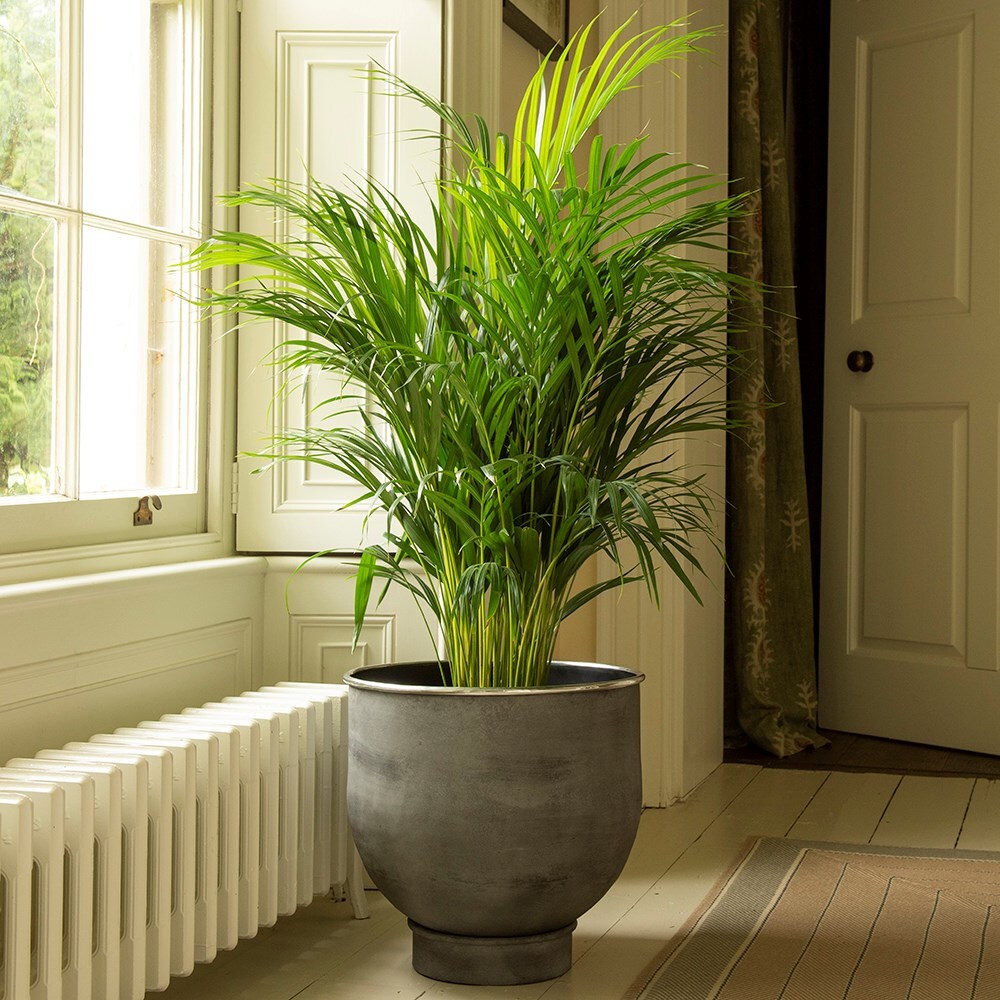
That cute ceramic pot with no hole in the bottom? It is adorable. It is also a death trap.
Without drainage, water pools at the bottom, the roots sit in it, and they slowly rot while the soil on top looks perfectly dry.
You water it thinking you are being a good plant parent and you are quietly suffocating the roots.
What to buy: A pot with a drainage hole and a saucer underneath to catch the runoff.
If you fall in love with a pot that has no hole, drill one yourself or use it as a decorative outer shell and keep the actual plant in a plastic nursery pot inside it.
How to get the most from it: Go a little deeper than you think you need, at least 6 to 8 inches.
Wide and shallow pots look pretty in photos but they hold water in a way that makes overwatering way too easy.
3. Potting mix made for containers, not garden soil
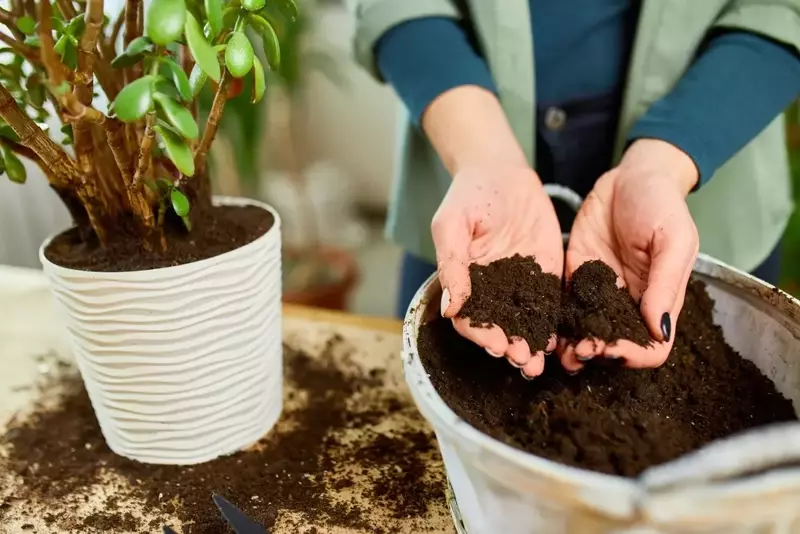
Regular garden soil is too heavy and compacts indoors. It holds water like a sponge and your roots end up gasping for air.
What to buy: A bagged potting mix labeled for containers or herbs specifically.
Bonus points if it already has perlite or vermiculite mixed in, those little white chunks that look like packing foam.
How to get the most from it: Do not pack it down tight when you plant.
Roots need air pockets to breathe, so just fill the pot loosely and let it settle naturally.
4. The right herbs

Not every herb belongs in the same pot, and not every herb forgives a beginner mistake.
Mediterranean herbs like rosemary, thyme, and oregano want to dry out between waterings.
Basil, mint, parsley, and cilantro want consistent moisture and get cranky if you let them dry all the way out.
Put a rosemary and a basil in the same tray on the same watering schedule and one of them is always suffering to keep the other one alive.
I learned this the hard way after killing three rosemary plants by treating them like basil.
What to buy: Start with basil, mint, and chives if you want forgiving, fast, confidence boosting herbs.
Add rosemary or thyme later once you understand their different rhythm.
How to get the most from it: Keep your thirsty herbs together and your drought tolerant herbs together.
Two separate trays, two separate watering routines, way less heartbreak.
5. A liquid fertilizer

Potting mix runs out of nutrients fast, usually within four to six weeks. Your herb is not sick, it is just hungry.
What to buy: A liquid fertilizer made for vegetables or herbs that you dilute in water.
Skip the slow release pellets for now, they are harder to control indoors.
How to get the most from it: Feed at half the strength the label suggests, every other watering.
Indoor herbs grow slower than outdoor ones, so full strength fertilizer can burn the roots and leave white crust on the soil surface.
If you see that crust, flush the pot with plain water until it runs out the bottom and skip fertilizer for a couple weeks.
6. A watering can
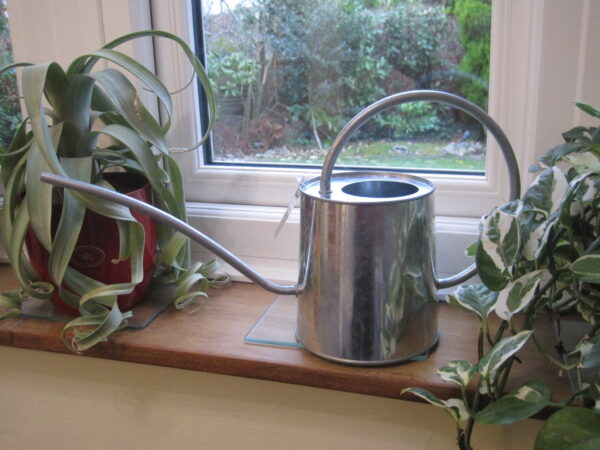
This sounds small but it changes everything.
A wide spout dumps water everywhere and makes it impossible to water the soil without splashing the leaves.
Wet leaves sitting in still indoor air are basically an invitation for fungal problems. Nobody wants that.
What to buy: A small watering can with a long, narrow spout so you can aim directly at the soil.
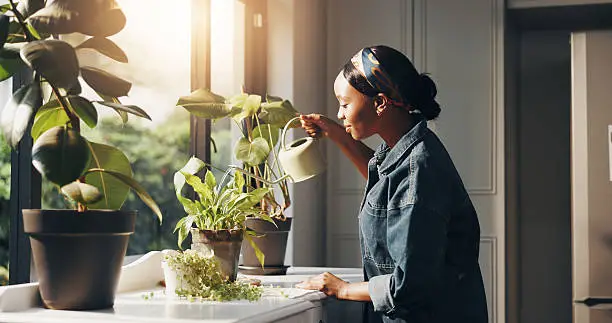
How to get the most from it: Water until you see it run out the drainage hole, then let the pot dry out partway before watering again. Lift the pot.
A heavy pot does not need water yet. A surprisingly light pot does.
This trick is more reliable than poking your finger in the soil, I promise.
7. A small fan
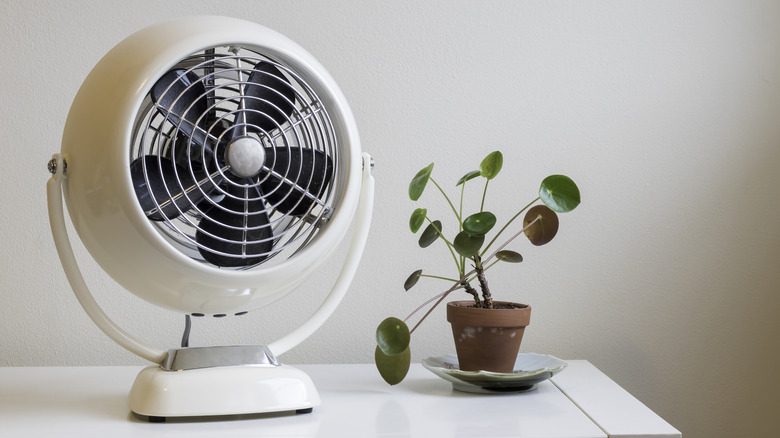
I know this sounds ridiculous. Why would your herbs need a fan?
Indoor air sits still, and still air traps moisture right against the leaf surface.
That stagnant little layer blocks your plant from breathing properly, even with great light and watering.
What to buy: Any small desk fan on its lowest setting.
How to get the most from it: Point it so the leaves flutter gently a few hours a day. Do not blast it directly on the plant like a hurricane, you just want a soft breeze.
This one tiny trick also helps prevent mold and makes stems grow sturdier instead of floppy.
8. A pair of small sharp scissors or snips
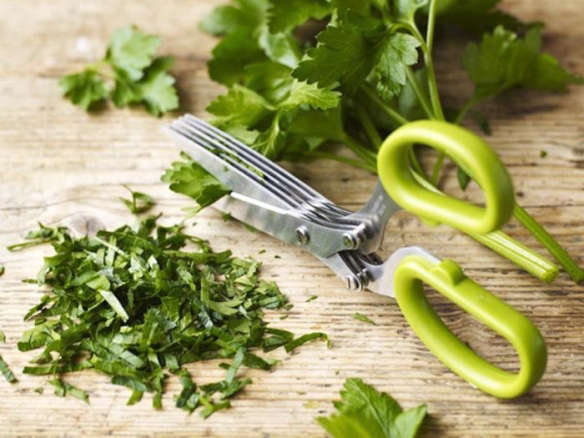
Pinching herbs with your fingers crushes the stem and bruises the plant. A clean cut heals faster and encourages bushier growth.
What to buy: Small herb snips or simple kitchen scissors that stay sharp. You do not need a gardening tool set for this.
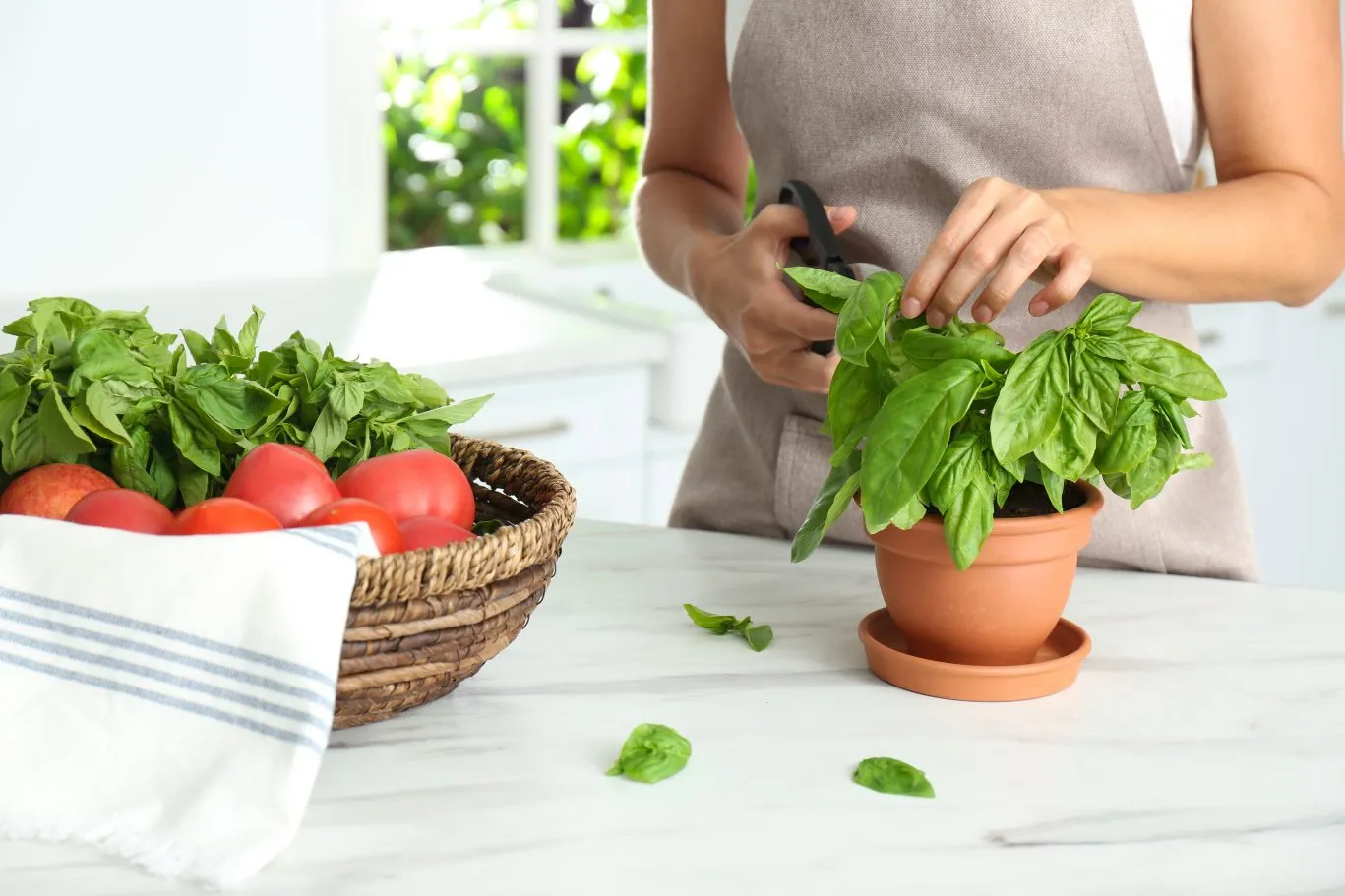
How to get the most from it: harvest from the top, never strip the bottom leaves, and cut just above a leaf node.
Regular light harvesting makes most herbs grow fuller instead of leggy, so use your herbs often instead of letting them sit there looking pretty.
9. A little patience
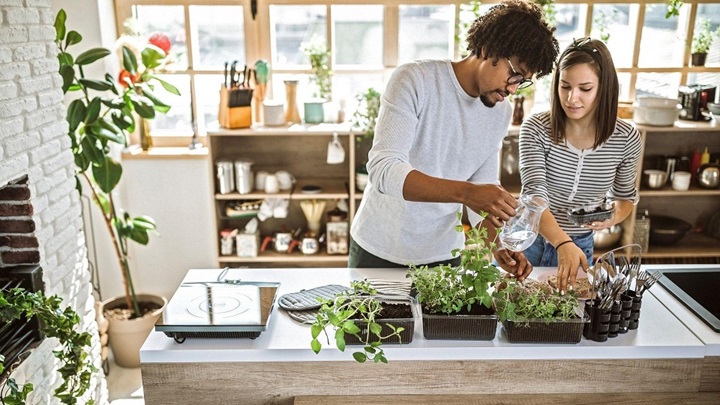
Here is the part nobody puts on Pinterest. Every experienced grower has a graveyard of plants behind them.
You will overwater something. You will forget a fertilizer schedule.
You will buy the wrong pot once before you understand why it mattered.
That is not failure, that is just how you learn what your specific apartment, your specific light, and your specific habits need.
Give yourself permission to mess up a basil plant or two on the way to a windowsill full of herbs that truly thrive.
Indoor Herb Garden Best Practices
You have the supplies.
Now let’s talk about the daily habits that separate a thriving little herb shelf from a sad one.
These are the things I wish someone had told me on day one instead of letting me figure them out through trial and a lot of error.
Rotate your pots every few days
Plants grow toward their light source, which means one side gets thick and full while the other side stays thin and sad looking.
Give every pot a quarter turn every few days so the growth stays even on all sides.
Set a reminder on your phone if you need to, nobody remembers this on their own.
Water in the morning, not at night
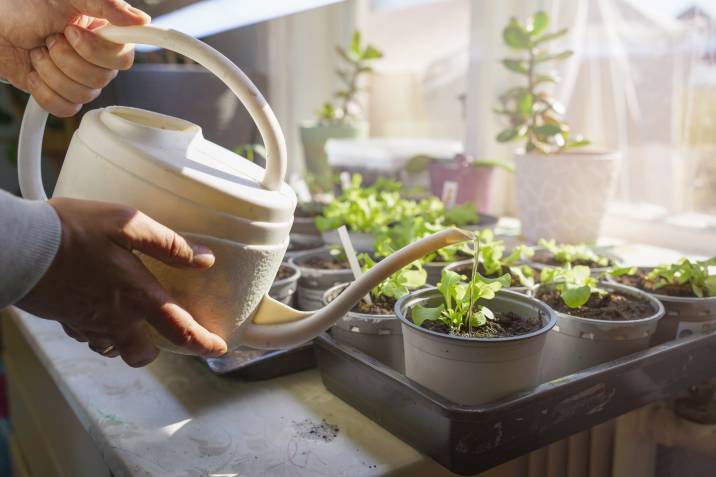
Morning watering gives the soil all day to absorb moisture and lets any splashed leaves dry out before nightfall.
Watering at night leaves everything damp for hours in cool, still air, which is exactly the setup fungus loves.
This one small habit shift prevents a surprising amount of mold and leaf spot down the road.
Use room temperature water, not cold from the tap
Cold water is a small shock to the roots every single time, especially in winter when your tap water might be close to freezing.
It will not kill your plant in one watering, but it slows growth and stresses the roots over weeks of repeated cold shocks.
Fill your watering can and let it sit out for an hour before you use it. Tiny habit, real difference.
Check the underside of leaves weekly

Pests like spider mites and aphids almost always show up on the underside of leaves first, where you cannot see them from a normal angle.
By the time you notice damage on top of the leaf, the problem has already been going for a while.
Flip a few leaves over once a week while you are watering anyway.
It takes ten seconds and it is the difference between catching three bugs and fighting an infestation.
Quarantine every new plant for two weeks
That cute new mint plant from the grocery store might be carrying pests or disease you cannot see yet.
Put new plants in a separate spot, away from your established herbs, for at least two weeks before you let them join the group.
I learned this after one infested basil plant turned into a spider mite situation across my entire windowsill. Never again.
Dust and wipe the leaves occasionally

Dust builds up on leaves the same way it builds up on your furniture, and it blocks light from reaching the plant the way it is supposed to.
A light wipe with a damp cloth every couple weeks keeps leaves breathing properly and also helps you spot pests early.
This is especially true if your herb shelf sits near a hallway or anywhere with foot traffic.
Pinch off flower buds the moment you see them
Most herbs flower as a last resort move before they put their energy into seeds instead of leaves.
Once an herb flowers, the leaf flavor usually turns bitter and growth slows down fast.
The second you spot a tiny flower bud forming, pinch it off.
This single habit alone can keep a basil plant productive for months longer than one left to do its own thing.
Refresh or replace your soil once a year

Potting mix breaks down over time, compacts, and loses its structure even if you keep feeding it fertilizer.
A plant sitting in old, compacted soil cannot get enough air to its roots no matter how perfect your watering routine is.
Once a year, gently remove the plant, shake off the old soil, and repot with fresh mix.
Your herbs will thank you with a noticeable growth spurt within a couple weeks.
Match your watering to the season, not the calendar

Herbs drink more in spring and summer when light and growth are stronger, and noticeably less in fall and winter when growth slows down.
The exact same watering schedule that worked perfectly in July can drown your plants in January.
Let the pot weight and soil moisture guide you through the seasons instead of sticking to a fixed schedule out of habit.
Keep your herb shelf a little crowded but not packed

Some airflow between plants matters, but herbs also like a bit of company and humidity from their neighbors.
The goal is leaves that can touch lightly without smothering each other, not a wide empty gap between every single pot.
If you cannot slide a finger comfortably between two plants, they are too close and need more room or a trim.
Take notes on what works in your specific space
Every apartment, every window, every shelf has its own personality.
What works for your friend’s south facing kitchen might not work for your north facing bedroom corner.
Keep a simple note on your phone of what you watered, when, and how each plant responded.
Within a couple months you will know your own space better than any blog post could ever tell you, including this one.
The honest bottom line: The magic is never in the cute pot or the trendy plant stand.
It is in the light, the drainage, and the watering rhythm.
Get those three right and everything else is just decoration.
Frequently Asked Questions
What herbs are good to start indoors?

Basil, mint, chives, and parsley are the most forgiving choices for a first try.
They grow fast, bounce back from small mistakes, and give you visible progress within a couple weeks, which keeps you motivated.
Save rosemary, thyme, and sage for round two.
They grow slower and want a drier routine, so they are easier to get along with once you already understand the basics.
What is the best indoor herb garden kit?
:max_bytes(150000):strip_icc():format(webp)/sea-indoor-gardens-irvin-lin-primary-02-85c72a80f9bf46d3adb1a7859237af54.jpeg)
The best kit is whichever one includes a real grow light, not just a pretty pot with seeds tossed in.
A lot of the trendy kits on Pinterest look beautiful in photos but skip the one piece of equipment that keeps the plant alive past month one.
Look for a kit with a built in light, decent pot depth, and a simple watering reminder.
If a kit only gives you a tiny shallow dish and a seed packet, you are better off building your own setup from the supplies in this article.
You will spend less money and get better results.
Can I grow herbs all year round indoors?
Yes, and this is honestly the best part of growing indoors.
You are not at the mercy of frost, heat waves, or your local growing season.
The one thing that changes is your watering and feeding pace.
Growth slows down in the darker winter months even with a grow light, so water less often and skip a fertilizer round or two until spring picks back up.
How do I keep herbs alive indoors?

Light, drainage, and a watering rhythm that matches the plant, in that order of importance.
Most herb deaths trace back to one of these three things, not bad luck or a lack of a green thumb.
Check your pot weight before watering instead of guessing, give your herbs at least 12 hours of decent light a day, and never let them sit in a pot without a drainage hole.
Get those right and you will keep far more herbs alive than you think.
Do indoor herbs need fertilizer?
Yes, eventually. Potting mix only holds enough nutrients for about four to six weeks before your herb starts running on empty.
Use a liquid fertilizer at half strength every other watering during the growing months, and ease off in winter when growth naturally slows down.
Skipping fertilizer is not dangerous, but you will notice smaller leaves and slower growth over time.
What herbs are low maintenance?
Mint is nearly impossible to kill, which is both a blessing and the reason it tries to take over every pot it touches.
Chives are quiet, reliable, and rarely complain about anything.
Basil is easy but slightly more particular about consistent water, so it sits one notch above mint and chives on the effort scale.
If you want something you can almost ignore, start with mint or chives.
Which indoor plants grow fast?

Basil and mint are the speed demons of the herb world.
Under good light, you can be harvesting basil within three to four weeks of planting, and mint will fill its pot embarrassingly fast.
Cilantro grows quickly too, but it also bolts to flower fast, so enjoy it while it lasts and keep a second batch growing behind it if you use it often.
Related Posts: