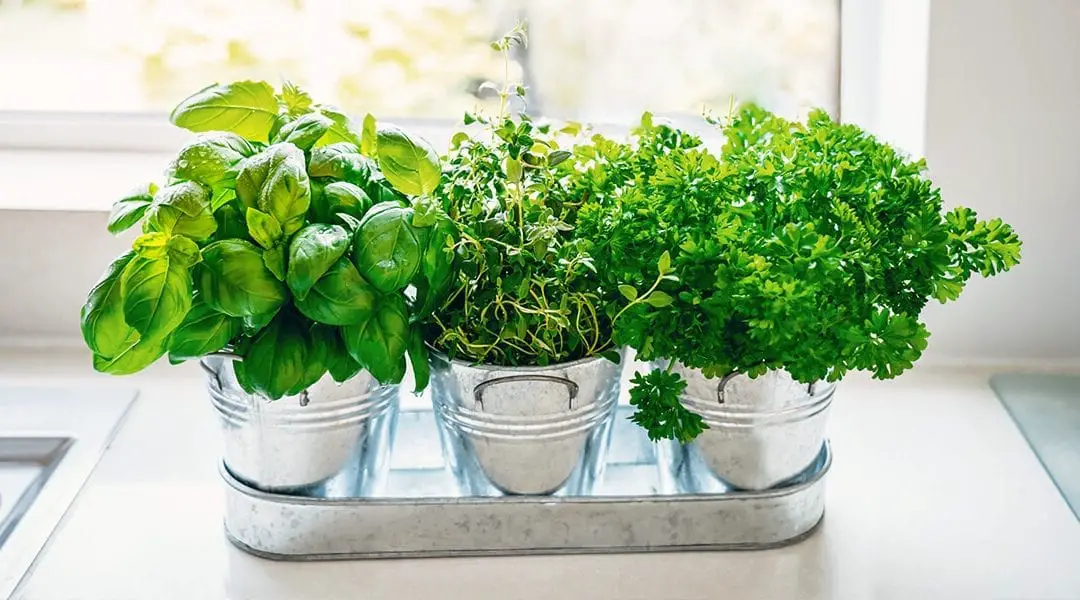
20 Medicinal Herbs You Can Grow Indoors
Last Updated on June 29, 2026 by Duncan
I’ve spent the last 15 years with dirt under my fingernails, growing herbs for a living.
Indoor herb gardens are my favorite topic to talk about because everyone thinks they’re either impossible or foolproof, and the truth sits right in the middle.
Some of these herbs will forgive you for forgetting them for a week.
Others will sulk the second you look away.
I’m going to tell you which is which, because nobody else seems to want to.
This isn’t a list of “put it on a windowsill and hope” tips. This is what I’d tell my sister if she texted me asking which herbs to grow on her kitchen counter.
Quick check before we get into the list.
Your windowsill is not as sunny as you think it is.
Glass blocks a huge chunk of the light your herb wants, so what feels bright to your eyes is dim to a plant.
If you’re serious about this, a cheap grow light will save you more heartbreak than any fancy pot.
Watering on a schedule is a trap. Your plant doesn’t care what day it is.
Stick a finger an inch into the soil and water when it’s dry, not when your calendar says.
And here’s the part nobody tells you: A slightly stressed herb is often a more potent herb.
The lushest, most pampered basil plant on your counter is sometimes the least flavorful one in the room.
Herbs make their oils and flavor compounds as a defense mechanism, not a reward for good behavior.
Keep that in your back pocket, it’ll come up again.
Now let’s get into it.
1. 🌿 Peppermint
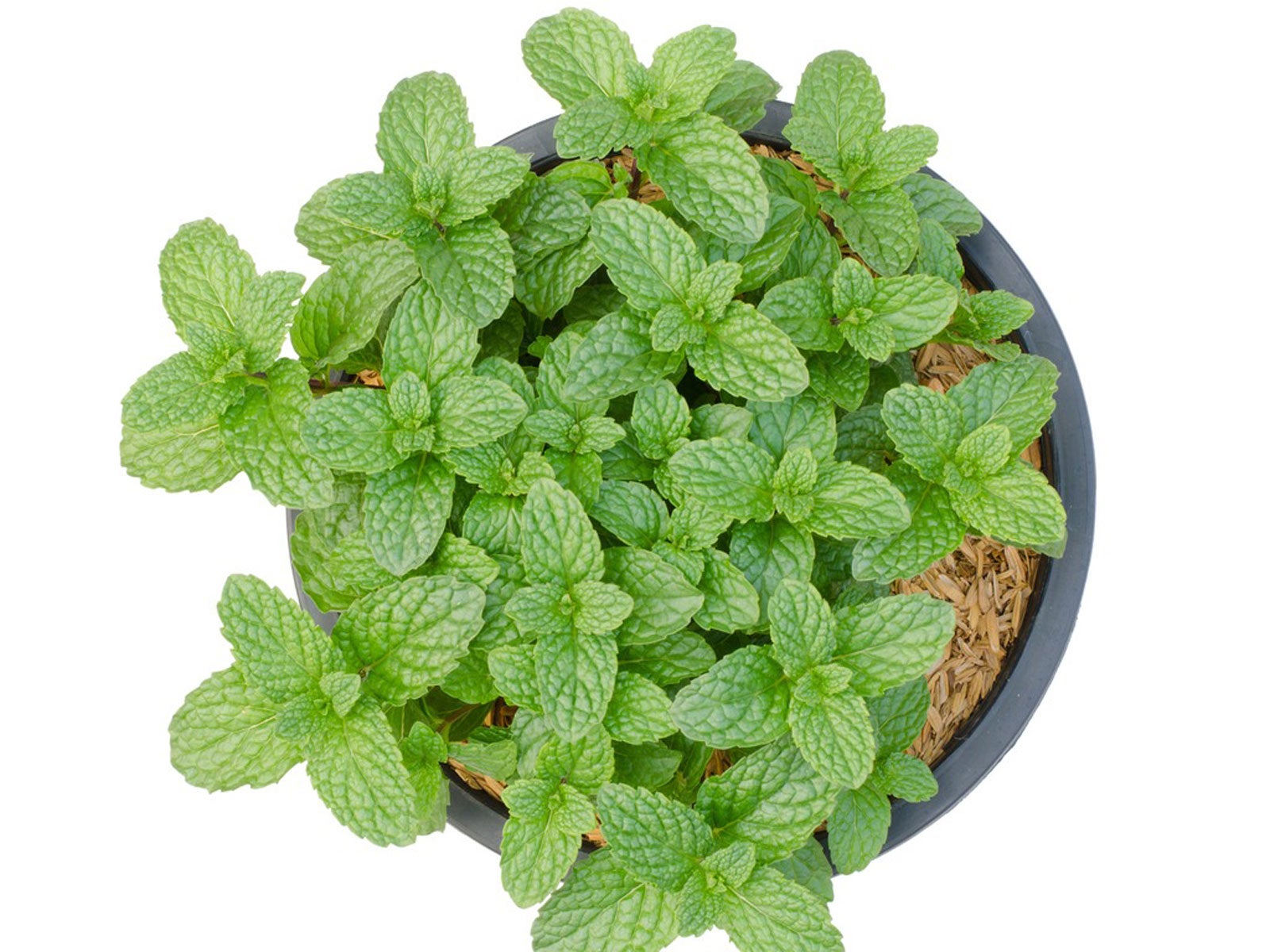
If you’ve ever had a tension headache or a stomach that won’t settle after dinner, peppermint is your new best friend.
A cup of fresh peppermint tea comes in handy when you are having bloating and nausea.
Here’s the part that surprises beginners: Peppermint grows like it’s trying to take over your house.
Give it its own pot, away from your other herbs, or it will spread roots into their territory and choke them out.
I learned this the hard way with a kitchen windowsill disaster I’d rather not relive in detail.
Pro tip: Pinch the top leaves regularly. It keeps the plant bushy instead of leggy, and you get more tea out of the deal.
2. 🍋 Lemon Balm
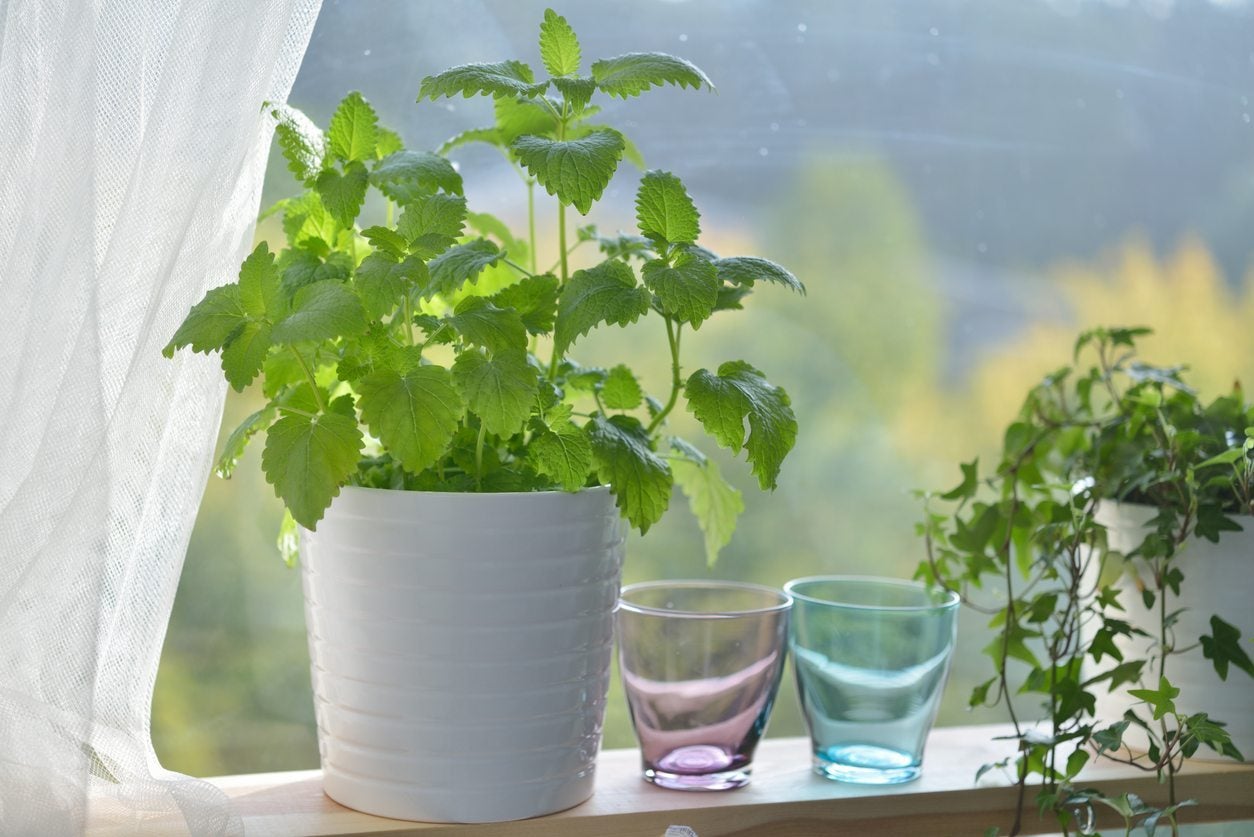
Lemon balm smells like a citrus grove and tastes like calm in a teacup.
If your evenings involve a racing brain that won’t shut off, this is the herb to reach for.
It’s forgiving with water and doesn’t demand intense light, which makes it a great starter herb.
The one thing it won’t tolerate is being crowded. Give it airflow or you’ll be dealing with powdery mildew all the time.
Pro tip: Harvest leaves in the morning, right after the dew would have dried outdoors. That’s when the aromatic oils are at their strongest.
3. 🌼 Chamomile

Chamomile is the herb everyone wants to grow because of sleepy tea dreams, and then they get frustrated because it’s pickier than mint or basil.
It wants real light, not just a bright room, and it sulks in low humidity.
But when it works, it works.
A cup before bed genuinely helps take the edge off a stressful day, and growing your own means you’re not steeping dust from a bargain tea bag.
Pro tip: Let the soil dry out a bit more between waterings. Soggy roots are the number one chamomile killer I see.
4. 🍃 Holy Basil (Tulsi)
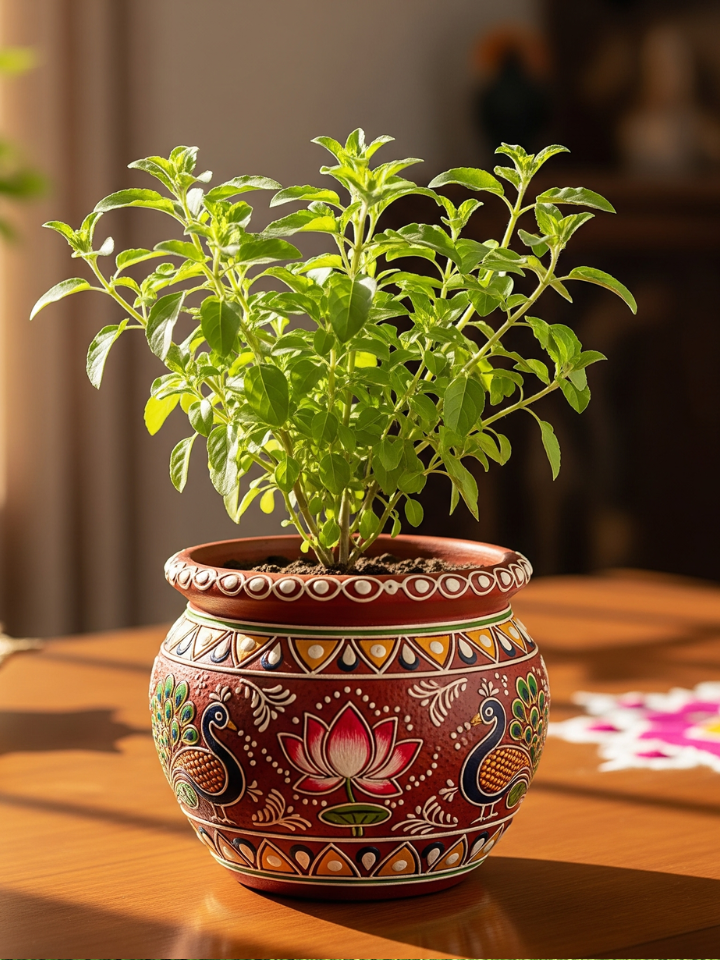
Tulsi is what I tell people to grow when stress is the actual problem, not just a bad night’s sleep.
It’s considered an adaptogen, meaning it helps your body handle stress instead of just masking the symptoms for an hour.
It loves heat and bright light more than regular basil does, so a cool apartment in winter can slow it down.
Don’t panic if it looks a little sparse in January, it’ll bounce back once the days get longer.
Pro tip: Steep the leaves fresh rather than drying them at home.
Tulsi loses a lot of its character when it’s air dried slowly in a humid kitchen.
5. 💜 Lavender
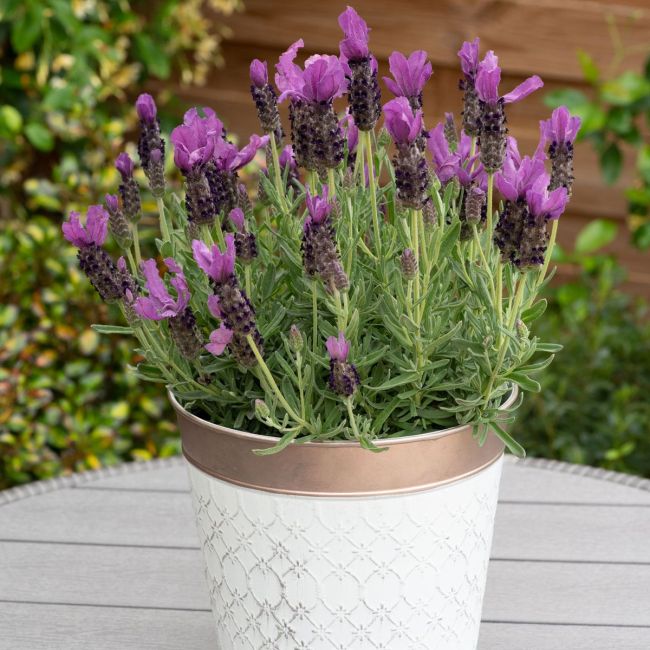
Lavender is gorgeous, smells incredible, and is honestly one of the trickier herbs on this list to keep alive indoors long term.
It wants dry air, strong light, and soil that drains fast, which is the exact opposite of most apartments.
Skip this if: Your home is humid or you tend to water on autopilot.
Try rosemary instead and come back to lavender once you’ve got your light situation sorted.
6. 🌲 Rosemary
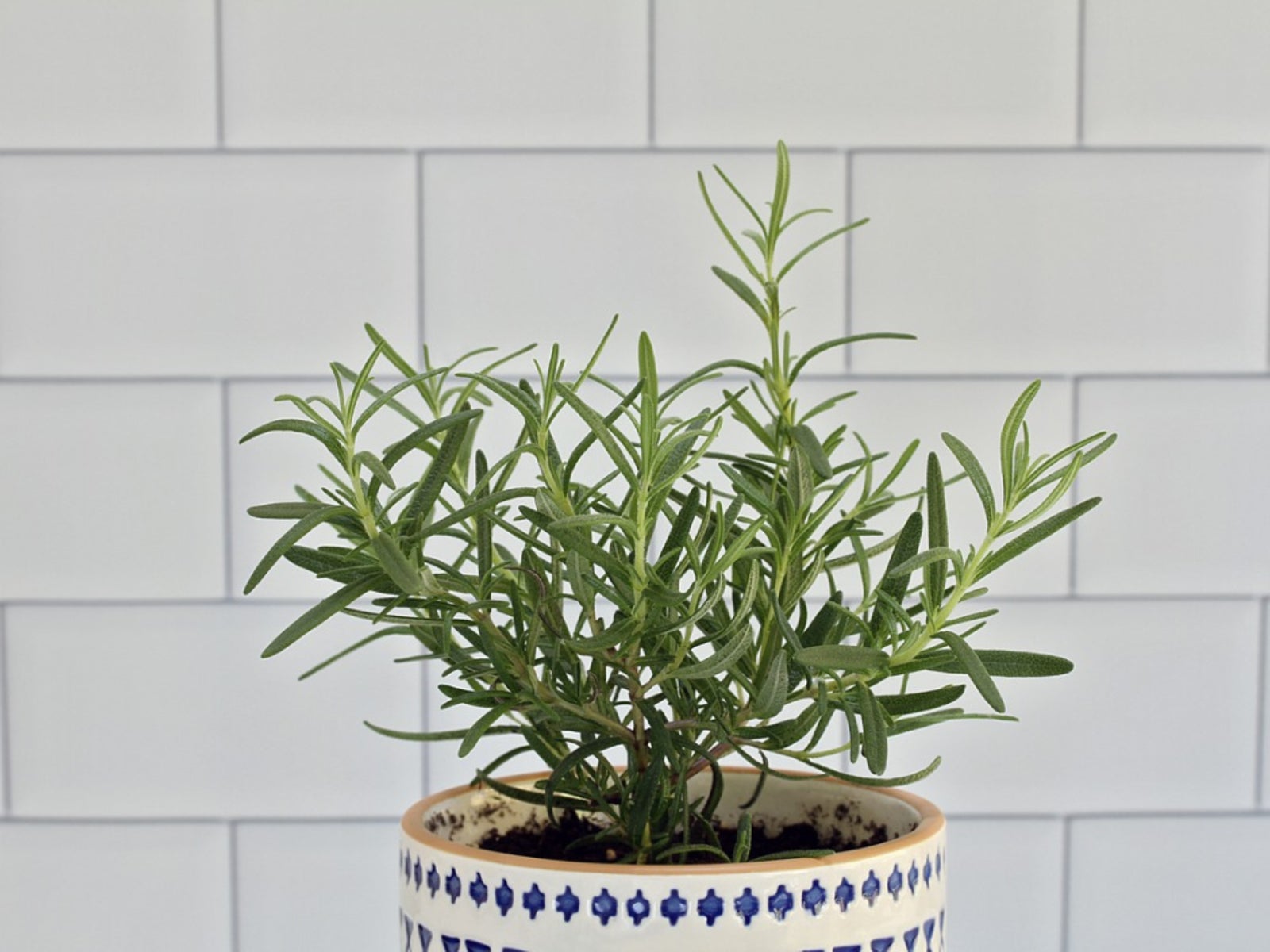
Rosemary is the herb I recommend to people who want something useful for cooking and hair care without a ton of fuss.
A rosemary rinse for your scalp is an old trick that genuinely has some science behind it for circulation.
It wants a sunny spot and soil on the drier side.
The mistake I see constantly is people loving it too much with the watering can. Rosemary would rather be a little neglected than drowned.
Pro tip: Stick your finger in the soil before watering. If it feels even slightly damp, walk away and check again tomorrow.
7. 🌱 Thyme
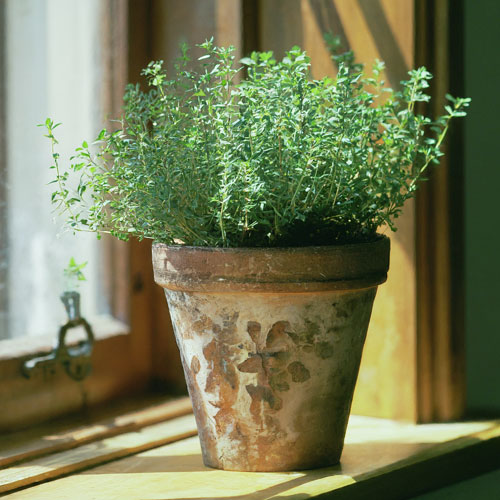
Thyme is tiny, tough, and underrated for sore throats and coughs.
A thyme tea with honey is one of my go-to moves the second a scratchy throat shows up.
It’s a low water, high light herb. Treat it like a desert plant that wandered indoors and you’ll do fine.
Pro tip: Trim it often. Thyme gets woody and bitter if you let it grow unchecked for months.
8. 🍕 Oregano
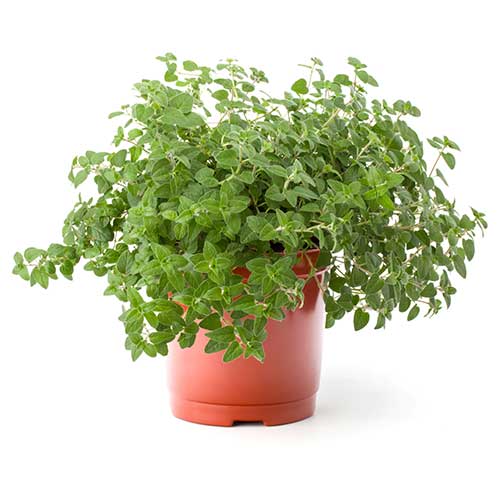
Oregano is mostly known for pizza, but it’s also got real antimicrobial properties that show up in studies on oregano oil.
Growing your own won’t replace medical treatment, but it’s a nice everyday immune-supportive addition to your cooking.
It’s a tough plant. If you’ve struggled with herbs before, oregano is a confidence builder.
Pro tip: The flavor and potency spike right before it flowers. Harvest then, not after.
9. 🌫️ Sage
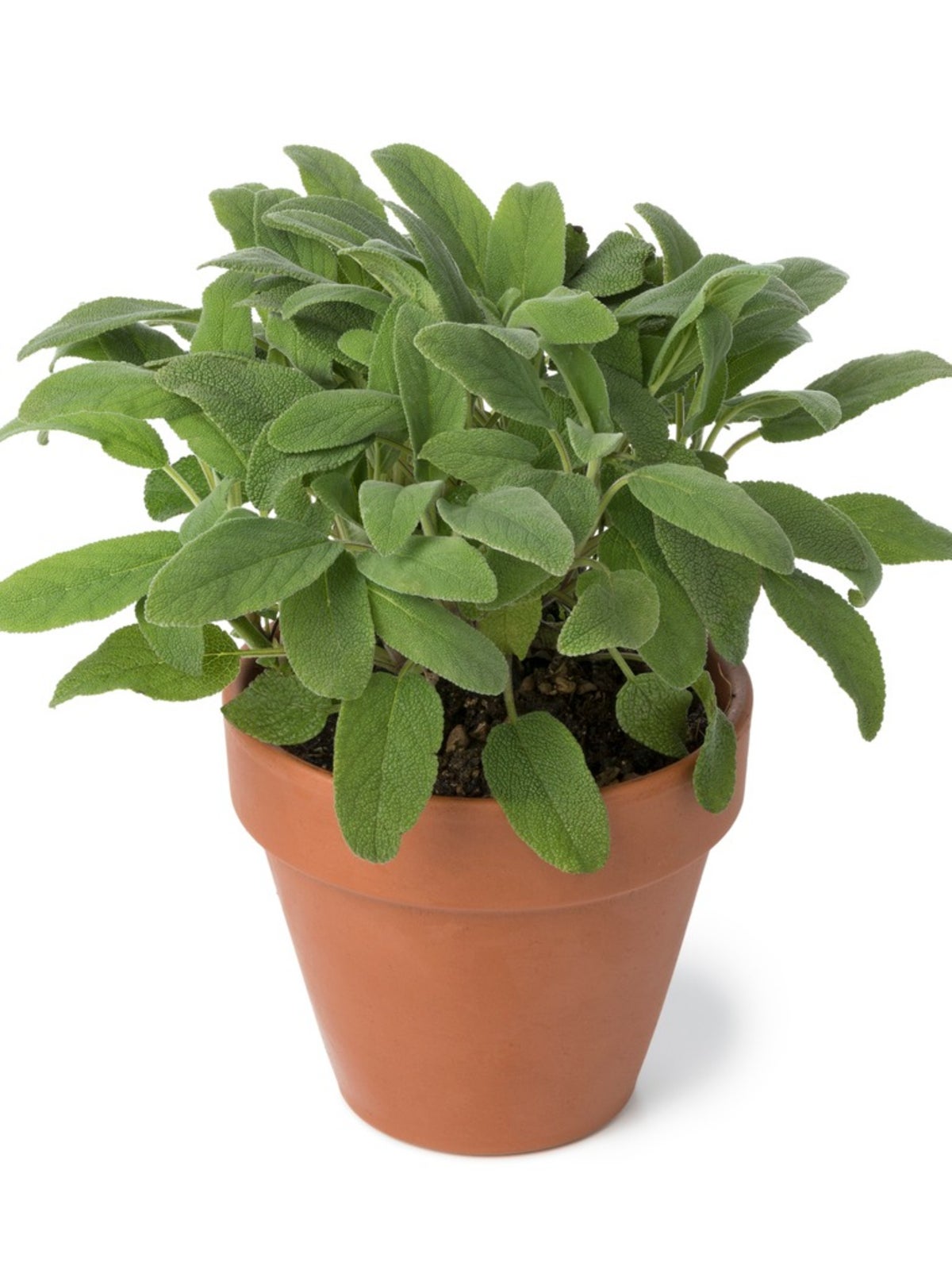
Sage has a reputation for memory and focus support, and there’s enough research on it.
It’s also one of the more dramatic-looking herbs on a windowsill, with that soft silvery green.
It hates wet feet.
If your pot doesn’t drain well, sage will rot from the roots up before the leaves even show distress.
Pro tip: Use a terra cotta pot, not plastic. The extra breathability matters more here than people assume.
10. 🫚 Ginger

Ginger is the unsung hero for period cramps, nausea, and motion sickness.
If you’ve ever sipped ginger tea before a flight or during that first miserable day of your cycle, you already know.
It’s not a windowsill herb in the traditional sense.
You’re growing it from a chunk of root in a deep pot, and it takes patience, sometimes 8 to 10 months before you’ve got a usable harvest.
Pro tip: Buy organic ginger root from the grocery store with little eyes already sprouting. That’s your starting point, no fancy nursery trip required.
11. 🟡 Turmeric

Turmeric is ginger’s cousin and the anti-inflammatory powerhouse everyone’s heard of by now.
Growing it indoors works the same way as ginger, root in soil, lots of patience, decent warmth.
The mistake I see is people expecting fast results.
This is a slow burn project, not a quick win.
Pro tip: Pair it with a pinch of black pepper when you actually use it. It dramatically improves how much your body can absorb.
12. 🟠 Calendula
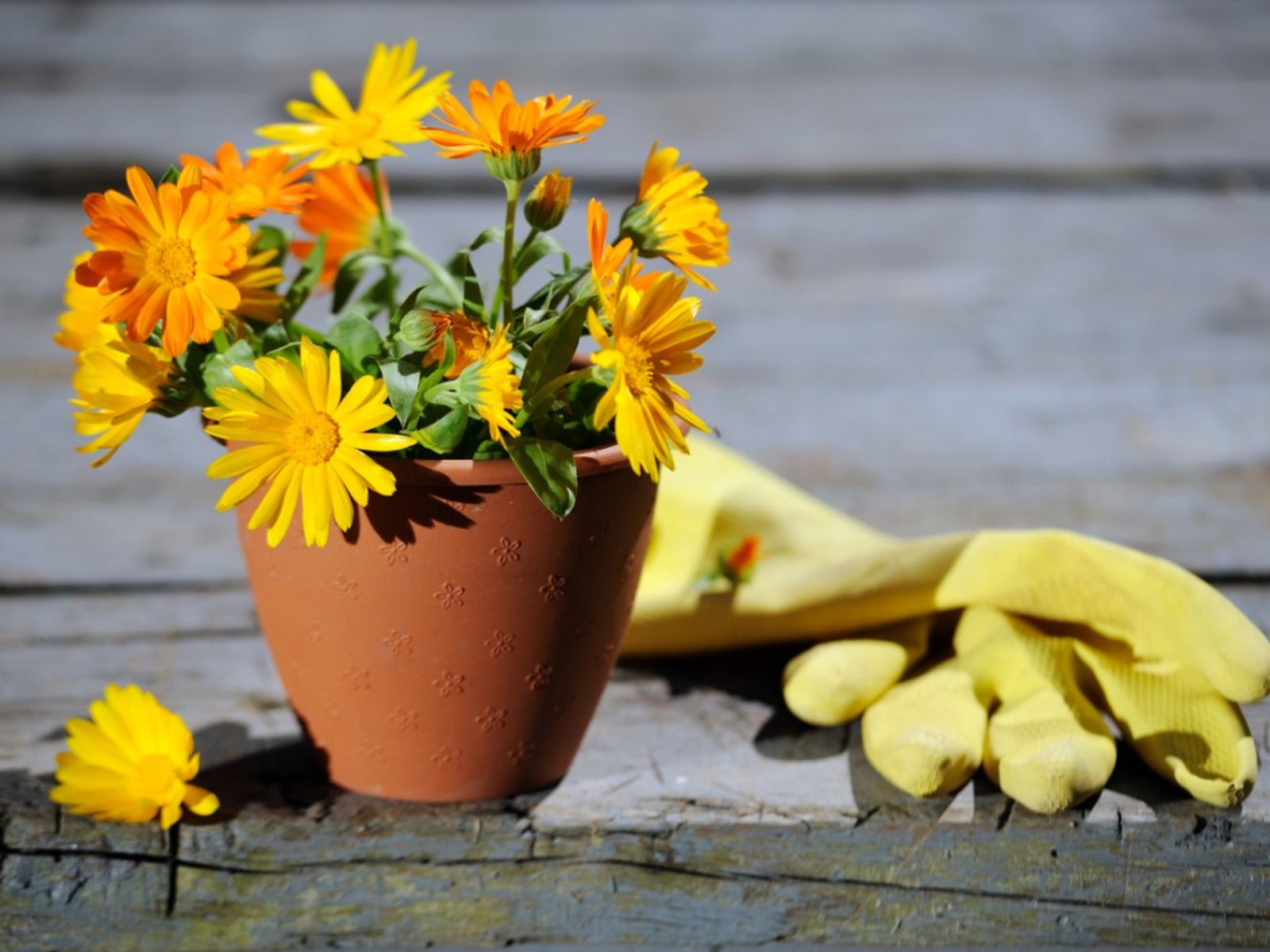
Calendula is criminally underused.
The petals make a gentle, skin-soothing salve that’s great for irritated skin, minor scrapes, or even diaper rash if you’ve got a little one at home.
It wants strong light and isn’t shy about it.
Give it a sunny window and it rewards you with constant blooms.
Pro tip: Pick flowers in the late morning, after the dew dries but before the afternoon heat. That’s when the resin content is highest.
13. 🌸 Echinacea

I’ll be straight with you, echinacea is not the easiest indoor herb.
It’s a prairie plant that wants serious sun and space for its roots, and apartment conditions are a stretch for it.
If you’ve got a bright south window and a deep pot, it’s doable.
If not, you might be better off buying echinacea tincture and putting your energy into easier herbs on this list.
Skip this if: Your indoor light setup is anything less than excellent.
It’s the one I’d cut first if you’re trying to keep things simple.
14. 🌾 Lemongrass

Lemongrass smells like a spa and is genuinely useful for digestion and mild anxiety relief in tea form.
It’s also surprisingly easy once you get a stalk rooted in water first.
It wants heat and humidity, so a steamy bathroom windowsill is not a joke, it’s actually a great spot for this one.
Pro tip: Buy a fresh stalk from an Asian grocery store, root the bottom inch in a glass of water for two weeks, then pot it.
15. 🌼 Fennel

Fennel tea is a classic for bloating, and it’s got a long history of supporting milk supply for breastfeeding moms.
It grows tall, so give it room and don’t crowd it next to your other pots.
Pro tip: The seeds are actually more potent than the leafy fronds for digestive support.
Let a few flower heads go to seed if you want the real medicinal punch.
16. 🌿 Parsley
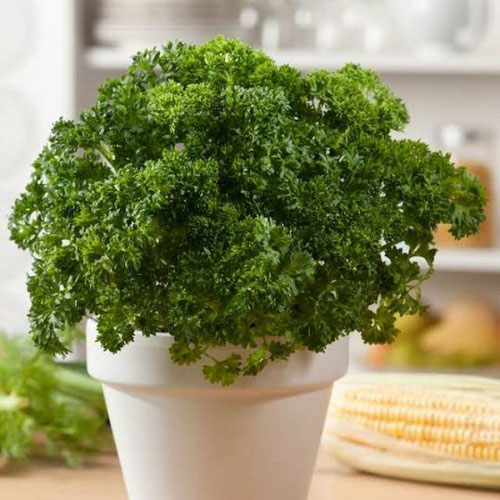
Parsley gets dismissed as a garnish, which drives me a little crazy because it’s loaded with vitamin K and antioxidants that support everything from bone health to fresh breath.
It deserves more respect than the sad sprig on the side of your plate.
It’s slow to germinate from seed, so buy a starter plant if you’re impatient like I am.
Pro tip: Flat-leaf parsley has more flavor and nutrition than curly. Curly is mostly there to look pretty.
17. 🌱 Cilantro
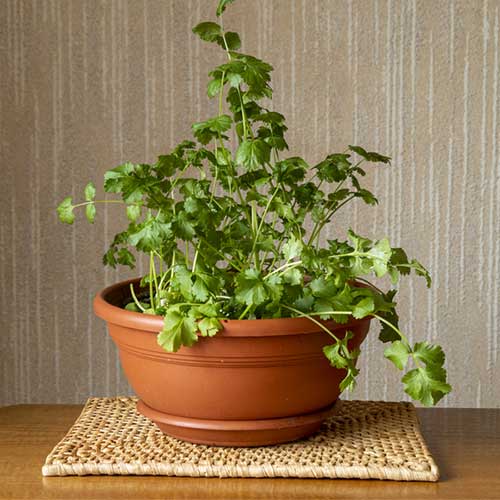
Cilantro is polarizing.
You either love it or you think it tastes like soap, and that’s a real genetic thing, not you being dramatic.
If you’re in the love camp, it’s great for digestion and has some detox-supportive properties.
It’s also fast to bolt and go to seed indoors, so don’t expect it to last as long as other herbs on this list.
Pro tip: Sow new seeds every few weeks instead of relying on one plant to last all season. Cilantro is a sprinter, not a marathoner.
18. 🌿 Sweet Basil
Sweet Basil
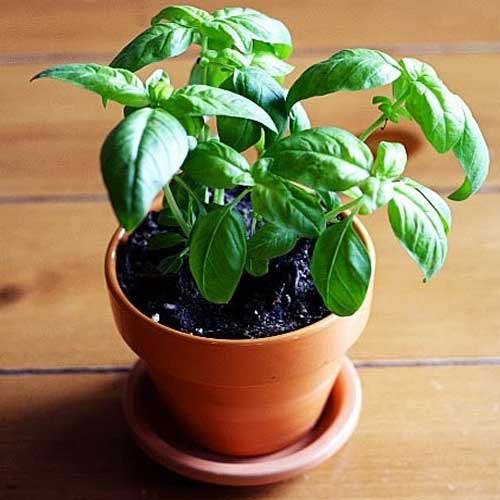
Basil is the gateway herb.
Most people’s indoor herb journey starts here, and for good reason, it’s fast, fragrant, and forgiving.
It’s got mild anti-inflammatory properties, but its real medicine is honestly the joy of having something fresh to throw on pasta.
Don’t underestimate how much that matters for sticking with this hobby.
Pro tip: Pinch off flower buds the moment you see them.
Flowering tells the plant to stop making leaves and start making seeds, which is the opposite of what you want.
19. 🌿 Stinging Nettle
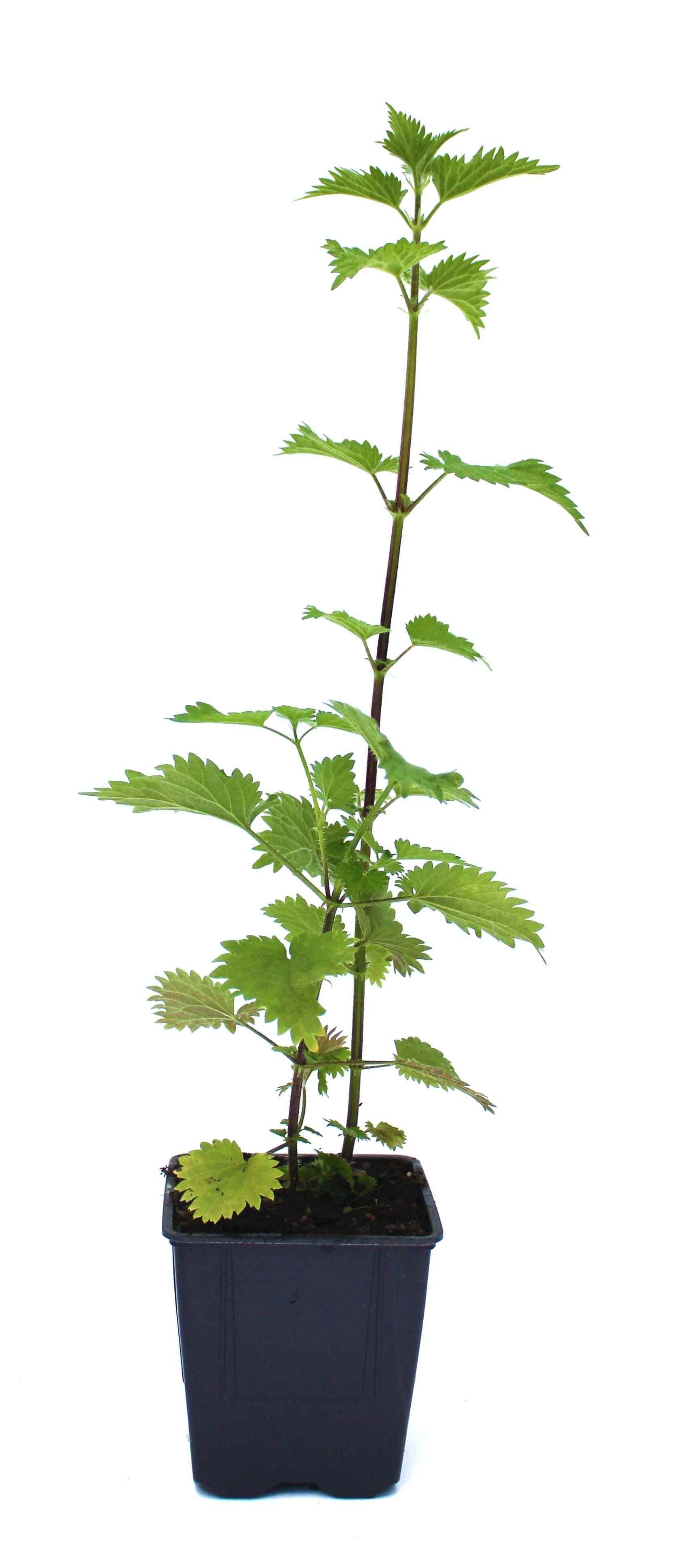
Nettle is a powerhouse for iron, allergies, and hair health, but I want to be upfront that it’s a strange choice for an apartment.
It stings, hence the name, and it can get leggy and unruly indoors without the wind and space it’s used to outside.
If you’re committed to growing it, wear gloves when handling it and keep it somewhere your cat or curious toddler can’t reach.
Skip this if: You’ve got kids or pets who explore with their hands. There are easier ways to get your iron.
20. 🌵 Aloe Vera

Aloe is the one plant on this list that basically takes care of itself, and it earns its spot for sunburns, minor burns, and skin irritation.
Snap off a leaf, slice it open, apply the gel directly, done.
It’s a succulent, so the number one mistake is treating it like your other herbs and watering it too often.
Aloe wants to be ignored for stretches of time.
Pro tip: Water deeply, then don’t touch it again until the soil is completely dry, sometimes two to three weeks.
Overwatering is the only way you’ll really kill this one.
Where to start
Twenty herbs is a lot to take in at once, so if you’re new to this, don’t try to grow all of them on week one.
Start with basil, mint, and rosemary.
They’re forgiving, useful, and will build your confidence before you move on to the pickier ones like lavender or chamomile.
And remember the stress trick from earlier. A few days before you plan to harvest, ease up on the water just slightly and let your plant feel a little tested.
You’ll notice the difference in flavor and potency.
Related Posts: