Best Indoor Herbs for Better House Aesthetics
Last Updated on June 29, 2026 by Duncan
Picking herbs for looks is a completely different game than picking herbs for cooking.
You’re not trying to grow a pesto factory.
You’re trying to grow something that makes your home feel warm, layered, and a little alive.
So let’s get into the herbs that earn their spot on your windowsill, your shelf, or that one corner of your kitchen that’s been begging for something green.
Why herbs beat regular houseplants for this
Houseplants are pretty.
Herbs are pretty AND they smell incredible when you brush past them.
That’s a sensory upgrade your monstera just can’t compete with.
There’s also something satisfying about a plant that has a job.
A fern just sits there looking nice.
A rosemary plant looks nice and then ends up on your roasted potatoes.
Win win.
Be strategic with your herbs
People buy herbs based on what they want to cook, not what they want to look at.
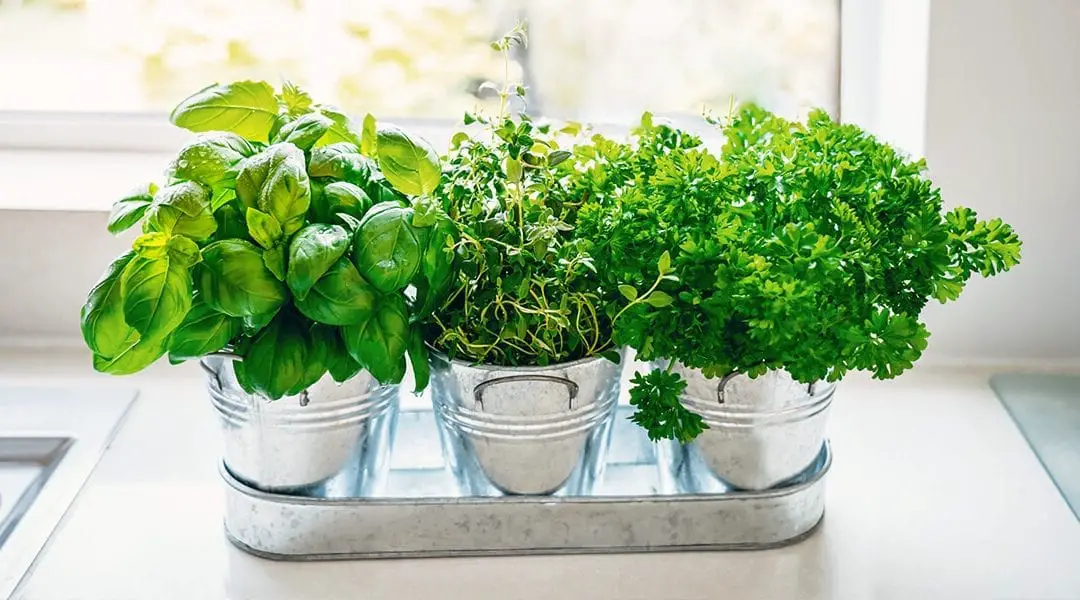
Then they stick five different herbs in identical little pots in a straight line and wonder why it looks like a science fair project instead of a styled shelf.
Here’s my honest opinion.
You need variety in shape, not just variety in species.
One tall and structured plant, one with dramatic color, one soft and trailing.
That combination is what makes a windowsill look intentional instead of accidental.
Best indoor herbs for better house aesthetics
Rosemary
:max_bytes(150000):strip_icc():format(webp)/grow-rosemary-indoors-1902488-01-d35231bd388b4391842b156a12692dd5.jpg)
Rosemary has that architectural, almost sculptural shape that instantly makes a space feel more put together.
It’s the herb equivalent of a statement chair.
Here’s the part people skip.
Rosemary wants bright light and does NOT want to be babied with constant water.
I’ve seen so many beautiful rosemary plants drown because someone was loving them a little too hard.
Give it good light, water it when the soil is properly dry, and it will reward you with that gorgeous upright, almost evergreen look for years.
This one is a long term investment piece, not a seasonal accessory.
Purple Basil
:max_bytes(150000):strip_icc():format(webp)/2-c55af54709b14020b3adfc3c5443b41c.jpg)
If you want something that stops people mid scroll on Pinterest, purple basil is it.
The deep purple, almost black leaves look like something out of a moody Dutch painting.
The fun fact most people don’t know?
That color actually gets deeper and richer when nights are a little cooler and the light is bright.
So a slightly chilly windowsill is doing you a favor here, not hurting your plant.
I once kept a purple basil plant on my kitchen table just because guests kept asking if it was real.
That’s the kind of reaction you want from a plant.
Trailing Mint
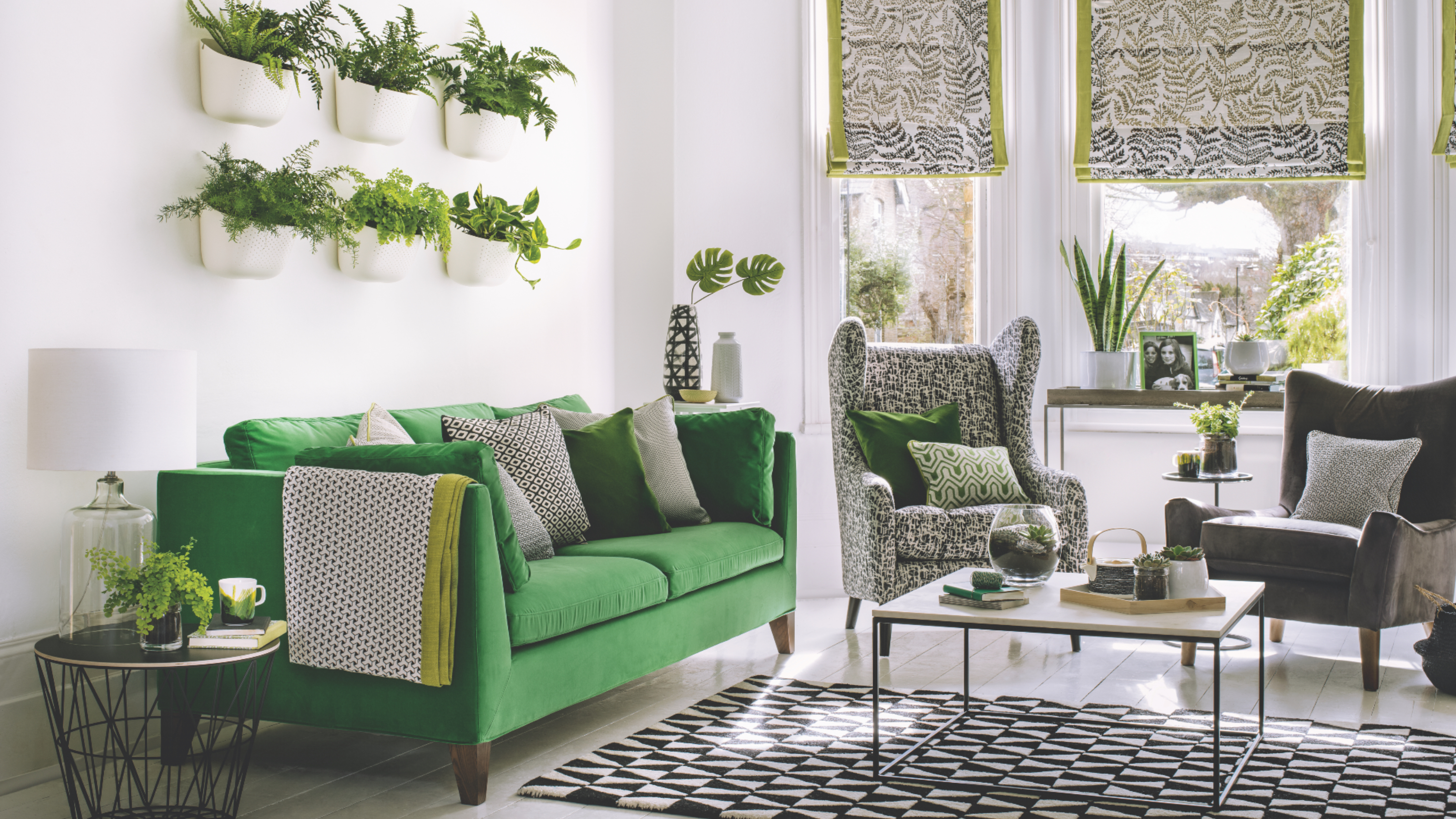
Every styled shelf needs something that spills over the edge.
Mint does this beautifully, and fast.
The catch is that mint is a bit of a bully.
Plant it with other herbs in the same pot and it will slowly take over the whole thing like it owns the place.
Give it its own container and let it trail down a shelf or hang near a window.
Bonus: Your house will smell amazing every time you brush against it. Mojito energy, minus the rum.
Tricolor Sage

Sage doesn’t get nearly enough credit in the looks department.
Tricolor sage specifically has soft, fuzzy, almost velvety leaves in green, cream, and a dusty purple pink.
It photographs beautifully in natural light because of that texture.
It catches light differently than a glossy leaf does, which gives your photos a little extra depth without you doing anything special.
One thing to watch.
If it starts producing plain green leaves with no color pattern, that’s your sage telling you it needs brighter light, not more water.
Don’t ignore that.
Creeping Thyme
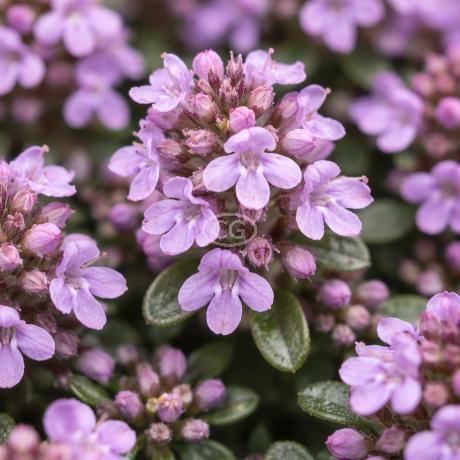
Thyme is tiny, low, and full of little leaves that create this fine, delicate texture.
It’s the herb version of a good throw blanket.
It softens everything around it.
Use it to fill in gaps between your taller, bolder herbs so the whole arrangement feels finished.
It also tolerates a little neglect better than most herbs, which is refreshing.
Lavender
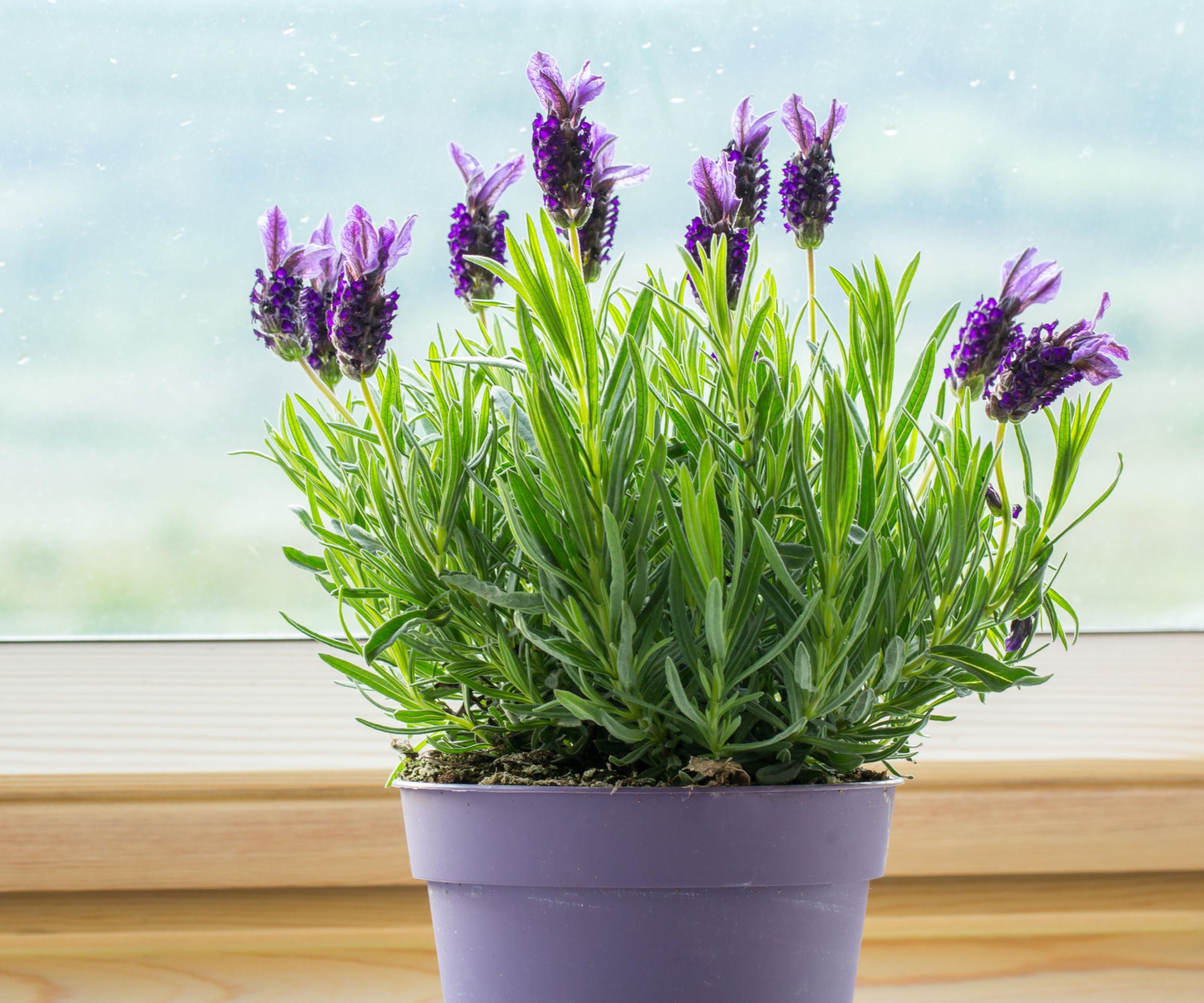
I’m including lavender because it does something none of the others do.
It changes how a room feels, not just how it looks.
That scent is genuinely calming, and having it near a reading chair or your bed makes a noticeable difference in how relaxed that corner of your home feels.
It’s not just decoration, it’s basically aromatherapy you don’t have to plug in.
Lavender wants more direct sun so a dim corner will leave it leggy and sad looking, so give it your brightest spot if you want that compact, full shape.
Chives
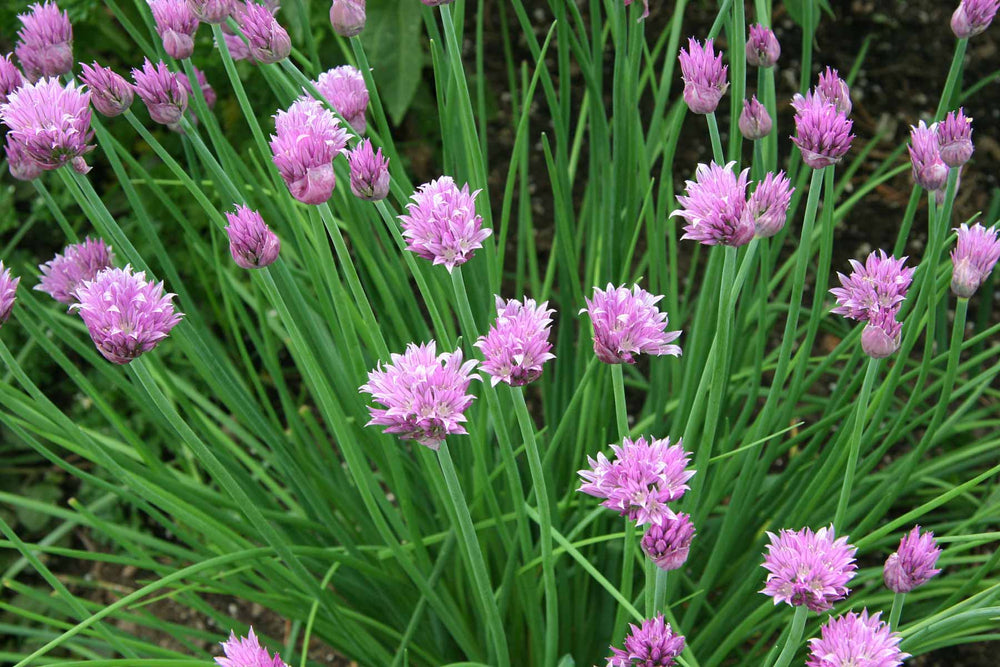
Chives give you these thin, upright, almost grass like blades that add height without taking up visual space.
They’re subtle but they do a lot of work in a small footprint.
If you want something tall looking on a narrow windowsill where a bushy plant won’t fit, chives are your answer.
How to arrange your herbs for the best effect
:max_bytes(150000):strip_icc():format(webp)/terracotta-5cd2f5750e514ef9a051f1a694ada012.jpg)
Here’s the framework I use with and it works every single time. Think in three layers.
One anchor plant: Something structured and slow growing, like rosemary or bay. This is your visual backbone and it won’t change much over time.
One or two showstoppers: Purple basil or tricolor sage. These bring color and personality and they shift with the light throughout the day, which keeps things interesting.
One filler: Thyme or a trailing herb. This softens the gaps and makes the whole grouping feel cohesive instead of like three random pots that ended up next to each other.
Group them close together, just a few inches apart.
This isn’t only for looks.
Plants release moisture into the air around them, and clustering them creates a little humidity bubble that genuinely helps them stay healthy and full looking.
Don’t mist your herbs

Misting your herbs daily feels productive but it barely does anything for humidity and it can actually cause spotting on soft leaves like basil.
Skip the spray bottle theater.
What works instead is grouping plants together like I just mentioned, and watering the soil properly instead of just the leaves.
This is what makes the difference between herbs that look perpetually fresh and herbs that look perpetually tired.
Rotate the herbs
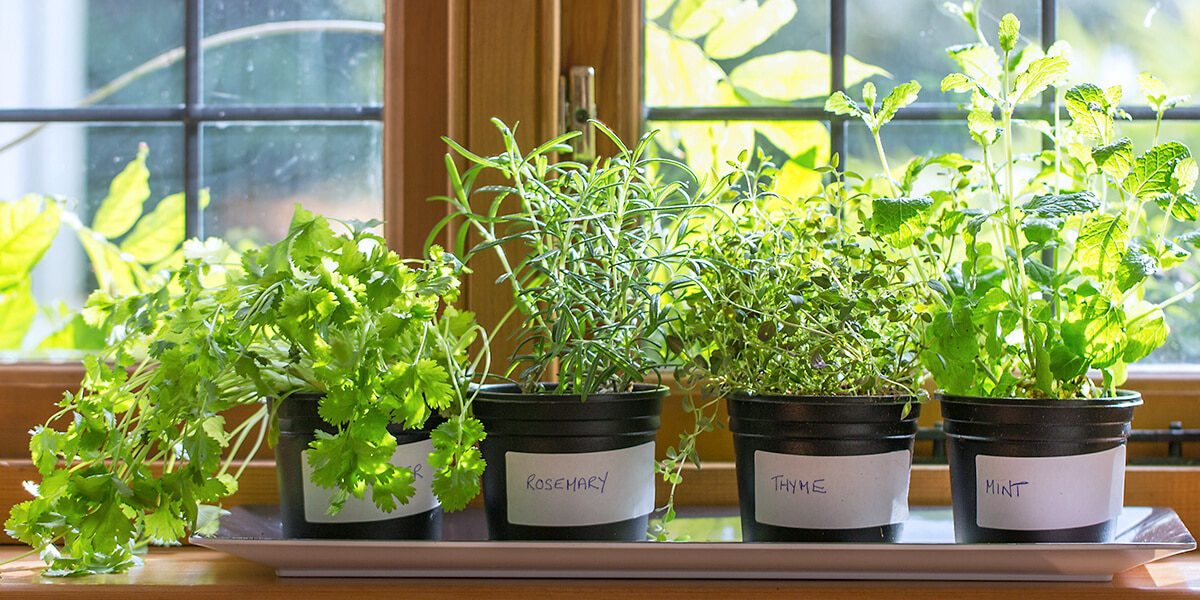
Rotate your herbs every few days.
A quarter turn, that’s it.
Plants lean toward their light source, and if you never rotate them, you end up with a lopsided, one sided plant that looks great from one angle and sad from every other angle.
I tie this habit to trash day so I actually remember to do it.
You can do the same if you are fond of forgetting about it.
Watch out the pot you put your herbs
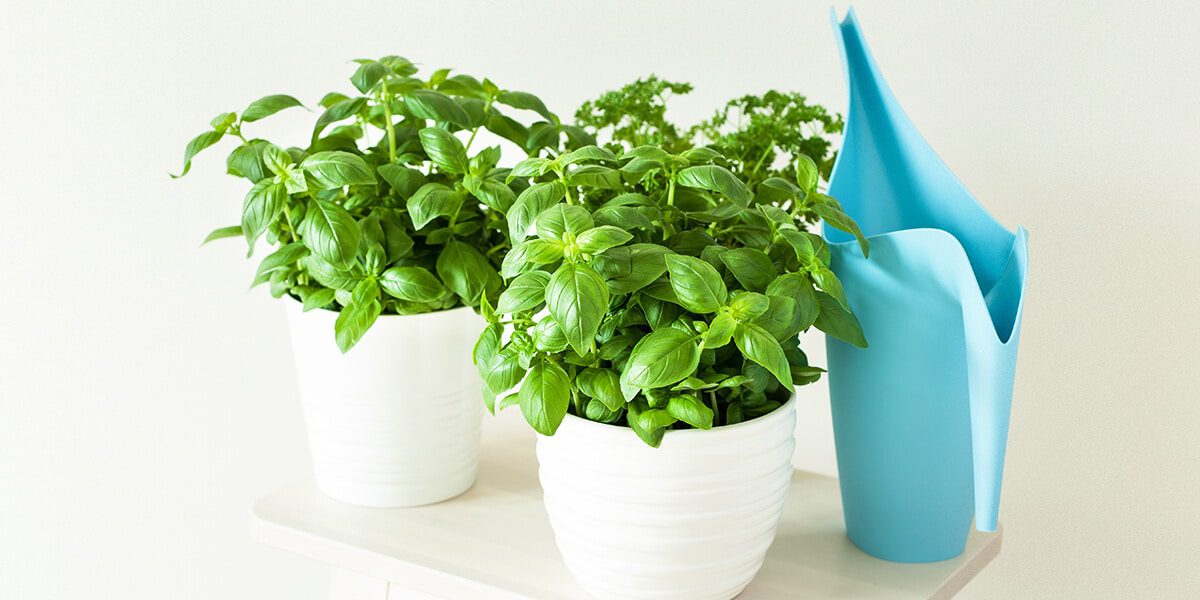
Terra cotta looks gorgeous but it dries out fast, which means more wilting and recovering cycles that make your herbs look inconsistent.
Glazed ceramic holds moisture more evenly and keeps that lush, photo ready look more consistent day to day.
If you love the terra cotta look, use it as a cachepot and slide a plastic nursery pot inside.
You get the aesthetic without the constant drying out drama.
Parting shot
The best indoor herbs for aesthetics aren’t just the prettiest ones in isolation.
They’re the ones that work together in shape, color, and texture, placed where the light supports them.
Pick one anchor, one showstopper, one filler.
Cluster them.
Rotate them.
Water the soil, not the leaves.
Do those four things and your windowsill will look like it belongs in a magazine.
FAQs
What herbs make your house smell good?
Mint, lavender, and rosemary are the heavy hitters here.
Mint gives off that fresh, almost candy like scent the second you brush past it.
Lavender smells soft and calming, the kind of scent that makes you want to slow down.
Rosemary smells woodsy and a little sharp, like a spa that takes itself seriously.
Basil deserves a mention too.
It has this peppery, slightly sweet smell that somehow makes a kitchen feel like someone is always about to cook something good.
Which herbs do well indoors?
Rosemary, thyme, mint, chives, and sage are your most forgiving options.
They tolerate a range of light conditions and don’t fall apart if you forget to water them for a few days.
Basil is the diva of the group.
It wants more light and more consistent care, so treat it like the high maintenance friend you love anyway.
What are the five power herbs?
This is my personal lineup, the five I’d put in almost any home.
- Rosemary for structure and that expensive looking shape.
- Purple basil for color drama.
- Mint for scent and that lush trailing look.
- Lavender for mood and calm.
- Sage for texture and that soft, velvety detail nothing else gives you.
Together they cover every base.
Shape, color, scent, mood, and texture, all in five little pots.
What herbs are best for beauty?
Rosemary has had a huge moment for hair, with rosemary water being used as a rinse for scalp health and shine.
Lavender shows up constantly in skincare for its calming, soothing reputation, especially in products meant for sensitive or irritated skin.
Mint is great for a quick cooling effect, which is why you’ll see it in face mists and toners.
Even just having these plants around and using fresh leaves in a homemade rinse or steam feels like a small luxury you grew yourself.
What herbs make you happier?
Lavender is the obvious one for calm, slow down energy.
But mint and basil are underrated for the opposite effect, that brighter, more energized feeling, almost like a scent version of opening the curtains on a sunny morning.
Rosemary tends to land somewhere in the middle.
It’s grounding without being sleepy, which makes it a nice scent to have around during a long work day.
Which herb is good for mental clarity?
Rosemary and mint are the two herbs people have leaned on for focus and alertness for centuries, and there’s a reason that tradition stuck around.
Both have a sharp, clean scent that seems to cut through mental fog in a way softer scents just don’t.
Keep a rosemary plant near your desk or workspace if you want a low effort way to freshen up the air while you work.
Brushing the leaves before a call or a deadline crunch is a small ritual, but it works.
Related Posts: