Can You Wear AirPods While Mowing? (What You Need to Know First)
Last Updated on May 5, 2026 by Duncan
Experts recommend wearing dedicated lawn mowing headphones when operating a lawnmower — but not everyone has a pair on hand, and not everyone wants to spend extra money on specialist gear.
So the question I hear constantly from fellow lawn care enthusiasts is: can you just use your AirPods instead?
I tested this myself over several mowing seasons. My short answer: yes, you can wear AirPods Pro while mowing, and they do a reasonable job — but there are important limitations you need to understand before relying on them as your only ear protection.
Here’s everything I know.
Quick Answer: Can You Wear AirPods While Mowing?
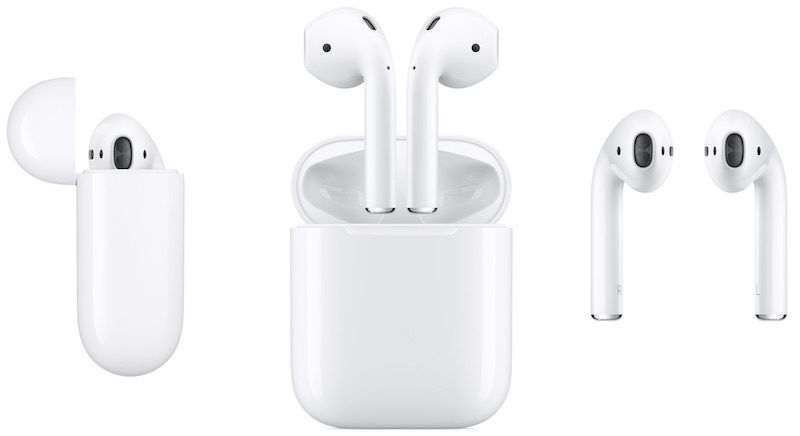
Yes — but only AirPods Pro or AirPods Max, not standard AirPods. AirPods Pro and AirPods Max include Active Noise Cancellation (ANC), which reduces external noise by up to 30 decibels.
According to Apple, this is enough to reduce city traffic to a bare murmur and cut high-pitched sounds to soft, low-pitched sounds. A standard residential gas lawnmower produces 85–95 dB of noise.
With ANC active, AirPods Pro bring that down to a range of 55–65 dB — below the level that causes hearing damage with prolonged exposure.
Standard AirPods (1st, 2nd, and 3rd generation) do not have ANC. They rely entirely on passive isolation from the earbud shape, which is minimal. Standard AirPods are not adequate ear protection for mowing.
| AirPods Model | ANC | Suitable for Mowing? | Notes |
|---|---|---|---|
| AirPods (1st/2nd/3rd gen) | No | Not recommended | No noise isolation — requires dangerous volume levels to hear music |
| AirPods Pro (1st/2nd gen) | Yes (~30 dB) | Yes, with care | Best balance of convenience and protection for light-to-medium mowing |
| AirPods Max | Yes (~30 dB) | Yes, with care | Over-ear design adds passive isolation; heavier and more expensive |
How to Use AirPods for Maximum Lawnmower Noise Protection
Getting the most out of AirPods while mowing comes down to two things: physical fit and the correct noise control mode.
I learned this the hard way — the first time I tried mowing with my AirPods Pro, I had the wrong ear tips in, and the noise bleed was significant enough that I kept cranking the volume. Once I sorted the fit, the experience improved dramatically.
Step 1: Ensure the AirPods Fit Properly
This is the single most important factor. No amount of active noise cancellation makes up for a poor physical seal. If the ear tip doesn’t form a tight seal in your ear canal, lawnmower noise bypasses the ANC system entirely and pours straight in.
AirPods Pro come with three silicone ear tip sizes: small, medium, and large.
Most people assume medium is correct and never test the others — which is a mistake. I personally use a small tip on my left ear and a medium on my right. Different ears genuinely need different sizes.
How to Run the Ear Tip Fit Test
- Insert your AirPods Pro into your ears.
- On your iPhone or iPad, go to Settings → Bluetooth.
- Tap the info (ⓘ) button next to your AirPods Pro.
- Tap Ear Tip Fit Test. (If this option doesn’t appear, update your iOS to version 13.2 or later.)
- Tap Continue, then tap the Play button.
- If the result suggests adjusting or changing your ear tip, swap to a different size and repeat the test.
To remove an ear tip: pinch it firmly at the base where it connects to the AirPod and pull. To attach a new tip: align the oval opening of the tip with the oval connector on the AirPod and press until you hear or feel it click into place.
Once you find a tip size that passes the fit test, the ANC performance improves noticeably — in my experience, the difference between a well-fitting and a poorly-fitting tip is easily 10–15 dB of additional noise reduction.
Step 2: Choose the Right Noise Control Mode
AirPods Pro and AirPods Max have three noise control modes. Understanding when to use each one is important for both hearing safety and situational awareness while operating a mower.
Active Noise Cancellation (ANC)
An outward-facing microphone detects external sounds. The AirPods generate an equal and opposite sound wave (“anti-noise”) to cancel those sounds before they reach your ears.
A second inward-facing microphone also listens inside the ear canal to cancel any noise that slips past the ear tip seal.
This is the mode to use when mowing. It provides the greatest protection against lawnmower drone and high-frequency engine noise.
Transparency Mode
Transparency mode uses the microphones to let outside sound in while you listen to audio. This mode is designed for situations where you need to hear your environment — crossing a road, speaking to someone.
Do not use Transparency mode as your primary mode when mowing — it allows lawnmower noise through at full or near-full volume, which defeats the purpose of wearing any ear protection at all.
Off (Noise Isolation Only)
With ANC and Transparency both off, AirPods Pro still provide some passive isolation from the silicone seal — roughly 10–15 dB depending on fit.
This is better than nothing, but not adequate for gas mowers. Reserve this mode for very quiet electric mowers where noise levels are below 75 dB.
How to Switch Between Modes
- On AirPods Pro: Press and hold the force sensor on the stem until you hear a chime.
- On iPhone/iPad: Open Control Center and long-press the volume slider, then tap the ANC icon at the bottom left.
- On Apple Watch: Open the Now Playing app and tap the ANC icon.
- For a full guide, see Apple’s official noise control guide and this detailed walkthrough from 9to5Mac.
When to Layer AirPods with Ear Defenders
AirPods Pro reduce noise by approximately 30 dB. A residential gas mower produces roughly 85–95 dB. That brings the effective exposure down to 55–65 dB — safe for extended use.
However, if you use a commercial-grade or older gas mower producing above 95 dB, the math changes. In that case, I recommend placing a pair of inexpensive passive ear defenders over the AirPods.
This sounds counterintuitive, but it works: the AirPods handle ANC and music delivery while the ear defenders add another 20–30 dB of passive attenuation.
The combination brings even the loudest mowers down to safe levels.
I’ve done this on a few occasions when helping a neighbor clear a large lot with an older commercial walk-behind mower.
The combination is bulkier but effective, and the AirPods still pair fine through the ear defenders.
Are AirPods Safe for Mowing? Understanding the Hearing Risk
Hearing safety comes down to one core principle: sustained exposure above 85 decibels causes permanent hearing damage.
The louder the noise, the less time it takes for damage to occur. At 85 dB, you have up to 8 hours of safe exposure. At 94 dB (a typical gas mower), that window shrinks to just one hour.
The risk with AirPods — any earbuds, really — is the tendency to raise the volume to compensate for noise bleed.
If you’re pushing the volume to 80–90% to hear music over a mower, the combined noise level at your eardrum can exceed 100 dB even if the ambient reading is under the danger threshold.
This is why fit matters so much: a good seal reduces the temptation to crank volume.
A practical rule I follow: if you can’t hold a conversation at a normal speaking volume while wearing AirPods and listening to music during mowing, your volume is too high. Turn it down and improve the seal instead.
There is also a safety awareness consideration: ANC eliminates a significant amount of environmental sound, which is the point — but it also means you may not hear someone calling out, a child or pet entering the mowing area, or an equipment alert.
I always do a visual sweep of the lawn every few passes when mowing with full ANC engaged. It takes five seconds and prevents accidents.
How to Get the Most from Your AirPods While Mowing
Store AirPods Properly Between Sessions
Lawn care is hard on small electronics. Grass clippings, moisture from sweat, and dust from dry conditions all find their way into AirPod speaker grilles and charging contacts.
My routine after every mowing session: wipe each AirPod with a dry microfiber cloth, check the grilles for debris (a soft dry toothbrush works well), and return them to the case immediately.
Never leave them on a surface near the mower — vibration from running equipment can knock them to the ground.
The charging case is also your best protection against loss. An AirPod that falls unnoticed into tall grass during mowing is almost impossible to recover.
Get into the habit of opening the case, placing both AirPods in, and snapping it shut before you move to the next section of lawn.
Use Headphone Accommodations for Clearer Sound at Lower Volumes
AirPods Pro include a feature called Headphone Accommodations that processes audio to boost softer sounds and specific frequencies — effectively making music clearer without increasing overall volume.
This is useful for mowing because it means you can hear your music at a lower, safer volume level.
How to enable it (requires iOS 14 or later):
- Go to Settings → Accessibility → Audio/Visual → Headphone Accommodations.
- Toggle the switch to On.
- Tap Play Sample to hear your audio in real time.
- Adjust the tuning sliders until the sound is balanced and clear.
- Enable Boost Softer Sounds if vocals or details feel buried.
I enabled this feature on my own AirPods Pro and was able to drop my listening volume from around 65% to 45% while mowing — the music remained just as clear, and I was well inside the safe exposure range for my session length.
Set a Volume Limit as a Safety Backstop
iPhone and iPad allow you to set a hard volume limit so you cannot accidentally push into dangerous levels. Go to Settings → Sound & Haptics → Headphone Safety and enable Reduce Loud Audio.
You can set a maximum decibel level (85 dB is the recommended ceiling for extended sessions). The device will alert you if your average listening level is approaching unsafe levels over a 7-day period.
Should You Replace Dedicated Mowing Headphones with AirPods?
This is the question I get most often, and the honest answer is: no, AirPods should not replace dedicated lawn mowing headphones for most people — but they’re a perfectly acceptable substitute when used correctly.
Here’s why dedicated mowing headphones are still the better choice for regular use:
- Noise reduction rating (NRR): Purpose-built mowing headphones can carry NRR ratings of 25–30 dB through passive attenuation alone, without requiring any electronics. Some industrial ear defenders reach 30–33 dB NRR. AirPods Pro achieve a similar 30 dB reduction, but only when the ANC is functioning, the battery is charged, and the fit is correct.
- Reliability: Mowing headphones have no battery to die, no firmware to update, and no fit test to pass. You put them on and they work.
- Durability: AirPods Pro are precision electronics that cost $250+. Dropping one into a mowing deck or losing one in long grass is a painful and expensive outcome. A pair of ear defenders costs $20–$40 and survives real outdoor abuse.
- Cost of loss: One lost AirPod costs more than most dedicated mowing headphones.
When AirPods are a reasonable choice for mowing:
- You already own AirPods Pro and don’t want to buy a separate pair of headphones.
- You’re mowing a small, flat lawn with a relatively quiet mower (under 90 dB).
- You’re doing a short session (under 60 minutes).
- You combine them with passive ear defenders for older or louder mowers.
For anyone mowing regularly with a gas mower, I still recommend investing in a proper pair. See our guide to the best headphones for mowing the lawn for vetted options across all price ranges.
Frequently Asked Questions
Do regular AirPods (non-Pro) work for mowing?
No — standard AirPods (1st, 2nd, and 3rd generation) do not have Active Noise Cancellation. Without ANC, they provide almost no protection against lawnmower noise.
To hear music over the mower, most users end up raising the volume to dangerous levels. Standard AirPods are not a safe choice for mowing.
Can AirPods Pro fully block lawnmower noise?
Not completely. AirPods Pro reduce noise by approximately 30 dB. A standard gas mower at 90 dB becomes approximately 60 dB at your ears — which is safe for extended sessions.
However, they will not achieve the same total isolation as dedicated over-ear industrial hearing protection.
Can sweat damage AirPods while mowing?
AirPods Pro (1st and 2nd generation) carry an IPX4 water-resistance rating, meaning they are resistant to splashing water and sweat from most directions.
They are not waterproof and should not be submerged. For typical summer mowing sessions, sweat is unlikely to cause damage if you dry them after each use. Avoid mowing in heavy rain.
Will AirPods fall out while mowing?
AirPods Pro are more secure than standard AirPods because the silicone tips grip the ear canal.
However, vigorous movement, heavy sweating, or the wrong ear tip size can cause them to loosen. If you find them shifting during mowing, try a larger ear tip size or add a pair of earbud wings for extra retention.
Losing an AirPod into tall grass is a real risk — always check that both are seated before starting the mower.
Is it safe to wear AirPods and mow at the same time from a situational awareness perspective?
This is a genuine concern. Full ANC eliminates much of the environmental audio cues you’d normally rely on — you may not hear a child, pet, or bystander entering the mowing area.
I always do a visual sweep of the full lawn before starting and check surroundings every few passes.
Never rely on hearing alone to keep the mowing area clear. ANC adds risk in this regard, which is one more reason dedicated outdoor headphones with adjustable transparency are preferable for families with children or pets.
Can I use AirPods with a riding mower?
Yes, with caveats. Riding mowers typically produce 90–95 dB. AirPods Pro at 30 dB reduction will bring that to 60–65 dB — within a safe range.
The larger practical concern with riding mowers is vibration: the constant seat and handle vibration can work AirPods loose over time.
Check fit frequently, and consider combining AirPods with passive ear defenders for older, louder riding mowers.
What’s the best alternative if I don’t want to use AirPods for mowing?
Dedicated noise-cancelling headphones designed for outdoor and lawn use offer better protection, durability, and battery independence.
Our top recommendations are the best headphones for cutting grass — including options from COWIN, Bose, and Sony at various price points.
For pure hearing protection without music, passive ear defenders from 3M or Peltor are inexpensive and highly effective.
Related Reading
- 6 of the Best Headphones for Mowing the Lawn
- 5 Best Headphones for Cutting Grass (Tested & Reviewed)
- Should You Wear Headphones While Mowing the Lawn?
- Is It Safe to Wear Headphones While Mowing?
- How Can I Listen to Music While Mowing?
- Best Radio Headphones for Lawn Mowing
- 6 Situations That Will Damage Your Ears
Related Posts: