How to Get Earbuds to Stay In: A Complete Guide
Last Updated on May 24, 2026 by Duncan
Earbuds fall out because of ear canal size, earwax buildup, or jaw anatomy not because you’re doing something obviously wrong.
The most effective fixes are trying different tip sizes, learning the correct insertion technique (including the lobe tug and ear pull methods), and for persistent cases investing in ear hooks or custom-molded earbuds.
Most people solve the problem with a tip swap alone.
I mow my lawn every week and spend hours outdoors gardening. Earbuds are how I get through it without losing my mind to silence.
But for a long stretch in my mid-twenties, I went through three different earbud pairs convinced they were defective every one of them popped out within minutes of bending down or turning my head.
Turns out it wasn’t the earbuds. It was me: I was wearing them on the wrong sides, with the wrong tip size, using no insertion technique at all.
Once I understood why earbuds fall out and how ear anatomy actually works, the problem disappeared almost overnight. This guide is everything I wish I’d read back then.
Why Earbuds Fall Out
Understanding the cause is half the solution. There are three main reasons earbuds don’t stay in place.
1. Wrong Earbud Size
The most common reason earbuds fall out is a size mismatch between the earbud tip and the ear canal. Despite being marketed as “one size fits all,” earbuds interact with ear canals that vary significantly in size and shape from person to person.
When the ear canal is too large, there is nothing for the earbud to press against as the tip sits loosely and falls at the first movement. When the canal is too small, the earbud cannot seat deeply enough to hold, so it sits at the entrance and pops out easily.
The good news is that most earbuds now ship with small, medium, and large tip options, and aftermarket tips are widely available. Starting with medium and working up or down is the fastest way to find your fit.
2. Earwax Buildup
Earwax accumulation in the canal can prevent earbuds from seating properly, even if the same pair fit well before.
If your earbuds used to fit correctly but have started falling out more frequently, this is worth checking. Remove the earbuds and look at the tips if they are visibly coated in wax, the canal likely has enough buildup to alter the fit.
Ears are largely self-cleaning, and most people do not need to intervene. But if the buildup feels excessive or is affecting your hearing alongside your earbud fit, a professional ear cleaning (irrigation or microsuction from a doctor or audiologist) can restore normal canal shape and dramatically improve earbud retention.
Never use cotton swabs to attempt this yourself they tend to push wax deeper.
3. Ear Canal Shape and Jaw Proximity
Some people’s ear canals sit very close to the temporomandibular joint the jaw hinge which means chewing, talking, or swallowing physically reshapes the ear canal and dislodges the earbud.
This is a structural anatomy issue, not something you can easily change. If your earbuds stay in fine when you’re still but fall out the moment you start talking or eating, jaw proximity is almost certainly the cause.
The solutions for this group are different: ear hook accessories, over-ear earbud designs, or custom-molded earpieces that conform to the canal shape regardless of jaw movement.
I have a friend who had this problem for years before an audiologist identified it. He switched to earbuds with over-ear stabilizers and hasn’t had a fallout issue since.
How to Get Earbuds to Stay In
Once you know why they’re falling out, the fix becomes much clearer. Here are the methods that work, in order of what to try first.
Try Different Tip Sizes — Starting With Medium
When testing earbuds, always begin with medium tips and work outward based on feel don’t guess your size.
Most earbuds now ship with three tip sizes for exactly this reason. The correct tip should create a gentle but noticeable seal when inserted you’ll hear a slight reduction in ambient noise, and the tip shouldn’t feel loose or require active pressure to stay in.
To test fit properly: grip your earlobe and pull it gently toward the back of your head. This opens the canal slightly wider.
Insert the earbud, then shake your head and move around. If it stays comfortable and sealed, you’ve found your size. If it feels forced or still pops out, try the next size down.
When I finally did this properly after months of fighting with the default medium tips I found I needed small tips in my left ear and medium in my right. Asymmetrical ear canals are more common than most people realize.
Wear Them on the Correct Side
Wearing the right earbud in the left ear (or vice versa) is one of the most overlooked causes of poor fit and constant fallouts.
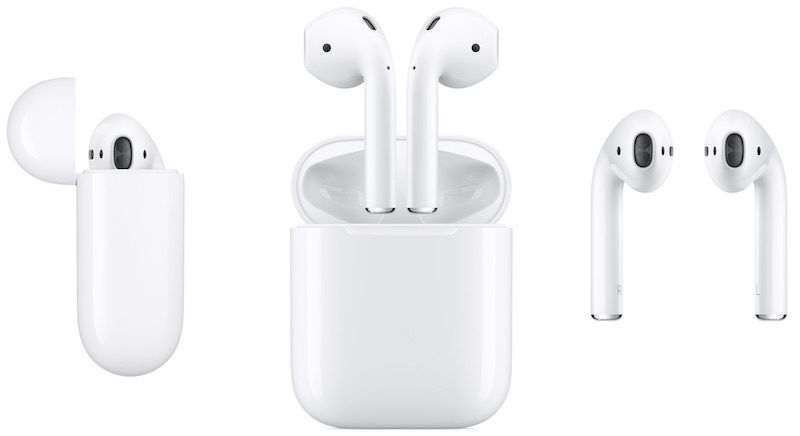
Most earbuds are shaped with a slight angle or contour designed for a specific ear. The L and R markings exist for a reason an earbud worn on the wrong side will angle away from the canal wall rather than into it, making a proper seal nearly impossible.
I made this mistake constantly when I first started using wireless earbuds. The R marking was tiny and I ignored it. Once I paid attention to which side each bud was designed for, the fit improved immediately.
Use the Correct Insertion Technique
Technique matters more than most people expect. There are three methods worth knowing:
Standard insertion: Push the earbud gently but firmly into the canal. When you hear ambient noise reduce noticeably, the seal is correct. If the tip feels loose, the canal isn’t sealed.
The lobe tug: Insert the earbud, then gently tug the earlobe downward and outward while pushing the earbud slightly deeper. Release the lobe.
This technique opens the canal briefly and allows the tip to seat more completely it is particularly effective for people with narrow canals.
The ear pull: Before inserting, reach your opposite hand over your head and gently pull the ear upward. Then insert the earbud and release. This straightens the ear canal and makes insertion easier and more secure.
If your earbuds use silicone or flanged tips, try moistening the tip slightly before insertion. This improves the seal against the canal wall and reduces the friction that can pop them loose during movement.
Consider Noise-Canceling Headphones Over Earbuds
If standard earbuds consistently fail to stay in during active use, wearing noise-canceling headphones over your earbuds is a practical interim solution.
Noise-canceling headphones hold the earbuds in position physically, keeping them from falling regardless of movement. For lawn mowing and outdoor work specifically, this combination also provides better hearing protection than earbuds alone.
I used this setup for a full season while I figured out my correct earbud fit it worked reliably.
Invest in Custom-Made Earbuds
For persistent fit problems that no standard tip or technique resolves, custom-molded earbuds are the most effective permanent solution.
An audiologist takes an impression of your ear canal and creates earpieces that match your exact anatomy. The result is an earbud that fits so precisely it cannot fall out under normal use they stay in place during running, jumping, and heavy outdoor work.
Custom earbuds typically replace the rubber tips of your existing earbuds with foam or silicone domes made to your ear’s shape.
The cost is higher than off-the-shelf options, but for anyone who has spent years fighting with earbuds, the investment pays off quickly in frustration avoided.
Tips for Getting the Most From Your Earbuds
Getting earbuds to stay in is the first step. Using them well over time is the second.
Push for a Deep, Consistent Seal
The tightest, most stable earbud fit comes from seating the tip as deeply as the canal comfortably allows not just resting at the entrance.
A deeper seal reduces sound leakage, improves audio quality, and is far more resistant to movement-related fallouts. Use the lobe tug or ear pull technique to help seat the bud further, and for hearing protection devices specifically, a deep seal is also critical for noise isolation to work correctly.
Take Care of the Cable
If your earbuds have a cable, the cable itself can contribute to earbuds being pulled out. A cable that snags on clothing or equipment creates a tug on the earbud every time you move.
Keep the cable straight and free of knots. When storing earbuds, coil the cable loosely and use a case or pouch that prevents tangling.
While working outdoors or mowing, route the cable under your collar or use a cable clip to reduce drag.
If you frequently mow or work outdoors and the cable keeps causing fallouts, this is one of the strongest arguments for switching to wireless earbuds and pairing them with radio headphones designed for lawn mowing if you need over-ear stability.
Watch the Volume
Keep listening volume at 60% or below for extended listening sessions. Prolonged exposure to high volume through earbuds carries a real risk of noise-induced hearing loss earbuds deliver sound directly into the canal, making them more impactful on hearing than open speakers at equivalent volume.
If you find yourself raising volume to compensate for a poor seal (ambient noise bleeding in), the real fix is improving the seal not increasing volume. A better-fitting tip will let you listen comfortably at lower levels.
Frequently Asked Questions
Q: Why do my earbuds keep falling out no matter what I try?
The most likely causes are the wrong tip size, wearing earbuds on incorrect sides (L/R swapped), or an anatomical issue with jaw proximity to the ear canal.
Work through each cause systematically: try all three tip sizes, confirm L/R orientation, and if both fail, try ear hook accessories or consult an audiologist.
Q: Do ear hook accessories actually work?
Yes. Ear hooks wrap around the outer ear and hold the earbud in place regardless of tip fit they are particularly effective for running, mowing, and other high-movement activities. Many earbuds sell compatible hook accessories separately, and universal options are widely available.
Q: What is the lobe tug method?
The lobe tug involves inserting the earbud and then tugging the earlobe gently downward and outward while pushing the earbud slightly deeper, then releasing the lobe.
It temporarily widens and straightens the ear canal, allowing the tip to seat more completely. It is one of the most effective techniques for people with narrow or curved canals.
Q: Are custom earbuds worth the cost?
For people with persistently poor earbud fit that no tip size or technique resolves, yes. Custom earbuds are made from an impression of your specific ear canal and cannot fall out under normal use.
The upfront cost is significant, but the fit is permanent and the improvement in audio quality is also considerable.
Q: Can earwax cause earbuds to fall out?
Yes. Significant wax buildup changes the shape and available space inside the ear canal, which can prevent earbuds from seating properly even if they fit well before.
If earbuds that used to fit have started falling out, check the tips for wax buildup and consider a professional ear cleaning if the problem persists.
Q: Is it safe to wear earbuds while mowing the lawn?
It depends on the volume and the earbud type. Read our full guide on whether it is safe to wear headphones while mowing it covers volume thresholds, hearing protection considerations, and which setups are safest for outdoor power equipment use.
Summary
The three reasons earbuds fall out are ear canal size mismatch, earwax buildup, and jaw-canal proximity.
The three most effective fixes in order of what to try first are changing tip size, correcting your insertion technique, and switching to a design with ear hook support or over-ear stabilization.
Most people solve the problem within the first two steps. If you’ve been living with constantly falling earbuds, start with the tip size: try small, then medium, then large, using the lobe tug technique for each.
There’s a good chance the fix is five minutes and a different sized silicone tip away.
Related Posts: