Is It Safe to Wear Headphones While Mowing? (The Complete Answer)
Last Updated on May 5, 2026 by Duncan
Lawnmowers are loud — most gas models produce between 85 and 95 decibels of continuous noise. That’s enough to cause permanent hearing damage in under an hour of unprotected exposure.
One of the most common questions I get from fellow lawn care enthusiasts is whether wearing headphones during mowing actually helps, or whether it introduces new risks.
I’ve been mowing my own lawn since I was 15, and I’ve worn some form of ear protection for every session over the past several years. Here’s the complete, honest answer.
Quick Answer: Is It Safe?
Yes — wearing the right headphones while mowing is completely safe, and it is strongly recommended. The key phrase is “the right headphones.”
Headphones that provide adequate noise isolation or active noise cancellation allow you to listen to music while mowing at safe volume levels, while simultaneously protecting your ears from the sustained noise of the mower itself.
The risk only arises when people wear headphones with poor noise isolation and then compensate by turning the volume up to dangerous levels — effectively adding noise on top of noise.
Choose the right pair, wear it correctly, and keep the volume moderate, and headphones are one of the safest and most practical ways to protect your ears while mowing.
Understanding the Hearing Risk from Lawnmowers
Before diving into headphone selection, it helps to understand what you’re protecting against. The Occupational Safety and Health Administration (OSHA) sets 85 decibels as the maximum safe noise level for an 8-hour workday. For every 3 dB increase above that, the safe exposure time is cut in half.
| Noise Source | Approximate dB Level | Safe Exposure Time (per day) |
|---|---|---|
| Normal conversation | 60 dB | Unlimited |
| Electric push mower | 75–80 dB | Several hours |
| Gas push mower | 85–90 dB | 2–8 hours |
| Riding mower / tractor | 90–95 dB | 1–2 hours |
| Commercial zero-turn mower | 95–100 dB | 15–60 minutes |
| Chainsaw / leaf blower | 100–110 dB | Under 15 minutes |
Most homeowners mowing a typical lawn spend 60–120 minutes on the task. With a gas mower producing 90 dB, that’s right at the edge of the safe daily limit — and that’s assuming you’re only exposed to the mower noise and nothing else that day.
Over weeks and months of repeated Saturday sessions without protection, cumulative hearing damage is a genuine and well-documented risk.
Good noise-cancelling or noise-isolating headphones reduce mower noise by 25–35 dB. That brings even a loud 95 dB mower down to 60–70 dB — well within the safe zone for any reasonable mowing session.
This is why I never mow without ear protection of some kind.
Two Separate Safety Questions
When people ask whether headphones are safe for mowing, they’re usually thinking about hearing protection. But there’s a second safety question worth addressing separately: situational awareness.
1. Hearing Protection Safety
As covered above — the right headphones actively protect your hearing by reducing lawnmower noise to safe levels.
This is the primary safety benefit of wearing headphones while mowing, and it’s the reason audiologists and occupational health experts recommend ear protection for any continuous exposure above 85 dB.
2. Situational Awareness Safety
Headphones — especially noise-cancelling models — also reduce your ability to hear environmental cues: a child calling out, a pet entering the mowing area, a neighbor trying to get your attention, or an unusual sound from the mower itself indicating a mechanical problem.
This is a real risk that I take seriously. My approach: before starting the mower, I do a full visual sweep of the lawn and the surrounding area.
During mowing, I check the full perimeter with my eyes every few passes rather than relying on hearing.
I also never engage noise cancellation at maximum when mowing in an area where children or animals may be nearby — I’ll accept slightly more mower noise in exchange for better environmental awareness.
Some headphones include a transparency or “Hear-Thru” mode that lets you dial in a mix of music and ambient sound.
This is the ideal feature for mowing: you get meaningful noise reduction while retaining enough situational awareness to react to movement or unexpected sounds.
What to Look for When Buying Headphones for Mowing
Not every pair of headphones is suitable for lawn work. Over the years I’ve tried everything from budget earbuds to premium over-ear models, and the differences in real-world performance are significant. Here are the factors that actually matter.
| Feature | Why It Matters for Mowing |
|---|---|
| Comfort | Sessions often run 60–120 minutes — discomfort ends your focus on the job |
| Snug fit | A poor seal lets mower noise in and forces you to raise the volume |
| Noise cancellation / isolation | The core protective function — reduces mower noise to a safe level |
| Cost | Too cheap = poor noise reduction; too expensive = unnecessary for typical use |
| Wireless | Cables are a genuine hazard around moving blades and equipment |
Comfort
For lawn mowing headphones to be wearable for a full session, several physical design factors need to come together correctly.
Ear Cup Size and Reach
Ear cups that are too short in their vertical reach won’t press fully against your head. This leaves gaps around the earlobes that break the acoustic seal, allowing mower noise in and causing soreness along the contact point.
The problem is worse if you wear glasses: a short cup combined with a glasses stem creates a hard pressure point that becomes painful within 20–30 minutes.
I learned this the hard way with a pair of budget headphones in my first summer of using them for mowing — I ended up with a sore spot behind my ear that lasted two days.
Well-fitting ear cups should center over the ears without being fully extended on the adjustment slider, and they should form a complete, comfortable seal all the way around the ear with no gaps.
Clamping Force
Clamping force is how firmly the headband squeezes the ear cups against your head. You cannot tell the force from looking at a photo — you have to try the headphones on.
Too much force and your head feels like it’s in a vice within an hour. Too little force and the headphones shift with every head movement, breaking the seal and letting noise in.
The right clamping force feels even and consistent across all the contact areas of the ear pads.
There should be a slight, noticeable grip — enough that the headphones stay in place when you turn your head quickly — without any feeling of pressure or pinching.
Ear Cup Rotation
Ear cups that rotate (pivot on their mount) conform better to the natural contours of the face.
Fixed ear cups concentrate all clamping pressure on whatever contact points they happen to land on, which can create pressure-related fatigue within an hour. Rotation distributes force more evenly.
Look for headphones with ear cups that can swivel at least 15–20 degrees in each direction.
Cushioning Material and Headband Padding
Memory foam cushioning is the gold standard for extended wear. It conforms to the exact shape of your ear and head, distributes pressure more evenly than firm foam, and recovers its shape between sessions.
Synthetic leather (pleather) covering is common and easy to wipe clean after a sweaty mowing session — an important practical consideration.
Mesh-covered foam breathes better in summer heat but absorbs sweat and is harder to clean.
The headband should also be padded, not bare plastic or metal. A bare headband becomes uncomfortable within 30–40 minutes on most people, particularly at the crown of the head.
Ear Cup Shape
Ear cups come in three main shapes: circular, oval, and D-shaped. Circular cups are the most universally compatible with ear anatomy and are the most comfortable for the widest range of head shapes.
Oval cups work well for most people. D-shaped cups can create pressure points on smaller or narrower ears. If you can, try the headphones on before buying — or check the return policy if buying online.
Snug Fit: How to Wear Headphones Correctly for Mowing
Even well-designed headphones provide poor noise isolation if worn incorrectly. The fit determines the seal, and the seal determines how much mower noise reaches your ears.
Over-Ear Headphones
- Check which ear cup is marked “L” (left) and which is marked “R” (right).
- Position the headphones on your head with the left cup over the left ear and the right cup over the right ear. The headband should sit centered on top of your head.
- Your ears should sit fully inside the ear cup, not touching the outer cushion rim or any interior driver hardware.
- If your ears are not centered in the cups, use the slider adjustment to extend or retract the headband until centered.
- Once adjusted, turn your head side to side and nod — the headphones should stay in position without shifting.
On-Ear Headphones
Follow the same L/R orientation and headband centering steps as over-ear headphones. The difference is that on-ear cups rest on top of the outer ear rather than encircling it — you’re ensuring the cup contacts the center of the ear, not the seal around it. On-ear headphones generally provide less noise isolation than over-ear models for this reason.
In-Ear Headphones and Earbuds
For in-ear monitors (IEMs), the goal is a complete seal inside the ear canal. Start by selecting the right ear tip size — most IEMs come with small, medium, and large tips.
To insert correctly: gently pull the outer rim of your ear upward and outward to straighten the ear canal, then insert the tip and push gently until you feel it seal.
Pull down on your earlobe with the opposite hand to help seat the tip fully. A good seal produces a noticeable reduction in ambient noise even without any music playing.
If you can still hear the full volume of the room around you, try a larger tip or reseat the earbud.
Noise Cancellation and Noise Isolation
This is the most important feature for mowing applications, and it’s worth understanding the difference between the two main approaches.
Passive noise isolation works through physical blocking — the physical mass and seal of the headphone cups prevents sound waves from reaching the ear. High-quality closed-back over-ear headphones can achieve 20–30 dB of passive isolation.
This requires no battery, no electronics, and works regardless of frequency. The trade-off is that very low-frequency sound (the deep rumble of a large engine) is harder to block passively.
Active Noise Cancellation (ANC) uses microphones to detect incoming sound and generates an opposing sound wave to cancel it before it reaches your ear.
ANC is particularly effective at the low-frequency continuous drone of lawnmower engines — exactly the type of sound that passive isolation struggles with most.
The trade-off is battery dependence: ANC consumes power, and if the battery dies mid-session, you lose the noise cancellation. ANC headphones are also slightly larger and heavier to accommodate the additional circuitry.
When buying noise-cancelling headphones for mowing, look for models with a “Hear-Thru” or transparency mode.
This feature blends a controlled amount of outside sound into your audio, giving you situational awareness without removing the noise protection entirely.
I use transparency mode when mowing near the street or when family members are in the yard — it’s a meaningful safety feature that many budget headphones lack.
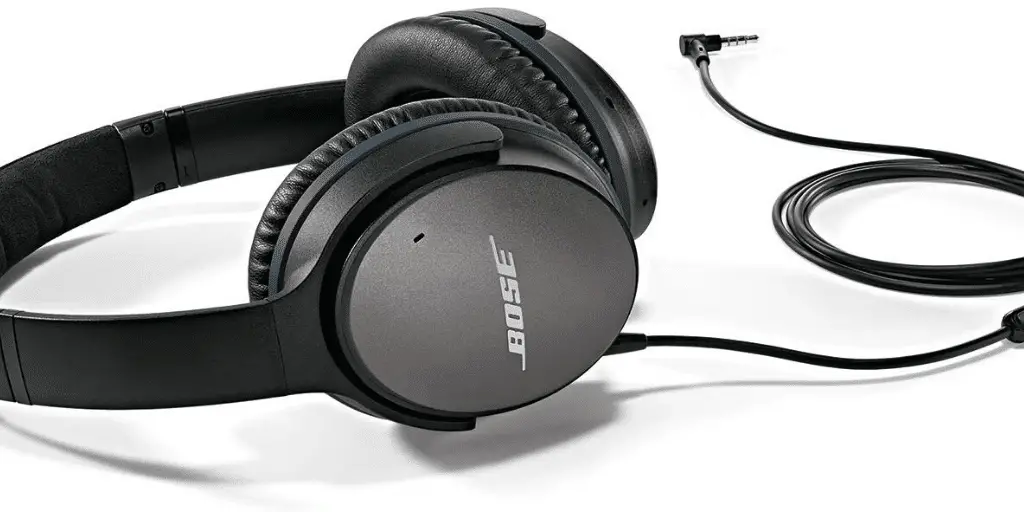
For my full recommendations on specific models, see our guide to the best headphones for mowing the lawn, including the Bose QuietComfort 35 II which remains one of the best ANC headphones I’ve tested for outdoor use.
Cost: What’s the Right Budget?
Headphones for mowing span an enormous price range — from under $10 to over $350. Here’s how to think about where to spend.
At the low end (under $20), you can find passive noise-isolating earbuds and basic closed-back headphones. These provide some protection and are fine for light use with quieter mowers.
The risks are poor build quality, inconsistent noise isolation, and unreliable ear seals. Cheap headphones often need replacing every season, making them less economical than they appear.
In the mid range ($30–$100), you get reliable closed-back Bluetooth headphones with genuine noise isolation and useful features like built-in microphones and long battery life.
This is the sweet spot for most homeowners who mow weekly. The Mpow 059 (around $30–$40) is a solid example at the lower end of this range.
At the premium end ($150–$350+), you get best-in-class ANC, superior comfort for extended sessions, and flagship build quality.
These make sense for people who mow large properties, use loud commercial equipment, or simply want the best audio experience. The Bose QC35 II and Sony WH-1000XM3 sit in this category.
Whatever budget you set, avoid the cheapest options available.
A headphone that provides inadequate noise reduction leads users to raise the volume to compensate — which is worse than wearing no headphones at all, since you’re adding audio noise on top of mower noise at the eardrum.
The damage from noise-induced hearing loss is permanent and cumulative, which makes this a false economy.
Wireless: Why It Matters for Lawn Work Specifically
For most listening environments, wired vs. wireless is a personal preference. For mowing, it’s a genuine safety consideration.
A headphone cable near a running mower deck is a real hazard — if a cable catches on equipment, it can pull headphones off your head suddenly, or in a worst case, pull you toward the mower.
I switched entirely to wireless headphones for outdoor work after a cable caught on a garden hook while I was mowing past a fence. Nothing serious happened, but it was a sharp reminder of the risk.
Wireless headphones for mowing should meet a few specific criteria:
- Battery life of at least 15–20 hours, so a single charge covers multiple mowing sessions without the anxiety of running out mid-task.
- Stable Bluetooth connection at range — you should be able to leave your phone on a porch or windowsill while you mow, without dropout. Look for 30-foot minimum range; better models reach 80+ feet.
- Multi-device pairing is useful if you want to switch between your phone and a tablet without manually disconnecting and reconnecting.
For a well-tested wireless option, the Vankyo C750 is worth considering alongside the other models in our full buying guides.
Volume Safety Rules While Mowing
Headphones protect your ears from the mower — but they also deliver audio directly to your eardrums. The combination of mower noise and loud music is more damaging than either alone if you’re not careful. These are the rules I follow personally:
- The conversation test: If someone standing next to you cannot hear you speak at a normal volume while you’re listening to music through headphones, your volume is too high. Turn it down until a normal speaking voice is audible to them.
- The 60/60 rule: No more than 60% of maximum volume for no more than 60 minutes continuously. Take the headphones off for a few minutes before resuming.
- Use your phone’s volume limiter: Most smartphones allow you to set a hard decibel ceiling for headphone output. On iPhone, go to Settings → Sounds & Haptics → Headphone Safety and enable Reduce Loud Audio. This is a useful backstop against accidental volume spikes.
- Don’t chase the mower noise: If you keep turning up the volume to hear over the mower, the problem is the headphones — they’re not providing adequate isolation. Switch to a better-sealing pair rather than raising the volume.
Types of Headphones for Mowing: Which Is Safest?
Different headphone designs provide different levels of protection for mowing. Here’s a practical comparison based on my own experience across headphone types.
| Type | Noise Reduction | Comfort (Long Session) | Situational Awareness | Cable Risk |
|---|---|---|---|---|
| Closed-back over-ear (wired) | High (passive) | Good | Low | Yes — avoid |
| Closed-back over-ear (Bluetooth) | High (passive) | Good | Low | None |
| ANC over-ear (Bluetooth) | Very high (passive + active) | Very good | Very low (unless using transparency) | None |
| On-ear (Bluetooth) | Moderate | Moderate | Moderate | None |
| In-ear / IEM (wired) | Moderate (depends on seal) | Good if fitted well | Low | Yes — risky |
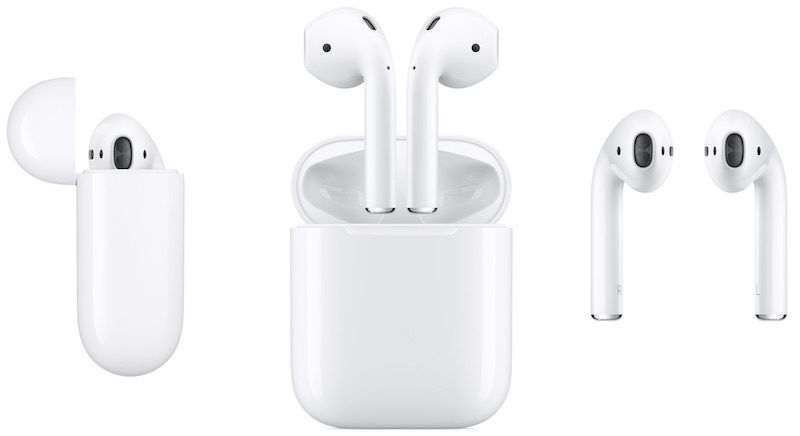
| AirPods Pro / ANC earbuds | Moderate–high (~30 dB ANC) | Good | Good (with transparency mode) | None |
| Standard earbuds (no ANC) | Very low | Good | High | Possible |
| Industrial ear defenders | Very high (25–33 dB NRR) | Moderate (heavier) | Low | None |
My recommendation for most homeowners: closed-back Bluetooth over-ear headphones with ANC and a transparency mode. They offer the best combination of noise protection, comfort, wireless safety, and situational awareness control.
If budget is a constraint, a good closed-back Bluetooth pair without ANC is a strong second choice. Standard earbuds without ANC are the weakest option for mowing — they provide almost no meaningful hearing protection.
For a deep dive on specific models across all price ranges, see: 6 of the Best Headphones for Mowing the Lawn. If you’re considering AirPods, we cover that specific question in detail here: Can You Wear AirPods While Mowing?
When Headphones Are NOT Safe for Mowing
There are specific situations where wearing headphones while mowing introduces unacceptable risk, regardless of how good the headphones are:
- Children or animals in the mowing area: If you cannot guarantee the area is clear and will stay clear, keep transparency mode on or forego headphones entirely. A mower accident takes a fraction of a second — you cannot rely on visual sweeps alone if the area is active.
- Unfamiliar terrain: When mowing a new or unfamiliar space — a neighbor’s lot, a rental property, somewhere with hidden obstacles — your hearing is an important additional input for detecting hazards. Mow the first pass or two without headphones to understand the environment.
- Equipment problems: If your mower is making unusual noises, do not add headphones. Changed engine sounds, rattling, or new vibration patterns are often early warning signs of mechanical issues that can escalate quickly. You need to hear them clearly.
- Riding mowers on slopes: On steep gradients, situational awareness becomes a critical safety factor. ANC headphones that fully block environmental sound are not appropriate for slope mowing. At minimum, use transparency mode; preferably, don’t wear ANC headphones at all on significant inclines.
Frequently Asked Questions
Is it better to wear headphones or ear defenders when mowing?
Both protect your hearing. The key difference is functionality and situational awareness. Ear defenders (passive earmuffs) are simple, battery-free, and provide 25–33 dB of noise reduction — sufficient for almost any residential mower.
They offer no music playback. Headphones add music, podcasts, or calls, but require correct fit and appropriate volume management. For purely protective purposes, industrial ear defenders are more reliable.
For combined protection and entertainment, quality noise-cancelling headphones are the better choice. Many people use both: AirPods or earbuds for music, with passive ear defenders worn over the top for maximum protection.
Can I use cheap earbuds for mowing?
Only if they provide meaningful passive noise isolation — meaning a tight in-ear seal. Standard open earbuds with no seal provide almost no noise reduction and typically lead users to dangerously high volume levels.
If budget earbuds are your only option, choose in-ear models with silicone tips, make sure the fit is tight, and keep the volume at 60% or below. See our noise-induced hearing loss protection guide for more on safe exposure limits.
How long can I safely mow with headphones on?
With good ANC or noise-isolating headphones and music at a moderate volume (50–60% of maximum), you can mow for a standard 60–120 minute session safely.
The combined noise exposure at your eardrum — mower noise after reduction plus music — should stay below 85 dB for comfortable, safe listening. Take a 5-minute break without headphones every hour to give your ears a rest if your session runs long.
Should I tell people when I’m mowing with headphones?
Yes — this is a practical habit I’ve developed. I let family members know when I’m about to mow with noise-cancelling headphones, so they know to wave or tap my shoulder to get my attention rather than calling out.
It takes 10 seconds and eliminates a lot of frustration (and the safety risk of someone trying to approach unnoticed).
Are over-ear or in-ear headphones better for mowing?
Over-ear closed-back headphones generally provide better passive noise isolation for mowing than in-ear models, because the physical mass of the ear cup adds meaningful sound blocking independent of electronics.
In-ear models can match or exceed this with a good seal and ANC, but achieving and maintaining that seal during physical activity outdoors is less consistent.
Over-ear headphones also stay in place more reliably during the bending and turning involved in lawn work. My personal preference for long mowing sessions is always over-ear.
Do wireless headphones lose sound quality compared to wired?
At equivalent quality tiers, the difference in audio quality between wired and Bluetooth headphones is negligible for music playback during lawn work.
The practical advantages of wireless — no cable hazard, freedom of movement, no port compatibility issues — make Bluetooth the clear choice for outdoor work.
The only meaningful concern is battery life: check that your headphones have enough charge before starting a long session.
Related Reading
- Should You Wear Ear Protection While Mowing?
- Should You Wear Headphones While Mowing the Lawn?
- 6 of the Best Headphones for Mowing the Lawn
- 5 Best Headphones for Cutting Grass (Tested & Reviewed)
- Can You Wear AirPods While Mowing?
- Bose QuietComfort 35 II Review
- Vankyo C750 Wireless Bluetooth Headphones Review
- Mpow 059 Bluetooth Headphones Review
- How to Protect Yourself from Noise-Induced Hearing Loss
- How to Mow Your Lawn in Less Time
Related Posts: