5 Best Headphones for Cutting Grass (Tested & Reviewed)
Last Updated on May 5, 2026 by Duncan
A lawnmower produces between 85 and 95 decibels of noise — enough to cause hearing damage after just two hours of unprotected exposure.
Over the past several years, I’ve tested dozens of headphones on my own lawn, ranging from budget earbuds to premium noise-cancelling over-ear models.
I know what survives Saturday morning mowing sessions and what doesn’t.
Below you’ll find my five top picks, a full breakdown of headphone types, a buyer’s guide, and answers to the most common questions.
Whether you want wireless freedom, maximum noise isolation, or just a reliable pair under $15, there’s an option here for you.
Quick Comparison: Best Headphones for Cutting Grass
| Headphone | Type | Battery Life | ANC | Best For |
|---|---|---|---|---|
| COWIN E7 | Over-ear Bluetooth | 30–40 hrs | Yes | Best overall value |
| Mpow 059 | Over-ear Bluetooth | 20+ hrs | No (passive) | Budget pick |
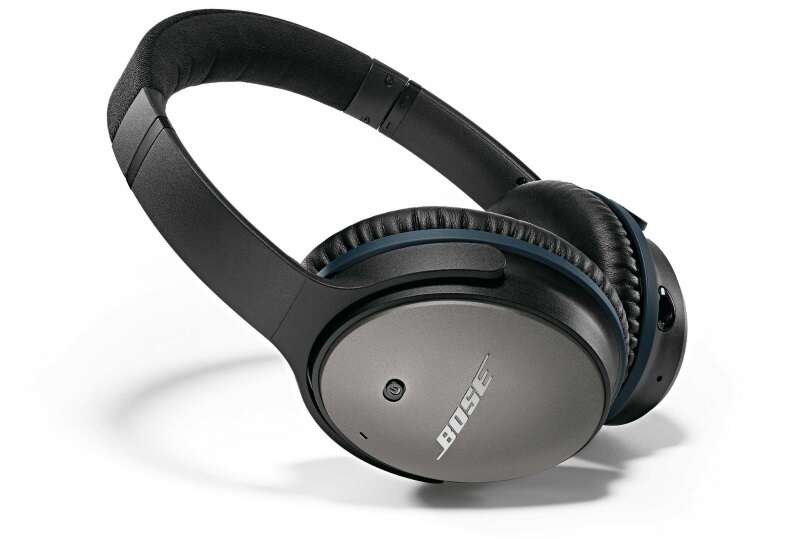
| Bose QC35 II | Over-ear Bluetooth | 20 hrs | Yes (premium) | Premium / noise isolation |
| Sony WH-1000XM3 | Over-ear Bluetooth | 30 hrs | Yes (premium) | Sound quality obsessives |
| Panasonic ErgoFit | In-ear wired | N/A (wired) | No (passive) | Ultra-budget / backup pair |
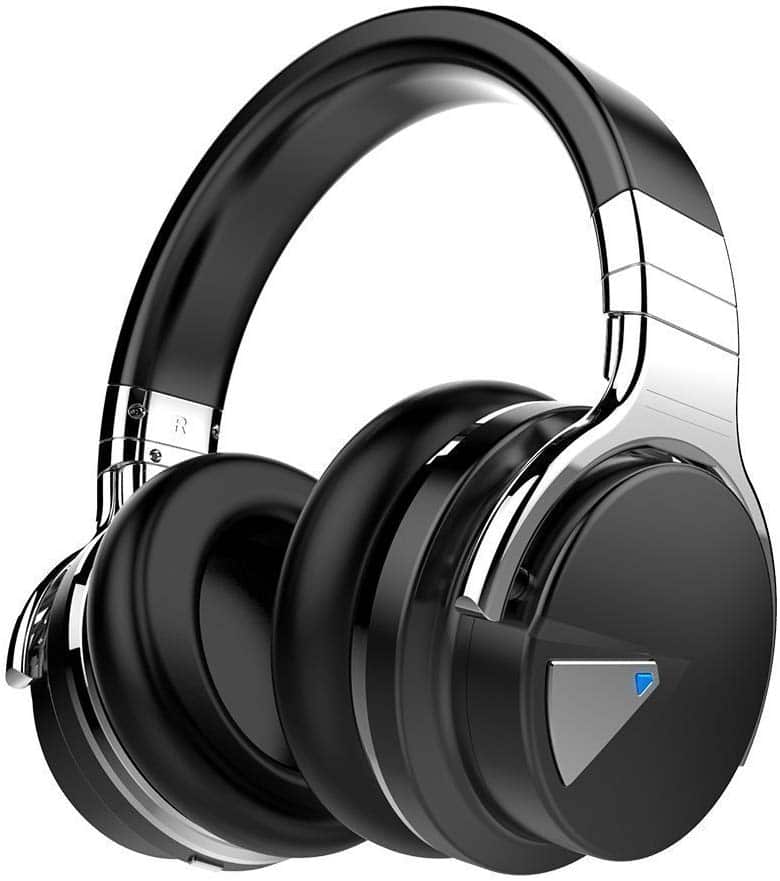
1. COWIN E7 Active Noise Cancelling Headphones — Best Overall
Read customer reviews on Amazon
I originally bought the COWIN E7 for a flight to Seattle for my sister’s wedding.
When I came home, they sat in a drawer — until one Saturday when I couldn’t find my usual Bose pair before mowing. I reached for the COWINs as a temporary fix and never looked back. That was over a year and a half ago.
Noise Cancellation
The active noise cancellation is not quite Bose level, but it is powerful enough to muffle a gas lawnmower effectively.
I’ve mowed with them for full Saturday sessions (usually 90–120 minutes) without ever feeling like the mower noise was breaking through at a dangerous volume.
Depending on the app or song you are listening to, they can get loud quickly — keep the volume around 60–70% to stay safe.
Build Quality
Made from high-quality plastic with a reinforced headband, these headphones have taken real-world abuse: grass clippings, sweat, and accidental drops on the driveway.
After 18 months of weekly use, the ear pads are still soft and the drivers are still clear. I consider that a pass for any pair of headphones used outdoors.
Battery Life
The manufacturer advertises 30 hours of battery life. In my experience, they routinely surpass 40 hours between charges.
More impressively, battery capacity has not noticeably degraded over a year and a half of ownership — something I cannot say about other Bluetooth headphones I’ve owned.
Bluetooth Performance
The Bluetooth connection is fast and stable. I’ve walked more than 80 feet from my phone while mowing the back garden and experienced zero dropout.
This is a meaningful advantage when your phone is sitting on the porch and you’re working across a large lawn.
Pros
- Effective active noise cancellation for lawnmower noise
- 30–40 hour real-world battery life
- Durable construction that survives outdoor use
- Fast Bluetooth pairing and strong range (~80+ feet)
- Comfortable ear pads even after extended sessions
Cons
- Siri delay: Activating Siri produces a roughly 4-second lag before the assistant responds.
- LED indicator light: The command switch LED stays on continuously and is bright enough to be disruptive indoors at night. There is no option to disable it.
My Verdict
Although COWIN is not a household name like Husqvarna or 3M, they have built a genuinely excellent product at a reasonable price. I give the E7 a solid five stars. When this pair finally wears out, I will buy another one without hesitation.
Check the latest price for the COWIN E7 on Amazon →
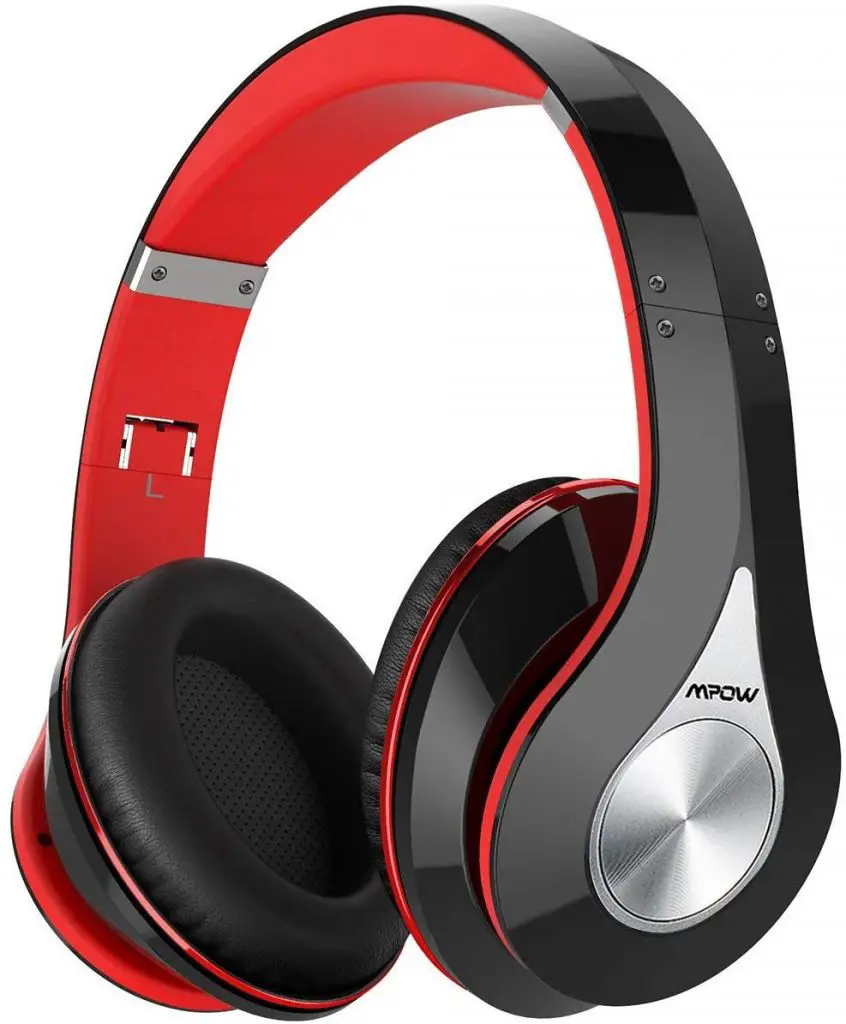
2. Mpow 059 Bluetooth Headphones — Best Budget Pick
Read customer reviews on Amazon
The Mpow 059 does not have active noise cancellation. Instead, it relies on a closed-back design to passively block lawnmower noise.
Based on my testing, that passive isolation handles the majority of the noise — not all of it, but enough for comfortable listening without dangerously high volume levels.
Fit and Comfort
The ear cups look large on smaller heads, but the stainless steel slider makes finding a secure fit straightforward.
I’ve worn them for three-to-four-hour mowing sessions without discomfort. The foldable hinge design also makes them easy to store in a bag or toolbox between uses.
Battery Life
Mpow advertises 20 hours of playback. In practice, I’ve used them across multiple mowing Saturdays without charging between sessions — which is consistent with that claim or slightly better. For a pair in this price range, that’s impressive.
Pros
- Very affordable entry point
- Comfortable for extended outdoor sessions
- Long battery life for the price
- Clear, rich sound for casual listening
- Foldable design for easy storage
Cons
- Call answering: Declining calls is easy; picking up a call reliably is harder and takes practice.
- Audio quality over time: The bass and treble response degrades noticeably after several months of use, which is typical for budget headphones in this class.
My Verdict
The Mpow 059 delivers everything it promises: solid Bluetooth connectivity, a durable build, and genuine comfort. If you want a competitively priced pair that covers the basics without overspending, these are an easy recommendation.
Check the latest price for the Mpow 059 on Amazon →
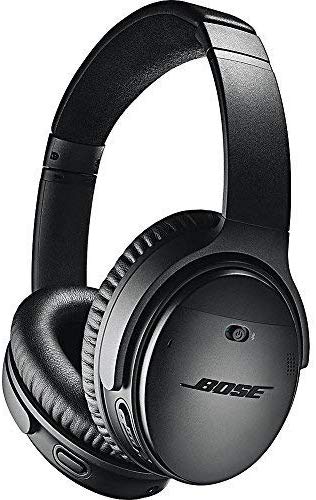
3. Bose QuietComfort 35 II — Best Premium Pick
Read customer reviews on Amazon
Heads up: The Bose QC35 II regularly retails above $300. If that’s outside your budget, skip to the next option — but if premium noise cancellation matters to you, keep reading.
I received these as a birthday gift. I’ll be honest: my first thought when I unwrapped them was “I already have headphones in the garage.” Within ten minutes of putting them on, I understood the difference.
Active Noise Cancellation
The ANC on the Bose QC35 II is in a class of its own among the headphones I’ve tested for lawn care. With noise cancellation on and no music playing,
I couldn’t hear my dishwasher running in the kitchen. With music on, the lawnmower becomes completely inaudible — I cannot hear it at all, even without raising the volume.
This is the defining feature that justifies the price for anyone who mows regularly or uses loud equipment.
Controls
The right earcup has three vertically aligned buttons: volume up, play/pause, and volume down. These also handle skipping tracks and answering calls.
The left earcup carries the Google Assistant button, which I reprogrammed to cycle through noise cancellation levels — a more useful function during outdoor work.
Comfort and Weight
Despite appearing substantial, the QC35 II is remarkably light. The ear cups are generously padded, headband pressure is minimal, and the clamping force is low enough to wear for hours without fatigue.
I’ve finished two-hour mowing sessions without any discomfort or heat build-up.
Pros
- Industry-leading active noise cancellation — completely blocks lawnmower noise
- Lightweight and comfortable for extended sessions
- 20-hour battery life
- Fully surrounds the ears (circumaural fit)
- Premium build quality designed to last years
Cons
- High price point (over $300)
- Sound signature is slightly less detailed than Sony’s equivalent at a similar price
My Verdict
If the price tag doesn’t deter you, the Bose QC35 II is the best headphone experience I’ve had for mowing. The ANC alone sets these apart from everything else on this list.
Check the latest price for the Bose QC35 II on Amazon →
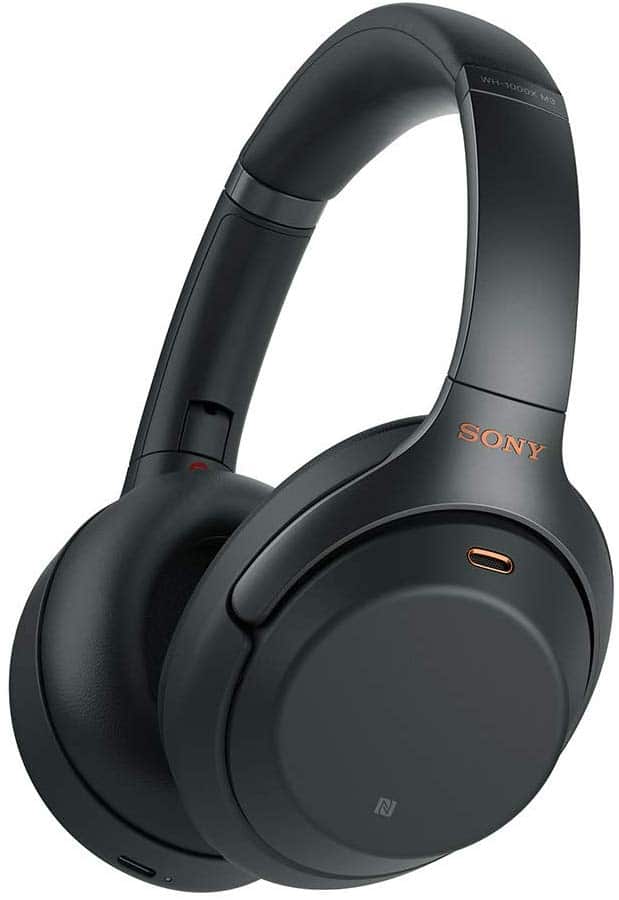
4. Sony WH-1000XM3 — Best for Sound Quality
Read customer reviews on Amazon
The Sony WH-1000XM3 is another premium pair that typically retails above $200. It’s the headphone I reach for when sound quality matters as much as noise isolation.
Design vs. Previous Generation
Compared to the M2, the XM3 is noticeably lighter, better padded, and more comfortable over long sessions. The headband is slimmer without sacrificing structural integrity. For outdoor work, the improved fit means less adjusting while you’re mid-task.
Noise Reduction
Sony claims the XM3 offers noise reduction four times better than the M2. Having used both side by side, I disagree with that specific figure — the improvement is real, but not that dramatic.
The more meaningful upgrade is in how Sony processes external audio: ambient sound that does pass through is cleaner and less distorted than on the M2.
Phone Call Performance
Many reviews note poor call quality with the XM3. That hasn’t been my experience.
I made a 20-minute call while the person on the other end was in a moving car, and they reported the audio was loud and clear.
Your mileage may vary depending on environment, but mine has been positive.
The Sony Headphones App
The companion app offers useful controls for EQ, ANC level, and adaptive sound. The one frustration: making changes through the app sometimes forces the headphones to default to a lower-quality audio codec, which noticeably affects sound fidelity until you reconnect. This is a firmware-level issue Sony should address.
Pros
- Excellent comfort and lightweight build
- 30-hour battery life
- Voice assistant integration works well
- Superior sound quality compared to most competitors
Cons
- Sony app can inadvertently lower codec quality
- Some users report inconsistent call quality (my experience has been good)
My Verdict
The Sony WH-1000XM3 is a fantastic pair of headphones for mowing if you can tolerate the occasional need to reset audio settings through the app. If pristine sound quality is your priority, these edge out the Bose.
Check the latest price for the Sony WH-1000XM3 on Amazon →
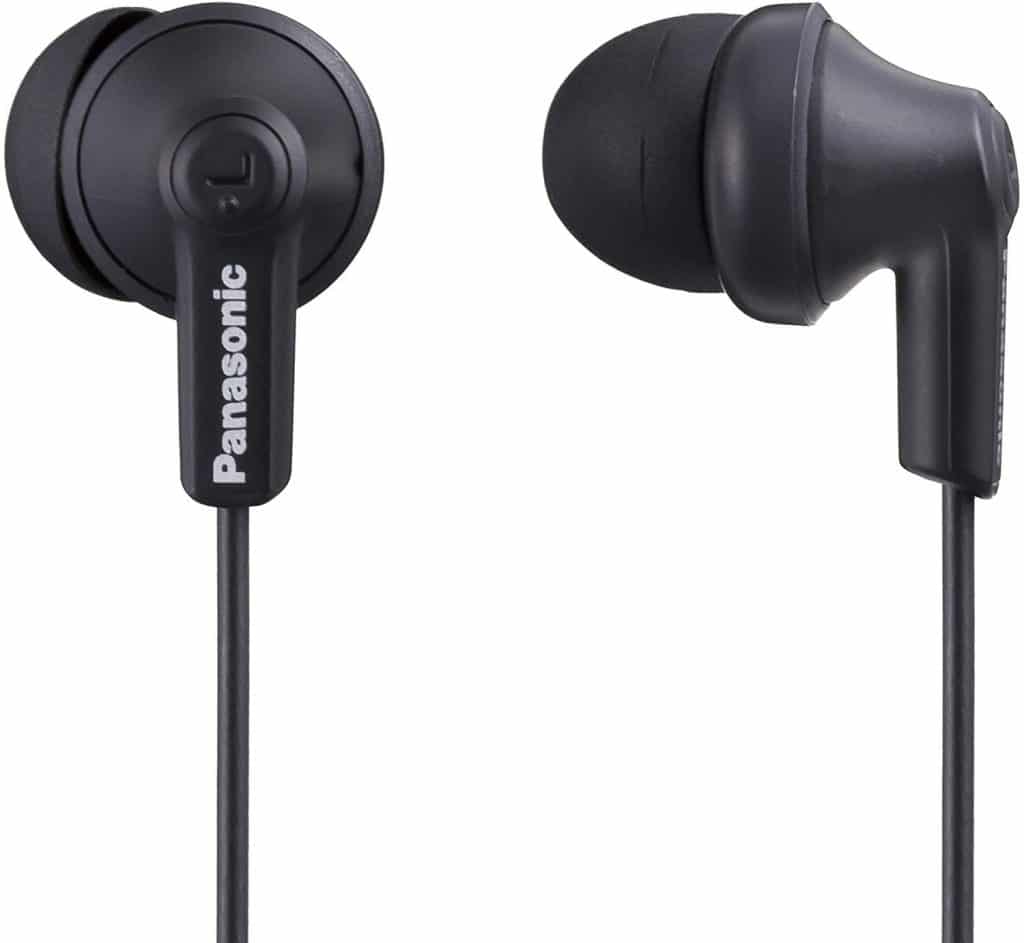
5. Panasonic ErgoFit In-Ear Earbud Headphones — Best Ultra-Budget Option
Read customer reviews on Amazon
At under $10, I fully expected these to last a few weeks before falling apart. I was wrong — I used them daily for three years.
During the week I’d listen to music before bed; on Saturdays I’d plug them in for mowing. When I finally passed them on to my nephew, the sound was still crisp and clear.
Durability
For the price, the build quality is remarkable. I tossed them in bags, forgot them in pockets, and rolled over the cable once with a chair.
Not a single tear, loose wire, or earbud failure in three years of daily use. I wouldn’t intentionally abuse them, but they handle casual neglect well.
Fit and Comfort
The ErgoFit earbuds come with three eartip sizes (small, medium, large), which helps most users find a secure fit.
The ergonomic shape lets the bud sit in the concha of the ear rather than pressing straight into the canal. I used them during morning jogs as well as mowing sessions, and they stayed in place reliably.
Sound Quality
Don’t expect Sennheiser-level audio — that would be an unfair comparison at this price. What you do get is cleaner, fuller sound than many more expensive earbuds
I’ve tried. The bass is light, which is consistent with wired in-ear headphones at this price point. For podcasts, radio, and casual music, they perform well above expectations.
Limitation for Lawn Work
The biggest trade-off for mowing: you need to raise the volume significantly to overcome ambient lawnmower noise since there is no active noise cancellation.
Be careful not to exceed safe listening volumes (85 dB is the recommended maximum for prolonged exposure).
Pros
- Extremely affordable (under $10)
- Surprisingly durable — lasted 3 years with daily use
- Good sound clarity for the price
- Secure fit with multiple eartip sizes
Cons
- Requires higher volume to overcome lawnmower noise
- Bass response is limited
- No wireless connectivity
My Verdict
Three years of daily use from a sub-$10 product is genuinely impressive. These are not the ideal primary headphone for loud power equipment, but as a backup pair or for light mowing tasks, they’re outstanding value.
Check the latest price for the Panasonic ErgoFit on Amazon →
Types of Headphones for Cutting Grass
Headphones come in several distinct designs, and each has meaningful trade-offs for outdoor lawn work. Here’s what you need to know about each type.
Closed-Back Headphones
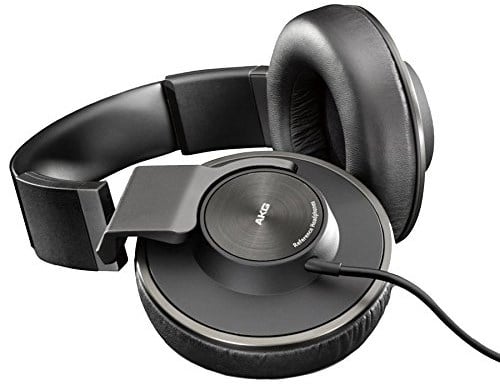
Closed-back headphones seal the rear of the ear cup, which blocks the majority of outside noise and contains sound leakage.
This makes them the most common choice for mowing the lawn because they deliver both passive noise isolation and high sound fidelity without requiring the listener to raise the volume dangerously high.
They’re available in over-ear (circumaural) and on-ear (supra-aural) styles. The trade-off is heat: the sealed design restricts airflow and can cause ear dampness during extended outdoor sessions. Top examples include the Sony MDR7506 and V-Moda Crossfade LP2.
Open-Back Headphones
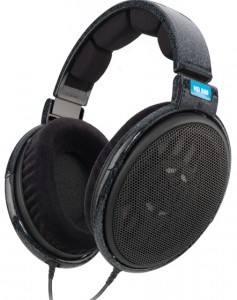
Open-back headphones have perforated or vented ear cups that allow sound to pass in both directions. This creates a more natural, spacious “soundstage” but also allows lawnmower noise to enter freely.
They are best suited to quiet mowing equipment — such as a reel mower — or quieter outdoor environments. For anyone using a standard gas or electric rotary mower, open-back headphones are not recommended for hearing protection.
Over-Ear Headphones
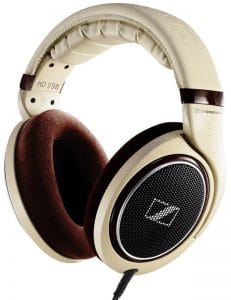
Over-ear (circumaural) headphones have ear cups large enough to fully encircle the ear. This creates a strong acoustic seal that blocks outside sound effectively.
They are very comfortable for long sessions because the cushion sits behind the ear rather than pressing against it.
The main drawbacks for outdoor use are added weight and heat buildup. Top over-ear picks include the Sennheiser HD 280 Pro and Audio-Technica ATH-M50X.
On-Ear Headphones
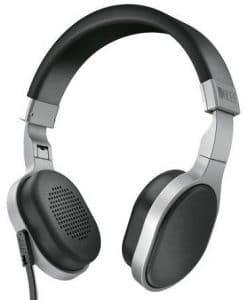
Also called supra-aural headphones, on-ear models rest directly on the outer ear rather than encircling it.
They’re smaller and more portable than over-ear headphones and allow some ambient sound to pass through — which can be an advantage (awareness of traffic or people approaching) or a disadvantage (lawnmower noise gets in).
They produce less heat than closed-back over-ear designs. When buying on-ear headphones, prioritize a gentle clamping force to avoid discomfort over long sessions.
In-Ear Headphones (IEMs)
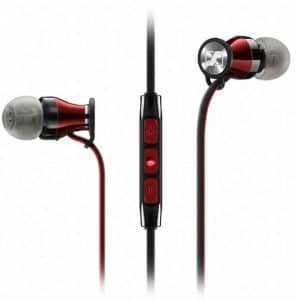
In-ear monitors (IEMs) insert directly into the ear canal, creating a tight acoustic seal. Their technical name is canal phones.
Because they channel audio directly toward the eardrum, they can deliver strong sound quality and passive noise isolation in a compact form.
They are available in wired and wireless versions. Important: avoid sharing IEMs — they pick up earwax and bacteria easily.
Earbuds
Earbuds sit in the outer ear rather than inside the canal, which means they don’t create full sound isolation.
They are lightweight, portable, and non-intrusive, but they require higher volume levels to overcome loud ambient noise.
Use them in moderation — wearing earbuds at high volumes for extended periods is a known risk factor for hearing damage.
Noise-Cancelling Headphones
Active noise-cancelling (ANC) headphones use a built-in microphone to detect low-frequency ambient sounds, then generate an equal and opposite sound wave to cancel them out before they reach the ear. High-frequency sounds are handled through physical soundproofing in the ear cups.
This dual approach makes ANC headphones highly effective against the constant low-frequency drone of a lawnmower.
They’re the top choice for anyone cutting grass with a powerful gas mower or in a noisy environment. The Bose QC35 II (reviewed above) is the most widely cited example of consumer ANC headphones.
Bluetooth Headphones
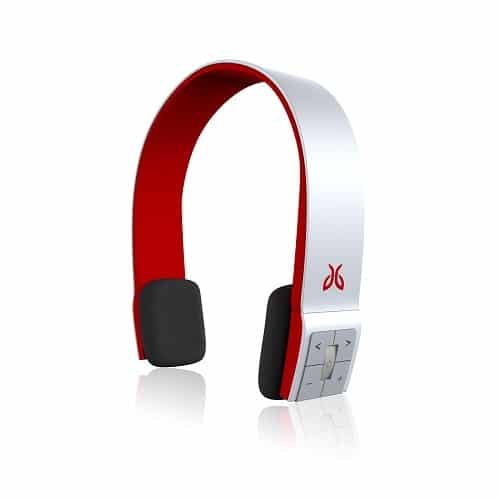
Bluetooth headphones use a wireless chip to pair with a smartphone or music player, eliminating the need for a cable.
For lawn work, this is a significant advantage: there’s no cord to snag on equipment, trip over, or wear out.
Multiple headphone studies have found no meaningful loss of audio quality from Bluetooth transmission compared to wired connections at equivalent bit rates.
The primary limitations are battery life (which must be monitored) and occasional signal interference near multiple active Bluetooth devices.
Bluetooth headphones are generally more expensive than their wired equivalents at the same quality tier.
What to Look for When Buying Headphones for Cutting Grass
Wired vs. Wireless
Wired headphones draw power directly from the connected device, so battery life is never a concern.
However, cables are a genuine hazard around powered lawn equipment — a cord can catch on a mower deck or cause a fall.
For lawn work specifically, Bluetooth headphones are the safer and more practical choice. Focus on finding a model with a battery life that comfortably exceeds your longest mowing session.
Sound Quality
Three specifications determine how a headphone sounds:
- Sensitivity: Measures how loud the headphones get per unit of power. For safety, target headphones that reach 102 dB maximum — loud enough to hear over ambient noise without pushing to hearing-damaging volumes.
- Impedance (ohms): Determines volume range. A rating around 30 ohms is appropriate for use with a smartphone. Higher impedance headphones require a dedicated amplifier to perform correctly.
- Driver size: Larger drivers produce stronger bass response. The ideal driver size depends on personal preference — there is no universal standard.
Design
If you choose over-ear or on-ear headphones, look for a foldable design. Lawn equipment storage areas are rarely spacious, and a pair that collapses flat is far easier to store and transport without damage.
Durability
Lawn care is rough on gear. Sweat, grass clippings, dust, and occasional drops are inevitable.
Before buying, examine the materials: metal headbands outlast plastic ones; reinforced hinges are a sign of a more durable product.
Buying from established brands reduces the risk of poor build quality, even if it costs more upfront.
Built-In Microphone
A built-in microphone and in-line remote let you answer calls, control music, and access voice assistants without reaching for your phone.
Test these controls before committing to a purchase — on budget models, the call-answering button in particular is often unreliable.
Comfort
If your lawn takes 90 minutes or more to mow, comfort is non-negotiable. Deep, cushioned ear cups distribute pressure more evenly than shallow ones.
Check the clamping force — headphones that grip too tightly cause headaches within an hour. In my experience, circumaural (over-ear) designs are more comfortable than supra-aural (on-ear) ones for extended sessions.
If budget allows, custom-fit earphones provide the best long-term comfort.
Price
Set a realistic budget, but avoid the cheapest options available.
Very low-cost headphones often lack adequate noise isolation, which leads users to listen at dangerously high volumes to compensate — a documented risk for hearing damage.
They also tend to fail faster, making them more expensive over time. On the upper end, you’re paying for incremental improvements in ANC performance and build quality — worth it for heavy users, less so for occasional mowers.
Frequently Asked Questions About Headphones for Cutting Grass
Can headphones cause hearing loss?
Yes — but only when used at excessive volumes for extended periods. The generally accepted safe limit is 85 decibels for up to 8 hours.
Listening above 100 dB for more than 15 minutes per day carries a real risk of permanent hearing damage. Use headphones at moderate volumes, and let your ears rest between sessions.
Can headphones cause ear pain?
Yes. Ear pain from headphones usually has one of two causes: volume that is too high, or a physical fit that puts too much pressure on the ear. If you experience pain, reduce the volume first, then check whether the headphones fit correctly.
Are headphones a good idea for lawn mowing?
Yes — with caveats. Headphones that provide adequate noise isolation allow you to listen at safer, lower volume levels while still blocking damaging lawnmower noise.
The key is choosing the right type (noise-cancelling or closed-back) and keeping the volume reasonable. See our related guide: Is It Safe to Wear Headphones While Mowing?
Are headphones waterproof?
Not all headphones are water-resistant. For lawn work, look for an IPX4 rating or higher — this indicates the headphones can withstand sweat and light rain.
Headphones without any water-resistance rating can fail or sustain damage if you sweat heavily or are caught in a shower while mowing.
Are wireless headphones good for mowing?
Wireless headphones are generally the better choice for mowing. Eliminating the cable removes a genuine safety hazard around spinning blades and moving equipment.
Prioritize models with at least 20 hours of battery life so you never run out of power mid-session. Ensure the headphones fit securely so they don’t require constant adjustment while you’re working.
Are all wireless headphones Bluetooth?
No. While Bluetooth is the most common wireless technology, some headphones use radio frequency (RF) or infrared (IR) transmission.
Radio headphones can transmit up to 300 feet from the base unit in open environments, making them useful for large properties. Infrared headphones require a direct line of sight to the transmitter and have a much shorter range.
Bluetooth is the most practical option for most users given its universal compatibility with smartphones.
Are Bluetooth headphones safe?
Research into long-term Bluetooth EMF exposure is ongoing.
According to Joel M. Moskowitz, PhD at UC Berkeley, there is currently insufficient data to make definitive claims about long-term safety. Bluetooth headphones emit significantly less radiation than mobile phones held against the head.
Most health authorities consider current exposure levels acceptable, but the research is not yet conclusive.
Can headphones damage hair?
Headphone bands that slide back and forth can cause friction-related hair breakage over time. The solution is a good fit: properly adjusted headphones should not move while you’re wearing them.
Most modern headphones have an adjustable headband — use it. If a pair consistently shifts out of position, replace it rather than tolerating ongoing friction against your scalp.
Are headphones input or output devices?
Headphones are output devices. They receive an audio signal from a source device (phone, computer, amplifier) and convert it to sound.
The audio signal travels out of the source device and into the headphones — making the headphone port on your phone a “headphone output.”
Can headphones make you bald?
No. While headphones can cause localized hair breakage from friction (see above), they cannot cause clinical baldness. Baldness is driven by genetics, hormones, and stress — not by wearing headphones.
Can loud music damage headphones?
Premium headphones from reputable brands are generally built to handle high volumes without mechanical failure.
Budget headphones from unknown manufacturers are more likely to sustain driver damage at sustained high volumes.
Regardless of headphone quality, avoid prolonged listening above safe volume thresholds — your hearing is far more fragile than the drivers.
Can headphones cause cancer?
There is currently no peer-reviewed scientific evidence establishing a causal link between headphone use and cancer.
Some research has examined EMF exposure more broadly, but no consensus exists linking normal headphone use to cancer risk.
Can headphones be used with hearing aids?
Yes. The most compatible types are bone conduction headphones, on-ear headphones, and over-ear headphones — each can accommodate hearing aids without causing feedback in most cases.
Avoid headphones that press tightly against the hearing aid, as this can trigger a whistling sound (the Larsen effect).
Choose headphones with active noise cancellation or noise isolation to keep listening volumes safe: hearing aid users should not raise volume above 85 dB.
If feedback occurs, try repositioning the headphone cup or switching to a different style.
Related Reading
- Is It Safe to Wear Headphones While Mowing?
- Can You Wear AirPods While Mowing?
- 6 of the Best Headphones for Mowing the Lawn
- Best Radio Headphones for Lawn Mowing
- 6 Situations That Will Damage Your Ears
- Tips on How to Cut Grass Properly
Related Posts: