25 Gorgeous Container Garden Flowers for a Sunny Patio
Last Updated on June 13, 2026 by Duncan
Most patio container guides are written by people who want you to be impressed, not actually helped.
They recommend fussy plants with poetic names, skip the part where half of them die in August, and leave you standing in a garden center holding something beautiful with no idea if it will survive your specific patch of concrete and afternoon sun.
I’ve been there. I’ve bought the wrong plants, put them in the wrong pots, wondered why they looked spectacular in the nursery and defeated by July.
I’ve also figured out, through genuine trial and error, what actually works.
This list is the result of that.
Twenty-five container flowers that earn their place on a sunny patio, chosen because they perform in the real world rather than under ideal conditions that most of us don’t have.
You’ll notice a few things. Nothing on this list needs constant deadheading. Nothing will collapse the moment you go away for a weekend.
And nothing was chosen because it photographed well in a catalog.
Every plant here was picked because it does something genuinely useful, whether that’s blooming for five months straight without intervention, deterring the mosquitoes that make your evenings miserable, or simply looking so good that people ask about it.
Some of these are old varieties your grandmother would recognize. Some are newer cultivars bred specifically to fix the problems their predecessors had.
All of them are plants I’d actually recommend to a friend, which means I’ll also tell you what can go wrong and how to prevent it.
The container tips aren’t filler. They’re the specific things that separate a plant that survives from one that thrives, and most of them cost nothing but knowing them in the first place.
Ready? Let’s find you something worth growing.
- Dianthus ‘Mrs. Sinkins’
White Clove Pink : The Victorian Buttonhole Flower
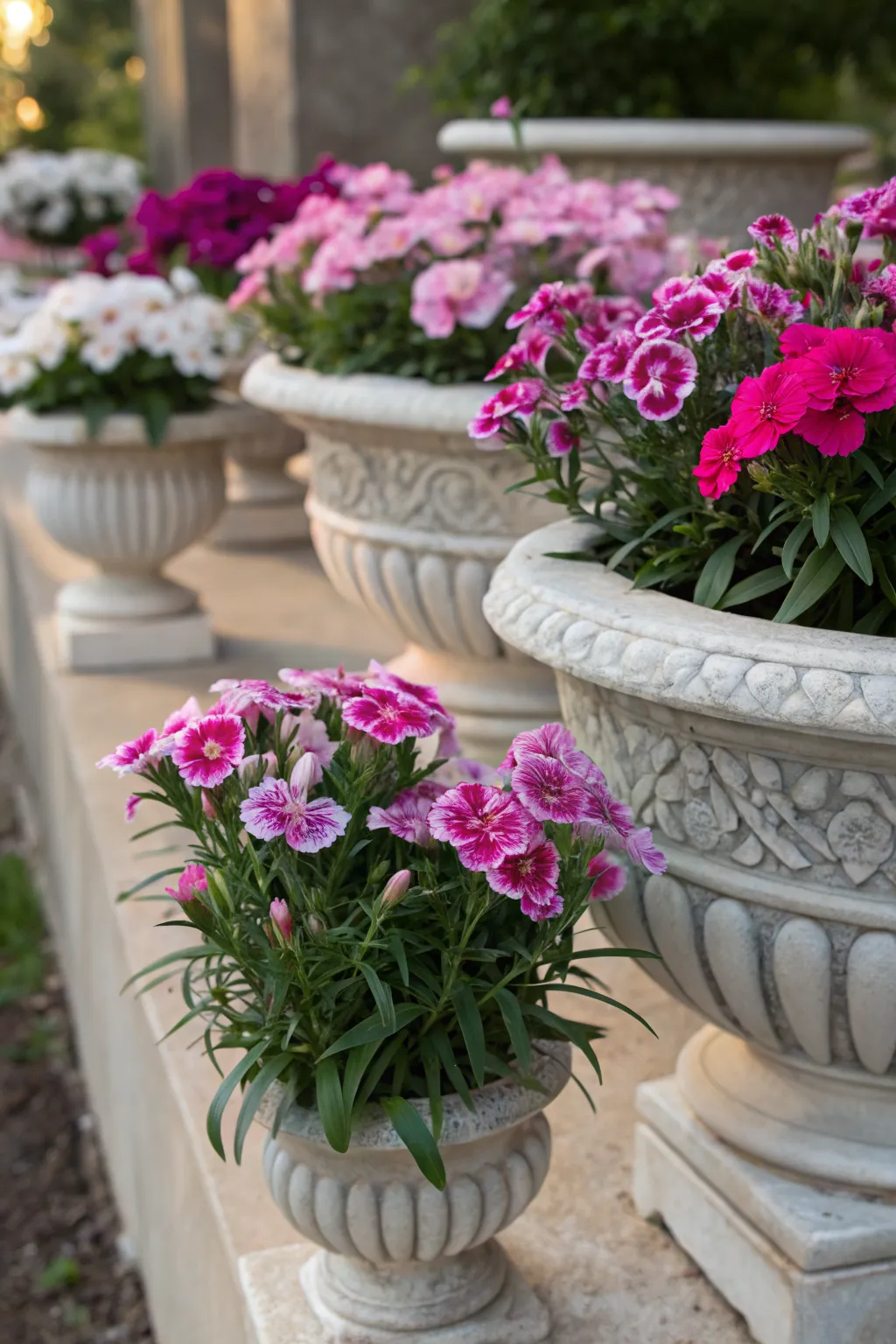
This clove-scented white flower has been around since 1868, which should tell you something. Anything that survives 150 years of gardeners is doing something right.
It blooms prolifically in a 10-inch pot and basically ignores you. Tuck some horticultural grit on top of the soil after planting. It prevents crown rot and makes the pot look elegant.
-
Nicotiana sylvestris ‘Only the Lonely’
Woodland Tobacco : The Moonlight Fragrance Tower
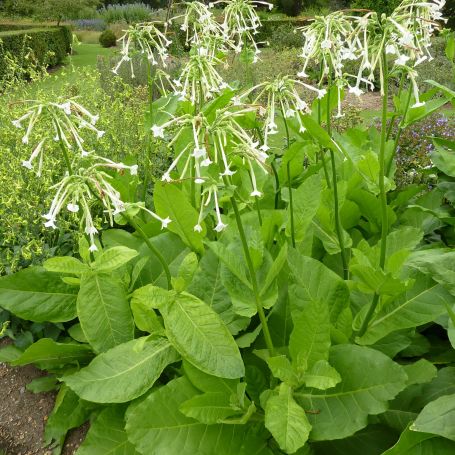
You know that moment at dusk when you walk outside and some garden nearby smells incredible? This flower is responsible for that. It’s basically a fragrance delivery system shaped like a flower.
It grows 3 to 4 feet tall, so put it in a deep pot and let it shine. Position it near a west-facing wall and by 6pm your patio smells better than most spas.
-
Lathyrus odoratus ‘Matucana’
Heirloom Sweet Pea :The Original Cottage Climber
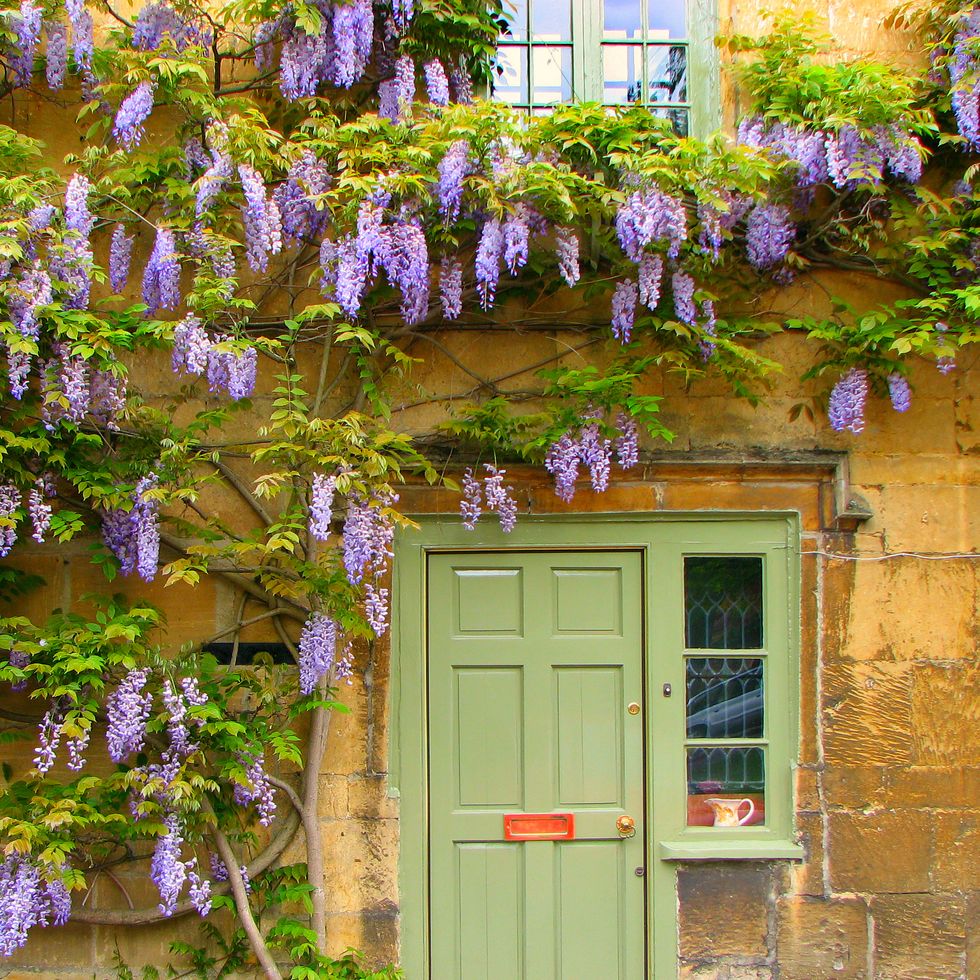
If you’ve ever bought sweet peas from a garden center and wondered why they barely smell, it’s because commercial breeders traded fragrance for shelf life. ‘Matucana’ is what sweet peas smelled like before that happened.
Deep violet and magenta, climbing a small obelisk, absolutely intoxicating.
The one real trick: wrap the outside of the pot in burlap during summer.
Sweet pea roots hate heat, and that cheap fix can extend your bloom season by a solid month.
- Heliotropium arborescens ‘Marine’
Cherry Pie Heliotrope: The Vanilla-Violet Heirloom
:max_bytes(150000):strip_icc():format(webp)/how-to-grow-and-care-for-heliotropes-5080238-02-8d6f2841c3eb4ae5b2f46de6bd990931.jpg)
Vanilla and cherry in one compact plant. Sounds made up, smells completely real.
Pair it in the same pot with a pale pink trailing Calibrachoa and you’ve accidentally created something that looks like a florist charged you for it.
The soft pink trails over the edge, the deep violet stands up in the middle. Job done.
-
Pelargonium ‘Attar of Roses’
Rose-Scented Geranium: The Perfumer’s Plant

Most scented geraniums are a disappointment. This one isn’t. The foliage releases genuine rose fragrance, and I mean the real thing, not the sad synthetic version from a candle.
Put it right next to your most-used chair. You’ll brush it every time you sit down, and that’s the whole point.
Bonus: the leaves work in herbal teas, linen drawers, and books. It keeps giving even when you’re not looking at it.
-
Angelonia ‘Serena Purple’
Summer Snapdragon: The Set-It-and-Forget-It Thriller
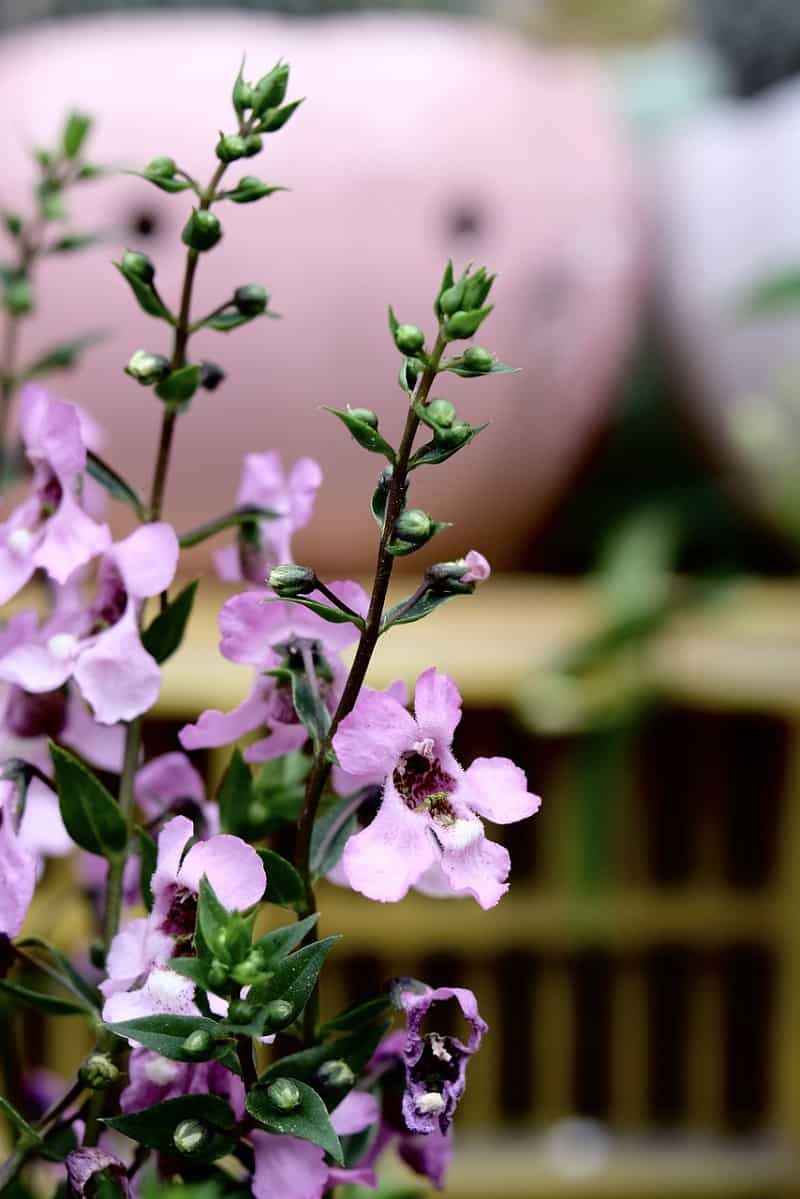
Here’s a flower that blooms from May to October in full sun without you doing a single thing to it. No pinching, no deadheading, nothing.
If you’ve ever felt guilty for neglecting a container garden, get Angelonia. Plant three in a 14-inch pot in a triangle shape and within three weeks it looks like you planned it that way from the very start.
-
Scaevola ‘Whirlwind Blue’
Australian Fan Flower: The Effortless Cascader
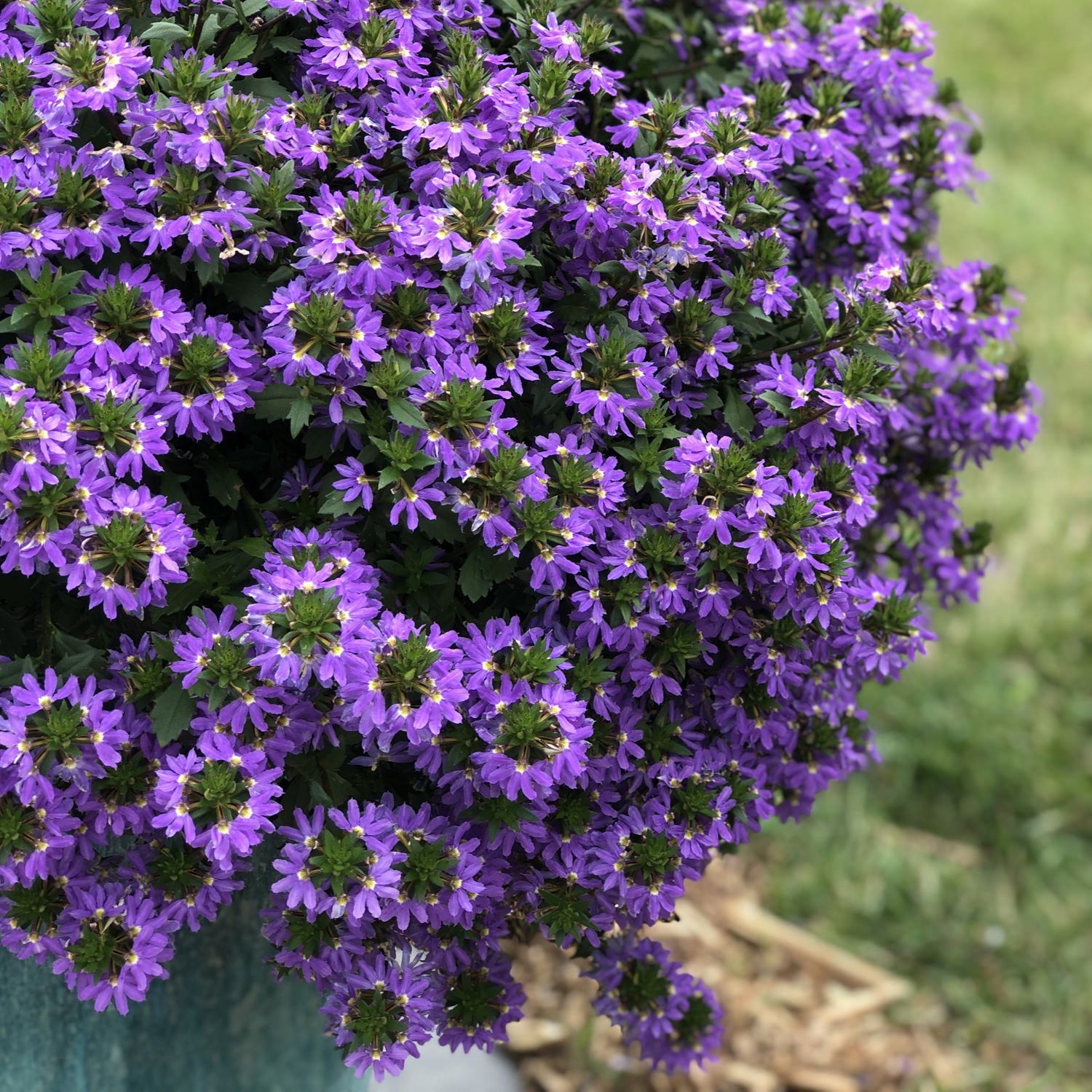
Each bloom is shaped like a half-fan. Yes, an actual half-fan. Pick one up and look at it closely the first time and you’ll understand why it stops people in their tracks.
It self-cleans, handles heat and salt, and trails 18 to 24 inches. The only requirement is height. Put it in a tall urn.
If it’s sitting on the ground, all that trailing growth just lies there looking defeated. Elevate it and the whole thing becomes genuinely spectacular.
-
Osteospermum ‘Serenity Bronze Bicolor’
African Sun Daisy: The Copper Jewel
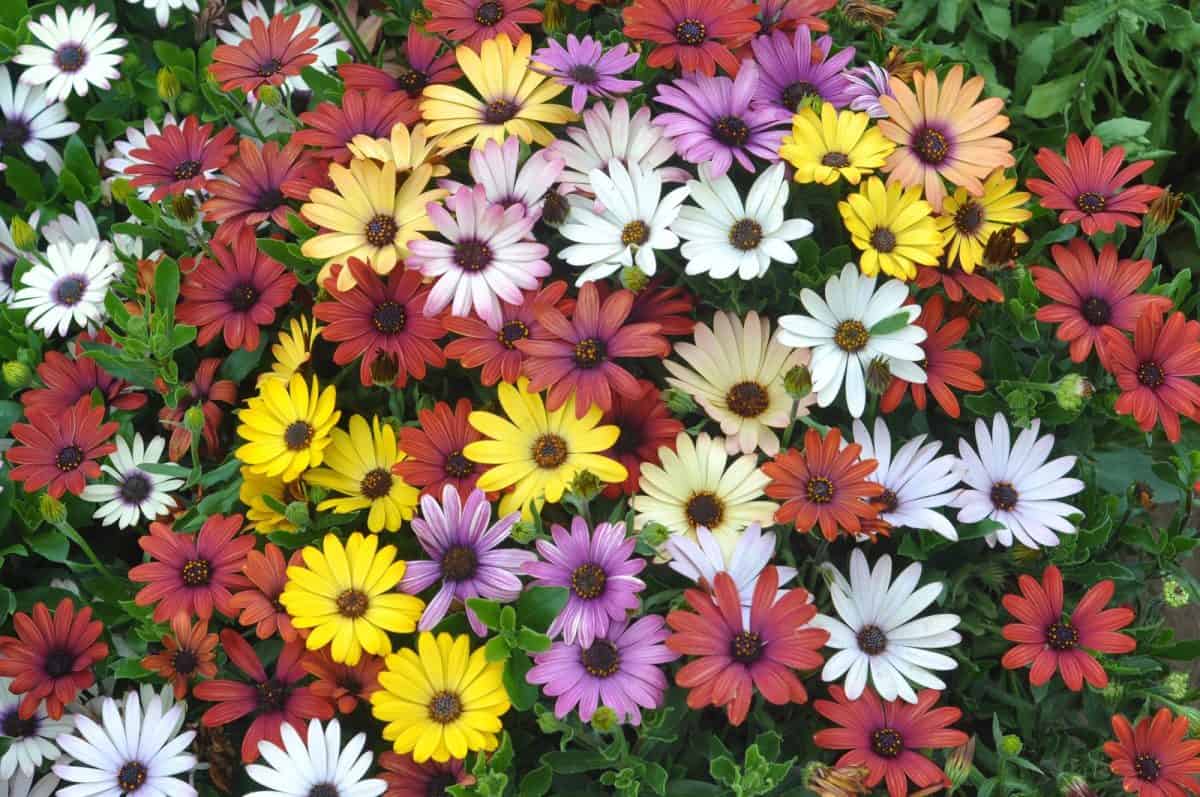
Burnt copper-orange petals with a violet center. The color combination shouldn’t work and absolutely does.
Use terracotta rather than plastic. It’s not just an aesthetic preference.
Osteospermum roots actually benefit from the slight airflow through unglazed clay, and the warm earthy tones make the copper-bronze blooms look even richer.
-
Gaillardia ‘Arizona Apricot’
Blanket Flower: The Prairie Survivor

Soft apricot and peach, tolerates drought, heat, poor soil, and honest neglect.
If you’ve ever come back from vacation to find your containers looking like crime scenes, this one waits for you without holding a grudge.
The one thing that will kill it is sitting in water. Elevate the pot on feet or a small stand so the drainage hole never touches a wet saucer.
That single move is the difference between a thriving plant and a mystery death.
-
Portulaca ‘Mojave Fuchsia’
Moss Rose: The Desert Aristocrat
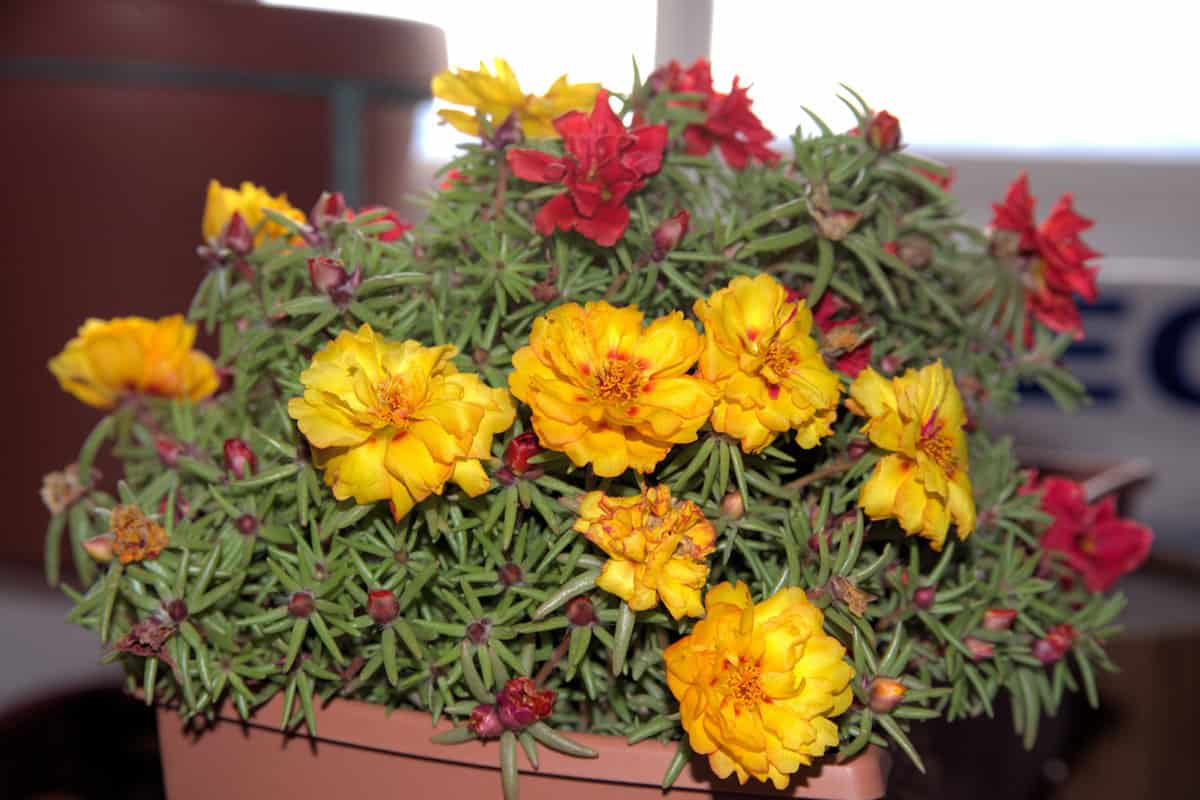
These look like miniature peonies. They’re growing in conditions a peony would find personally offensive.
Use a shallow, wide bowl rather than a deep pot. Portulaca roots are compact and a deep pot stays too wet at the bottom even when the surface looks dry.
Give it the shallow vessel, give it the baking heat, and then leave it alone. It will reward you in direct proportion to how little you fuss over it.
-
Zinnia ‘Queen Red Lime’
Cut-Flower Zinnia: The Color Anomaly
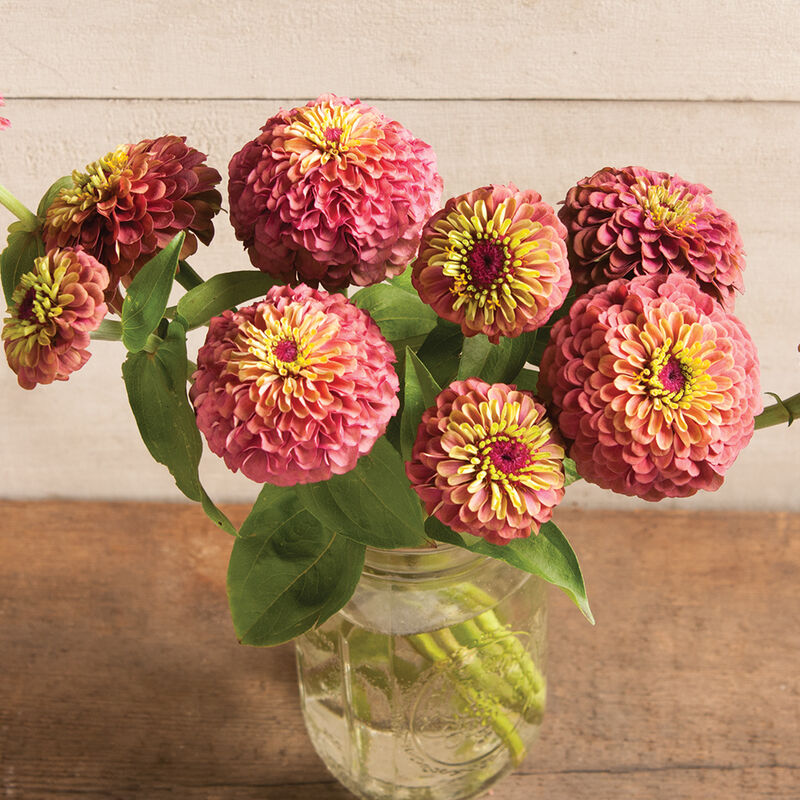
The blooms open deep burgundy and the centers fade to chartreuse-lime as they mature.
It’s a two-tone color shift that looks almost too deliberate to be natural, and every single visitor will ask what it is.
Plant it in a matte black or hammered copper container. The dark background makes the lime-green centers genuinely glow.
A terracotta pot works fine horticulturally but misses the visual opportunity entirely.
-
Cosmos ‘Rubenza’
Ruby Velvet Cosmos: The Fading Silk
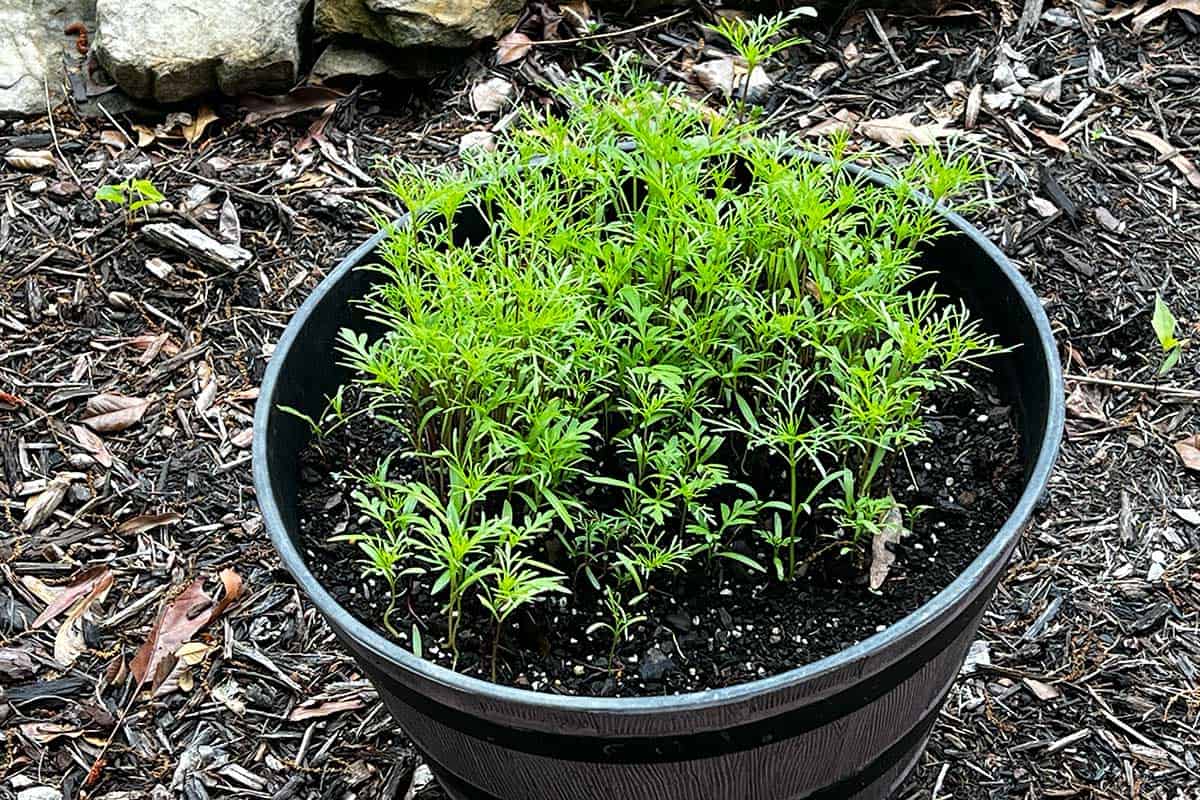
Deep ruby-red blooms that fade to antique rose at the edges as they age.
The whole effect is a natural ombré that gives the container a painterly quality you can’t fake with design choices.
The best tip I can give you is to resist the urge to tidy it. Let some stems grow taller than others.
That slight unevenness is what makes a container look designed rather than just planted.
-
Agapanthus ‘Poppin’ White’
Lily of the Nile: The Architectural Punctuation Mark

White globes on tall clean stems above dark strap leaves.
It’s the plant that makes high-end European patios look effortlessly sophisticated, and it’s almost completely ignored in American container gardening. No idea why.
Here’s the counterintuitive bit: don’t repot it.
Agapanthus blooms more when it’s slightly cramped. Leave it in a 12-inch container for four or five years and it will thank you with more flower stems than a roomier pot would ever produce.
-
Calibrachoa ‘Superbells Blackcurrant Punch’
Million Bells: The Moody Trailer
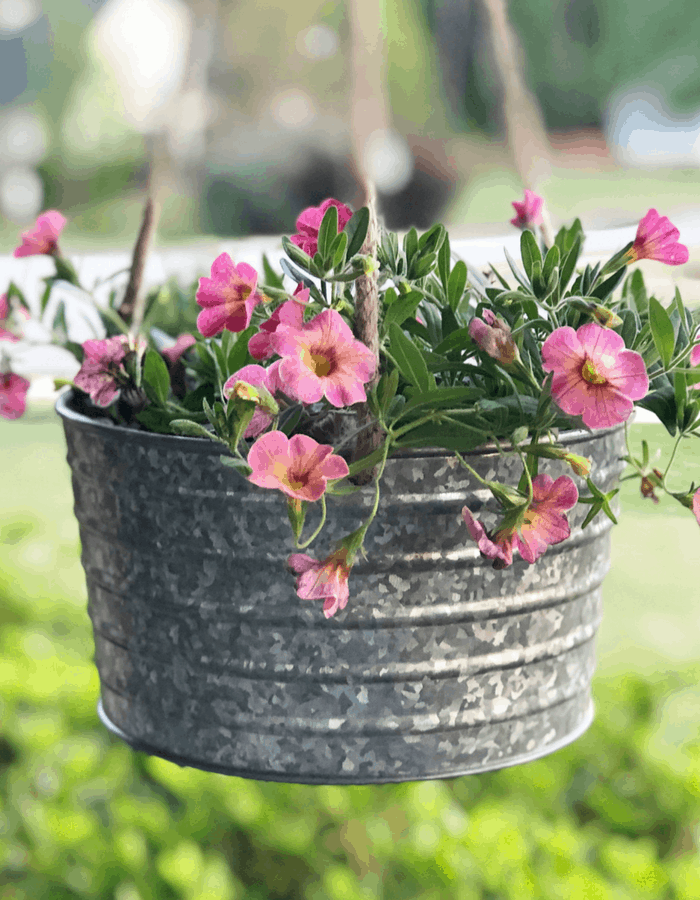
This is the trailer for people who are tired of bright pink.
Deep plum-purple blooms with near-black veining, cascading over the pot edge from spring to frost without a single spent bloom needing your attention.
Feed it at planting time with a slow-release high-potassium fertilizer tucked into the soil.
Calibrachoa are heavy feeders and they’ll turn yellow and stall without it. Do it once at the start and skip the weekly liquid feeding ritual entirely.
-
Dichondra argentea ‘Silver Falls’
Silver Ponyfoot: The Cascading Mercury
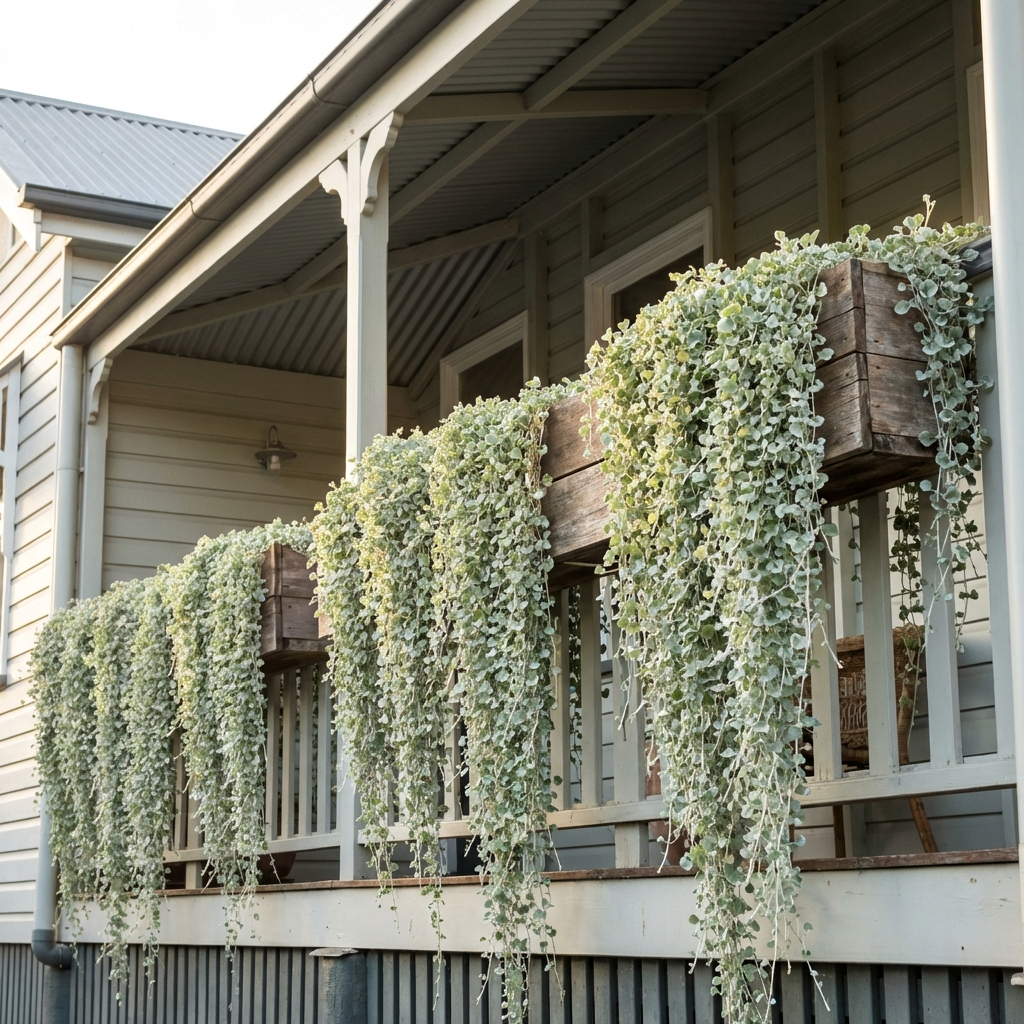
Technically a foliage plant. Practically the thing that makes every other plant in the group look better.
Long silver-velvet stems trail 3 to 4 feet and catch light like running water.
Plant it on the south or west-facing edge of a mixed container so the trailing stems cascade toward whoever’s looking.
Photograph it from a low angle in late afternoon and you’ll understand why this plant appears in every professional designer’s work.
-
Agastache ‘Kudos Coral’
Hummingbird Mint: The Fragrant Mosquito Barrier
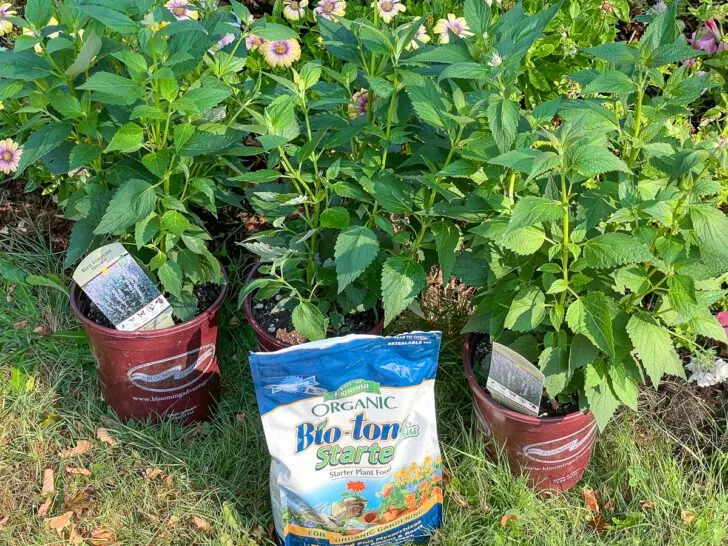
Coral-peach flower spires that smell of menthol and anise and that mosquitoes genuinely dislike.
On a hot patio, the fragrance gets stronger, which means the plant works harder for you in the exact conditions where you most need it.
Mix 30% coarse grit into the potting soil. Agastache evolved in dry, rocky Southwest soils and retained moisture at the roots is the main reason it fails in containers.
That amendment is cheap insurance for a plant that can otherwise last three seasons instead of one.
-
Tagetes lemmonii ‘Copper Canyon Daisy’
Mountain Marigold: The Perimeter Defender
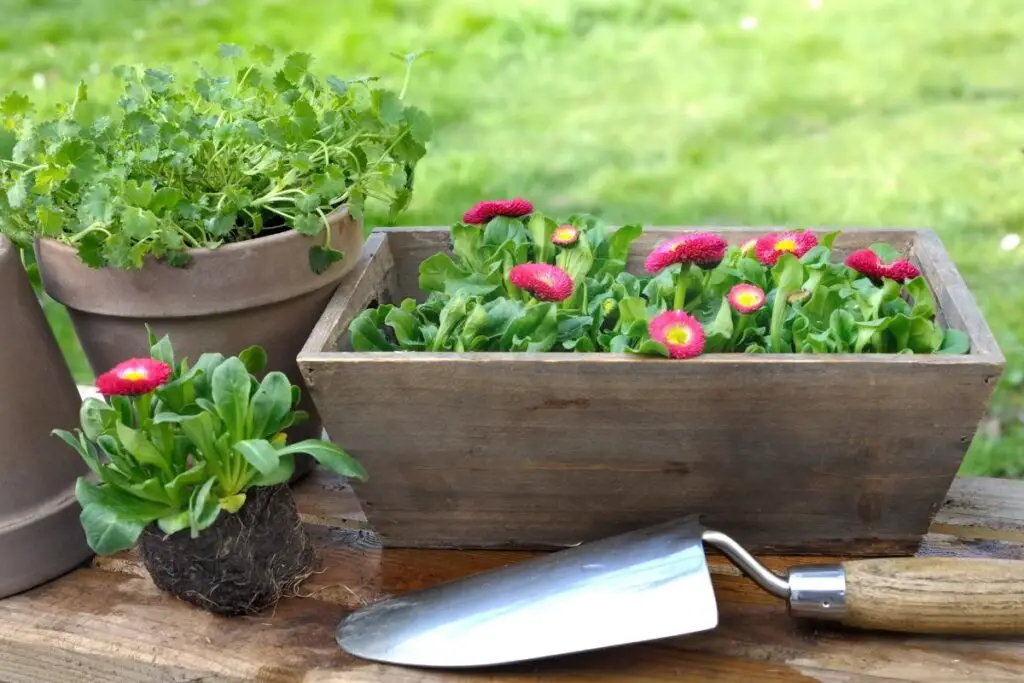
This is not a marigold, or at least not the kind you’re picturing.
It’s a shrubby Sierra Madre species that produces golden-orange daisies and emits a powerful citrus-sage-marigold scent that actively deters aphids and mosquitoes.
Every breeze activates it. Every time someone walks past and brushes the foliage, it activates again.
Give it a 14 to 16-inch pot and clip it lightly every few weeks to keep it container-sized rather than landscape-sized.
Generous root space translates directly into more fragrance and more bloom.
- Salvia ‘Wendy’s Wish’
Magenta Sage: The Fly Repellent with Hummingbird Privileges
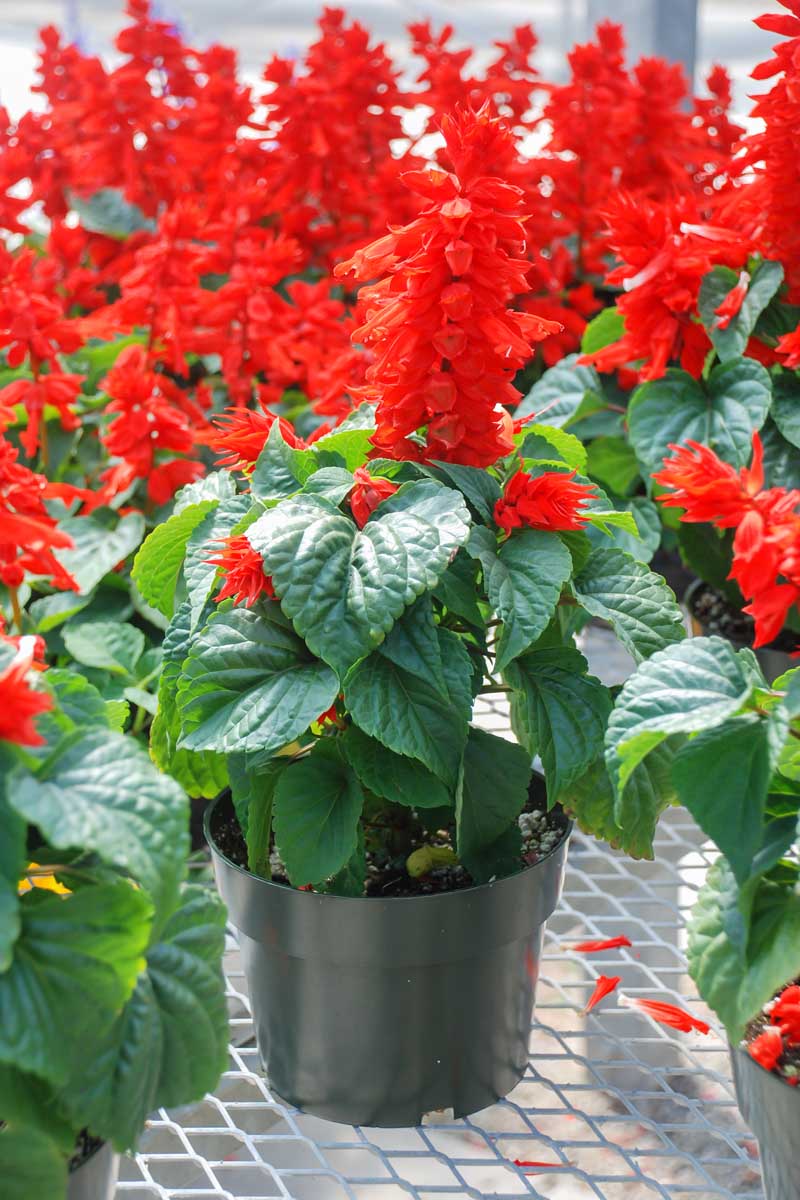
Magenta-fuchsia flowers on dark burgundy stems, and the foliage contains compounds that repel flies and certain mosquito species.
The smell releases passively in heat and more aggressively when brushed.
Young leaves are culinary too, which is an excellent fact to casually mention at a dinner party while handing someone a plate.
Plant against a south or west-facing wall where it’s hottest. Make sure the pot has multiple drainage holes. That’s genuinely all it asks.
-
Monarda ‘Lambada’
Dwarf Bee Balm: The Oswego Tea Garden in a Pot

Dwarf bee balm bred specifically for containers, with vivid fuchsia-pink blooms and a bergamot-oregano fragrance that bees find irresistible.
The whole plant is edible. Flowers on a salad, leaves in a tea, both legitimately good.
This is the one plant on this list that wants consistent moisture rather than drought tolerance.
A self-watering pot with a reservoir removes all the guesswork and prevents the mid-summer dormancy that happens when watering gets inconsistent.
- Thymus ‘Doone Valley’
Variegated Lemon Thyme: The Living Fragrant Carpet
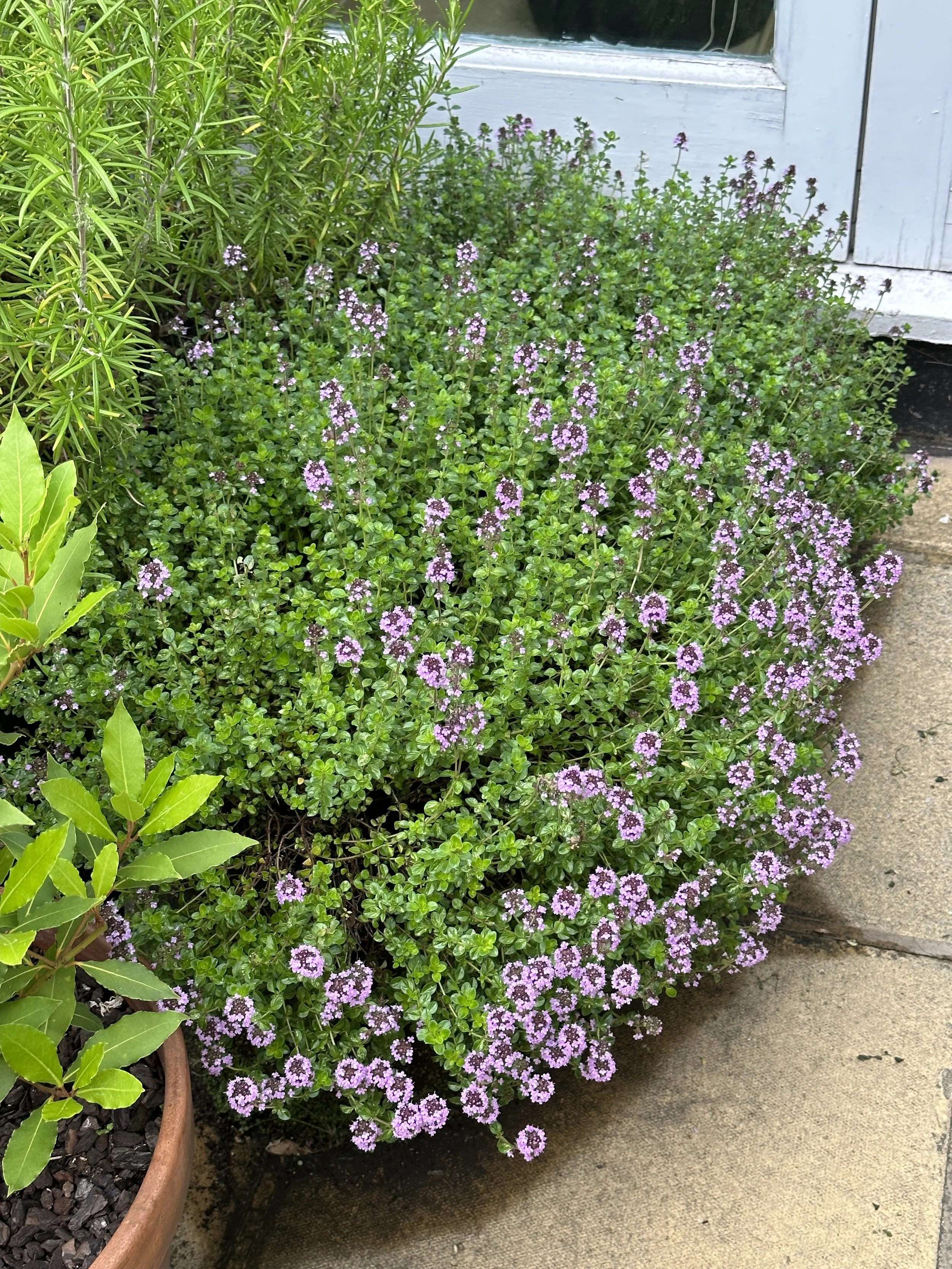
Gold-edged variegated foliage, tiny lavender-pink flowers, and a lemon-thyme fragrance that deters aphids and whiteflies from neighboring containers while improving every fish dish you cook all summer.
That’s a lot to ask of something this small.
Plant it in a wide shallow terracotta bowl and position it at the front edge of a step or low wall so it spills slightly over.
The creeping stems root as they spread. It looks expensive. It costs almost nothing.
-
Gazania ‘Big Kiss White Flame’
Treasure Flower: The Pavement Heat Specialist
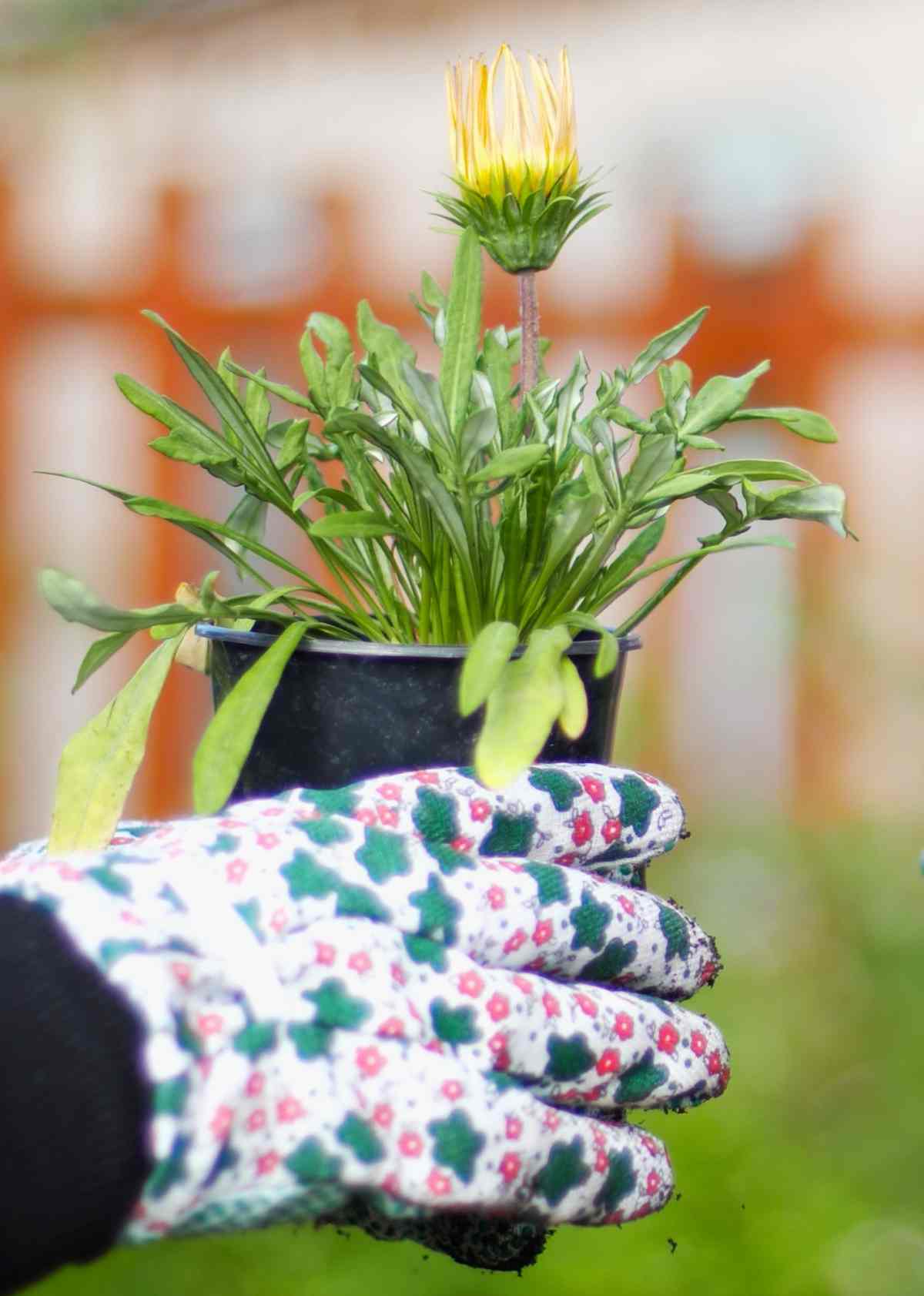
White petals with dark striped flame markings radiating from a gold center.
It looks like someone painted it. It evolved specifically for baking, dry, reflective heat and genuinely performs better in the spots that exhaust everything else.
Top-dress the soil surface with fine gravel after planting.
It keeps the crown dry, which is the only real vulnerability Gazania has, and it makes the pot look finished and deliberate rather than just filled with dirt.
-
Portulaca ‘Mojave Tangerine’
Moss Rose: The 120°F Survivor

This cultivar was bred to stay open in lower light and overcast conditions, which was the one legitimate complaint about older Portulaca.
Vivid burnt-orange semi-double blooms on a plant that handles surface temperatures over 120°F radiating off concrete.
The mistake most people make is watering it too often because the heat feels alarming. Don’t.
Water it deeply once, then wait until the soil is genuinely dry several inches down. The more you leave it alone, the better it looks.
-
Lantana ‘Bandana Lemon Zest’
Shrub Verbena: The Color-Shifting Heat Engine
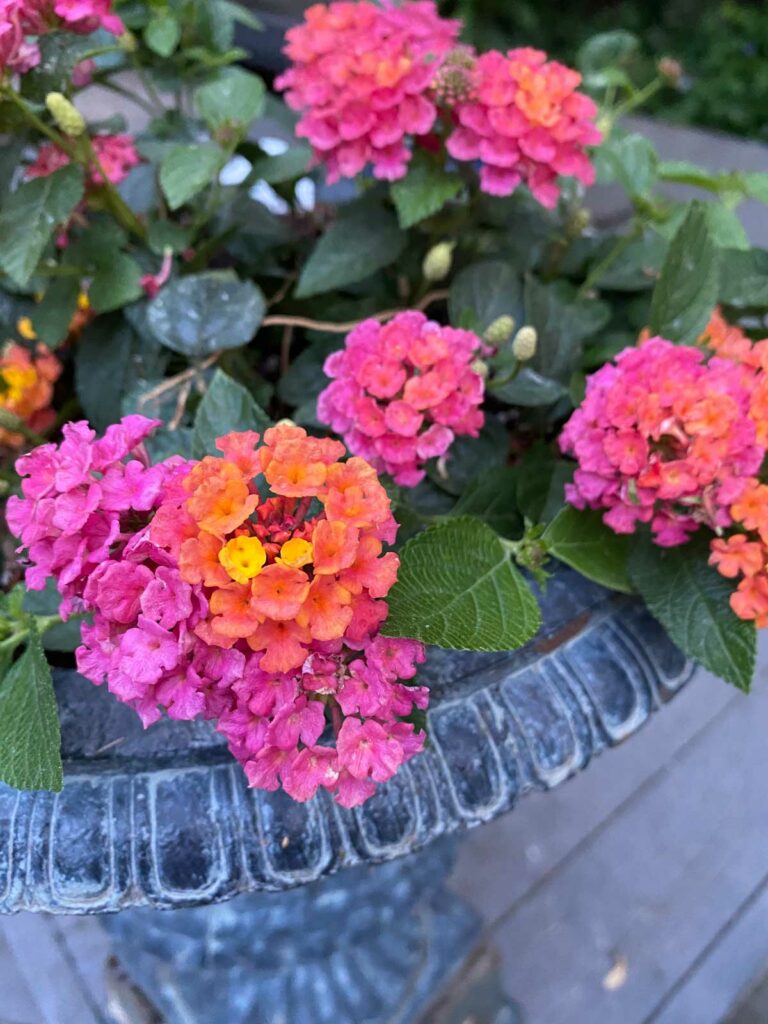
Each flower cluster opens lemon-yellow and shifts through peach and apricot as it matures.
The plant is never quite the same two days in a row, which sounds like a small thing until you realize it’s the reason you keep walking outside to check on it.
In mid-July, cut the whole thing back by a third and follow immediately with a liquid high-potassium feed.
Within two weeks you’ll have an explosion of new growth and intense color right as every other container plant starts looking tired. That single haircut is worth doing every year.
-
Pentas ‘Graffiti Violet’
Egyptian Star Flower: The Humidity-Proof Thriller

Dense clusters of violet star-shaped blooms in full sun and high humidity, no deadheading required, and hummingbirds and swallowtail butterflies actively seek it out.
You’re not just adding a flower. You’re adding movement to the patio.
Group it next to something tall and spiky in an adjacent pot. A Dracaena spike or an ornamental grass.
The vertical contrast makes the rounded Pentas clusters read as intentional rather than just placed there, and suddenly two ordinary pots become a composed vignette.
-
Gaillardia ‘Burgundy’
Solid Claret Blanket Flower: The Moody Heat Warrior

Unlike the familiar red-and-yellow Gaillardia, this one is pure deep wine-red with no yellow at all.
It reads as moody and sophisticated rather than cheerfully rustic, which is genuinely useful if you want a patio that looks considered rather than just colorful.
Plant it with a dwarf Carex ‘Bronzita’ in the same 12-inch container.
The amber-bronze grass threads through the Gaillardia stems and keeps the pot looking alive and intentional on the days between bloom flushes.
Two plants, one pot, always interesting.
One last thought:
The best patio garden isn’t the one that takes the most effort. It’s the one where every plant earns its spot.
Each of these was chosen because it respects your time, suits your eye, and largely takes care of itself. That’s not cutting corners. That’s gardening with experience.
Related Posts: