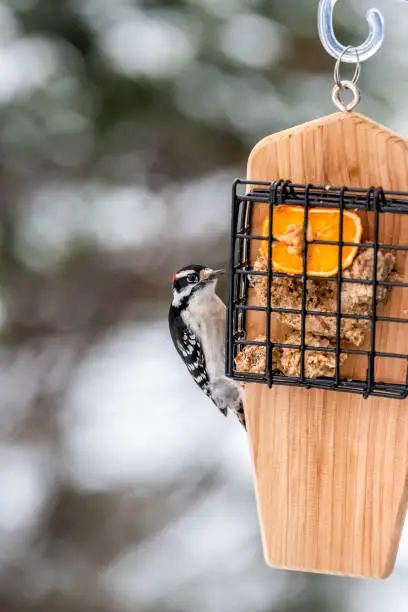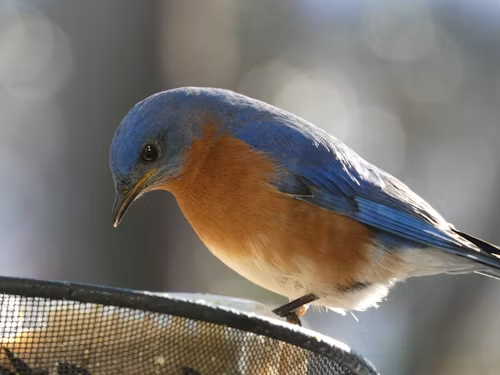
How to Make a Bird Feeder From Household Items
Last Updated on June 18, 2026 by Duncan
There’s something quietly magical about watching a bird land on something you’ve built with your own hands. And you can do this with a DIY bird feeder.
Bird feeders invite nature into your everyday space.
This can be your balcony, garden, or windowsill and a 2024 study found that the gentle activity of birds coming and going has been reduces stress and improves mood.
The best part? You don’t need to spend a cent. Empty plastic bottles, milk cartons, cardboard tubes, and twine are all you need.
Each of the seven designs below uses items that you already have in your home, and every set of instructions has been written so that anyone children included can follow along with ease.
Household Materials you need
Most designs share these basic ingredients. Check your recycling bin, kitchen drawers, and pantry before you start:
- Plastic bottles (water, soda, or juice)
- Milk or juice cartons
- Cardboard tubes (toilet roll or paper towel)
- Scissors or a craft knife
- String, twine, or old shoelaces
- Wooden spoons or chopsticks (for perches)
- Peanut butter or coconut oil
- Birdseed, oats, plain rice, or breadcrumbs
Tip: If you don’t have commercial birdseed you can use a simple homemade mix of uncooked oats, plain rice, unsalted sunflower seeds, and crushed crackers. These work just as well for most garden birds.
Bird Feeder Designs
These designs are arranged from the simplest to make to a little more involved. Even this being the case, even the last one takes under 30 minutes to complete.
1. The Woodland Cradle
Difficulty: Beginner and Kid-friendly Time: 10 minutes
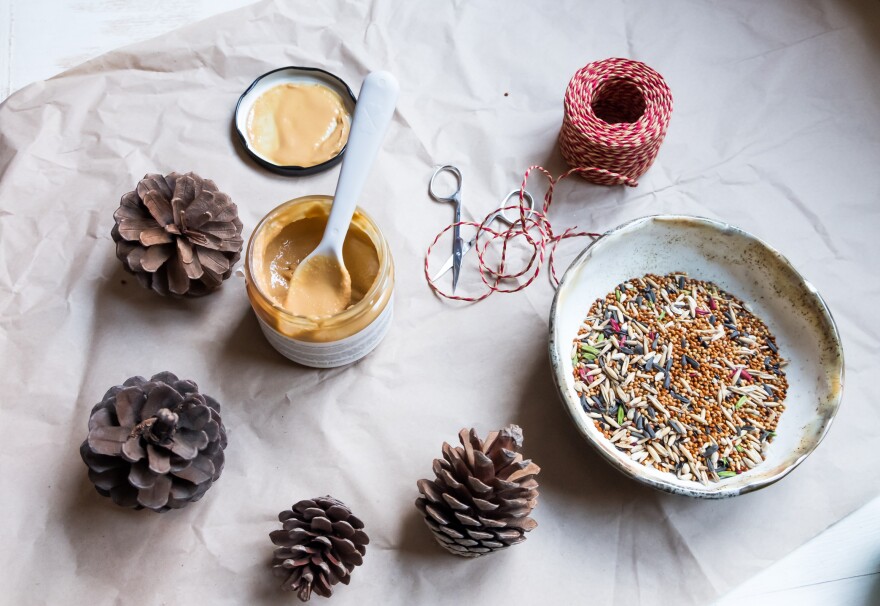
This is the classic and most beloved DIY bird feeder.
You simply need to roll a pine cone in peanut butter, coat it in seeds, and hang it up and you ae done.
Birds adore them and children love making them. No cutting required at all.
What you need:
- 1 large pine cone
- Peanut butter or coconut oil
- Birdseed or oats
- String or twine (30 cm)
- A plate or shallow bowl
How to make the bird feeder
- Tie your string tightly around the top scales of the pine cone, leaving a long loop for hanging.
- Using a butter knife or spoon, spread peanut butter generously into all the crevices of the pine cone.
- Pour birdseed onto a plate and roll the pine cone over it, pressing firmly so seeds stick all over.
- Hang it from a tree branch, fence, or balcony railing. Done!

Tip: If you don’t have pine cones, a balled-up piece of wire mesh or a piece of knotted rope works as a substitute. Sunflower seeds and peanuts are especially attractive to tits and finches.
2. The Hollow Log
Difficulty: Beginner and Kid-friendly Time: 10 minutes

A toilet paper or paper towel tube works as a perfect cylindrical feeder.
Roll it in peanut butter and seeds just likethe Woodland Cradle.
It’s that simple, and birds don’t mind the humble packaging one bit.
What you need:
- 1 cardboard tube (toilet roll or paper towel)
- Peanut butter or honey
- Birdseed or crushed oats
- String or a pencil (for hanging)
How to build it
- Thread a piece of string through the centre of the tube and tie a knot at the bottom to secure it.
- Coat the entire outside of the tube in a thin layer of peanut butter using a spoon or butter knife.
- Roll the sticky tube across a plate of birdseed until the surface is fully covered.
- Hang from the string with the knot inside the tube keeping it from sliding off.

Tip: Push a wooden skewer or chopstick through the sides of the tube near the bottom to create a perch. Birds will use it as a landing pad before hopping up to feed.
3. The Silo Tower
Difficulty: Beginner Time: 20 minutes
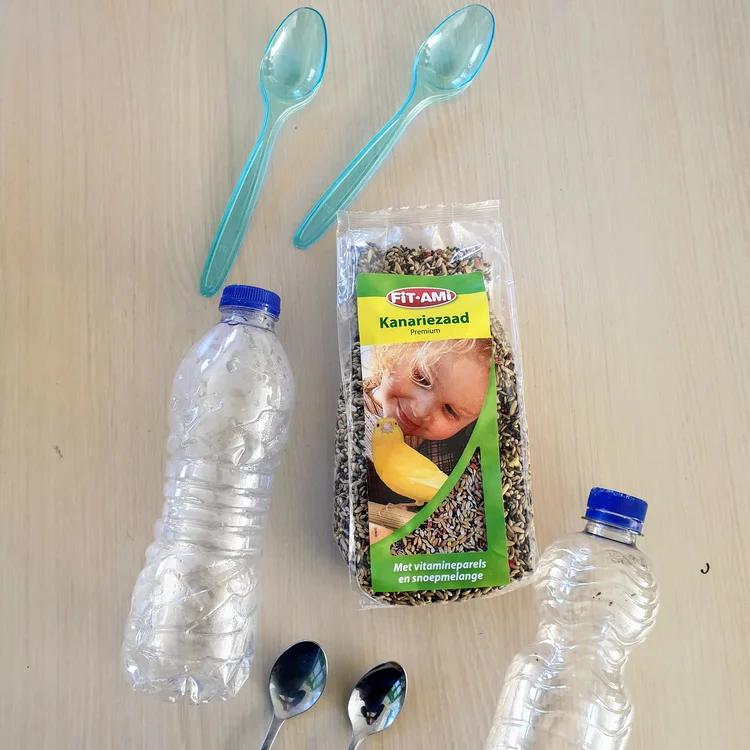
A repurposed plastic bottle makes a self-dispensing feeder that refills itself as seeds fall through the openings.
It keeps seed dry, holds a large quantity, and is one of the most practical long-term feeders you can make for free.
What you need:
- 1 clean plastic bottle (500ml to 2L)
- 2 wooden spoons or chopsticks
- Scissors or craft knife
- Strong string or wire
- Birdseed
How to make it:
- Clean and dry your bottle thoroughly. Remove the label.
- Use scissors to poke two small holes opposite each other, about 5 cm from the bottom. Push a wooden spoon through both holes to create a perch.
- About 2 cm above each perch hole, cut a small V-shape or oval opening (about 2 cm wide) so seed can pour out when birds land.
- Repeat steps 2 and 3 with a second spoon, rotated 90 degrees from the first, creating a cross-shaped perch system.
- Fill the bottle with birdseed through the top opening, then screw the cap back on.
- Tie strong string around the neck of the bottle and hang — or tie around the base and hang right-side up if you prefer.
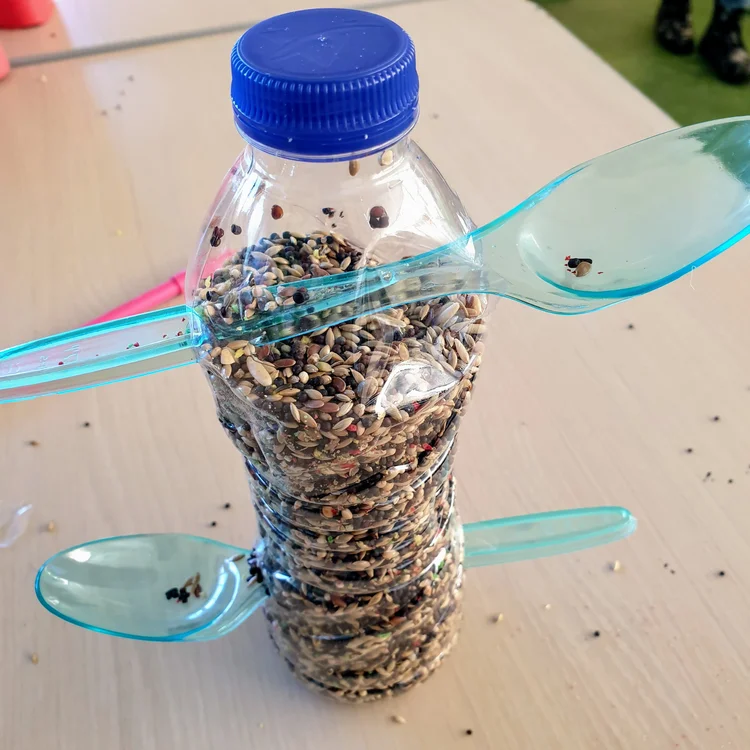
Tip: Keep the seed openings small (about 2 cm) so seeds don’t all pour out at once. Birds will reach in with their beaks to pick what they need. Refill through the cap.
4. The Cottage Pantry
Difficulty: Intermediate Time: 25 minutes

A washed-out milk or juice carton becomes a little birdhouse-style feeder with a roof that shelters the seed from rain.
You can decorate this charming design with paint or markers before hanging.
What you need:
- 1 clean milk or juice carton
- Scissors or craft knife
- String or thin wire
- 1 chopstick or thin dowel
- Birdseed
- Paint or markers (optional)
How to build it:
- Wash and dry your carton completely. Any milk residue will sour and deter birds.
- On two opposite sides, cut a large rectangular opening (about 8 cm wide, 5 cm tall), leaving at least 3 cm of carton at the base as a seed tray.
- Poke a small hole below each opening and push a chopstick through to make a perch.
- Poke a hole through the top of the carton (through the folded peak) and thread your hanging string through, tying a large knot inside so it doesn’t pull through.
- Decorate the outside with paint or permanent markers. You can also use flowers, stripes, or polka dots as they all look lovely.
- Pour birdseed into the base of the carton (about 2 to 3 cm deep) and hang.

Tip: The peaked carton top acts as a natural roof. For extra waterproofing, wrap the outside in clear tape or brush with diluted white glue (PVA) and allow to dry before hanging.
5. The Sunrise Bowl
Difficulty: Beginner and Kid-friendly Time: 10 minutes
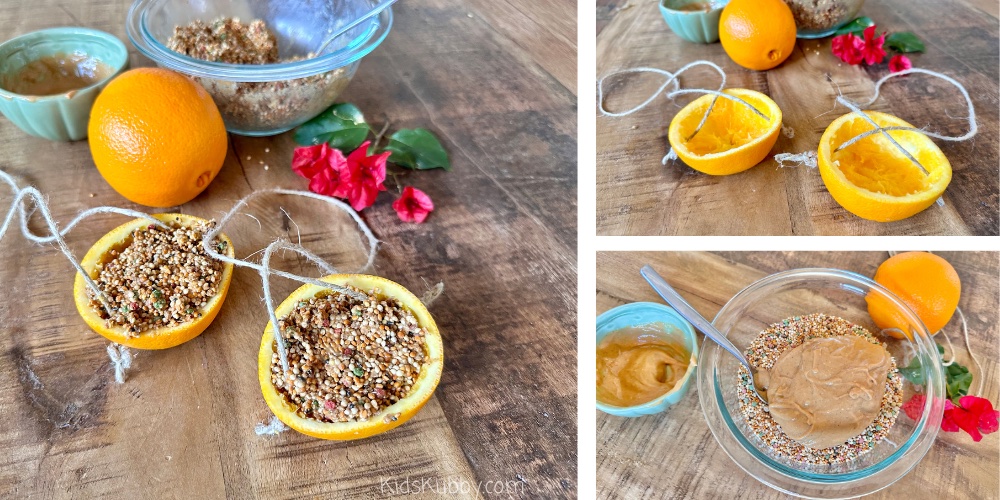
Hollow out half an orange and you have a natural, biodegradable bowl that doubles as bird food.
This zero-waste design has a beautiful smell and is attractive to many bird species, and the most beautiful part of it, it composts itself once it’s done its job.
What you need:
- 1 large orange or grapefruit
- A spoon
- 3 pieces of string (each about 40 cm)
- A skewer or toothpick (to poke holes)
- Birdseed, berries, or raisins
How to build it:
- Cut the orange in half and scoop out all the fruit flesh with a spoon (eat it or juice it and ensure that you don’t waste anything).
- Use a skewer or toothpick to poke three evenly spaced holes near the rim of the orange cup.
- Thread a piece of string through each hole and tie a knot on the inside to secure it. Gather all three loose ends and tie them together at the top to form a cradle.
- Fill the orange cup with birdseed, berries, raisins, or oats. You can also leave a little orange fruit in the base as an extra treat.
- Hang from a branch and enjoy watching birds sip and peck.
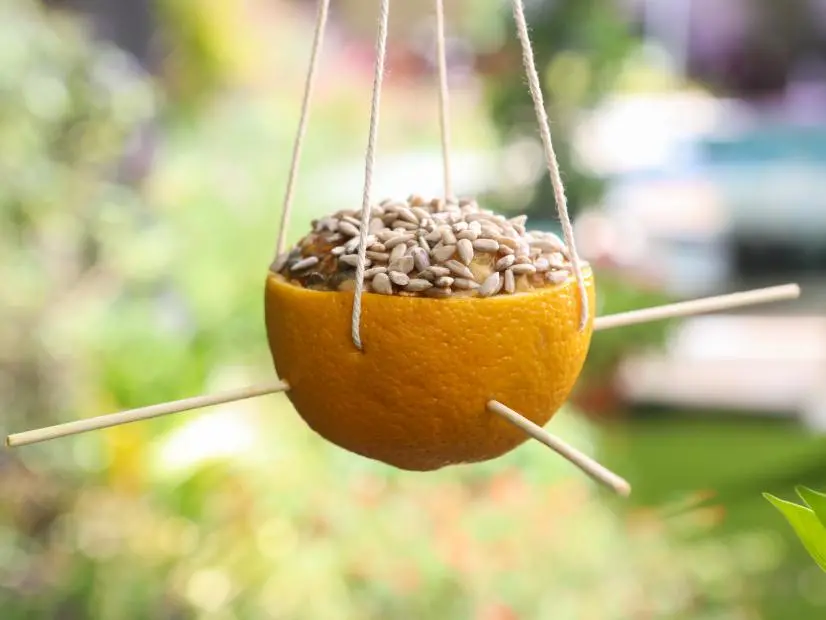
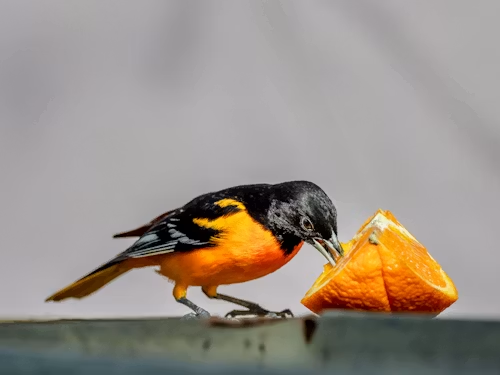
Tip: Orioles, thrushes, and blackbirds are especially attracted to citrus fruits. Leave a few slices of orange skewered on a nearby twig to draw them in faster.
6. The Hedgerow Globe
Difficulty: Intermediate Time: 20 minutes + setting time

Sometimes called ‘fat balls,’ these homemade seed spheres use melted fat or peanut butter as a binder to hold seeds together in a solid ball.
They are packed with calories and especially loved by birds during cold months.
What you need:
- 1/2 cup lard, suet, or coconut oil
- 1 cup mixed birdseed or oats
- A mixing bowl
- String (30 cm per ball)
- A refrigerator
How to build it:
- Gently melt your fat in a saucepan on low heat until just liquid. Remove from heat and allow to cool for 2 to 3 minutes (it should be warm but not scalding).
- Stir the birdseed, oats, and any dried fruit into the melted fat. Mix until every seed is coated.
- Tie a large knot at one end of your string. Scoop a generous handful of the mixture and form it around the knotted end of the string, pressing and shaping it into a ball.
- Place the balls on a baking sheet lined with cling film or parchment and refrigerate for at least 1 hour until fully solid.
- Hang using the string tail. Store extras in the fridge for up to two weeks.
Tip: Do not use salted butter or cooking fats with added salt as the salt is harmful to birds. Plain lard, suet, or coconut oil are the safest options.
7. The Forager’s Pouch
Difficulty: Intermediate Time: 15 minutes

The mesh bags that hold onions, oranges, or garlic from the supermarket are perfect feeder bags for peanuts and large seeds.
Birds cling to the outside and peck through the holes and this design is especially popular with tits, finches, and woodpeckers.
What you need:
- 1 mesh produce bag (onions, garlic, or citrus)
- Whole unsalted peanuts or large seeds
- String or wire (for hanging)
- A clothes peg or twist tie (to seal)
How to build it:
- Empty and rinse the mesh bag if it previously held produce. Turn it inside out and shake it to clean any debris from the mesh.
- Fill the bag with unsalted whole peanuts or large sunflower seeds, leaving a few centimetres at the top.
- Twist the top of the bag tightly and secure it with a clothes peg, a twist tie from a bread bag, or a piece of wire bent into a loop.
- Thread string through the twisted top or through the securing loop and tie a knot. Hang at eye level so you can enjoy watching birds up close.
- When the bag is empty, refill and reuse it as these mesh bags last many seasons.
Tip: Check the mesh holes are large enough that birds’ feet cannot get caught. The holes should be at least 1.5 cm wide.
Avoid very fine mesh and replace the bag every few months as the mesh degrades outdoors.
Where do You Hang Your Feeder?

The right location makes a big difference in how many birds visit and how safe they are once they do:
- Near cover: Hang feeders within 3 metres of a tree or hedge so birds can retreat quickly if a predator appears.
- Window view: Place a feeder within easy sight of a window you use often. Here the view becomes endlessly entertaining.
- Right height: Hang at least 1.5 metres off the ground to discourage cats.
- Partial shade: Full sun spoils seed faster. A spot with morning sun and afternoon shade keeps seed fresh longer.
- Sheltered spot: Avoid extremely exposed positions where the feeder swings wildly in the wind.
- Away from water: Keep feeders away from bird baths to avoid spreading bacteria.
Birds You Might Attract
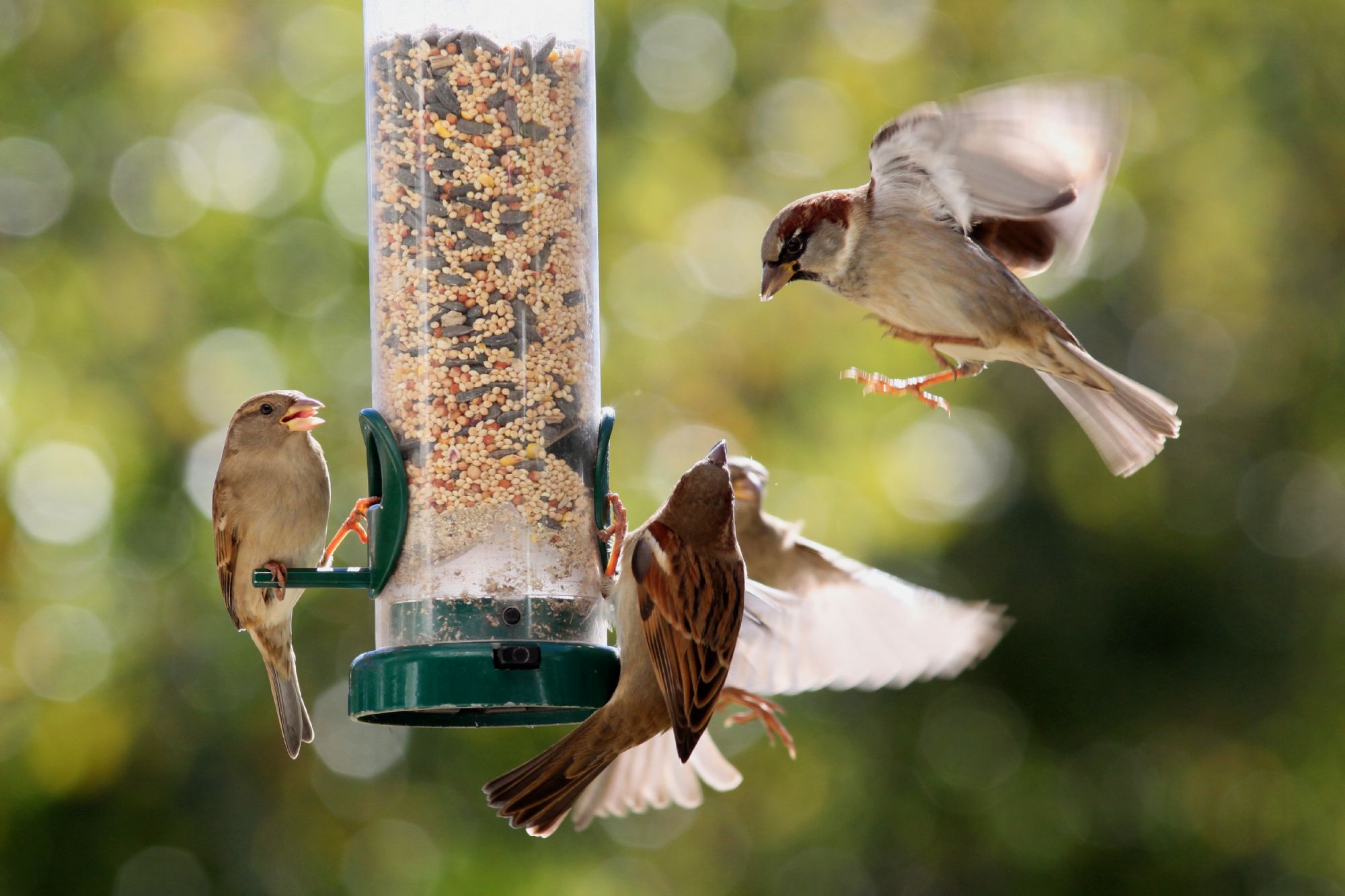
Depending on your region and feeder type, here are common garden visitors and what they love most:
- House Sparrow: Love millet, breadcrumbs, and oats
- Finches: Attracted to sunflower seeds and nyjer
- Blackbird: Prefers raisins, fruit, and mealworms
- Blue and Great Tits: Adore peanuts and fat balls
- Robin: Ground feeder; loves berries and insects
- Dove / Pigeon: Enjoys whole grains and corn
- Nuthatch: Excellent at using mesh bag feeders
- Woodpecker: Loves suet balls and peanut feeders
How do you maintain and take care of your bird feeder?
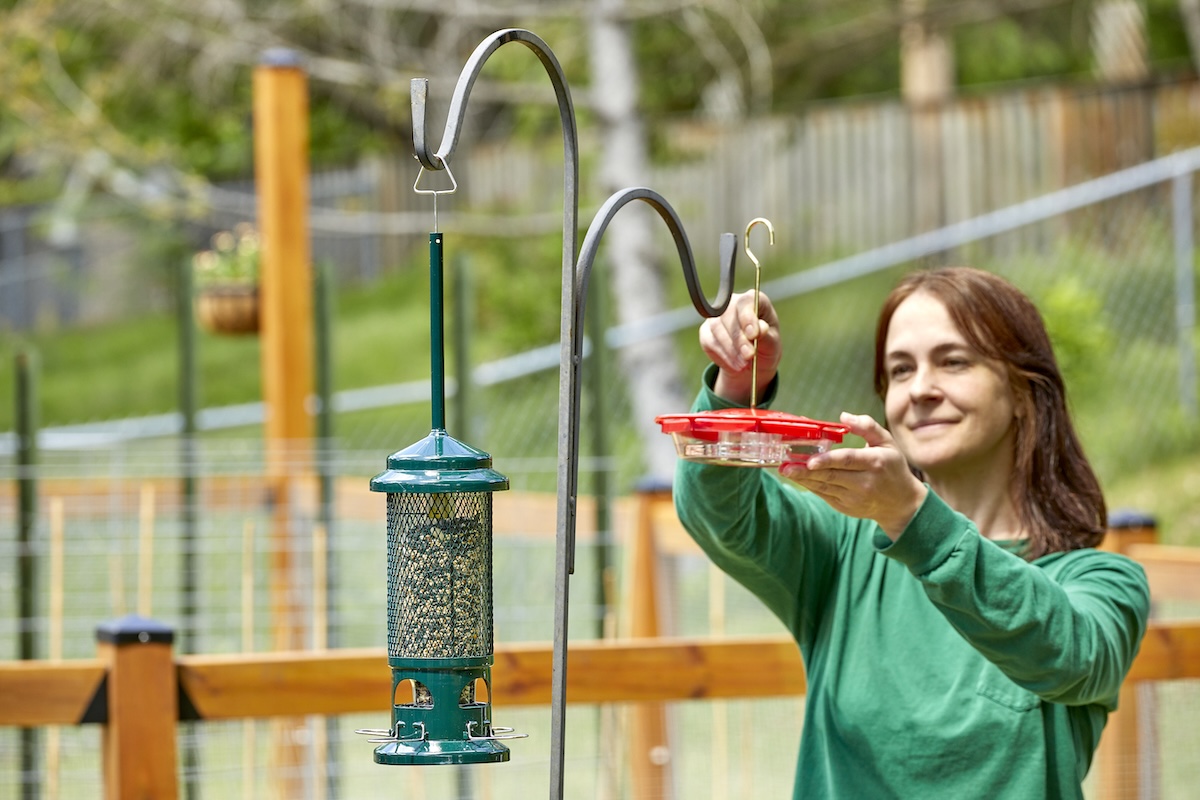
A well-maintained feeder keeps birds healthy and keeps them coming back. Some of the things you should do to keep your bird feeder in top shape you need to:
- Refill every 2 to 3 days: Empty feeders quickly train birds to stop visiting. Keep a light layer of fresh seed at all times.
- Clean weekly: Rinse feeders with warm water and a little white vinegar. Dry completely before refilling to prevent mould.
- Weatherproofing the cardboard: Coat milk carton feeders with diluted PVA glue or clear tape. Replace them every 2 to 4 weeks in wet weather.
- Remove old seed: Wet or clumped seed can grow fungus. Empty and discard old seed before adding a fresh batch.
Seed & Design Pairing Guide
| Feeder Name | Best Seed Choice | Lifespan |
| The Woodland Cradle | Sunflower, millet, crushed nuts | 1-2 weeks outdoors |
| The Hollow Log | Oats, millet, small mixed seed | 1-2 weeks; compostable |
| The Silo Tower | Small mixed seed, safflower | Months; refillable |
| The Cottage Pantry | Mixed grain, sunflower, corn | 2-4 weeks; replace in rain |
| The Sunrise Bowl | Berries, raisins, oats | 3-7 days; biodegrades |
| The Hedgerow Globe | Any seed bound in fat | 2-3 weeks if refrigerated |
| The Forager’s Pouch | Whole peanuts, large sunflower | Seasons; reusable bag |
FAQs
What’s the easiest feeder to make if I’ve never done this before?
The Woodland Cradle (pine cone rolled in peanut butter and seeds) requires zero cutting and takes about 10 minutes.
If you don’t have a pine cone, the Hollow Log is equally simple and uses something you already have at home.
I don’t have commercial birdseed. What can I use instead?
A homemade mix works well for most garden birds.
You should combine uncooked oats, plain rice, unsalted sunflower seeds, and crushed crackers.
Avoid salted, sugary, or seasoned foods.
Raisins, berries, and small pieces of unsalted fruit are also great additions, especially for blackbirds and robins.
How long before birds start visiting my feeder?
It varies.
In areas with established bird populations, you may see visitors within hours. In quieter areas it can take a few days to a week.
Patience is key but the good thing is that once one bird finds the feeder, others often follow.
Hanging it near existing cover like trees or hedges speeds things up considerably.
Is peanut butter safe for birds?
Yes, plain, unsalted, no-added-sugar peanut butter is safe and very nutritious for birds. Avoid varieties containing xylitol, as it can be toxic.
Natural peanut butter with only peanuts listed as an ingredient is your safest bet.
Coconut oil is a good allergen-free alternative that works equally well as a binder.
Can I make a feeder if I live in a flat with only a balcony?
Absolutely. The Silo Tower or the Cottage Pantry both hang easily from balcony railings with string or wire.
The Sunrise Bowl works beautifully on a balcony ledge or railing hook.
Just make sure any hanging feeder is secured so it doesn’t swing excessively or fall in wind.
My feeder is attracting pigeons and squirrels. What can I do?
Hang feeders higher (at least 1.5m off the ground) and away from surfaces squirrels can jump from.
Smaller mesh openings, like in the Forager’s Pouch, physically exclude larger birds.
Avoid scattering seed on the ground, as this is what pigeons prefer most.
Using nyjer seed or smaller seeds also tends to favour smaller garden birds.
How often should I clean the feeder?
Clean feeders at least once a week.
Rinse with warm water and a little white vinegar, then let them dry completely before refilling.
You should discard wet or mouldy seed immediately.
Replace cardboard feeders like the Hollow Log every one to two weeks instead of cleaning them.
Are any household foods harmful to birds?
Yes.
Avoid salted or flavoured nuts, desiccated coconut, cooked porridge oats, avocado, chocolate, onions, and anything with artificial sweeteners.
Dont use salted butter and cooking fats with added salt in fat balls.
Instead use plain lard, suet, or coconut oil as they are the safest.
Best practices when Building your DIY Bird Feeder
Choose the right location before you hang anything
Position your feefer within 3 metres of cover so birds can dart to safety quickly. Morning sun with afternoon shade keeps seed fresher for longer.
Use only unsalted, unflavoured ingredients
Salt is harmful to birds even in small amounts. To be on the safe side, always check labels on peanut butter, nuts, and cooking fats before use.
Refill every 2–3 days to keep birds coming back
Birds have good memories and will stop returning if a feeder is consistently empty. To keep them coming, lightly top-up the feed instead of waiting until it’s completely dry.
Weatherproof cardboard feeders
Brush milk carton feeders with diluted PVA glue or cover with clear tape before hanging. Even so, replace them every 2–4 weeks in wet weather.
Match your seed to your feeder design
Small seeds like millet and oats suit the Hollow Log and Woodland Cradle. Whole peanuts belong in the Forager’s Pouch where birds peck through the mesh.
It goes without saying that the right seed in the right feeder reduces waste and attracts the species you want.
Feed year-round, not just in winter
Spring and summer are when adult birds are feeding their chicks and at this time, the energy-rich foods are the most valuable.
Avoid whole peanuts in spring due to choking risk for chicks and use a mesh feeder so adults can only take small pieces.
Remove old seed before adding fresh
Damp, clumped seed can harbour mould and bacteria. To keep your feeder safe, always empty and inspect the feeder before each refill rather than topping up over old seed.
Place feeders where you’ll actually see them
A feeder near a window you use daily turns an ordinary view into a living nature display.
In addition to having peace of mind as you observe the birds, you’ll quickly spot problems like empty feeders or spoiled seed much faster.
There you go. Birds Are Waiting
Pick one design you can make today with what’s already in your home.
Hang it up, step back, and give it a few days.
The first time a bird lands on something you built yourself, you’ll understand why people have been doing this for centuries.
Happy feeding!
Related Posts: